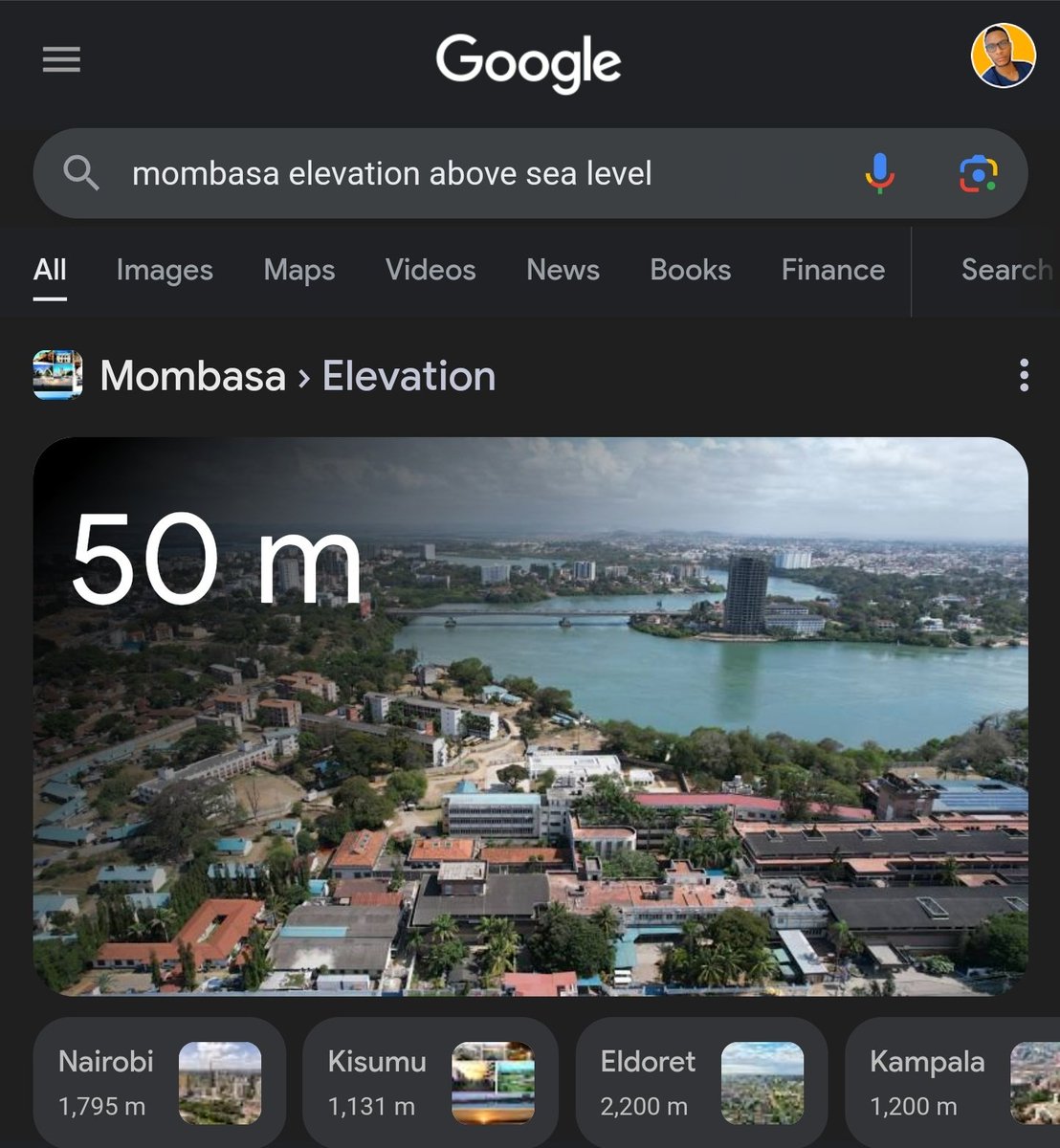
So I got bored and started Googling Kenyan towns elevation above sea level until I reached Bungoma...Ebu look at the picture for Bungoma 😭😭😭😭😭😭😭😭😭😭😭😭😭😭😭
During the American colonial era, lobsters were considered "garbage meat" and were eaten by indentured servants, prisoners, and poor families that couldn't afford anything else. Even the indigenous tribes that lived near the coast would use lobsters as fertilizer or fish bait rather than consume them.
19th-century Kentucky politician, John Rowan, once said, "Lobster shells about a house are looked upon as signs of poverty and degradation." It was common for people to bury lobster shells in their backyard to prevent their neighbors from seeing them.
In one Massachusetts town, indentured servants even sued their owners because they were feeding them too much lobster. They won the lawsuit and got it in ink that they could only be fed lobster—at most—three times a week.
Lobsters had such a bad reputation because they were extremely plentiful. Early colonists could just walk up to the shoreline and collect them because they would wash up onto the shore in droves. The lobster also had a reputation for being a bottom feeder that would literally eat anything. It also didn't help that during this time, people ate lobster by grinding it up entirely and eating it as a paste or stew.
In the early 19th century, people paid 53 cents a pound for Boston baked beans and paid just 11 cents for a pound of lobster. It was quite common for lobster to be served to cats.
Towards the end of the 19th century, the opinion of the lobster began to change. As railroads began to expand across America, the railway companies decided to serve lobster because it was cheap, plentiful, and largely unknown to inland passengers who found it delicious and demanded more! It was during this time that lobster meat was also being canned and sold all across the country, which pushed demand even higher.
By the 1920s, there were fewer lobsters yet demand continued to increase. By the 1950s, the lobster had cemented its status as a delicacy and became something that was eaten by movie stars and the wealthy.
Saudi Arabia is spending BILLIONS on sports, and many people think they are just sportswashing their image.
But the real story is more complex — and their involvement is much deeper than most realize.
Here's a quick breakdown:
So Saudi Arabia makes A LOT of money on oil.
The country’s state-controlled oil company Aramco produces more than 10 million barrels of crude oil daily, reporting a PROFIT of $161 billion last year alone.
That's...
$441 million in profit every day
$18 million in profit per hour
$ 306,000 in profit every minute
And it was the highest-ever recorded annual profit by a publicly listed company in history.
Saudi Aramco Company Overview
• Controlled by Saudi Arabia
• World’s largest oil producer
• Record $161 billion in profit last year
• Market cap of $2.1 trillion (3rd largest behind Apple & Microsoft)
But oil is still a tricky business, and Saudi Arabia is highly reliant on fossil fuels.
For example, oil accounts for 42% of Saudi Arabia’s total gross domestic product (GDP), 87% of its budget revenues, and 90% of export earnings.
And when Saudi Arabia saw a sharp decline in oil prices throughout the early 1980s, they entered a deep, prolonged recession that took nearly three decades to recover from.
So that’s why Saudi Arabia’s Crown Prince Mohammed bin Salman (MBS) announced the Saudi Vision 2030 plan in 2016.
The plan laid out a framework to reduce the Kingdom's economic dependence on oil by diverting profits (via their $620 billion sovereign wealth fund) into other industries like sports.
So Saudi Arabia got to work and has already spent over $10 billion on different assets across sports.
Here are a few examples:
• Saudi Arabia bought Newcastle United FC for $408 million in 2021.
• Saudi Arabia has a 10-year, $1 billion deal with WWE that guarantees them at least two events each year.
• Saudi Arabia has a 10-year deal with Formula 1 worth $650 million, guaranteeing them a home race each year. And their state-owned oil company Aramco has a 10-year, $450 million sponsorship deal with F1, too.
• Saudi Arabia has paid at least $150 million to host high-profile boxing events, including fights with Anthony Joshua, Oleksandr Usyk, and Andy Ruiz Jr.
And this is really just the tip of the iceberg.
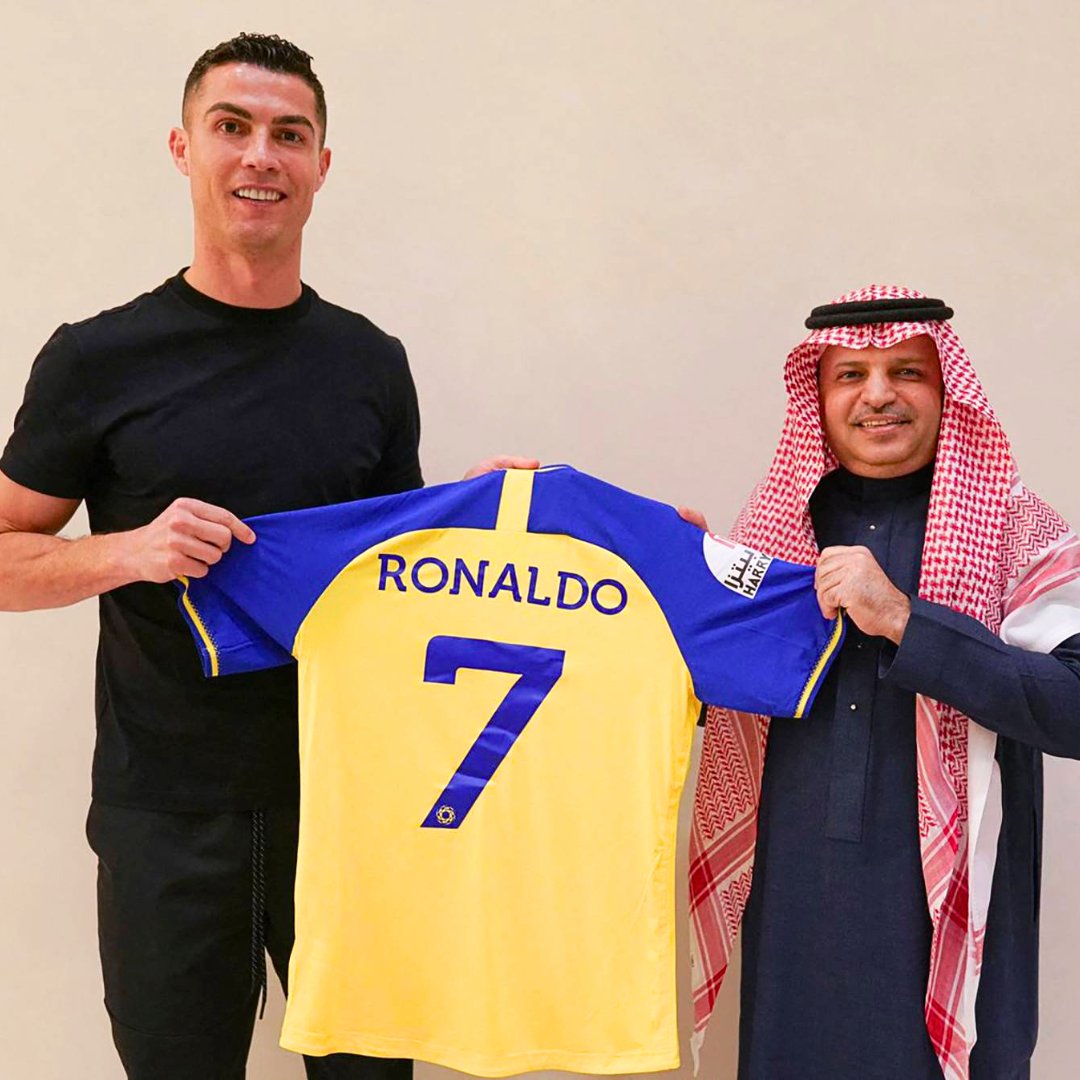
Saudi Arabia recently committed at least $3 billion to a partnership with the PGA Tour. And they also took over ownership of the country's four biggest soccer teams, signing Cristiano Ronaldo, Karim Benzema, and others to deals worth more than $2 billion.
But that doesn't mean sportswashing isn't happening.
Sports can be an extremely lucrative investment — but they can also be used to portray a more positive image of the country to the Western World, enabling Saudi Arabia to invest in many other (ancillary) businesses.
So don't expect Saudi Arabia to stop anytime soon.
If anything, they are getting started.
Ps. This is a short excerpt from my 3x weekly podcast (Top 25 in US sports). Subscribe using the links below so you don't miss any upcoming episodes!
Apple: https://t.co/oxtjqN8JOE
Spotify: https://t.co/pYRzIko8gQ
Poon Lim, a courageous Chinese sailor, demonstrated remarkable survival skills during his harrowing experience at sea. He endured an astonishing 133 days alone on a raft, employing various strategies to sustain himself. Resourcefulness became his key to staying alive, as he relied on fishing, rainwater collection, and even fending off a shark with a jug of water. Poon Lim's incredible feat earned him the prestigious Guinness World Record for the longest period spent adrift at sea, unaccompanied.
At the age of 25, Poon Lim embarked on a British merchant ship in 1942, originating from the southern coast of China. Tragically, shortly after leaving Cape Town, the vessel was targeted and torpedoed by a German U-boat. Amid the chaos, Poon Lim donned a life jacket and managed to locate a raft equipped with essential supplies like fresh water, biscuits, an electric torch, and flares. Although initially estimating that the provisions would last him a month, the grueling reality of his situation became evident during the subsequent weeks.
During his first month at sea, Poon Lim encountered multiple passing ships—a freighter, a U.S. Navy Patrol, and another German U-boat. However, despite his desperate pleas for assistance, each vessel disregarded his distress signals. These moments tested Poon Lim's mental fortitude, presenting immense challenges that he had to overcome. Nonetheless, he refused to succumb to despair. Realizing that he could not rely on the aid of others, he resolved to take matters into his own hands and focused solely on his personal survival.
Poon Lim devised a stringent routine to maintain his physical fitness and mental resilience. Despite the presence of dangerous sharks in the surrounding waters, he braved swimming twice daily, ensuring his body remained in decent shape. Although he experienced weight loss, he managed to preserve most of his muscle mass. As his water supplies eventually depleted, Poon Lim ingeniously repurposed the canvas from his life jacket as a means to collect rainwater, providing a crucial source of hydration. To secure sustenance, he crafted a makeshift fish hook using the wires from the electric torch and utilized the last remnants of his biscuits as bait. For each fish he caught, he resourcefully saved the remains to utilize as bait for subsequent meals.
Poon Lim's extraordinary survival tale serves as a testament to the indomitable human spirit and the unwavering determination to persevere against all odds. Despite enduring numerous hardships and the constant threat of starvation and danger, he demonstrated unwavering resilience and an unwavering commitment to staying alive until he could eventually reach the safety of land. Poon Lim's record-breaking achievement stands as a testament to his strength, adaptability, and sheer willpower in the face of extreme adversity.
What is planned obsolescence? In short, it is one of the most sinister policies created by humans.
It is the deliberate engineering of goods to deteriorate or become obsolete faster to require replacement and increase profits
The testing ground was the lightbulb when the Phoebe cartel engineered the lifespan from 2,500 hours to just 1,000, drastically increasing sales
Decades later, Apple would agree to pay $113 million to settle a lawsuit over intentional iPhone slowdowns
We see this with our architecture as well. What’s the fun ($$$) in creating something breathtaking that lasts for thousands of years when you can make dilapidated eyesores that require renovations every 30 seconds?
How is it that the Romans built roads to last thousands of years yet our modern ones require constant maintenance?
I truly believe much of the human condition now, mental illness, chronic illness, is planned obsolescence being extended to humanity by Big Pharma and Big Food for profits
We require a level of “maintenance” (and expensive maintenance at that) we’ve never seen before.
In 2007, President Mwai Kibaki told a stunned Country from Nyayo National stadium that enough was enough ”serikali itawatafuta na itawashika” . Media reported that the president had warned the Mungiki sect over the senseless killings being witnessed across parts of Nairobi and central Kenya. The president said this after a chief in Othaya, where he hailed from had been killed by Mungiki sect members. Media thought it was a stern warning within the confines of the law. Days later, Internal security minister John Michuki warned parents of children engaged in sect activities “ nende muanze kununua sanduku”. It happened…. Parents bought caskets, in their hundreds, some believe in their thousands.
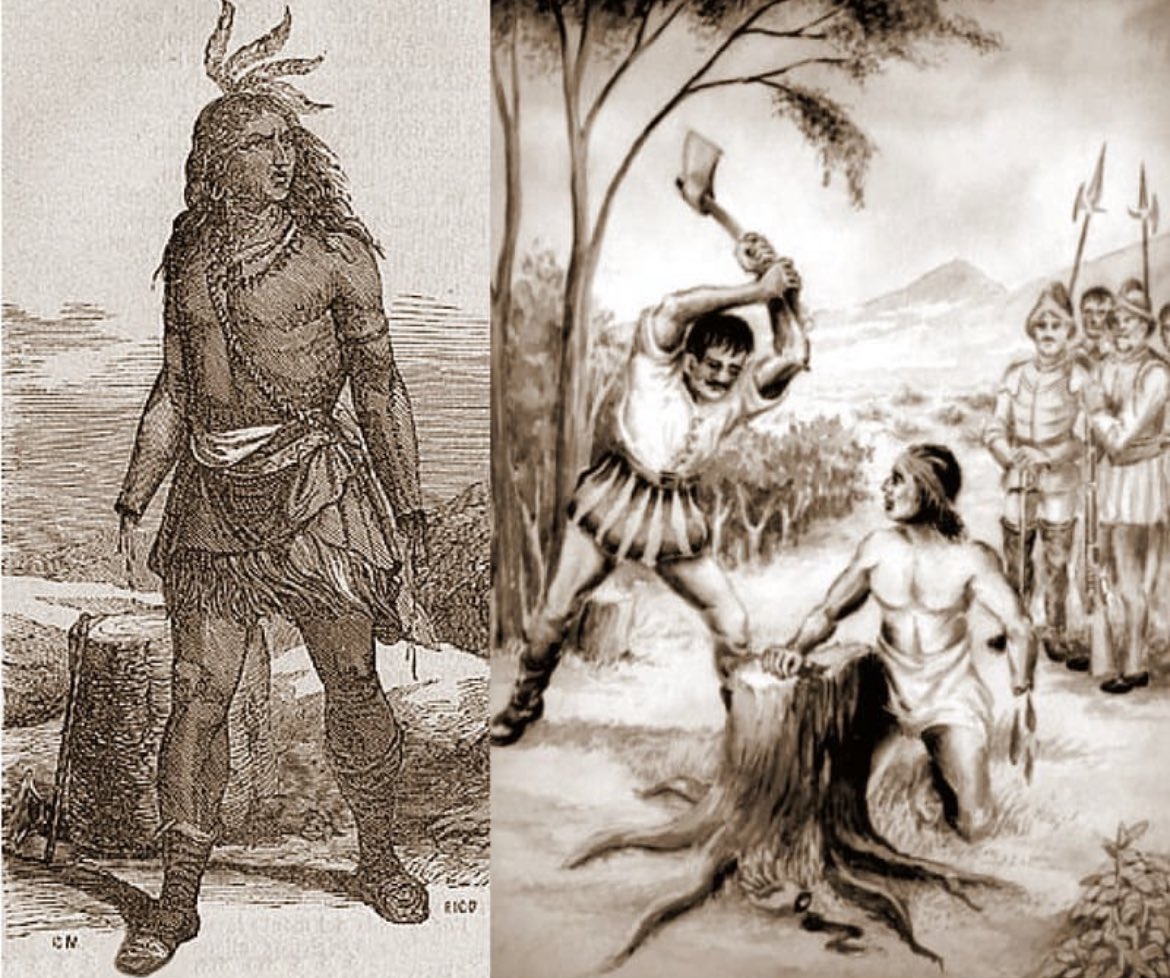
During the 1500s, Galvarino, a valiant Mapuche chieftain warrior, faced a cruel fate after the Battle of the Lagunillas in south central Chile—the Spanish forces severed both his hands. The legendary account tells us that even after losing his left hand, Galvarino remained undeterred and extended his right hand with nonchalance, only to request death. However, Governor García Hurtado de Mendoza decided to release Galvarino, along with the other mutilated warriors, as a warning to the rest of the Mapuche people.
Upon his return to his homeland, Galvarino sought an audience with Caupolicán, the Mapuche leader, with a fervent plea for another chance to seek justice. Impressed by his indomitable spirit, Caupolicán granted Galvarino his own squadron and had lances affixed to his stumps. In the Battle of Millarapue, Galvarino fearlessly confronted Governor Mendoza once again.
According to the written testimony of Jerónimo de Vivar, Galvarino is said to have rallied his men, urging them to persist in the face of the Spanish forces' superior weapons and armor. He proclaimed, "No one should flee; instead, we shall choose to die defending our mother country!"
Unfortunately, the Mapuche warriors were once again defeated. When the Spaniards offered Galvarino his life in exchange for joining their side, he resolutely declared, "I would rather die than live like you, and I regret only that my impending death will prevent me from tearing you apart with my teeth."
This time, the governor ensured Galvarino's execution. Despite these significant setbacks, the Mapuche people continued their resistance against the Spaniards for another three centuries, demonstrating their unwavering determination.
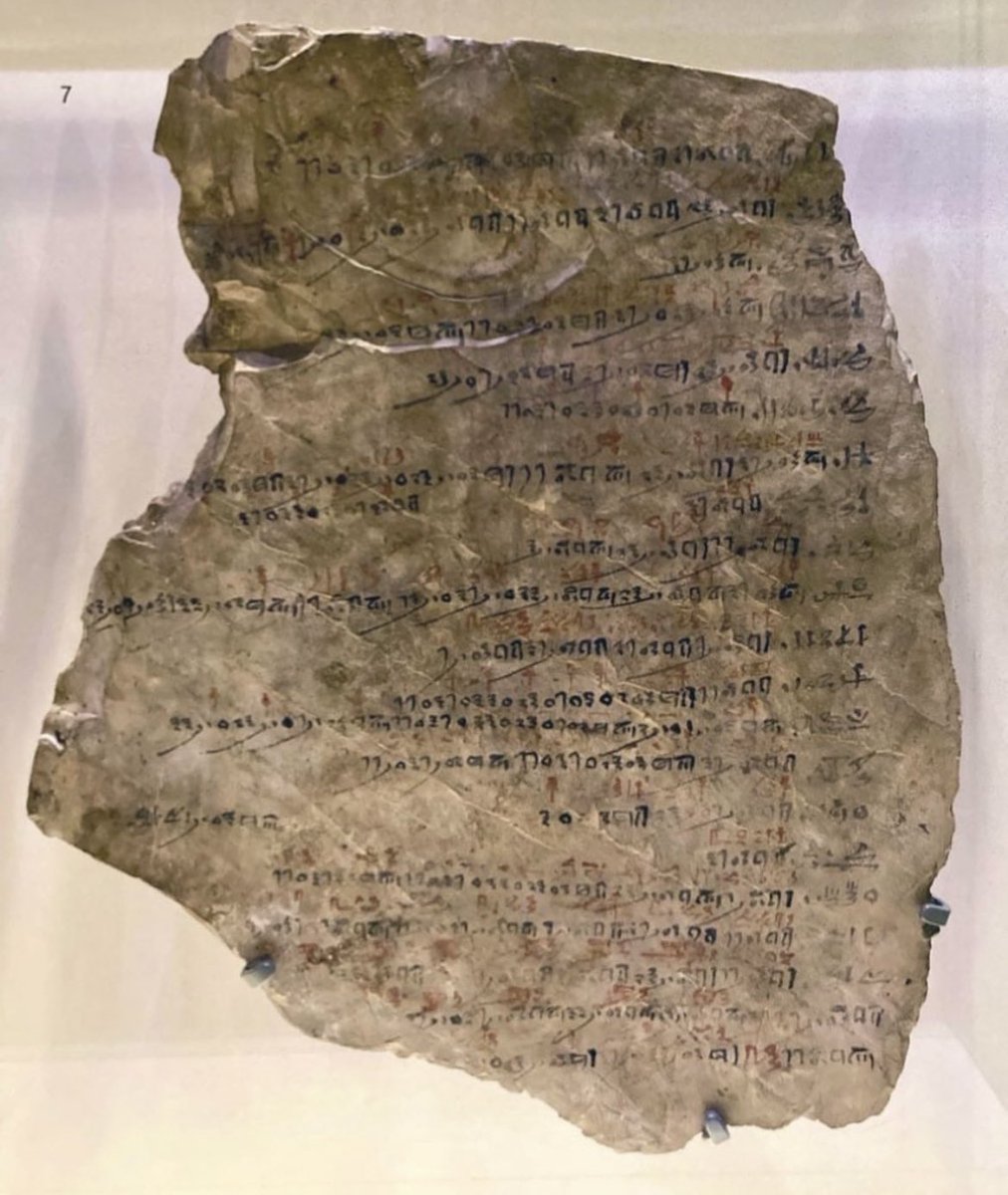
This is a 3200-year old attendance sheet found in Deir el-Medina, Egypt. Reasons for worker absence include "embalming brother", "brewing beer" and "bitten by scorpion".