Computer scientists @MicHedderich and @JonasFischerML developed software that can point out weaknesses in highly complex machine learning algorithms and thus help to correct them. Find out more: https://t.co/OeLgNeuFD8
Incredibly proud to take part in the awards lecture of @fschmidt92 at #GCB2020 who won the german Bioinformatics Phd prize for 2020 from the #FABI . Looking forward to so many other great work from you in the future!
Stefanie Dimmeler was awarded the Gold Medal at the #ESCCongress2020. The Gold Medal goes to all previous lab members, collaborators and the current wonderful team at the InstCardReg_FFM!
Ich freue mich auf die Zusammenarbeit mit @NDRinfo und diesen tollen Podcast zukünftig unterstützen zu dürfen: "Coronavirus-Update" jetzt mit Drosten und Ciesek https://t.co/clNjret517
Many thanks to ISCB for winning the ISCB Student Software Award (https://t.co/fqoT0G1wuS) during #ismb2020 for our TEPIC software (https://t.co/t2z4JZ3y3D). Thanks to all my colleagues who contributed to the software package.
Stefanie Dimmeler participates tomorrow 05 June in the COVID-19 Global Heart Webinar about COVID-19 Acute Cardiomyopathy from @dhzberlin, @ChariteBerlin & PASCaTS. The Webinar starts at 3 p.m. CEST and everybody can join following this link https://t.co/BSu3Fbz3Qs #DimmelerLab
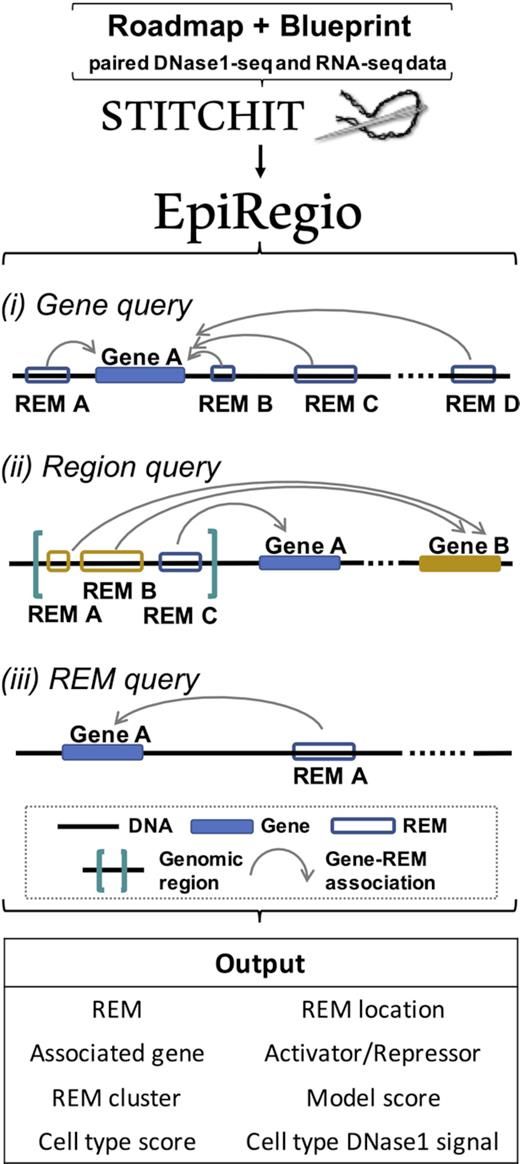
I am happy to announce that our web server EpiRegio, a resource of regulatory elements is published in Nucleic Acids Research :)
Check it out: https://t.co/qRHyRslFTL
#SchulzLab
Congrats to @fatemeh383, as her paper was selected as one of the top 10 reading papers in 2018 by the RECOMB/ISCB Regulatory systems Genomics group. Here is it: https://t.co/Nev41TFjeB #SchulzLab#singleCell#epigenome
Our publication on the genome-wide analysis of endogenous small RNA clusters in #Paramecium tetraurelia appeared in @NAR_Open this week. Check it out at https://t.co/B3TUr9b4gw #SchulzLab#sRNA#Transcriptomics
Recent work by @fschmidt92 about learning gene-specific #regulatory elements from large datasets of #epigenetics and expression data using a novel segmentation approach. More focused regions and better enrichment in #GWAS or #eQTLs. #SchulzLab https://t.co/SlxirYLRoC