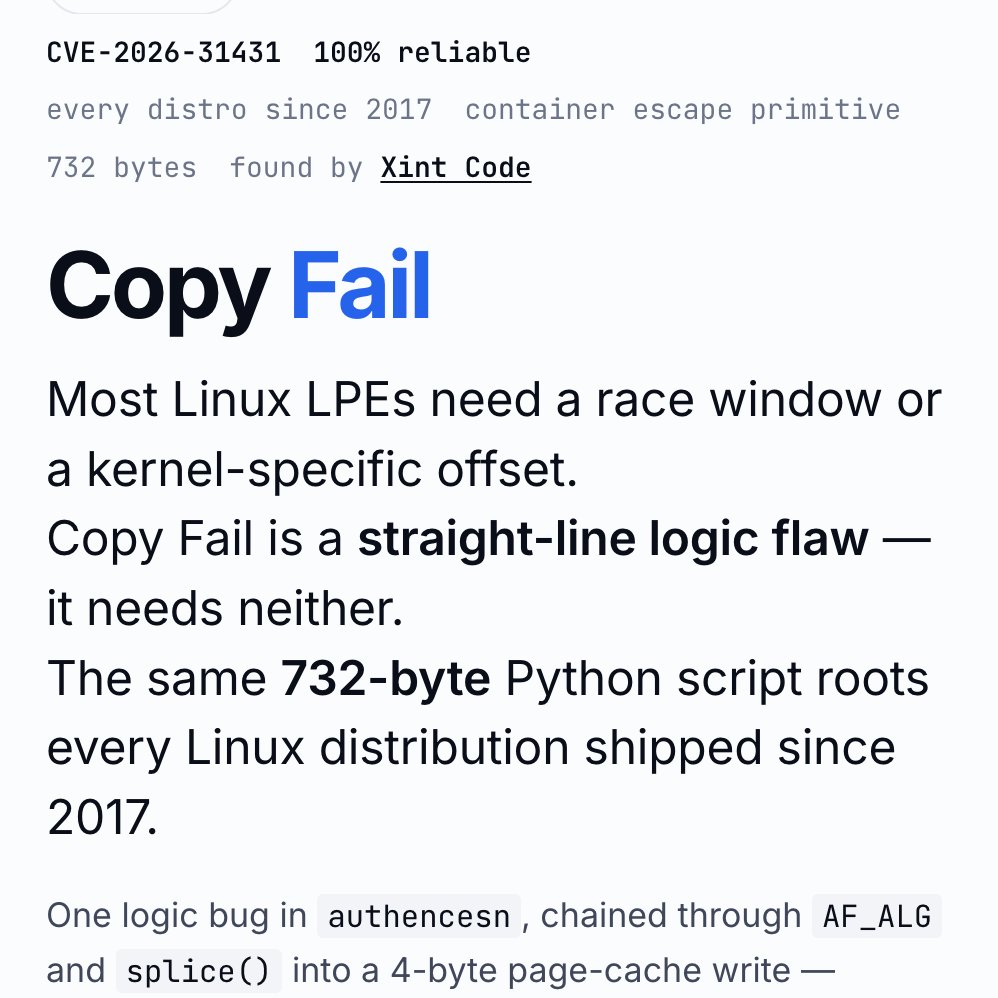
‼️🚨 BREAKING: An AI found a Linux kernel zero-day that roots every distribution since 2017. The exploit fits in 732 bytes of Python. Patch your kernel ASAP.
The vulnerability is CVE-2026-31431, nicknamed "Copy Fail," disclosed today by Theori. It has been sitting quietly in the Linux kernel for nine years.
Most Linux privilege-escalation bugs are picky. They need a precise timing window (a "race"), or specific kernel addresses leaked from somewhere, or careful tuning per distribution. Copy Fail needs none of that. It is a straight-line logic mistake that works on the first try, every time, on every mainstream Linux box.
The attacker just needs a normal user account on the machine. From there, the script asks the kernel to do some encryption work, abuses how that work is wired up, and ends up writing 4 bytes into a memory area called the "page cache" (Linux's high-speed copy of files in RAM). Those 4 bytes can be aimed at any program the system trusts, like /usr/bin/su, the shortcut to becoming root.
Result: the next time anyone runs that program, it lets the attacker in as root.
What should worry most: the corruption never touches the file on disk. It only exists in Linux's in-memory copy of that file. If you imaged the hard drive afterwards, the on-disk file would match the official package hash exactly. Reboot the machine, or just put it under memory pressure (any normal system load that needs the RAM), and the cached copy reloads fresh from disk.
Containers do not help either. The page cache is shared across the whole host, so a process inside a container can use this bug to compromise the underlying server and reach into other tenants.
The original sin was a 2017 "in-place optimization" in a kernel crypto module called algif_aead. It was meant to make encryption slightly faster. The change broke a critical safety assumption, and nobody noticed for nine years. That bug then rode every kernel update from 2017 to today.
This vulnerability affects the following:
🔴 Shared servers (dev boxes, jump hosts, build servers): any user becomes root
🔴 Kubernetes and container clusters: one compromised pod escapes to the host
🔴 CI runners (GitHub Actions, GitLab, Jenkins): a malicious pull request becomes root on the runner
🔴 Cloud platforms running user code (notebooks, agent sandboxes, serverless functions): a tenant becomes host root
Timeline:
🔴 March 23, 2026: reported to the Linux kernel security team
🔴 April 1: patch committed to mainline (commit a664bf3d603d)
🔴 April 22: CVE assigned
🔴 April 29: public disclosure
Mitigation: update your kernel to a build that includes mainline commit a664bf3d603d. If you cannot patch immediately, turn off the vulnerable module:
echo "install algif_aead /bin/false" > /etc/modprobe.d/disable-algif.conf
rmmod algif_aead 2>/dev/null || true
For environments that run untrusted code (containers, sandboxes, CI runners), block access to the kernel's AF_ALG crypto interface entirely, even after patching. Almost nothing legitimate needs it, and blocking it shuts the door on this whole class of bug...
CVE-2026-31431 a/k/a CopyFail
> Linux LPE
> Description sounds like AI slop
> Exploit is legit
> Impacts every Linux kernel from 2017 - Now
> Proof-of-concept released
> It's Wednesday?
https://t.co/FXgjWW7lOV
You don't learn reverse engineering by reading about it. You learn by doing it.
That's why I built https://t.co/BabZ0NwSJp, a free platform with hands-on RE challenges using real malware:
Whether you're starting out or sharpening your skills, this is how you level up.
🛠️ HikvisionExploiter
HikvisionExploiter is a powerful and automated exploitation toolkit targeting unauthenticated endpoints on Hikvision IP cameras, particularly those running firmware version 3.1.3.150324.
https://t.co/NFb2mlT867
A new ransomware strain named #Yurei has emerged. It is believed to be a variant of PrincessLocker and is written in Go.
sample: https://t.co/hy0X8J3dHO
sample: https://t.co/kIeMfqN35H
sample: https://t.co/ooueAbFwEz
rule: https://t.co/bElzz5X7tI
North Korea’s hackers just unleashed RokRAT again.
🎯 Targets: academics, ex-officials & researchers in South Korea.
📩 Disguised as an intelligence newsletter—opens a PDF decoy while stealing everything from files to screenshots via Dropbox & Google Cloud.
Read ↓ https://t.co/MBTJ7UZx1T
Another one from our SOC:
"property Name reject, property SubjectOrBodyContainsWords Re -;password;phish;spam, property DeleteMessage True, property MarkAsRead True, property StopProcessingRules False"
This rule deletes all emails containing the words "password", "phish" or "spam" (or replies) and could be used to hide warnings from the affected user from other people who try to inform the user about the compromised mailbox. Because, most likely, the compromised mailbox was used to send out spam and phishing emails.
If you want to monitor and detect such potentially malicious behavior, I like the Business Email Compromise Guide from PwC, which discusses the tactic above and much more. 🙏
https://t.co/10YYnK4MVx
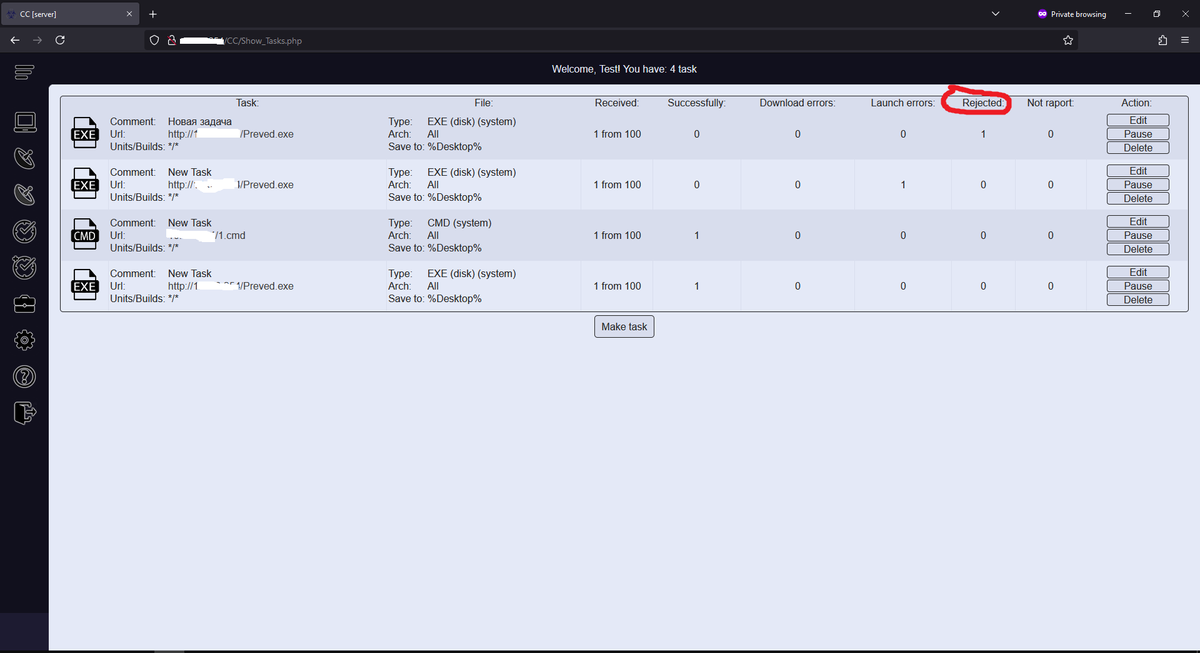
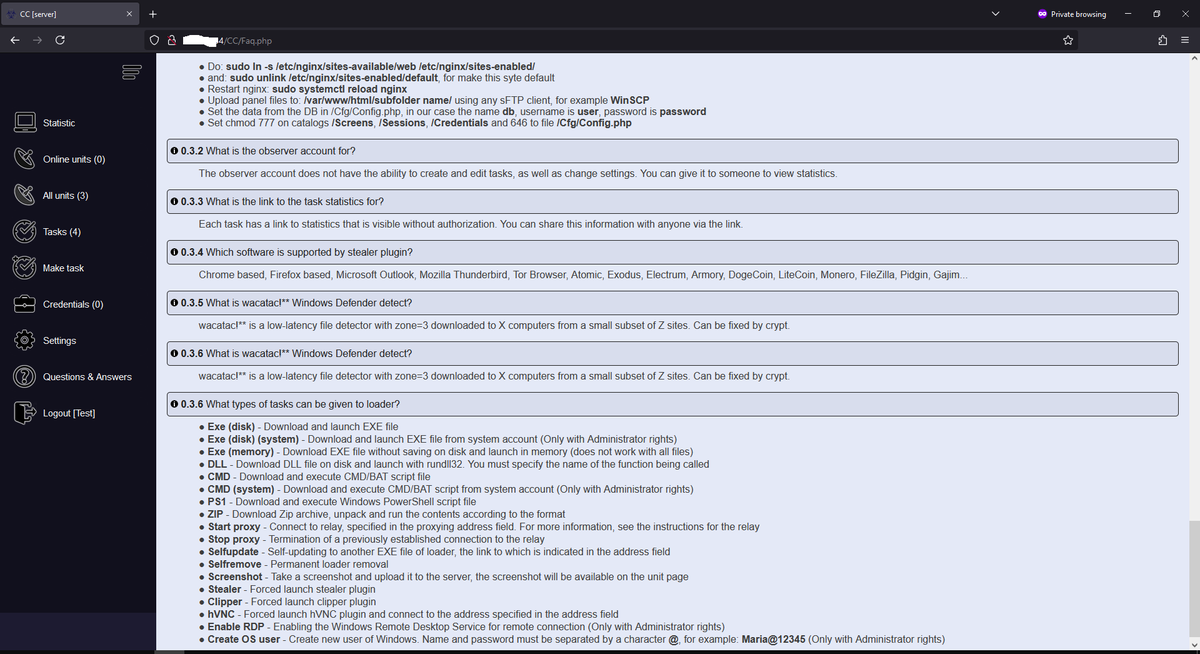
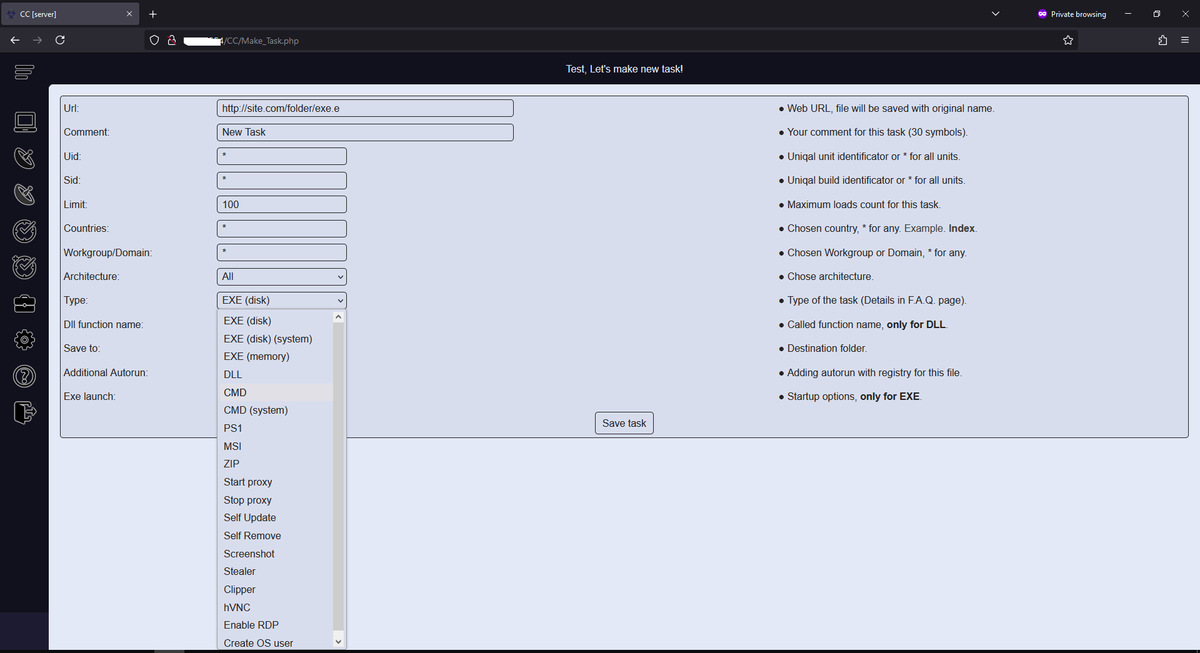
InCrease, developer of #Amadey loader, has decided to share with me some exclusive footage of the upcoming v5 Amadey panel with the new "features, stats and FAQ".
These are currently available to few Amadey beta-testers, release is scheduled to 6th anniversary on October 2024.
Looking up the samples from @TheDFIRReport's latest threat actor analysis, which heavily utilized Windows batch files, might give you a false sense of security if your AV detects them. Don’t be fooled. These scripts are flagged because they’re now known threats. When they were first uploaded months or years ago, they flew under the radar.
https://t.co/f09Ghk91yn
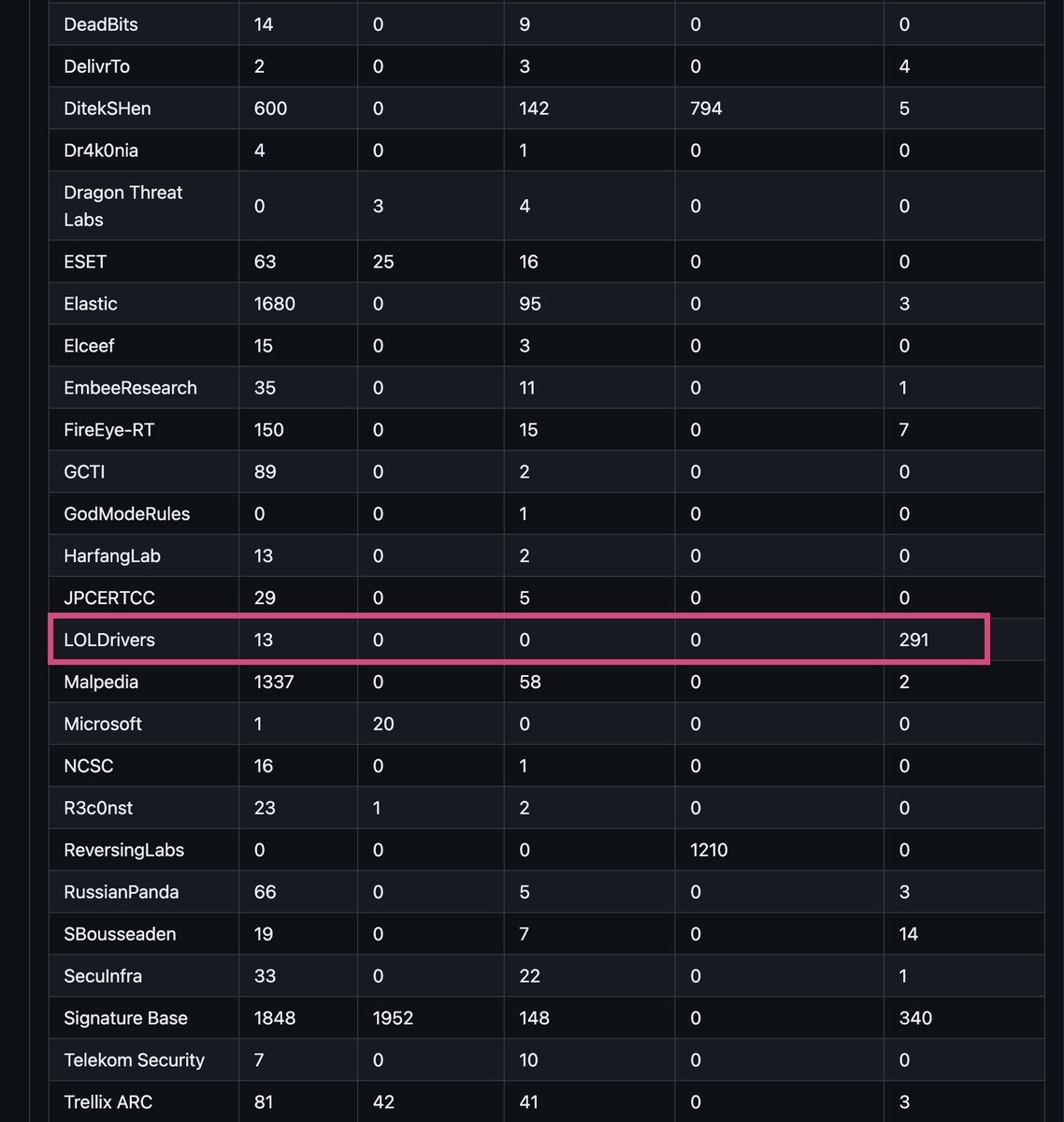
I integrated the #YARA rules we auto-generate from drivers in @M_haggis@_josehelps@nas_bench LOLDrivers project into YARA Forge
- malicious drivers in "core" and "extended" set
- vulnerable drivers in "full" set
https://t.co/ruVg6bSSMO
https://t.co/HSyir9yefb