When a receptor becomes its own evil twin. New work from the recent Dr. Alex White
Dominant-negative KAI2d paralogs putatively attenuate strigolactone responses in root parasitic plants https://t.co/SIHgtrKLSY
How do karrikins and strigolactones control plant growth? A beautiful structure-function analysis by graduate student @SunhyunChang reveals a major regulatory domain that specifies the development “outputs” of SMXL proteins
https://t.co/VYznFPGihi
🎉check out our latest exciting collaborative study published @ScienceMagazine with Dudareva group (Purdue U with @ShabekLab@ucdavisbiology funded by @NSF): communication in plants relies on a KAI2-mediated signaling pathway https://t.co/BYayQIsbVS
Our latest work from Dr. Qingtian Li @Qingtia95731962
We find that degradation-resistant SMXL proteins attenuate strigolactone signaling by interfering with targeting of other members of the SMXL family by D14-MAX2.
https://t.co/vA7tq8kyui
Proud of the fantastic work of PhD student Changsheng Li and collaboration with great international team of scientists, here it is: Maize resistance to witchweed through changes in strigolactone biosynthesis https://t.co/aD6RqWK6X9
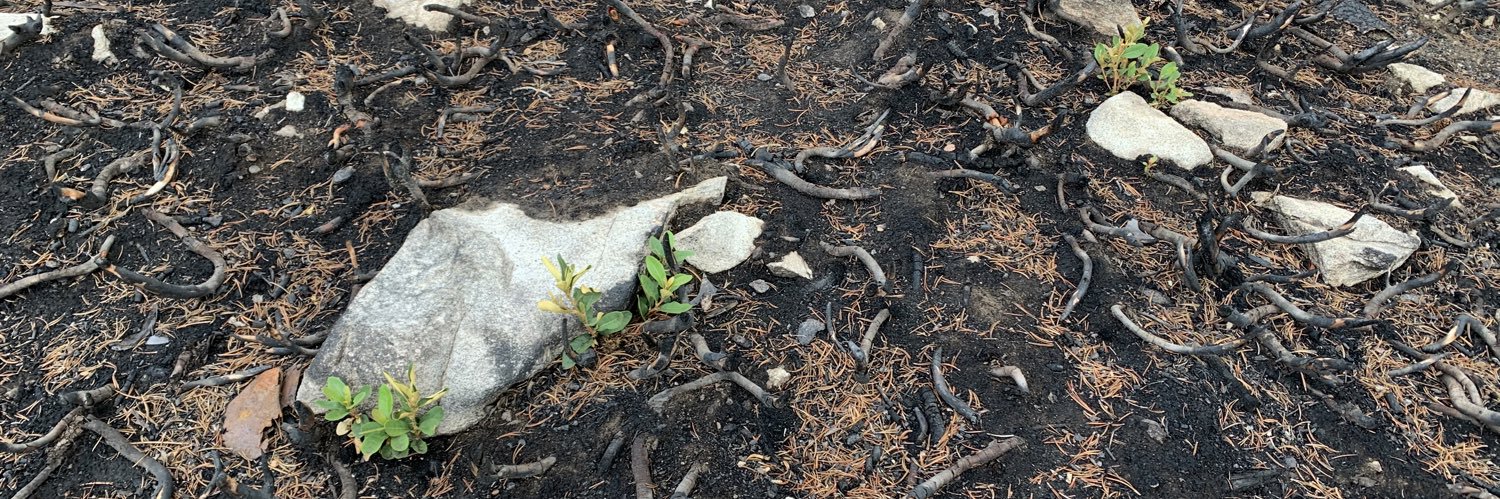
Pretty proud of this review that @watersmt and I wrote on karrikin signaling and the (still) mysterious KAI2 ligand. 18 years after the discovery of karrikins in smoke, this field has come a long way!
Final version is out now https://t.co/C96pMo2cmf
Teaching a freshmen seminar this quarter and I want to talk about bad genetics portrayals in movies and why they’re inaccurate. What are your favorites?
@BazzleBradley @SweigartAndrea Gattaca is definitely in, but the science is pretty plausible (and the social ramifications) so it will go against the theme a bit.
It also has that perfect tag line: “There is no gene for the human spirit.” I suspect this is correct. It’s polygenic.