NICHE-2 | 5-year results
Just 2 doses of neoadjuvant nivo + 1 dose of ipi, followed by surgery...
Not a single recurrence after nearly 5 years of follow-up, and 5-year OS was 100%!
What more could we ask for?
I'm truly at a loss for words👏
https://t.co/dmnH26oA2L
للمهتمين بالبحث العلمي:
هذه من أفضل الأوراق العلمية التي قرأتها لتعلّم كيفية إجراء وكتابة مراجعة منهجية وتحليل تلوي (Systematic Review & Meta-analysis) في 24 خطوة. أنصح بها بشدة. 👇
Could obesity be quietly aging our brains and increasing our risk of dementia? Obesity refers to excess body fat that can negatively affect health, including brain health. Cali McEntee, Eva Feldman and colleagues describe in a new review in Nature Reviews Neurology how obesity may affect memory, thinking and the biological pathways involved in dementia.
Key points:
- Midlife obesity is associated w/ cognitive decline and an increased risk of dementia, even when weight decreases later in life.
- Obesity may affect the hippocampus and prefrontal cortex, brain regions essential for memory, attention and decision-making, through inflammation, insulin resistance and vascular dysfunction.
- Exercise, healthier nutrition, weight-loss surgery and newer weight-management medications offer potential opportunities to improve metabolic health and possibly protect cognition, although more definitive trials are needed.
My take: What resonates w/ me is that obesity is not simply a number on a scale. It is a biological condition that can influence how our brains function and age. The brain and body are not separate universes. Inflammation, blood vessel health, insulin signaling and metabolism all matter. Perhaps most importantly, the timing of obesity matters. Carrying excess weight in midlife may have consequences that are not completely reversed by losing weight decades later.
Here are 5 points that resonated w/ me:
1- Midlife may represent an important window of opportunity for protecting long-term brain health.
2- Where fat accumulates may matter as much as how much we weigh, particularly when it collects around the abdomen.
3- Obesity can create a vicious cycle in which inflammation disrupts the brain circuits controlling appetite, potentially promoting further weight gain.
4- Exercise, nutrition and appropriate medical treatment should be viewed as investments in brain health, not simply strategies for changing appearance or body weight.
5- We still need randomized trials to establish whether treating obesity actually prevents dementia, but the opportunity to improve metabolic and vascular health is already in front of us.
https://t.co/rkzpiV2zWu
In the 4-year results of NEONIPIGA, neoadjuvant nivo + ipi achieved a 59% pCR rate and 83.5% EFS in localized dMMR/MSI-H gastric cancer.
The key questions are: Is adjuvant treatment necessary? Is gastrectomy necessary? And most importantly, if we adopt an organ-preserving approach, is any further treatment needed at all?
https://t.co/4HK3rAiMUL
In this retrospective study of patients treated with elacestrant, those harboring ESR1 L536 mutations had a shorter time on treatment compared with patients carrying other ESR1 variants. Similarly, patients with multiple ESR1 mutations had a shorter treatment duration than those with a single mutation.
https://t.co/deYpcwbiLU
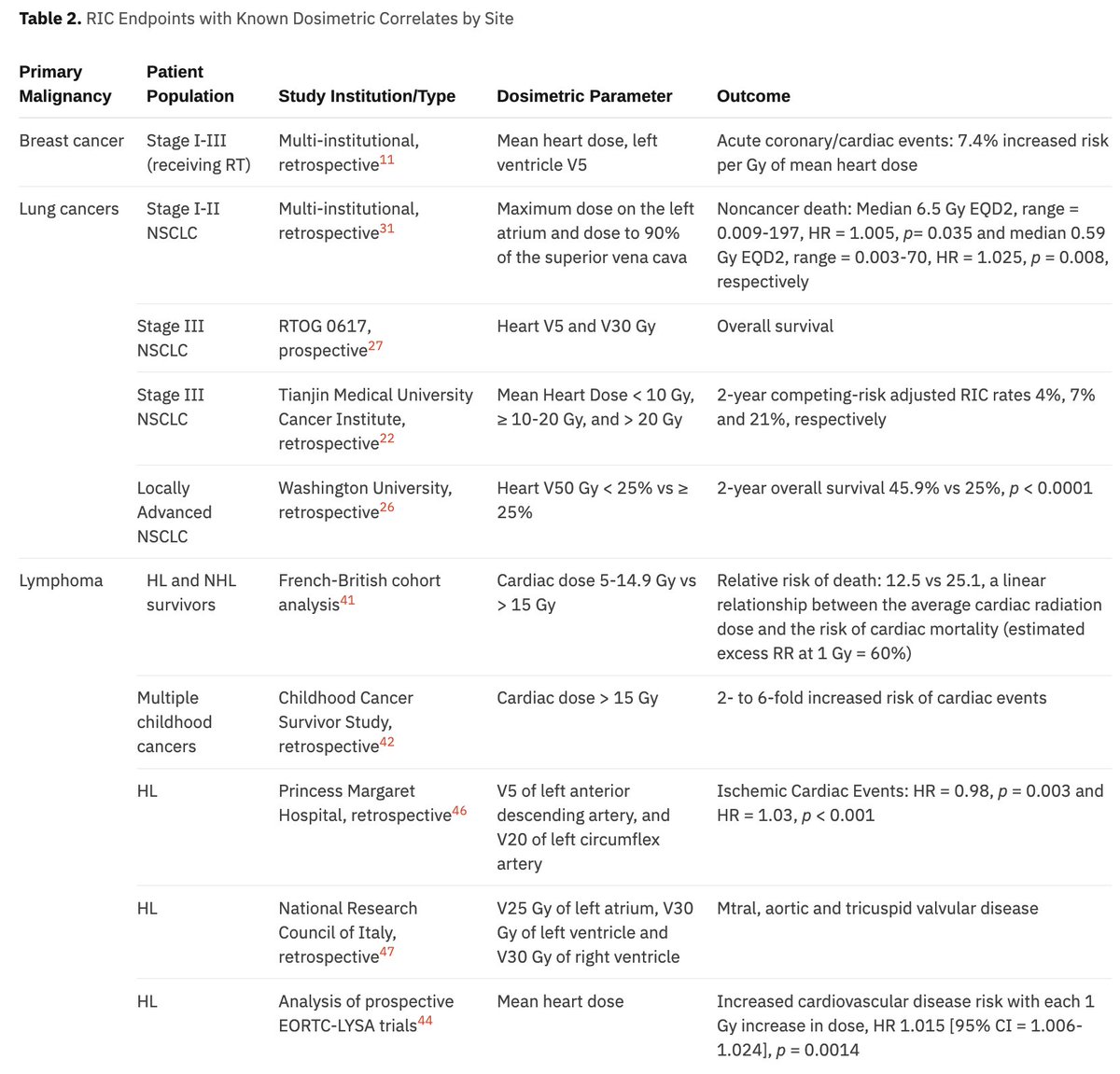
Cardiotoxicity and Radiation Therapy: A Review of Clinical Impact in Breast and Thoracic Malignancies
Read more 🔗 https://t.co/ReBIxJEAsV
Cardiotoxicity can be an unfortunate side effect from cancer therapies including chemotherapy, hormonal therapy, and radiation therapy (RT). Subacute cardiotoxicity can occur during systemic therapies but is often considered a late effect from RT.
#BreastCancerAwarenessMonth #BreastCancerAwareness #BreastCancer #RadOnc #RadOncEd
⭐️Nivolumab in patients with advanced solid tumors with ctDNA-defined high blood tumor mutational burden: a phase II trial - ESMO Open https://t.co/pOFYPPcsIS
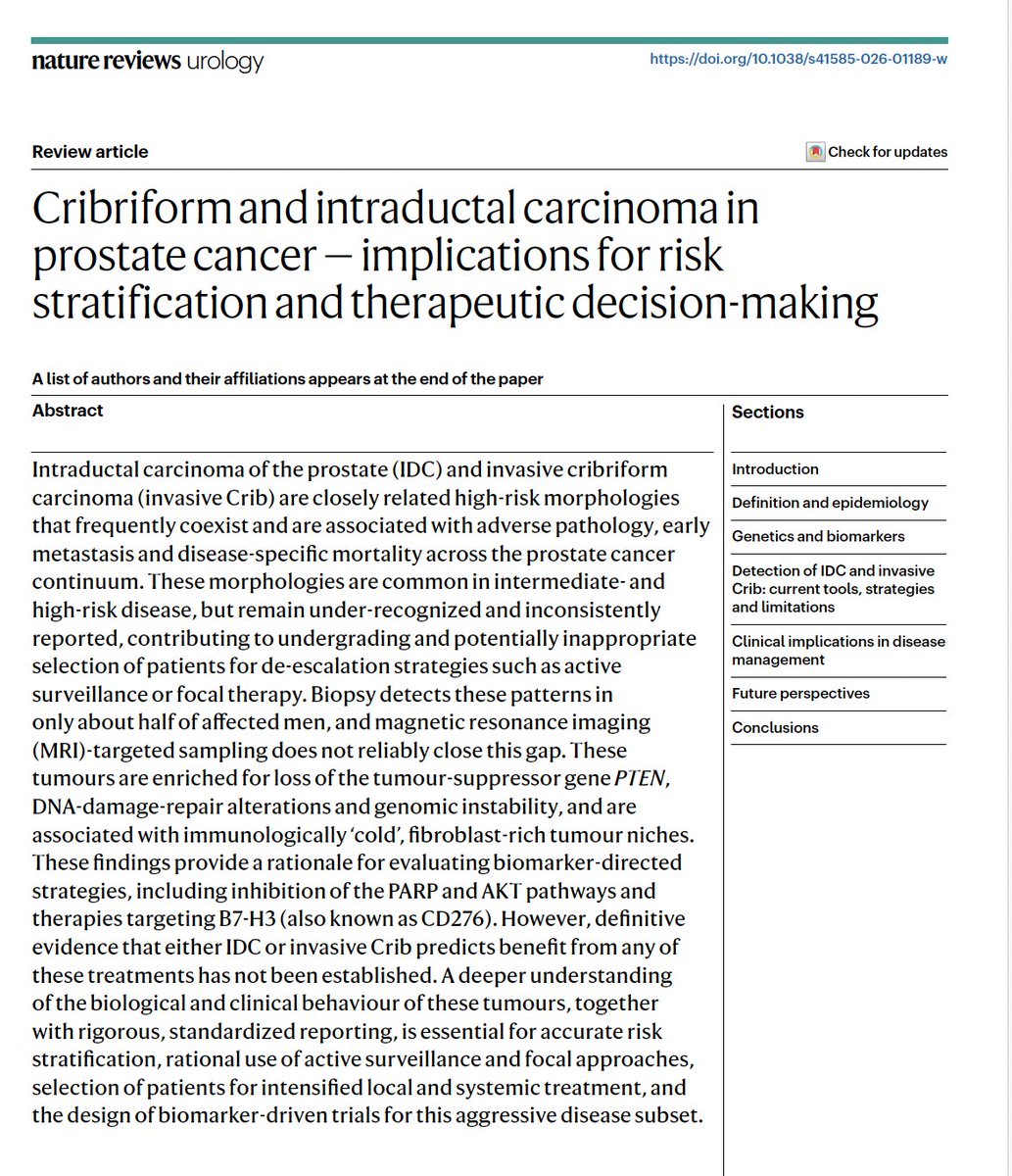
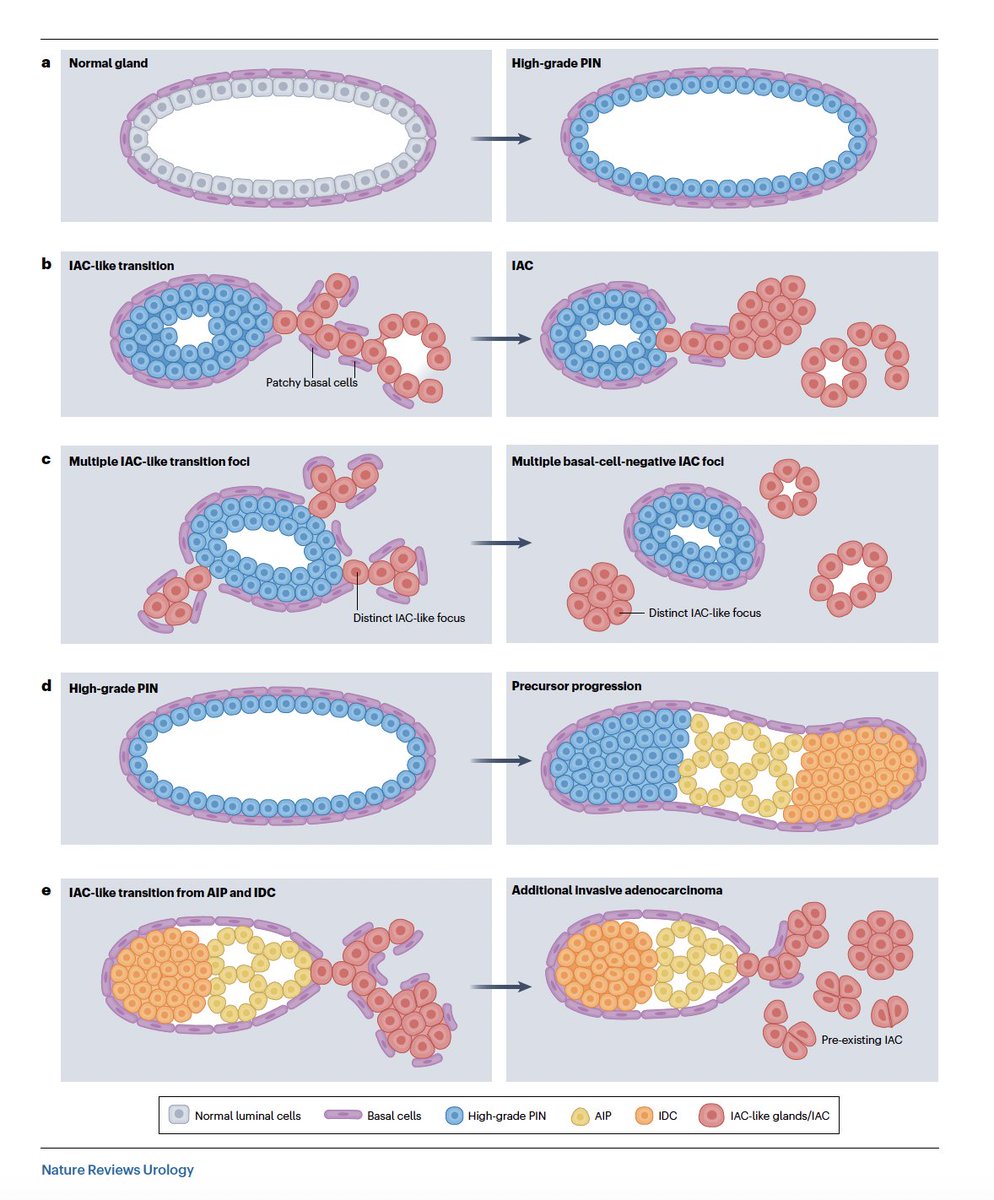
🚨 New review in @NatRevUrol 🚨
🔬Cribriform & intraductal carcinoma (IDC) of the prostate: the high-risk histology
@ruimmbernardino
🧬 IDC + invasive cribriform independently predict adverse path, mets & PCa death,
🔎 Biopsy catches them in only ~half of men who harbor them, and MRI targeting doesn't close the gap
📈 Prevalence climbs w/ risk: ~2% in low-risk to >50% in metastatic/recurrent
🧪 Enriched for PTEN loss, DDR alterations, genomic instability & an immune-cold, fibroblast-rich niche
🎯 Bottom line: It should be reported and more is to come on how it should factor into decision making
🔗 https://t.co/8v3V4jc4YY
@AmerUrological@UroOnc@urotoday@UrologyTimes@PCF_Science
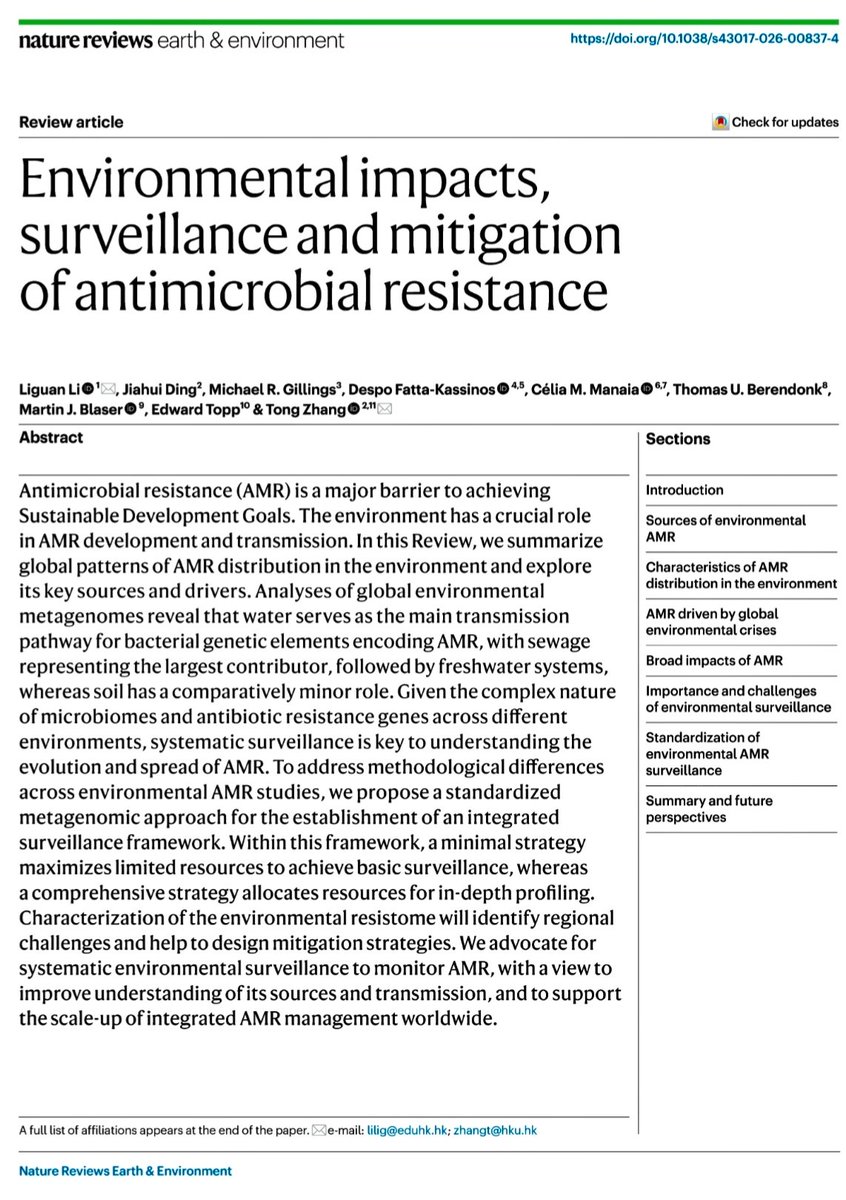
🚨🦠 La resistencia a los antimicrobianos (RAM) tiene una auténtica «superautopista» ambiental 🌍💧
🔬 Nature Reviews Earth & Environment analiza cómo se propagan los genes de resistencia por el medio ambiente. 🌱🧬
🔍 Hallazgos clave:
💧🚰 Aguas residuales: principal contribuyente a la propagación ambiental de elementos genéticos de resistencia bacteriana.
🌊🏞️ Agua dulce: ocupa el segundo lugar entre las principales vías identificadas.
🌱🌾 Suelos: presentan una contribución comparativamente menor.
🧬🔬📊 Vigilancia metagenómica: los autores proponen un marco estandarizado con estrategias mínimas y exhaustivas para estudiar el resistoma ambiental y optimizar recursos. 🌐📈
📖🔗 Artículo: 👇🏻
https://t.co/GjxtuSLfKT
#ResistenciaAntimicrobiana #RAM #OneHealth #Metagenomica #Microbiologia #SaludGlobal #EcologiaMicrobiana #CienciaAmbiental
@SEMicrobiologia@SEIMC_
I miss working with you. @Papa_Heme That patient, with liver and brain mets, hospice bound, is alive in CR 11 years later. And PDL1 amp is also tumor agnostic per our paper
✅ Reciente publicación en The Lancet para recordar algo que es el Karma de los infectologos: la orina NO es estéril 🆘
Incluso destacan como el urobioma mantiene a raya a bacterias que de otra forma si serían patogenas. El Dx de ITU requiere SIEMPRE un contexto adecuado.
Pembrolizumab plus gemcitabine and cisplatin for advanced biliary tract cancer: longer-term follow-up from the randomised, double-blind, placebo-controlled, phase 3 KEYNOTE-966 trial
https://t.co/paNeuRvhrZ
Metabolic immune checkpoints (MICs) in cancer: from molecular mechanisms to challenges and opportunities in clinical translation
https://t.co/EDoBJlHNVx
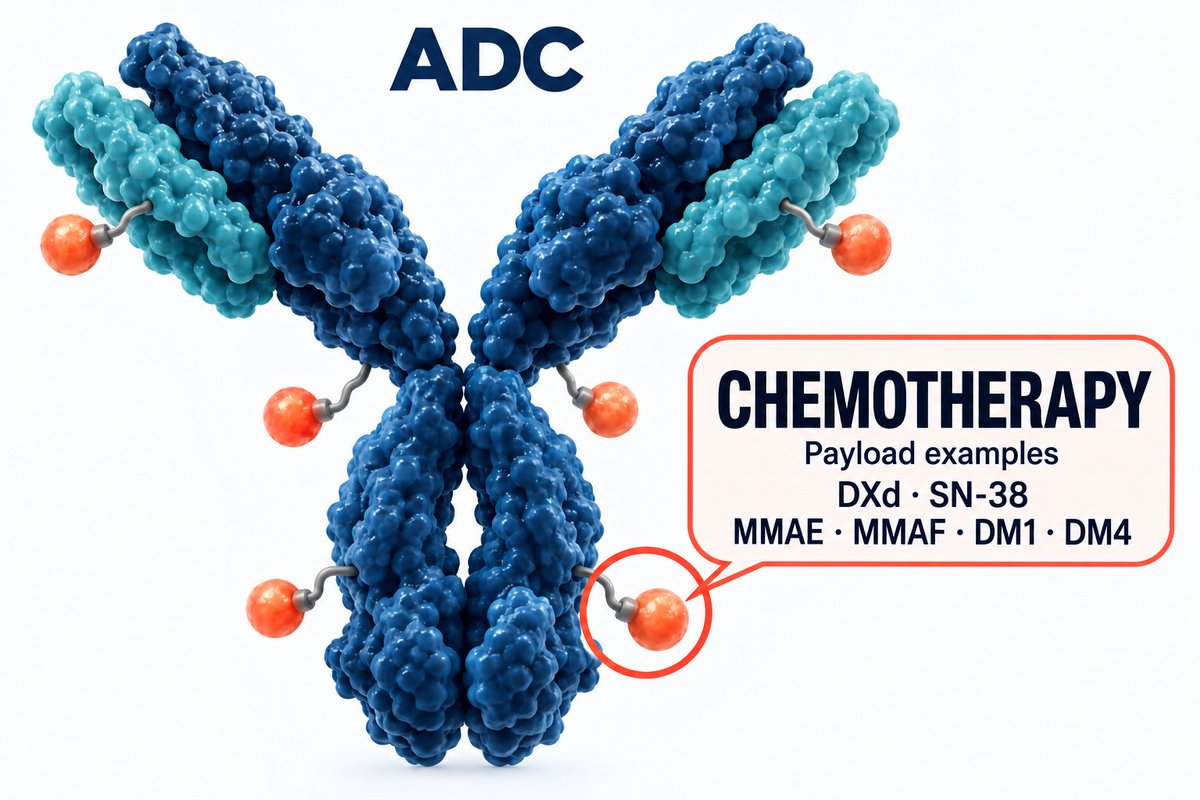
(One of the BEST ADCs review articles!) Antibody–Drug Conjugates (ADCs): current and future biopharmaceuticals
J Hematol Oncol. 2025 Apr 30;18:51 https://t.co/XLW59uVLfA
This is already well known, but a reminder, as ADCs are still being presented on some platforms as “chemo-free treatment options”: ADCs are not chemo-free options!
Topo I inhibitors, microtubule inhibitors, etc., are cytotoxic agents—in other words, chemotherapy in the conventional sense!
Among patients with #GastricCancer and positive peritoneal lavage cytology or localized peritoneal metastasis, #chemotherapy plus #gastrectomy was associated with better survival than gastrectomy alone or chemotherapy alone.
https://t.co/t3PWUx62QI