The 3 major record labels are suing AI music companies Suno and Udio. Here are the two lawsuits in full.
- They accuse Suno & Udio of “willful copyright infringement on an almost unimaginable scale”
- They provide evidence that both companies trained on their music, including outputs that closely resemble their recordings (ABBA, Michael Jackson, Green Day, James Brown, & many more)
- They outline why this is not fair use
- They say this “wholesale theft of… copyrighted recordings threatens the entire music ecosystem and the numerous people it employs”
- They include unknown co-defendants who assisted in copying/scraping
- They demand a jury trial
If you do one thing today, read the full complaints.
🧵 of some of the outputs 👇
Suno: https://t.co/V2rZju4BeK
Udio: https://t.co/RiXFsP1qIQ
How Coinbase Might Bring 1 Billion People Onchain Using Its Smart Wallet
On @Unchained_pod, @LukeYoungblood talks about the 🔥 new Coinbase smart wallet:
🛠️ How smart wallets differ from traditional wallets
💸 How @coinbase is subsidizing gas fees to onboard users
🌍 Why @MoonwellDeFi focuses on emerging markets
👀 Coinbase’s Magic Spend feature for seamless transactions
Timestamps:
01:40 How smart wallets differ from traditional wallets and embedded wallets
04:06 Why Luke is excited to be working with Coinbase smart wallet
06:33 What happens if the user loses the device linked to their smart wallet
08:12 How hard it would be for a hacker to try to get access to the assets in this smart wallet
09:36 How Coinbase is initially paying for user gas fees on dapps like Moonwell and other launch partners
12:02 How Coinbase’s Magic Stand feature enables users to transact onchain straight from their Coinbase accounts
14:24 How Coinbase might keep paying gas fees for some dapps even after the initial launch period
16:38 Why the smart wallet is also accessible via the web, and not just through an app
19:50 Why Moonwell has focused on lending and borrowing
18:03 Why Moonwell chose to build on Base as opposed to, say, Solana
21:24 Moonwell’s plans to grow
23:00 How having access to Coinbase’s user base changes Moonwell’s strategy for attracting users
Curious how Coinbase’s new smart wallet works? I was too.
Here’s an overview of how it’s possible to create and use a crypto wallet through Touch ID without ever needing a chrome extension.
1. The secret sauce
Here's a demo video of a smart wallet in action: https://t.co/RTlEkefw7r.
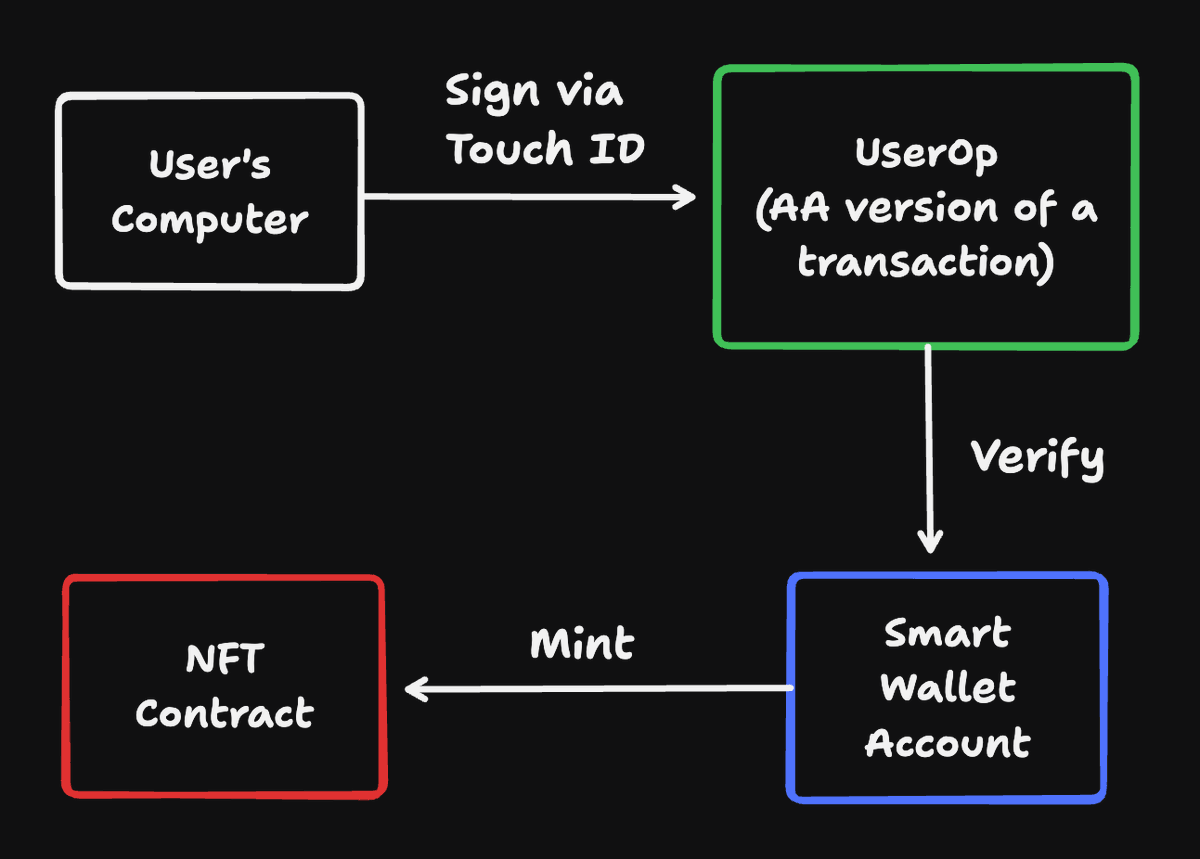
There are a couple things happening here. First a wallet is created through Touch ID, then a transaction is signed via Touch ID, and finally the transaction is fully paid for by Base.
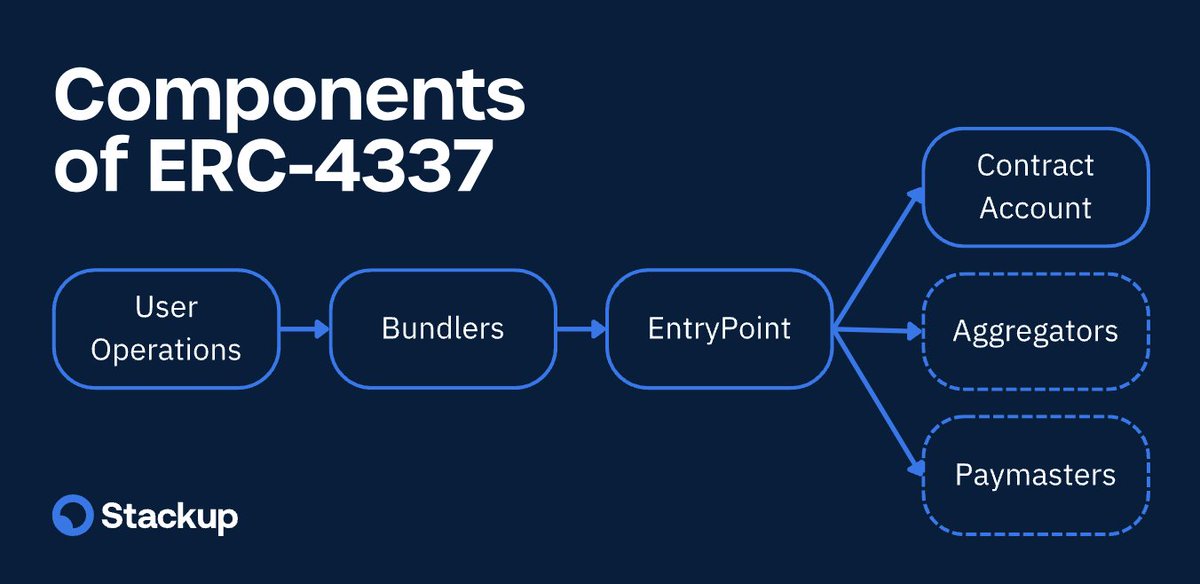
All of this is made possible by Account Abstraction (AA) aka ERC4337.
2. Passkeys
Before we talk about AA, it’s important to understand what passkeys are. Passkeys are a form of authentication that rely on public/private key cryptography rather than traditional passwords. With passkeys, private keys are stored privately on user devices while public keys can be shared with apps. Touch ID / Face ID can be used to prevent unauthorized use of a passkey.
3. Wallet Creation
The first step in the flow above is to create a wallet. This wallet is a “smart wallet” - it’s a smart contract deployed on Base rather than your typical EOA. Smart wallets are perhaps the greatest unlock of AA.
This particular smart wallet contains code that allows for multiple owners, including ones that are passkey-based. Within the AA flow, a smart wallet is created if it doesn’t already exist.
4. Touch ID Signing
Once the wallet exists, the mint transaction can be signed and executed. To accomplish this, the website will prompt the user to sign a user op (think of it as an AA tx). The user first needs to verify they control the passkey (through Touch ID, Face ID, etc) before they can sign the user op. After that, the user op and signature are verified by the smart wallet code and then executed.
5. Free Transactions
You’ll notice that the price paid by the user in the demo is 0. This is because AA adds a paymaster service that can be used to sponsor transactions. In this particular case, Base has a paymaster setup to pay for smart wallet mints. Other applications can use paymaster sponsorships as a way to easily onboard users with needing them to have ETH in their wallets.
6. Conclusion
All the magic here is made possible by Account Abstraction. While AA has been out for a while, Coinbase’s smart wallet is one of the first to leverage account ownership via passkeys. In the future, it’ll also be possible to control wallets through traditional Web2 signin flows like Google SSO.
BlackRock is ensuring that Real World Assets could be the year's biggest crypto narrative
This is what's getting tokenized + the standout projects to keep an eye on 👇
Are real-world assets crypto’s next frontier?
Real World Assets (RWAs) are the talk of the town. Big names like @BlackRock are getting into RWAs, @tether is rolling out its own platform, and the numbers are impressive too – RWA tokens reached a record market cap of $2.7 billion in February.
With so many major catalysts, the RWA narrative is expected to take center stage in the second half of 2024.
Today’s story gives a rundown of the RWA landscape, highlighting the different types of real world assets being tokenized and the standout projects to keep an eye on.
Let’s dive in! 👇
What's Next for RWAs?
RWAs are one of the fastest-growing sectors in crypto. Many see them as a way to tap into the world's trillions in assets, fueling the growth of the entire industry.
Larry Fink, the CEO of BlackRock, has called RWAs "the next generation for markets”. @BCG predicts that by 2030, turning these assets into tokens could unlock a $16 trillion opportunity.
However, until now, only one asset has been successfully tokenized and fully integrated into the crypto ecosystem: fiat currency in the form of stablecoins.
Stablecoins are the first, the largest, and the most established RWA. They’ve found product market fit in crypto, see strong demand for different services, and are a fundamental part of every crypto ecosystem.
But what's beyond stablecoins in the RWA space?
In recent years, we've seen a growing trend of various real-world assets being tokenized and brought onchain. Let's check out some of the most popular types.
Commodities, Equities & Funds
Commodities like gold, silver, and crude oil are commonly traded on various exchanges around the world. These natural resources can be tokenized to represent a stake in the actual commodity, much like stablecoins do for fiat currency.
So far, precious metals, especially gold, have gained the most traction in crypto as RWAs. Tokens like PAX Gold (PAXG) and Tether Gold (XAUT) are leading the charge, with gold-backed RWAs comprising 83% of the commodity token market cap, as reported by @coingecko.
This dominance of gold indicates just how nascent the RWA sector is. However, several projects are experimenting with different commodities. For instance, the @Uranium3o8 project has introduced a token pegged to the price of a pound of U3O8 uranium compound 👀
As the RWA tokenization space matures, we might see tokens for other commodities like crude oil and even crops like corn. The thesis is that more global trading will shift onto the blockchain in the future.
Similar to commodities, stocks, and mutual funds can also be tokenized. These assets are mainstays in the traditional finance market, but their adoption in crypto has been slow, largely due to regulatory hurdles.
Complying with laws across jurisdictions is tough, with many projects needing licenses and facing restrictions, like excluding users from certain countries or meeting strict KYC and AML criteria.
Despite these challenges, some projects like @SwarmMarkets and @BackedFi have navigated the regulatory maze, allowing onchain trading of global stocks and funds, like $COIN and $NVDA from the U.S. markets, and index funds like the Core S&P 500, among others.
Treasuries
Treasuries refer to tokenized government debt instruments. Traditionally, these instruments are secure, yield-generating assets as they are issued by governments.
Following the COVID-19 pandemic, treasury rates, which were historically low, saw a rise as the Federal Reserve adjusted its monetary policy to the shifting economy. By October 2023, short-term treasury yields had climbed from near zero to approximately 5.4%.
This uptick in rates spurred the launch of projects tokenizing U.S. treasuries, with some notable examples being:
Franklin Templeton — @FTI_US launched the Franklin OnChain U.S. Government Money Fund (FOBXX) in 2021, the first U.S.-registered fund on a public blockchain. It offers a 5.11% yield and has a $365 million market cap, ranking it among the largest onchain treasury products.
BlackRock — launched the BlackRock USD Institutional Digital Liquidity Fund ($BUIDL) in March 2024 on Ethereum. It currently leads the onchain treasury fund market with over $375 million in assets under management.
Ondo — @OndoFinance launched the Ondo Short-Term U.S. Government Treasuries (OUSG), which provides access to short-term U.S. Treasuries with a 4.68% yield and a market cap around $140 million. A significant portion of OUSG is invested in BlackRock's BUIDL. Ondo also offers the USDY yield-bearing stablecoin, with a market cap exceeding $120 million.
This category has seen substantial growth as treasury yields have become more appealing with rising interest rates. Other notable projects in this space include @superstatefunds, @maplefinance, Backed, @OpenEden_Labs, and more.
Onchain Private Credit
Private credit involves lending by financial institutions to businesses through debt instruments, essentially loans.
In the context of the RWA sector in crypto, these loans are tokenized through credit protocols, allowing lenders to extend capital to these institutions in exchange for yield.
In traditional finance, private credit is a massive $1.6 trillion market, and it's slowly carving out a significant niche in crypto.
Crypto credit protocols have already tokenized over $4.4 billion in loans, with more than $600 million currently loaned out to real-world businesses, generating returns for onchain lenders.
For onchain investors, private credit presents an attractive proposition due to its higher yield potential. For example, lending stablecoins through a protocol like @centrifuge can yield an average APY of 8.7%, surpassing the 4-5% APY typically found on platforms like AAVE, though it comes with increased risk.
Key players in the private credit space include:
- Centrifuge
- Maple
- @goldfinch_fi
- @Credix_finance
- @TrueFiDAO
- @homecoinfinance
- @ribbonfinance
Real Estate
The real estate category within RWA focuses on tokenizing physical properties like residential houses, land, commercial buildings, and infrastructure projects.
Real estate stands as the world's biggest asset class. But traditionally, real estate investment requires significant capital due to the high cost of properties. Making real estate tradable onchain by tokenization introduces a novel investment paradigm, enhancing accessibility, enabling fractional ownership, and potentially increasing liquidity.
Nonetheless, real estate's inherent illiquidity has tempered the pace of its onchain adoption. The protracted nature of real estate transactions and the small buyer pool make it challenging to align sellers with buyers onchain, especially given how the sector has operated on legacy systems traditionally.
Projects like @RealTPlatform are striving to inject liquidity into the market by simplifying property fractionalization, thus allowing sellers to easily divide their assets and enabling buyers to acquire tokenized shares.
Additionally, platforms like @Parcl allow for speculation on the value of real estate across various locations, such as different U.S. cities, through their onchain trading mechanisms.
All these initiatives will make the real estate market more liquid in the long term.
Closing Thoughts
The concept of RWAs promises to bring a new level of global access and liquidity to traditional assets like real estate, commodities, and debt. Should the bold predictions for RWAs materialize, the tokenization of these assets may well redefine how the world trades these assets and in turn, bring more people onchain.
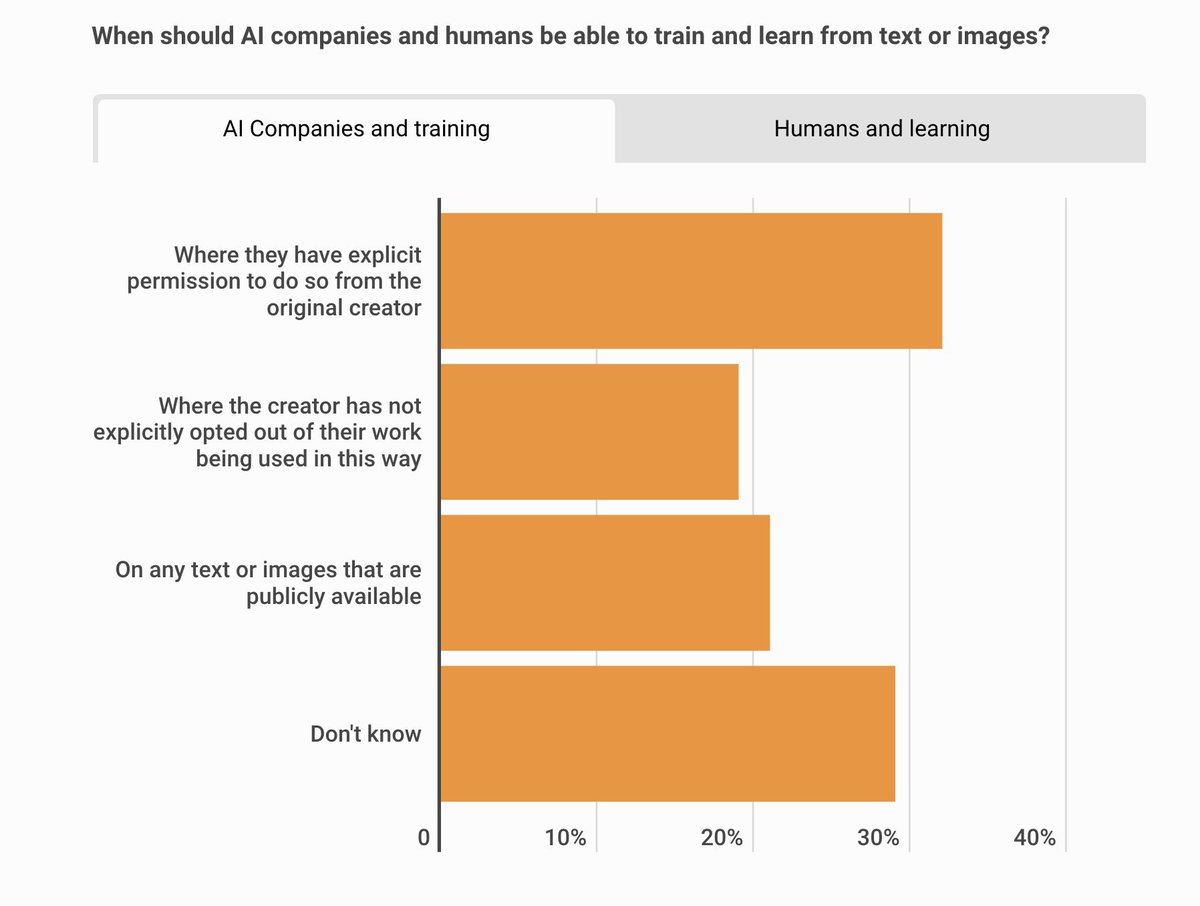
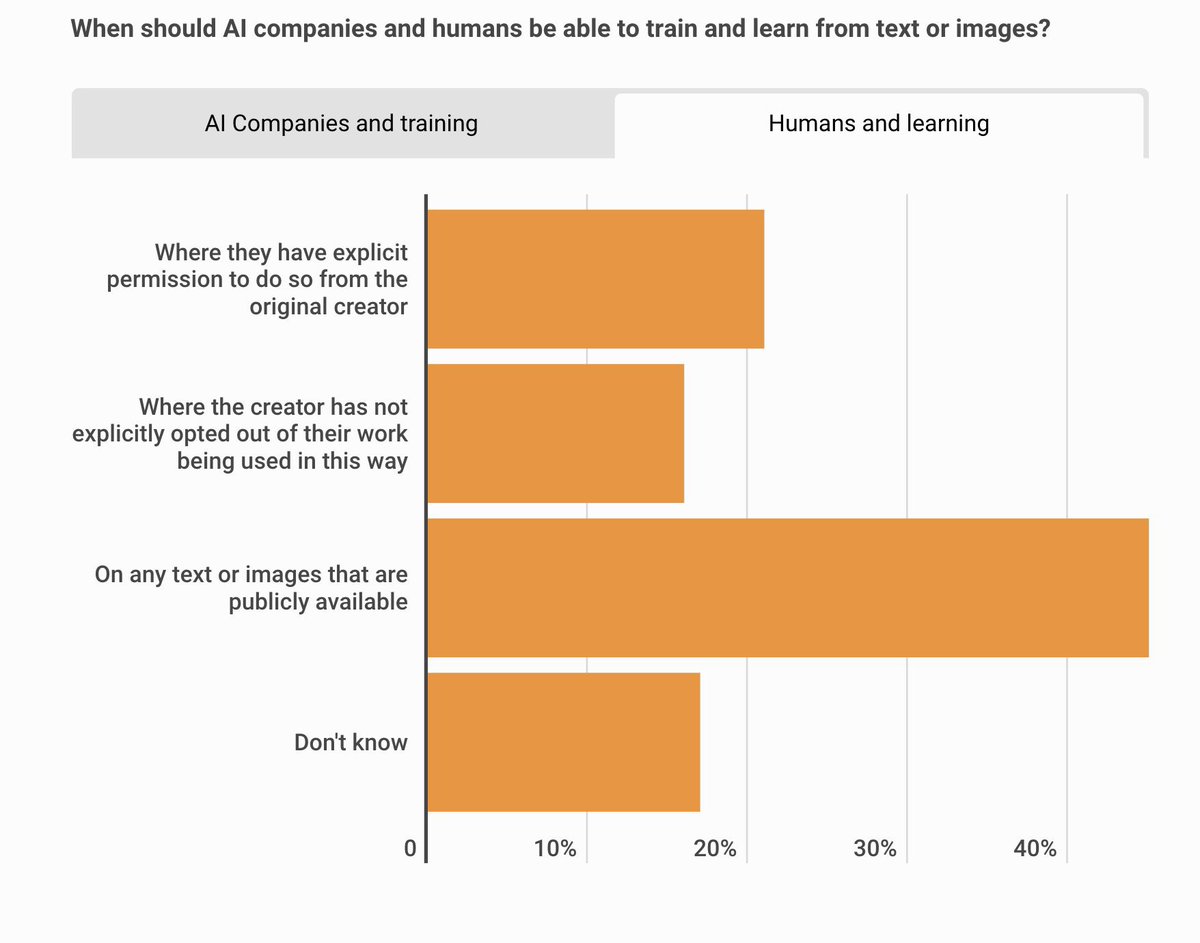
A reminder that the general public don’t buy the argument that, just because humans can learn from publicly available work, AI models should be able to.
In the largest public poll on this question I’ve seen (2,052 people in the US), when people were asked how AI companies should be able to train models, ‘on any text or images that are publicly available’ was almost the least popular answer. But it was by far the most popular answer when people were asked how humans should be able to learn.
Source: https://t.co/ln7POqQeH6
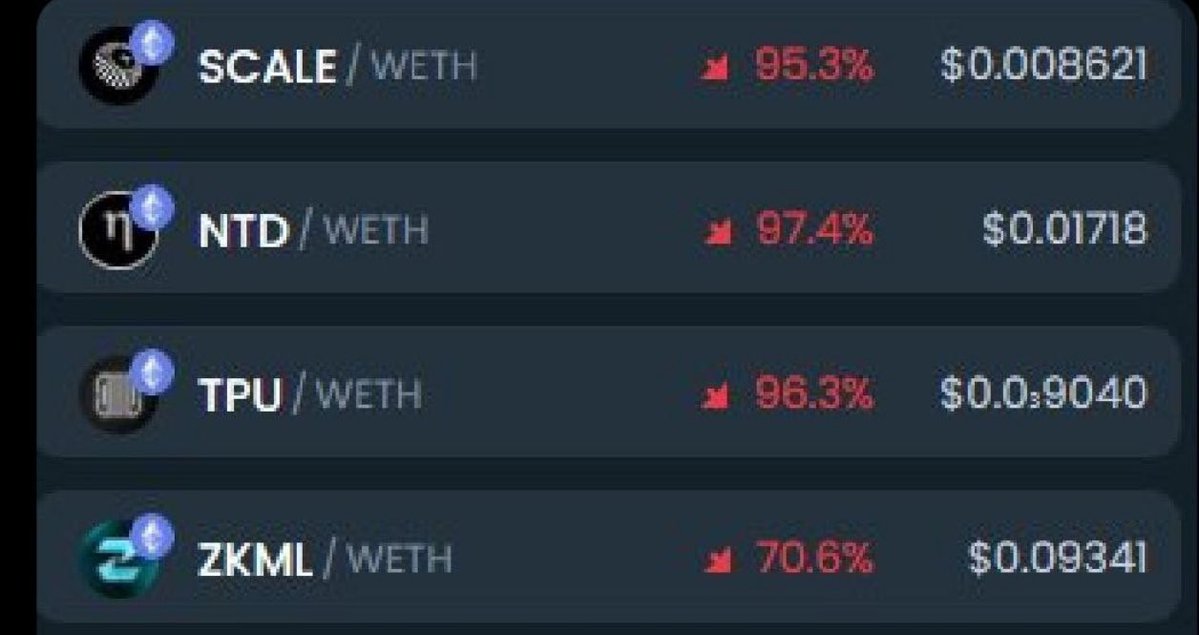
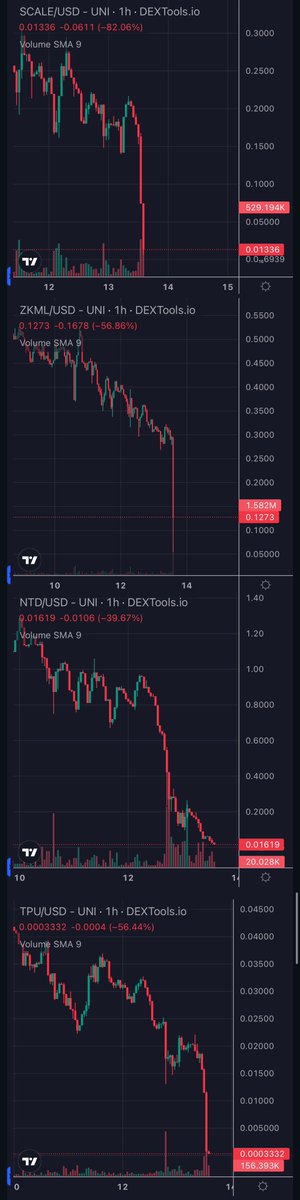
Unfollow and block all of the influencers who were shilling you any of these vaporware projects to you as the next bluechip (@CryptoGodJohn, @TheCryptoKazi, @crypto_TomTom, @cryptostasher, etc)
$scale - ScaliaInfra (-95.3% 24hrs)
$tpu - TensorSpace_Ai (-96.3% 24 hrs)
$ntd - NTensorDynamics (-97.4% 24hrs)
$zkml - ZKMLsystems (-70.6% 24hrs)
The same influencers will continue shilling garbage to you throughout the cycle.
Generative AI products usually collect ratings and feedback on output from users (👍/👎 etc.). This is generally called preference data. They use it to improve their models, and it makes a big difference.
If their models are trained on copyrighted work without permission, this means they are generating valuable preference data via what many consider to be copyright infringement.
If you train a model on copyrighted work without permission, you shouldn’t be able to use *any* downstream data you get from this. As we regulate models that exploit copyrighted work, we need to ensure we don’t neglect downstream data (preference data, synthetic data) that is acquired via this exploitation.
Artistwashing: when you solicit positive comments about your generative AI model from a handful of creators, while training on people's work without permission/payment.
@chiefaioffice Best example yet that content, both professional and individual, has tangible value 💰
@sharetoCLICK empowers everyone to sell licenses to their personal content.
Do what you love
Own what you do
Right where you are
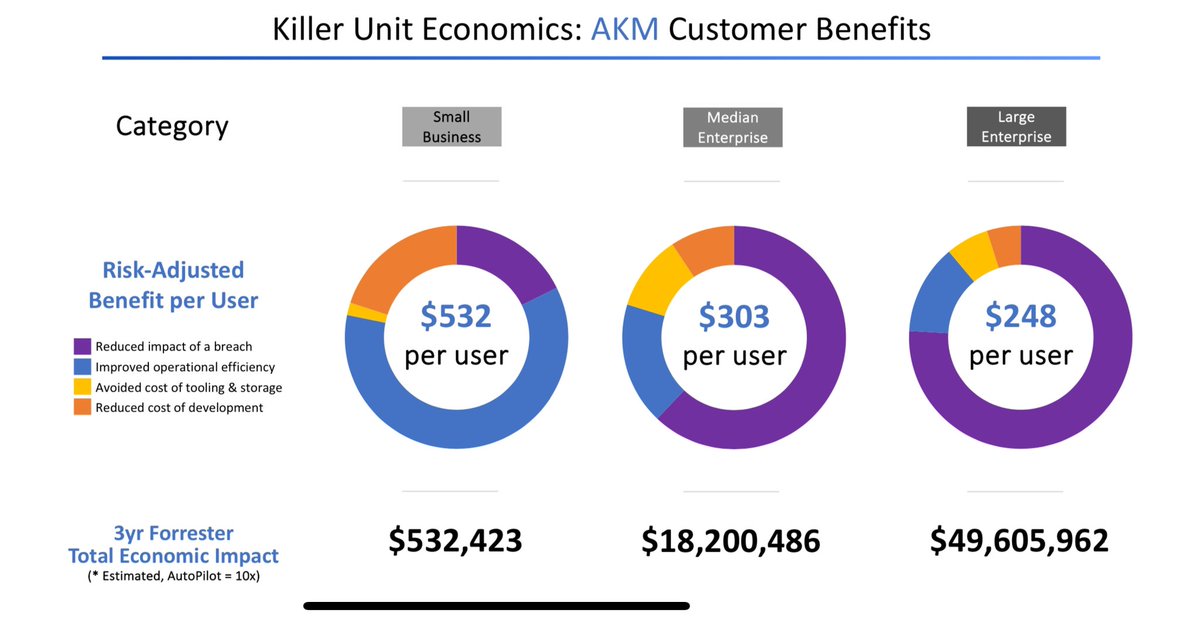
@UK_Daniel_Card Yes. But I’m feeling young again by creating the 21st century version of this that’s Post-PKI, via Autonomous Key Management (AKM).
Zero-knowledge symmetric cryptography for all. Already Post-Post-Quantum 😎
@LuizaJarovsky AI data value belongs to us all, not a few gate keepers. Governments are waking up to this inevitable future.
@sharetoCLICK is making it happen.
Based on https://t.co/ZCoeG7fl0f
I HATE that this is what our society has come to: people posting Ai-generated photos of artists/sculptors posing with their fake „creation“ to farm engagement.
This is so embarrassing and an insult to the actual artist community that has enriched our culture for centuries.
Hearing some folks claim important actions like Nightshade/Glaze and lawsuits are a waste, that the only solution is strikes is just odd to me. How can anyone expect to organize the coalitions required to make a strike impactful if you’re shitting on the good efforts of allies?
I think the bigger issue regarding the future of any chain is network effects, or a lack thereof. There are thousands of chains out there. Node operators will eventually give up if people don’t use them. You don’t want to own NFTs on a dead chain.
One of the two columns is AI generated, which one?
Answer in comments 👇🏻
AI is now capable of reproducing almost perfectly human handwriting.
This, again, shows the crucial need to accelerate the deployment of Blockchain technology for proof of humanity and digital signature.
@worldcoin #proofofhumanity #acceleration
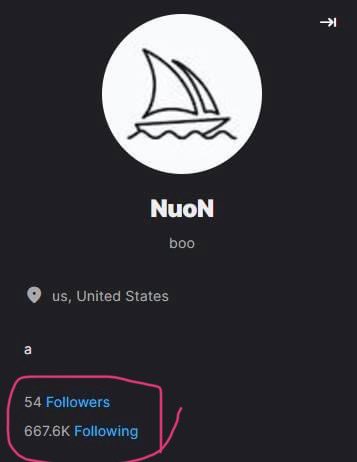
ARTISTS on ARTSTATION, block this user and GLAZE YOUR WORK. It’s an account with a MIDJOURNEY logo following hundreds of thousands of you in the last two days. Don’t forget the Midjourney Artist Database