Prime editing has continuously improved since @davidrliu's lab introduced it in 2019. 3 new studies from his lab advance prime editing systems, addressing key bottlenecks by increasing the efficiency and improving its potency when delivered into the body. https://t.co/r9qYb2eaXb
@ihteshamali AI can accelerate the process and make our efforts more efficient but only when it's trained on reliable data. If we truly care about curing diseases, we need to merge with AI to make that breakthrough.
RASolute 302 Phase 3 results were presented at #ASCO26: All primary and key secondary endpoints met for previously treated metastatic pancreatic cancer. Results published in @NEJM. https://t.co/S2kqk0bB4s
One of the most amazing things I’ve ever seen: a standing ovation for the full Daraxonrasib results
I feel inspired and energised, to put it mildly — we have a targeted therapy for pancreatic cancer now, and nothing is undruggable anymore
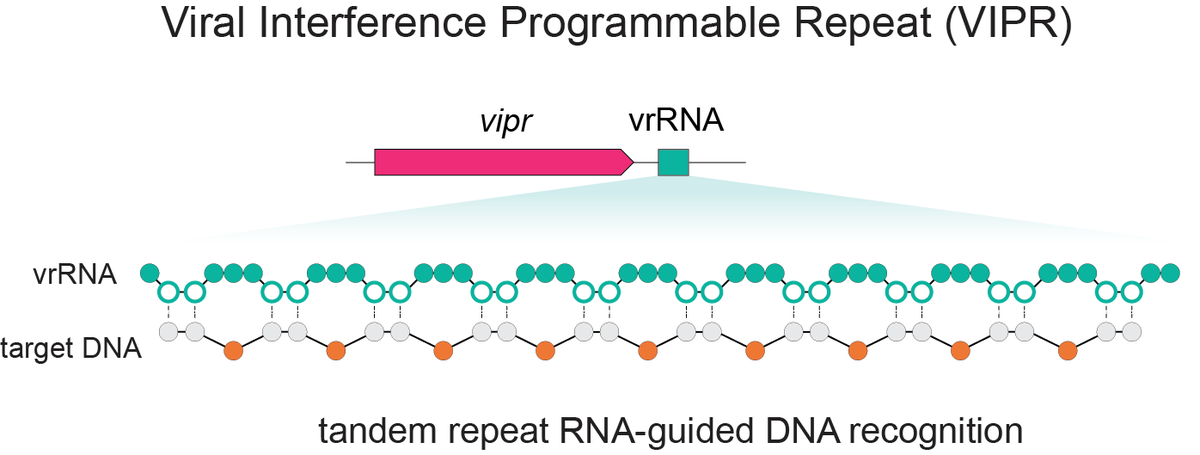
Excited to share our discovery of a new programmable RNA-guided DNA-targeting system hiding inside bacteriophages that predates CRISPR.
We call it VIPR (Viral Interference Programmable Repeat), and it uses an entirely new logic to find its targets.
Thread + link below.
Introducing TurboQuant: Our new compression algorithm that reduces LLM key-value cache memory by at least 6x and delivers up to 8x speedup, all with zero accuracy loss, redefining AI efficiency. Read the blog to learn how it achieves these results: https://t.co/CDSQ8HpZoc
@StateDept_NEA Nowruz Pirouz 🪻🌷🌹
May this Nowruz truly bring that triumph.
May light prevail where darkness still lingers.
May peace and human dignity reach all who long for them especially the people of Iran.
VEXAS syndrome is a newly discovered multisystemic disease affecting most organs.
A Review provides a comprehensive overview of VEXAS syndrome, including the disease's discovery, diagnosis, and treatment: https://t.co/2BPPLfwDD9
New paper in @ScienceMagazine with Schoof & Porse labs: We chart early human hematopoiesis using single-cell proteomics, and amongst others developed a dynamic model linking RNA to protein levels, explaining more proteomic variation.
📄 https://t.co/Lwdof1SVAK
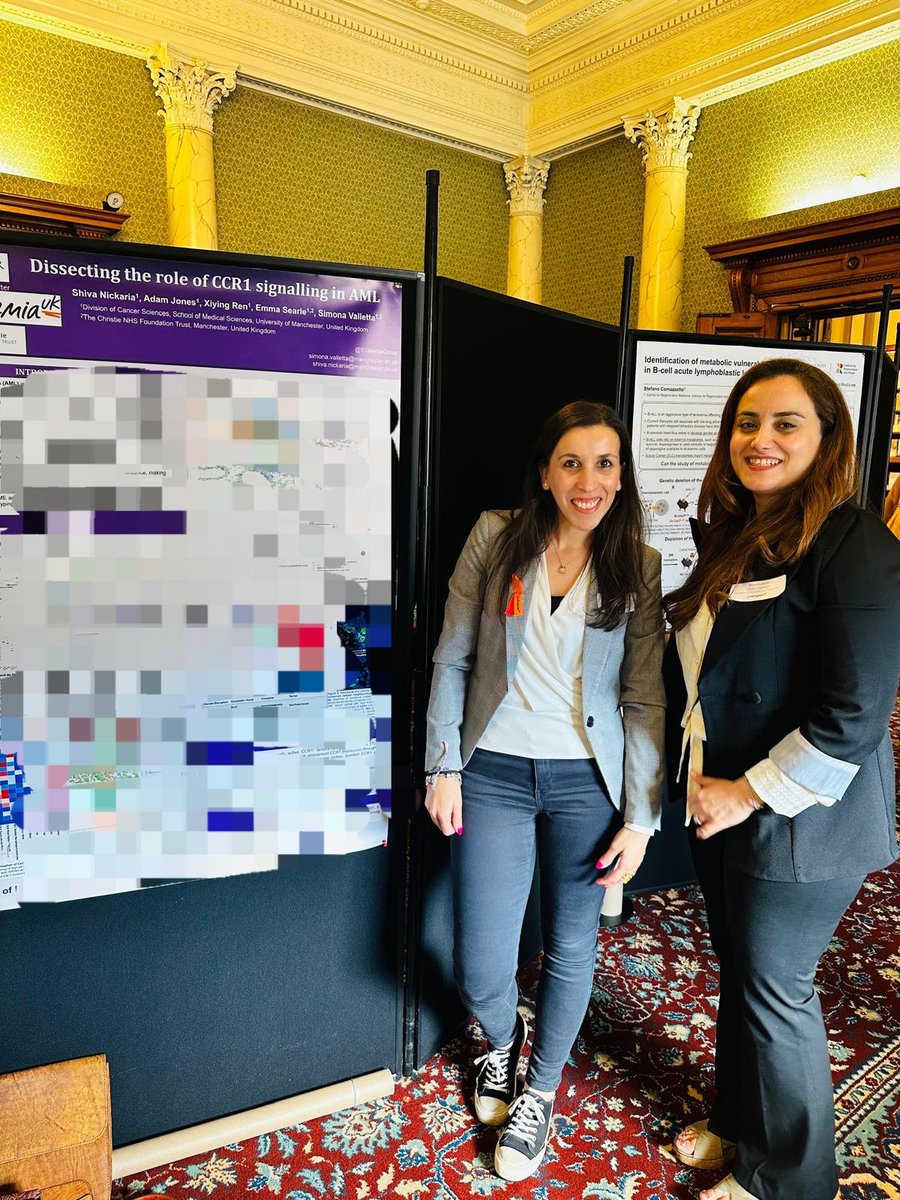
Very proud moment - yesterday, our brilliant postdoc was awarded the Poster Prize at the @LeukUK Annual Science Seminar! @NickSh85, congratulations on this well-deserved achievement 🧡
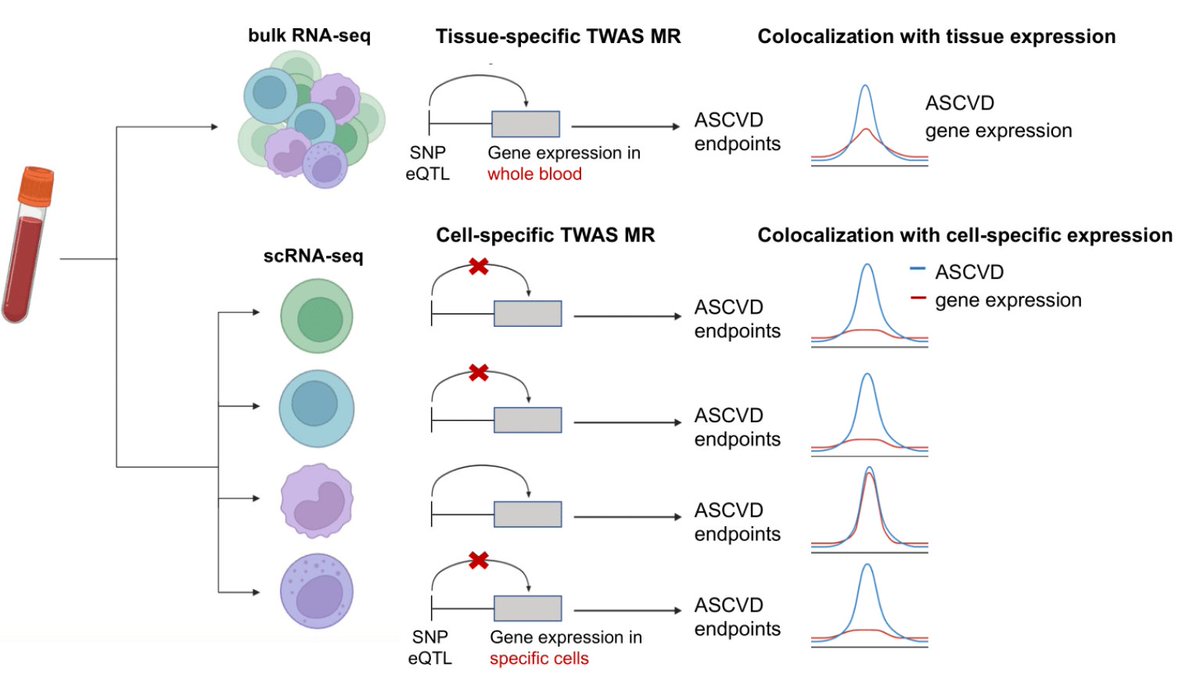
Most genetic variants associated with human disease are assumed to act by influencing gene expression.
Expression is regulated at the cell level, but most resources linking variants to expression come from tissue-level data
Two advances in the world of single-cell eQTLs🧵 1/9