I think there’s a fundamental misconception in how the security industry talks about ARTEX, Cairn and similar offensive AI frameworks. And even reports from major security vendors keep reinforcing it.
People treat these frameworks like the C2 frameworks we’ve known for years. With Cobalt Strike and others, parts of the framework were deployed on the victim’s systems. Implants, loaders, communication protocols and other implementation details provided recognizable patterns that we could write signatures for.
But ARTEX and Cairn work differently. The orchestration runs on the attacker side. The LLMs, prompts, skills, tools and infrastructure are interchangeable. Change any of these components and the resulting attack can look completely different. The framework itself doesn’t define what ends up on the victim’s systems.
Yes, there are a few minor implementation fingerprints, such as certain ARTEX/Norma User-Agent strings. We’ve even written rules for them. But these cover tiny parts of a framework’s functionality, not the attacks it can orchestrate.
An IP address, webshell or exploit used in a campaign doesn’t suddenly become an “ARTEX indicator” because ARTEX was involved.
And that’s why I find all these “ARTEX IoC collections” and “How to detect ARTEX” guides so misleading. They encourage people to think we’re dealing with another recognizable malware or C2 framework.
We’re facing a different class of offensive technology, and I think many people still haven’t understood that.
The detection guidance should be what we’ve been telling defenders for decades: detect malicious behavior, attack techniques and traces of compromise.
There is no special defense against ARTEX. Tomorrow the same attacker could use a different framework, a different model and completely different tools.
The names are disposable. The underlying attack techniques are what we need to detect.
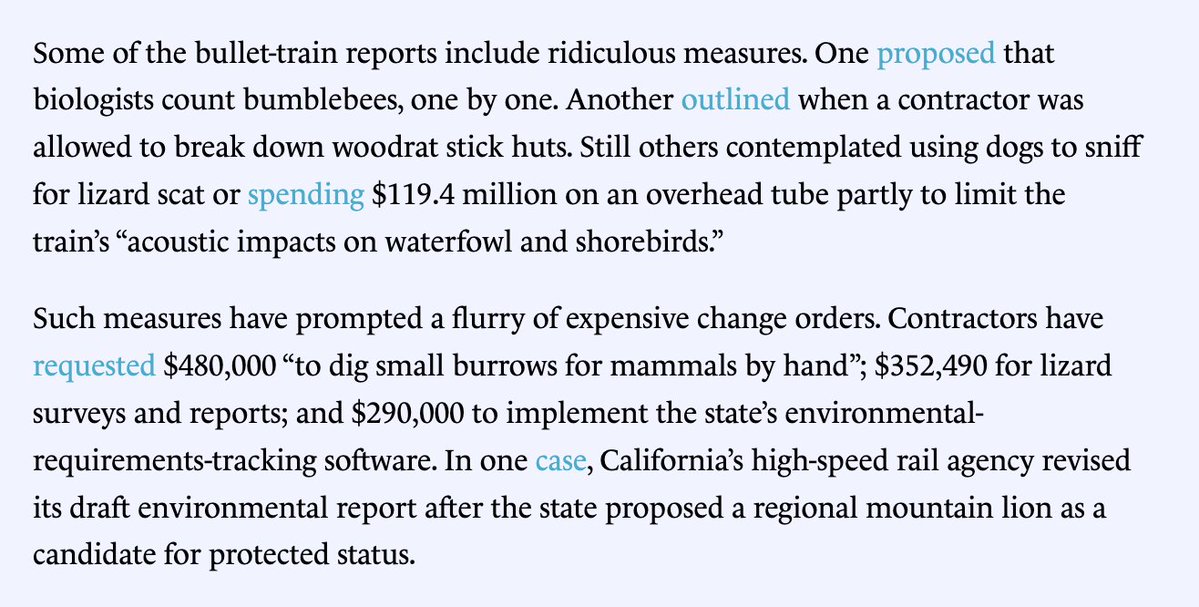
California hasn't built its bullet train because the state has required 130,000 pages of environmental reports, making absurd demands like:
• counting bumblebees one by one
• rebuilding woodrat stick huts
• hiring specialized dogs to sniff lizard scat
"Just kind of shown up." Yeah no bro.
Let me tell you about all nighters at 22 Mike to prep for our first SOCOM contract presentation, dragging kit across test sites in the 120 degree Nevada desert, lawyers helping build towers in the field because the mission ops team needed extra hands, software engineers whose most dangerous outing was a late night in Palo Alto deploying to active combat zones, etc.
Grind was ground.
First on 60 Minutes: Newly declassified video shows service members from U.S. Joint Special Operations Command rescuing Bravo, one of the two U.S. Air Force officers shot down over Iran in April. Bravo was stranded for two days – alone and badly wounded, behind enemy lines. https://t.co/9RegDJ3iPV
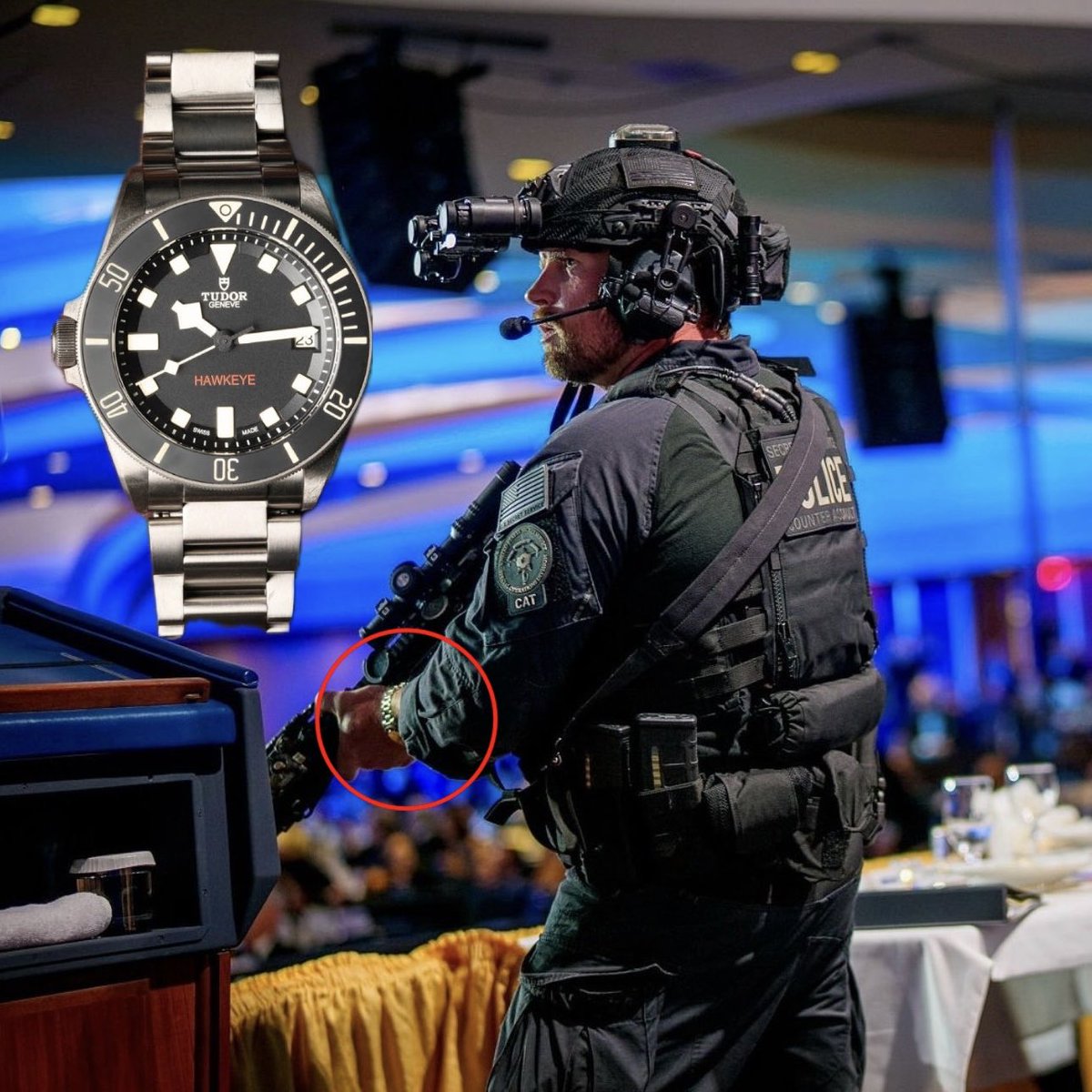
Secret Service HAWKEYE Pelagos LHD unit watch on the stage last night. Counter Assault Team - (CAT aka Hawkeye) commissioned a custom Tudor Pelagos LHD "unit watch" with a red HAWKEYE on the dial and the Team’s insignia of a CAT's paw around a Secret Service Star on the caseback.
SpaceXAI and @cursor_ai are now working closely together to create the world’s best coding and knowledge work AI.
The combination of Cursor’s leading product and distribution to expert software engineers with SpaceX’s million H100 equivalent Colossus training supercomputer will allow us to build the world’s most useful models.
Cursor has also given SpaceX the right to acquire Cursor later this year for $60 billion or pay $10 billion for our work together.
They would have ripped that WSO to shreds in front of the entire internet and the fact we fought our way to him first is simply insane. I have never been prouder to be a former USAF guy.
The missing WSO from the shot-down USAF F-15E is now safe and back in American hands. An officer involved in monitoring the CSAR in southern Iran describing the aviator’s incredible tenacity: “He evaded up a 7k ridge. They’ve been schwackin’ dudes chasing him all day. Was nuts.” #iran #csar