The 4,000-year-old Sinauli chariot, excavated in 2018 from the ancient burial site of Sinauli, stands among the most significant archaeological discoveries in recent decades.
Buried in a ceremonial grave and richly adorned with copper, the chariot reflects the sophistication of a warrior elite that flourished around 2000–1900 BCE. Crafted from wood and sheathed in copper sheets, it features two solid wheels mounted on a fixed axle and connected to a yoke by a central shaft. The wheels are embellished with striking copper triangular inlays arranged in concentric circles, showcasing remarkable craftsmanship.
Its semi-circular seat is supported by a framework of copper pipes, while the front structure rises into a distinctive canopy-like form. Excavations at Sinauli also uncovered copper weapons, shields, helmets, and other elite grave goods, underscoring the site's importance as a ceremonial and martial center.
#12YearsOfVikasBhiVirasatBhi #CultureUnitesAll #ASI #asi #SinauliChariot
Damoo Dhotre (1902-1973) was born at Kasba Peth in #Pune. His life story is an adventure fit for a film. At the age of 12 he stubbornly sought permission to join his maternal uncle's circus. Over the next 40 years worked in many circuses. He learnt trapeze, cycle stunts and more. He is most renowned as an circus animal trainer - working with lions, tigers, puma, leapords. Armed with just a bamboo and hunter (whip) he trained and performed with many feroceous animals. Working with the instincts and behaviour of animals than by force was made him exceptional. He travelled as part of the circuses all over the then United British India as well as east Asia incl Malaysia, Myanmar, Singapore and other places. He was invited to work with circuses in France and performed in France and other parts of Europe. With the war clouds hovering over Europe he travelled to the United States. He performed across almost all the states in US and even in countries like Cuba ! During WW-II he was mandatorily drafted in the US army for three years despite being an Indian Citizen. His service in the army granted him US Citizenship. He married a local lady and purchased his home in Florida. He however remained committed to his religion and culture. If required, he publicly intervened in US to correct facts that were twisted by priests and preachers to discredit India and Hindu religion. He earned much success in the US as the foremost among animal trainers and performers. In 1953-53 health issues and divorce made him take the route back to India and Pune with a view to regain his Indian citizenship and settle down. His autobiography in #मराठी reads like an adventure, both in and outside the circus ring. Despite posessing nerves of steel and much daring he never saw himself as powerful or super human. He had the humility to recount and laugh that despite his skills of handling the most feroceous animals he was at times taken aback by even by a cow or a frog. Damoo Dhotre is probably the only Indian to be inducted in the International Circus Hall Of Fame.
If there’s will to make an area green & shaded, it will be done. IIT Bombay for example, has more greenery & trees today, than it did during its early years. Many such examples across the country.
This 4,500-year-old terracotta dice from the Indus-Saraswati Civilization is a powerful reminder of India’s living heritage. Dicing is also mentioned as a popular game in Rig and Atharva Vedas (two of the four sacred Vedic scriptures).
From symbols and craftsmanship to rituals, yogic practices, and collective memory, numerous elements of ancient Indian civilization continue to thrive in the daily social and religious life of Indian society across regions and communities.
Civilizational inheritance is not just about geography or ruins, it is defined by living customs, symbols, rituals, and unbroken cultural consciousness. India is the enduring living continuity of the Indus-Saraswati Civilization.
#IndusSaraswatiCivilization #AncientIndianHeritage
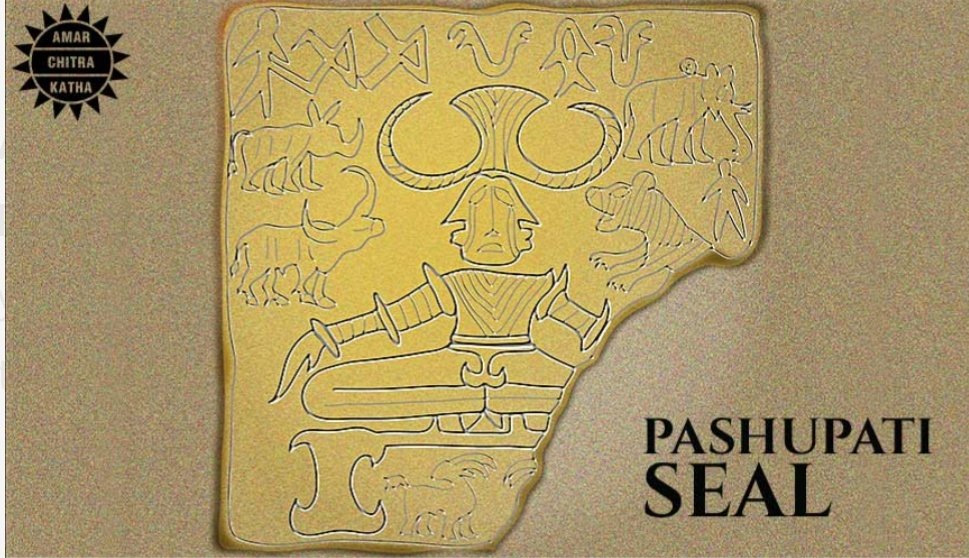
The Pashupati Seal is a profound symbol of India's ancient civilizational continuity, deeply rooted in the spiritual and cultural matrix that evolved into Vedic & Sanatana traditions. Dismissing it as "proto-Elamite" or a generic "Eurasian lord of animals" ignores the specific iconography, archaeological context, and living continuity in Bharat.
Key facts:
✴️ Discovered in 1928-29 at Mohenjo-daro (DK-G area) in undivided India by the Archaeological Survey of India. The ~4,300-year-old steatite seal (now in National Museum, Delhi) shows a horned, seated figure in a clear 'yogic posture' (Mulabandhasana / heels-joined squat, as described in later texts like Kalpa Sutra), surrounded by animals (elephant, tiger, buffalo, rhino, deer). Headdress with possible tricephalic elements, bangles, and possible ithyphallic feature.
✴️ Sir John Marshall (Director-General, ASI), who led the excavations, identified it in 1928-31 as 'Proto-Shiva/ Pashupati' ("Lord of Animals" - an epithet of Shiva/Rudra). Reasons: yogic mahayogi pose (Shiva as supreme yogi), animal entourage (Pashupati), horned headdress resembling trishula/bull horns, and three-faced depiction (common in Shiva iconography). This interpretation has been highly influential and widely accepted for generations, shaping understanding of Hinduism's deep roots.
✴️ Why not just "Elamite/Eurasian"?
- "Lord of Animals" motifs exist broadly (common in Neolithic hunting societies), but the unique combination here, advanced yogic asana, specific animal surround, possible linga association, and urban Harappan context, aligns with Indic traditions, not a direct "adaptation" from proto-Elamite seated bulls or generic motifs. Asko Parpola and others noted parallels, but the yogic mastery and continuity point to indigenous development.
✴️ Vedic & later continuity:
Rudra (Vedic predecessor of Shiva) is linked to Pashupati concepts. Yoga, meditation, and Shaivite symbolism thrive unbroken in India, from Vedic hymns, Upanishads, Puranas, to today's temples, Pashupatinath (Nepal), and daily worship.
Harappan elements (fire altars, swastika, linga-like objects, yogic figures) show clear threads to Vedic culture. The IVC is part of the "Indus-Saraswati civilization", the cradle of much of what became Sanatana Dharma.
Critics like Doris Srinivasan (who proposed a "buffalo-man") or others exist, scholarship involves debate, and the script is undeciphered. But Marshall's proto-Shiva view remains compelling and dominant in many analyses precisely because it fits the living Indian tradition, not disconnected foreign imports. Indian history is amazing, precisely because of this profound continuity from Harappan sophistication to Vedic expression to modern Bharat.
The Ministry of Culture is right to highlight it as a symbol of 'unbroken civilizational ethos'.
Getting it right means recognizing the "indigenous Indic genius", not downplaying it with selective Eurasian parallels while ignoring the yogic-spiritual specificity that defines Indian civilization.
#PashupatiSeal #IndusSaraswati #SanatanaContinuity
And what are you going to call this now ?
@AudreyTruschke
- Evangelical/Marxist distorians well funded running amuck pillar to post and well aided by the limelight and support across news and print media just to preserve western subversion on Bharath’s heritage to just keep up their hegemonic control gets more pathetic and desperate day by day!
Thank God for Information Age!
One of the most powerful symbols of India’s unbroken civilizational continuity!
Discovered at Mohenjo-daro in undivided India this steatite seal, about 4,300-year-old, shows a seated figure in yogic posture (widely seen as Shiva-Pashupati) seated in Mulabandhasana, surrounded by animals.
While ancient sites may lie across modern borders, India remains the living custodian of this heritage. The yogic posture, Shaivite symbolism, and spiritual ethos seen in the Pashupati Seal continue to thrive in India’s temples, daily worship of Shiva, yogic traditions, and cultural life even today.
From the Vedic period to contemporary Bharat, this civilizational thread has remained alive and unbroken — deeply embedded in our philosophy, rituals, and collective consciousness.🇮🇳
#PashupatiSeal #IndusSaraswatiCivilization #LivingIndianHeritage
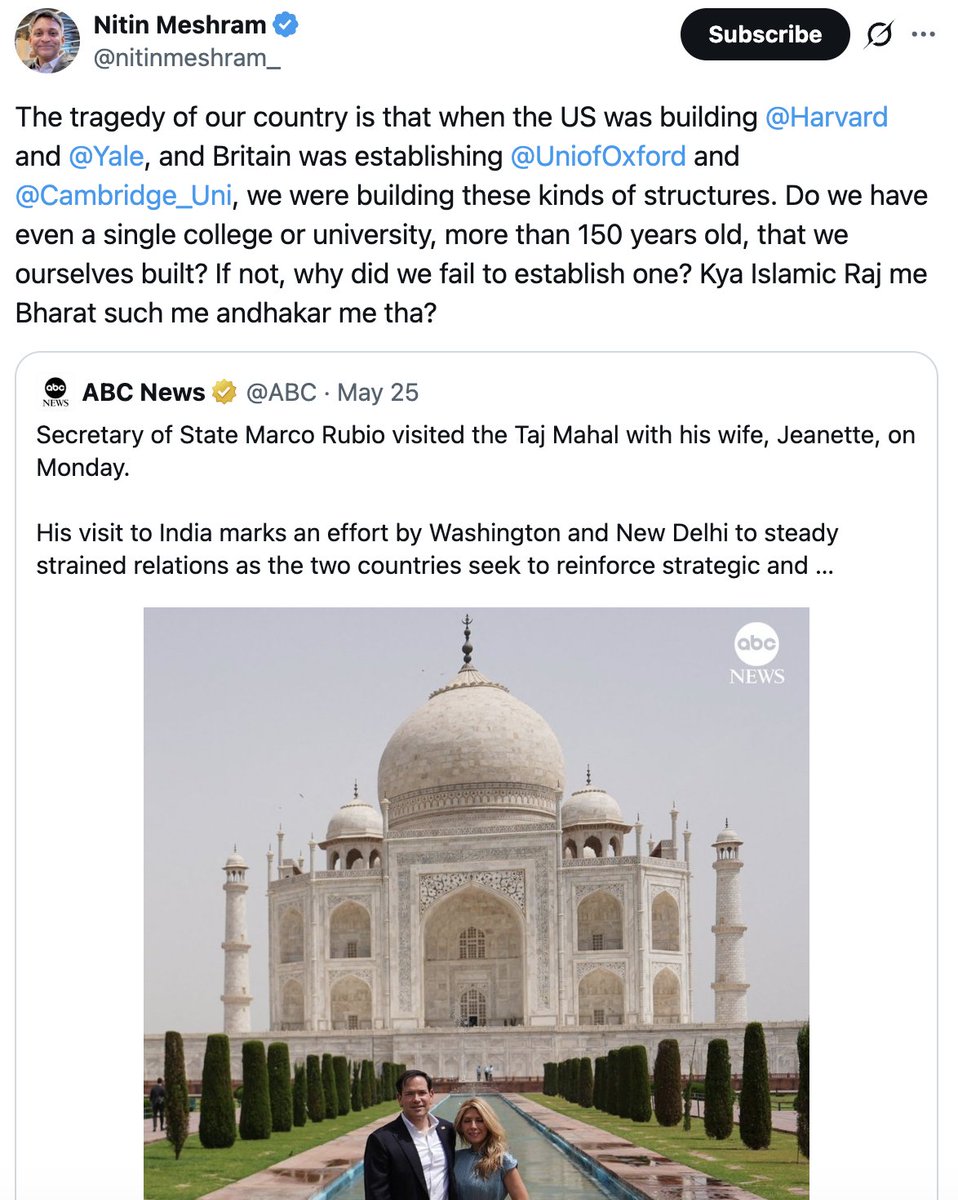
In the early 1700s, a tiny, cash-strapped theological school called the Collegiate School of Connecticut was on the verge of financial collapse. It desperately needed money to construct its very 1st permanent building in New Haven.
The school's trustees reached out to a wealthy London merchant named Elihu Yale. Yale had spent nearly 30 yrs working for the East India Company at Fort St. George in Madras (now Chennai) looting India & eventually rising to become the Governor-President of the settlement.
While in India, Elihu Yale amassed an immense personal fortune through private trading: specifically in Golconda diamonds, high-grade textiles & spices & by participating in the Indian Ocean slave trade. He was eventually ousted from his post by the East India Company for rampant illegal profiteering & corruption.
In 1718, responding to the school's plea for help, Elihu Yale sent a massive cargo shipment from London to Boston. The shipment did not contain cash. It contained:
- 9 large bundles of exotic Indian textiles (including fine muslins, calicos & silks from Madras).
- 417 books.
- A portrait of King George I.
The school sold the Indian textiles & goods in Boston for the staggering sum of £800, which at the time, was enough money to completely fund the construction of their brand-new wooden college building. In pure gratitude for this South Asian windfall, the trustees officially renamed the entire institution Yale College.
Yale University would literally not exist w/o India. Its very name, its 1st major building & its foundational survival were directly paid for by wealth extracted from India.
The royal charters of the Chola kings were always written with Sanskrit verses in the Grantha script. These verses appear prominently on the seals of copper-plate inscriptions as well as at the beginning of several stone inscriptions. Here are some of the celebrated charter ślokas of the Chola kings.
1987. A room in New Delhi is thick with the smell of old files & cold tea. The United States has just delivered a stinging slap to the face of the Indian Republic. They have officially refused to sell India the 'Cray X-MP' Supercomputer, the most powerful machine on Earth, claiming that India would use it for nuclear weapons.
The American officials mockingly suggest that India does not even have the electricity to keep such a machine running. In the middle of this national humiliation, a young, soft-spoken engineer named Vijay Bhatkar is asked by then Prime Minister Rajiv Gandhi: "Can we build our own?" Bhatkar does not hesitate. He looks at the No of the West & says: "We will not just build it; we will build it faster than you can ship it."
The Americans did not just stop at refusing the sale; they actively lobbied other nations to ensure India remained digitally blind. They believed that w/o their Logic Gates, India would remain a 3rd world backwater.
Bhatkar realized he could not replicate the Single-Processor behemoth of the Cray. Instead, he turned to Parallel Processing. He decided to stitch together 1000s of low-cost, off-the-shelf microprocessors. It was like building a giant's brain out of the neurons of ants.
In 1991, while the West was still celebrating its monopoly, Bhatkar unveiled the PARAM 8000. It was not just a computer; it was a Gigaflop monster.
To prove the PARAM was real, Bhatkar ran a standard global benchmark test. The results were sent to an international conference in Zurich. The PARAM 8000 was ranked as the 2nd most powerful supercomputer in the world, behind only the American machines. But there was a twist: the PARAM cost a fraction of the Cray, performed better in tropical heat, & was built in just 3 years.
When the PARAM 8000 was 1st turned on, the team did not have a high-tech cooling system like the Americans. They used industrial-grade desert coolers & adjusted the airflow manually. It was the ultimate Jugaad that defeated the most sophisticated tech embargo in history.
A major US newspaper ran a story with the headline: "Denied supercomputer, Angry India does it!" The ghost of the Native Engineer had officially entered the silicon temple. Vijay Bhatkar’s history is the story of how India became the IT Capital of the world.
Bhatkar founded the Centre for Development of Advanced Computing (C-DAC). He did not just build a machine; he built an ecosystem. Every software engineer in India today stands on the shoulders of the man who proved we did not need the West's permission to compute. Bhatkar was the 1 who realized that if computers only spoke English, 90% of India would be left behind. He led the development of GIST (Graphics & Intelligence Based Script Technology), allowing computers to work in Indian languages. He gave the Machine a local tongue.
Today, Bhatkar is a Padma Bhushan awardee, but he lives a life of deep spirituality & simplicity. He vanished from the corporate headlines to become a philosopher of the digital age.
The West thought they could freeze India’s future by withholding a single machine. They forgot that the Indian mind does not need a 'Cray' to think; it only needs a 'No' to ignite. Forget building a supercomputer; Bhatkar built a mirror, & for the 1st time, the West had to look into it & see that the primitive colony had become the master of the code.
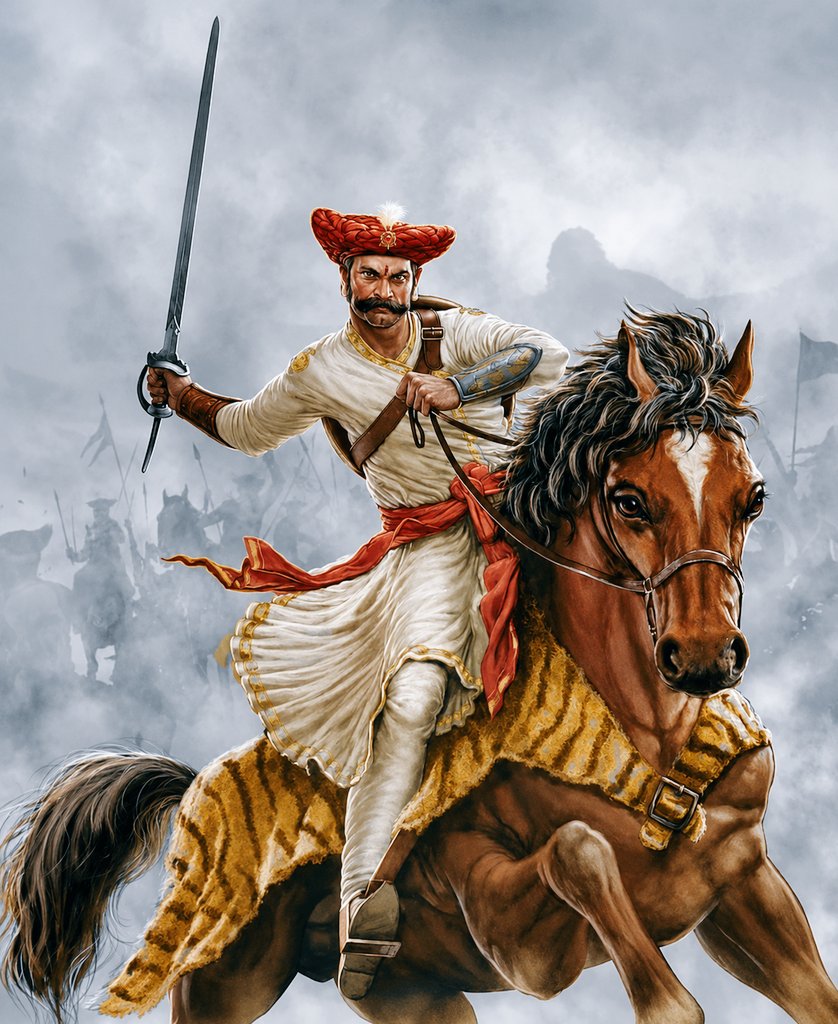
"जगात धडकी भरवून सोडणारी फौज घेऊन संताजी घोरपडे कुठेही पोहोचला की नर व्याघ्राप्रमाणे असलेल्या अनुभवी योद्धांची मने कंपायमान होत."
कर्नाटकातील दोड्डेरीची लढाई ही सेनापती संताजी घोरपड्यांच्या युद्धकौशल्याचा सर्वोच्च नमुना मानली जाते. इ.स. १६९५ मध्ये घडलेल्या या संघर्षाने मराठ्यांच्या गनिमी युद्धपद्धतीची ताकद संपूर्ण हिंदुस्थानासमोर उभी केली. छत्रपती राजाराम महाराज जिंजीच्या किल्ल्यावरून मराठा स्वातंत्र्ययुद्धाचे नेतृत्व करीत होते. दुसरीकडे औरंगजेब स्वतः दक्षिणेत उतरून मराठा साम्राज्याचा पूर्ण नायनाट करण्यासाठी प्रयत्न करीत होता. मराठ्यांच्या वाढत्या प्रतिकारामुळे मुघल साम्राज्य त्रस्त झाले होते.
संताजी घोरपडे आणि धनाजी जाधव यांच्या सततच्या धडक मोहिमांमुळे मुघल सैन्याला विश्रांती मिळत नव्हती. इ.स. १६९२ च्या सुरुवातीस संताजी घोरपडे आणि धनाजी जाधव जिंजीकडे रवाना झाले. मार्गात त्यांनी बेळगाव, धारवाड परिसरात कासीमखान व हमीदुद्दीनखान यांना चकवा दिला. अलीमर्दाखान आणि इस्माईलखान यांची फजिती करून त्यांच्याकडून मोठी खंडणी वसूल करण्यात आली. त्याच काळात असदखान आणि झुल्फिकारखान यांच्या रसदपुरवठ्यावर मराठ्यांनी घाला घातल्याने मुघल छावण्यांत गोंधळ निर्माण झाला होता. महाराष्ट्रातही मराठ्यांनी औरंगजेबाचा नातू मुईजुद्दीन याचा पन्हाळगडाजवळ पराभव करून मुघल प्रतिष्ठेला मोठा धक्का दिला.
संताजींचा वाढता प्रभाव रोखण्यासाठी औरंगजेबाने कासिमखान या अनुभवी सरदाराला मोठ्या फौजेसह दक्षिण मोहिमेवर पाठविले. त्याच्या मदतीला खानाजादखान, रुहुल्लाखान, मुरादखान यांसारखे नामांकित मुघल सरदार होते. इ.स. १६९५ मध्ये संताजी गदक–कोप्पल परिसरात कार्यरत होते. त्यांचे हेर सतत मुघल छावण्यांवर लक्ष ठेवून होते. चित्रदुर्ग परिसरात मुघल सैन्य एकत्र जमले. कासिमखानाने आपल्या शाही पाहुण्यांसाठी भव्य मेजवानीचे आयोजन केले. संताजींनी क्षणार्धात योजना आखली आणि आपल्या सैन्याच्या तीन तुकड्या केल्या. पहाटेच्या अंधारात मराठ्यांच्या पहिल्या तुकडीने मुघलांच्या मेजवानीच्या छावणीवर अचानक धडक दिली. झोपेत असलेले अनेक सैनिक ठार झाले. मराठ्यांनी उंची तंबू, शामियाने, मौल्यवान वस्तू आणि रसद लुटून घेतली. मुघल छावणीत प्रचंड गोंधळ उडाला. जीव वाचवण्यासाठी सैनिक मुख्य छावणीकडे पळू लागले.
हल्ल्याची बातमी मिळताच कासिमखान संतापाने सैन्य घेऊन पुढे निघाला. मार्गात दबा धरून बसलेल्या मराठ्यांच्या दुसऱ्या तुकडीने अचानक कासिमखानावर हल्ला चढविला. सर्व बाजूंनी होणाऱ्या हल्ल्यांमुळे मुघल सैनिकांचे संतुलन कोलमडले. इतक्यात संताजींच्या तिसऱ्या तुकडीने मुघलांच्या मुख्य छावणीवर आक्रमण केले. तिथे संरक्षण कमी असल्याने मराठ्यांनी रसद, जनावरे, शस्त्रे आणि दारुगोळा मोठ्या प्रमाणात हस्तगत केला. एका वेळी तीन दिशांनी हल्ला करून संताजींनी शत्रूची युद्धक्षमता पूर्णपणे नष्ट केली. मुघल सरदारांनी दोड्डेरीच्या गढीत आश्रय घेण्याचा निर्णय घेतला. पण गढीतील किल्लेदाराने धान्य व चाऱ्याची टंचाई निर्माण होईल या भीतीने दरवाजे बंद केले. परिणामी मुघल सैन्य गढीबाहेरच अडकून पडले. मराठ्यांनी चारही बाजूंनी वेढा घातल्याने मुघलांची परिस्थिती अत्यंत बिकट झाली.
दोड्डेरीतील हा वेढा दिवसेंदिवस भयानक होत गेला. तलावाचे पाणी आणि थोड्याफार धान्यावर सैनिक दिवस काढू लागले. जनावरांना चारा मिळेनासा झाला. उपासमारीमुळे सैनिक मरू लागले. चित्रदुर्गचा नायक बरमाप्पा नायक हाही संताजींच्या मदतीला धावून आला. मुघल सैनिकांची अवस्था दिवसेंदिवस दयनीय होत गेली. सैनिक जनावरांचे मांस खाऊ लागले. काही सैनिक उपासमारीमुळे गढीच्या भिंतीवरून उड्या मारून मराठ्यांकडे आश्रय मागू लागले. या वेढ्यात मुघल सेनापती कासिमखानाचा अंत झाला. त्याला अफूचे व्यसन होते. वेढ्यामुळे त्याला अफू मिळाली नाही. शेवटी खानाजादखानाने संताजी घोरपड्यांकडे तहाचा प्रस्ताव पाठविला. सुरुवातीला संताजींनी एक लाख होनांची मागणी केली. नंतर ती वाढवून दोन लाख होन खंडणी निश्चित करण्यात आली. खंडणी मिळेपर्यंत त्यांच्या नातेवाईकांना ओलीस ठेवण्यात आले. संताजींनी उपाशी मुघल सैनिकांना भाकरी आणि पाणी दिले. खानाजादखान आणि इतर सरदारांना सुरक्षितपणे जाऊ देण्यात आले.
दोड्डेरी–चित्रदुर्गच्या या विजयामुळे औरंगजेबाच्या दक्षिण मोहिमेला मोठा धक्का बसला. संताजींच्या नावाची दहशत संपूर्ण दक्षिणेत निर्माण झाली होती. अत्यल्प साधनसामग्री असूनही वेग, गुप्तहेर व्यवस्था, भूगोलाचे ज्ञान, मानसिक युद्धतंत्र आणि गनिमी कावा यांच्या साहाय्याने बलाढ्य मुघल साम्राज्याला कसे पराभूत करता येते याचे हे जिवंत उदाहरण आहे.
#मुघलांचा_कर्दनकाळ #संताजी_घोरपडे #दोड्डेरी
१२ मे, १६६६...
आग्र्याच्या दरबारात छत्रपती शिवाजी महाराजांनी त्यांच्या हिंदू अस्मितेचे तेजस्वी दर्शन घडवून मोगल दरबारालाच नव्हे तर संपूर्ण हिंदुस्तानाला थक्क केलं होतं.
"तुम देखयो, तुम्हारा बाप देख्या, तुम्हारा पातशहा देख्या। मै ऐसा आदमी हो जो मुझे गोर करने खडा रखो। मैं तुम्हारा मनसबी छोड्या । मुझे खडा तो करीना सीर राख्या होता। म्हारो मरण आयो येतो । तुम मुझे मारोगे या मी अपघात कर मरोंगा। मेरा सीर काटकर ले जावो तो ले जावो । मी पातशहा जी की हुजारी नाही चलता!”
- औरंगजेबासमोर त्याच्याच दरबारात त्याच्याच मनसबदाराला (रामसिंह) या भाषेत सुनावणे ही आज वाटत असली तरी तेव्हा साधारण गोष्ट नव्हती!
म्लेंच्छांचा क्षय करण्याची दीक्षा घेतलेल्या शिवछत्रपतींनी औरंगजेबासमोर प्रज्वलित केलेली हिंदू अस्मितेची ही मशाल त्यांच्या वैचारिक वारसदारांनी पुढे अशीच प्रज्वलित ठेवली आणि १८ व्या शतकात मराठे मोगलांना आपल्या तालावर नाचवू लागले.
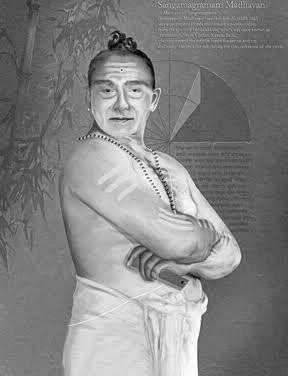
Mind-blowing math fact most people have NEVER heard:
In 14th-century India, Madhava of Sangamagrama (Kerala School) discovered infinite series calculus 300 years before Newton & Leibniz!
π/4 = 1 − 1/3 + 1/5 − 1/7 + 1/9 − ⋯
sin x = x − x³/3! + x⁵/5! − x⁷/7! + ⋯
Genius truly has no borders.
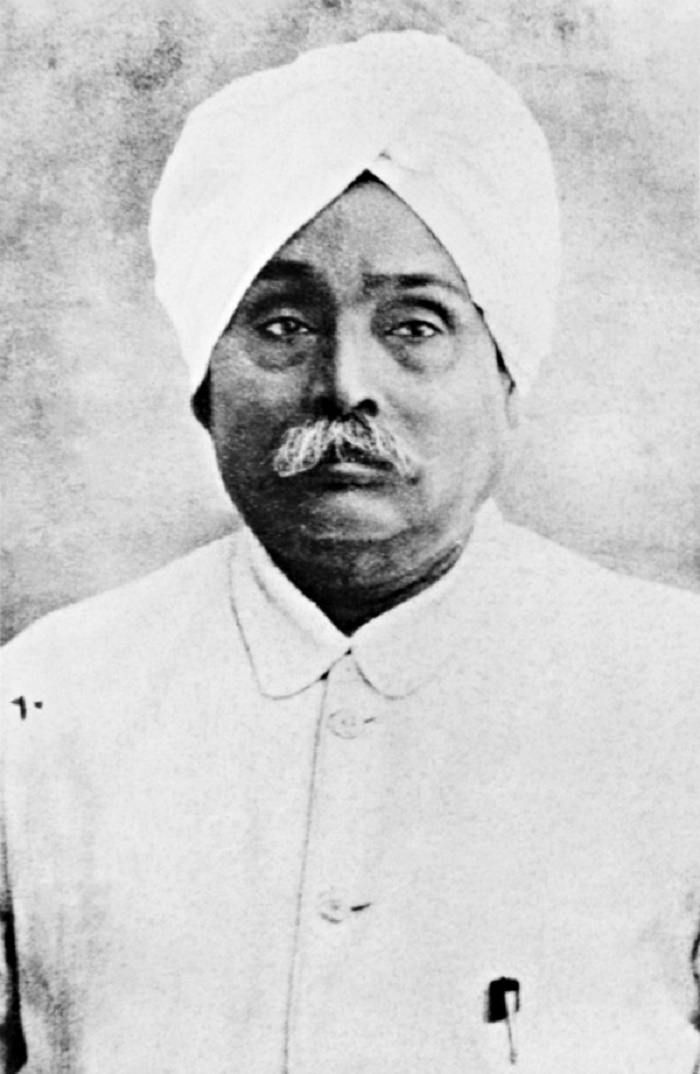
In 1894, Lala Lajpat Rai realized a terrifying truth: Indians were funding their own slavery by keeping money in British banks. His response? He built a Financial Fortress called Punjab National Bank, a bank run by rebels that cut off the British Empire’s capital oxygen. This is the story of how banking became an act of revolution.
In the 1890s, Lala Lajpat Rai (The Lion of Punjab) looked at the balance sheets of the British-run banks (like the Presidency Banks) & realized something terrifying. Millions of Indians were depositing their life savings into British banks. The British then used that exact same money to:
- Fund the British Indian Army to suppress Indian protestors.
- Build railways to export Indian raw materials to Manchester.
- Lend money back to Indian businessmen at exorbitant interest rates.
It was almost like: "Indian capital is being used to tighten the chains on Indian necks."
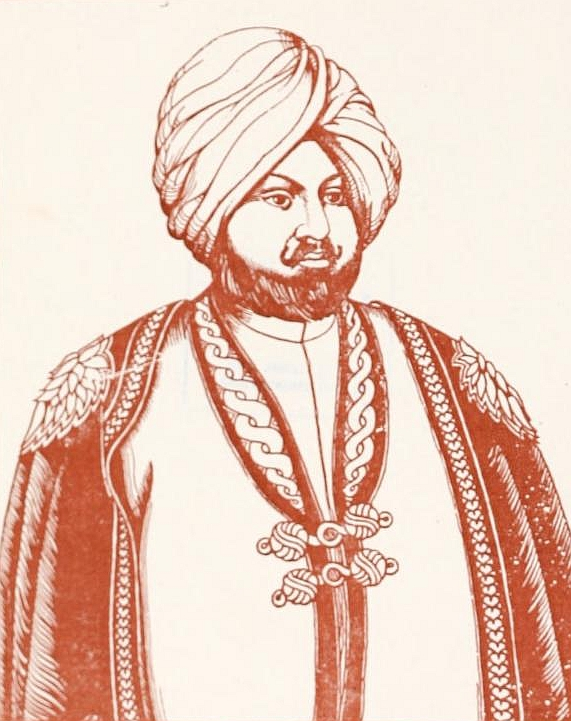
Lajpat Rai did not go to a banker. He went to Dyal Singh Majithia, a visionary philanthropist. They met in a small room in Lahore with a few others... lawyers, teachers, & traders. They decided to start a bank that was Solely Indian. No British directors, no British shareholders, & no British capital.
When they opened the 1st office in Anarkali Bazar, Lahore, on May 19, 1894, the board of directors consisted of men who were on the Watchlist of the British Intelligence. PNB was not just a bank; it was an Intelligence Hub for the Swadeshi movement.
The British expected the bank to fail within 6 months. They believed Indians lacked the discipline to manage a complex financial institution. To gain the public's trust, the founders did something radical. They insisted on extreme transparency. While British banks were secretive, PNB published its books clearly to show that not a single rupee was leaving Indian soil.
Indian businessmen started moving their accounts to PNB as an act of protest. It was the 1st time in history that Banking became a form of Satyagraha. By moving their money, they were cutting off the capital oxygen of the British administration.
Lala Lajpat Rai was the 1st to open an account at the bank. His younger brother joined the Bank as a Manager. Authorised total capital of the Bank was Rs. 2 lakhs, the working capital was Rs. 20000. It had total staff strength of 9 & the total monthly salary amounted to Rs. 320.
Everyone had the vision that the bank should cater to the small Indian trader whom the British banks ignored. PNB became the backbone of the Indian industry in the North. It funded the 1st gen of Swadeshi textile mills, sugar factories, & iron foundries that the British refused to support.
PNB was headquartered in Lahore. When Partition happened, it lost its Heart. Its buildings, gold vaults, & records were stuck in a new, hostile country. Unlike other institutions that collapsed, PNB’s management worked tirelessly to ensure that every Indian refugee who had an account in Lahore could withdraw their money in Delhi.
They moved their registered office to Delhi just weeks before the borders closed. PNB became the Financial Lifeboat for millions of displaced Punjabis, helping them restart their businesses from scratch in a new India.
PNB was not built for profit; it was built for Protection. Lala Lajpat Rai knew that political freedom is a myth if we are financially dependent on our oppressor.
Every time we see a PNB branch today, remember: we are not looking at a corporate building. We are looking at a Financial Bunker that was built to stop the British from using Indian money to buy the bullets used against Indians.
It could actually be a significant problem that Europe doesn't have enough garages. This sounds like a joke, but I'm serious. Garages let you work on stuff that doesn't matter yet, which is how big things often start. The outliers of ideas need the outliers of space.
“If India bows to domestic PR campaigns and leaves its easternmost flank demilitarized and underdeveloped, we are effectively handing over the Indian Ocean to adversarial naval powers”.
Read this timely thread explaining the several imperatives of developing Nicobar Island as a strategic maritime hub for India. The naysayers should not be allowed to block this game changing project!
In 2009 Lok Sabha elections, Congress won 206 seats — a 61-seat jump from 2004.
Analysts credited MNREGA, the nuclear deal, etc.
What no one pointed out was the new electoral map 🧵
India spent ₹2.8 lakh crore on direct cash transfers in 2024-25.
More than the GDP of Iceland. More than MGNREGA and PDS combined.
Once the money hits the account — the government has almost no idea what happens next. 🧵