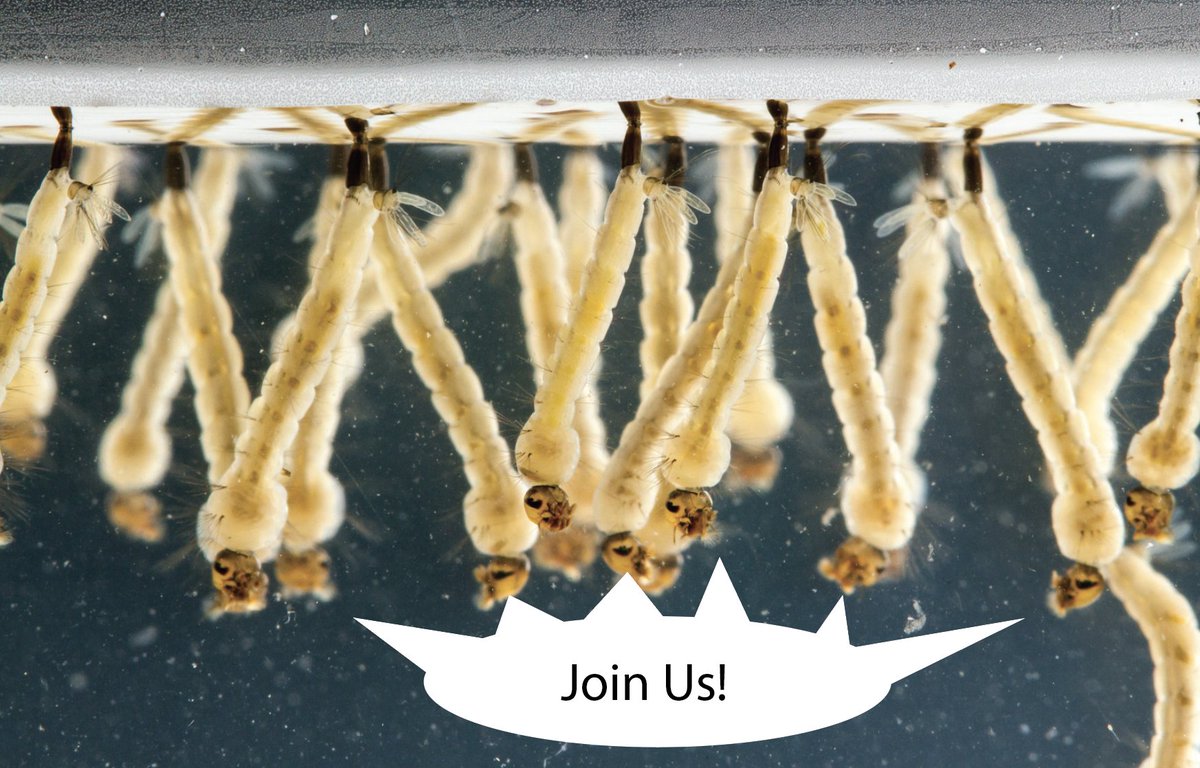
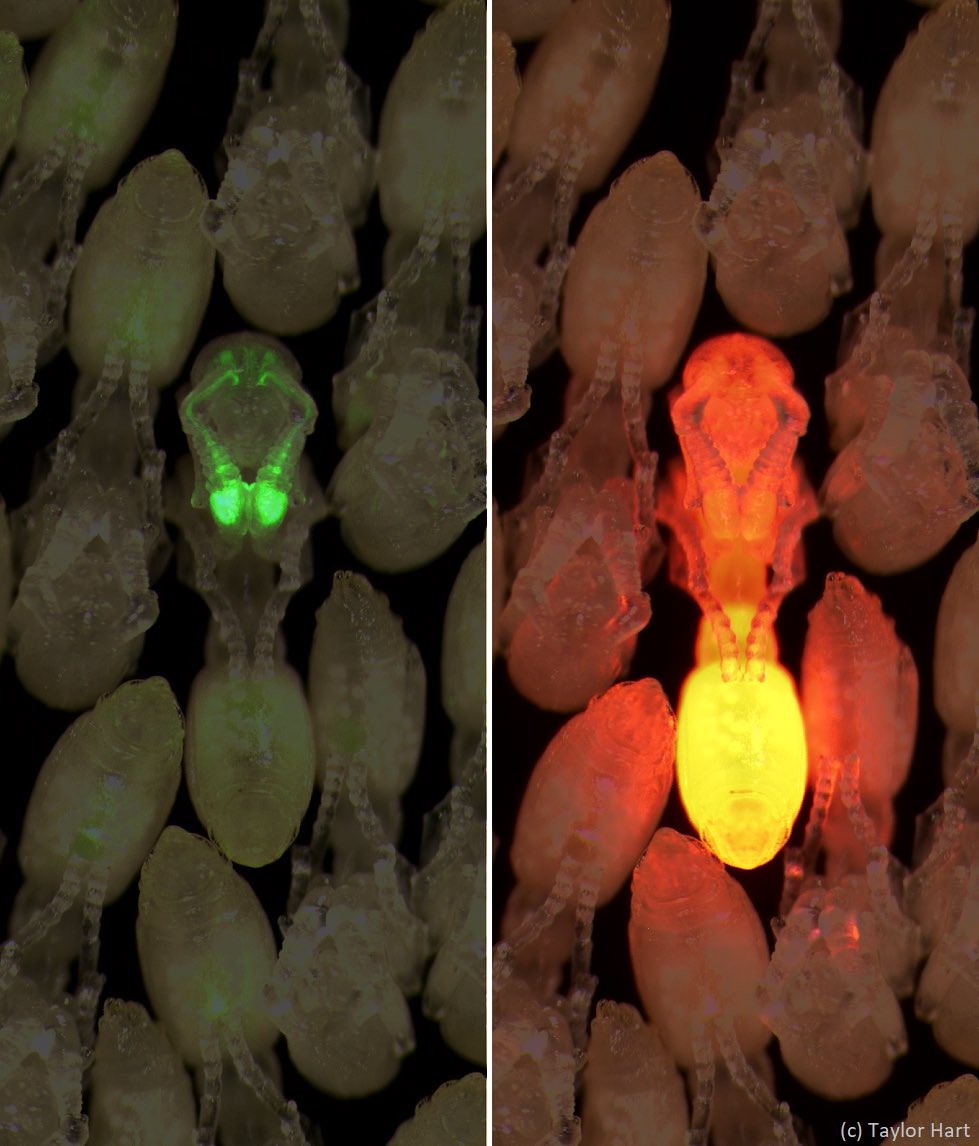
So excited to share my first first-author paper, OUT now in @eLife!! We make fruitless mutant male mosquitoes, and find that they gain attraction to human odor!!! https://t.co/cETf5PGIoh
Today, Sculpta releases the first demonstration of bioorthogonal barcoding ("bobcoding"), the process by which we:
1) covalently attach oligonucleotide barcodes to RNA at multiple internal positions with two-step chemistry, and 2) perform a multiplexed reverse transcription reaction to generate barcoded cDNA libraries with >99% barcoding accuracy.
To the best of our knowledge, it is the first time ever that either of these steps have ever been performed by anyone. No one has ever broken the barrier of multiplexing prior to any enzymatic step in library preparation, driving simplicity and higher data quality. Instead of other methods that add 0 or 1 barcode, we add one barcode every ~300bp, adding redundancy and fidelity to RNA measurements.
In our first application described in our pre-print below, we used bobcodes to create the first RNA isoform-resolved drug screening platform. It beats Novartis' DRUG-seq platform by:
- generating full length transcript capture of RNA isoforms, instead of just 3' end counting
- capturing 25-fold more RNA splicing events
- reducing barcode swapping by 10-fold
- using 18 fewer PCR cycles (~250,000 less amplification)
- reducing sample-to-sample variability in gene expression measurements
- eliminating costly and cumbersome library fragmentation/tagmentation steps completely
- reducing workflow complexity and number of steps
- reducing overall protocol duration by ~25%
Though our chemical barcoding method improved transcriptomic data quality while also being simpler and faster than all existing methods, the implications of this work go well beyond this particular use case:
The gate to greater applications of AI in transcriptomics is not a lack of compute. Nor is it a lack of data volume. The elephant in the room has always been our limited ability to faithfully and accurately measure cellular RNAs.
Sculpta now has line of sight to build what we call the first ground truth transcriptomics platform [for single cell, spatial and more] for the future of biological research, drug development and AI-enabled discoveries for the betterment of human health and longevity.
[PS Until the kind folks at bioRxiv get through the apparent backlog of AI slop submissions, Sculpta will host the pre-print PDF on our website. You can sign up for product offerings and other updates at this link too]
https://t.co/QPApERi7RT
I’m excited to share our publication from @Dulac_lab in @Nature, where we illuminate the development of hypothalamic cell types involved in a broad range of functions, from social behaviors to thirst, thermoregulation, and sleep. Highlights below! 🧵
https://t.co/cxL7xBupQk
Lovely double visit to @harvardmed Cell Biology &@MIT Microbiology; thanks to my trainee hosts @nipunbasrur (Steve Liberles, @RMedzhitov labs) and Caroline Anderson (@lamasonlab)
(Data value reminder courtesy @sshaolab )
Super excited that our first manuscript is on #bioRxiv – a #cryoEM study of an insect fructose receptor that sheds light on sugar recognition and chemical tuning. Phenomenal work by the lead author @jvic_gomes – the first graduate student to join the lab!
https://t.co/4vejo3bblX
I'm excited to share my postdoc work in the lab of @leslievosshall! We characterized a novel cross-modal sensory compensation mechanism that mosquitoes use to maintain their strong attraction towards humans🧵: https://t.co/yRgVg1ISSk
The Sorrells Lab is hiring a lab manager! Exciting projects on mosquitoes, excellent benefits through HHMI, and great colleagues. Please RT https://t.co/lFFbZErO5w
We are pleased to announce the recipients of our prestigious Independence Awards for 2023! These 13 fellows will receive support as they transition from mentored training to independent faculty positions. Read more about their research projects here: https://t.co/gyRnEJCR32
Excited to share our work studying the DRG sensory innervation of the colon! We found 5 subtypes of DRG neurons that innervate the colon with distinct morphologies, physiologic responses to distension, and behavioral effects. https://t.co/XSD77J0tLq
Come work with us at the @SimonsFdn! Fantastic opportunity - we have an open role for a Science Communications Manager working across Autism and Neuroscience @SFARIorg @SCAgingBrain and @SCglobalbrain https://t.co/5xQ0KH0cbZ
Happy to announce that I will start my assistant professor position at @UCLA this fall! My lab will work on internal sensations, with a unique focus on nausea mechanisms: https://t.co/DMTwfa2eIb. Please RT and encourage people interested in postdoc positions to apply!
It's out! Curious to know what happened in your brain to make you stop and read this tweet 🤔?
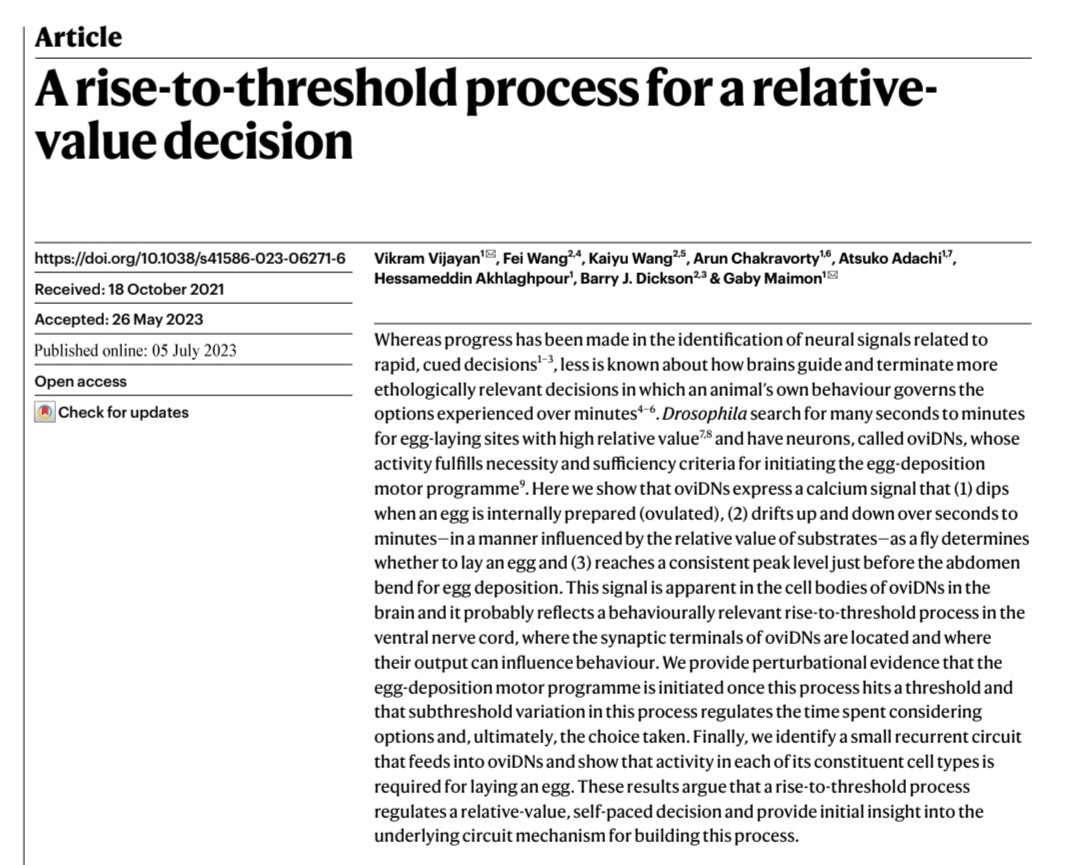
We found a rise-to-threshold process in specific fly brain neurons for a "similar" type of decision! @Nature
https://t.co/yiYW1KGQN6
(🧵1/11)
Our first neurogenetic study of ants survived peer review and just appeared OA in its final form @CellCellPress@CellPressNews: https://t.co/RJj0eas8a1. @teraxurato & team @RockefellerUniv created the first transgenic ants and identified a sensory hub for alarm behavior. 1/8
Please RT #VosshallLab is hiring! This is a research/leadership/ mentorship position similar to a staff scientist. A great opportunity to carry out independent research and mentor early career scientists in the lab.
https://t.co/FMxNqGIap3







![neal_amin's tweet photo. Today, Sculpta releases the first demonstration of bioorthogonal barcoding ("bobcoding"), the process by which we:
1) covalently attach oligonucleotide barcodes to RNA at multiple internal positions with two-step chemistry, and 2) perform a multiplexed reverse transcription reaction to generate barcoded cDNA libraries with >99% barcoding accuracy.
To the best of our knowledge, it is the first time ever that either of these steps have ever been performed by anyone. No one has ever broken the barrier of multiplexing prior to any enzymatic step in library preparation, driving simplicity and higher data quality. Instead of other methods that add 0 or 1 barcode, we add one barcode every ~300bp, adding redundancy and fidelity to RNA measurements.
In our first application described in our pre-print below, we used bobcodes to create the first RNA isoform-resolved drug screening platform. It beats Novartis' DRUG-seq platform by:
- generating full length transcript capture of RNA isoforms, instead of just 3' end counting
- capturing 25-fold more RNA splicing events
- reducing barcode swapping by 10-fold
- using 18 fewer PCR cycles (~250,000 less amplification)
- reducing sample-to-sample variability in gene expression measurements
- eliminating costly and cumbersome library fragmentation/tagmentation steps completely
- reducing workflow complexity and number of steps
- reducing overall protocol duration by ~25%
Though our chemical barcoding method improved transcriptomic data quality while also being simpler and faster than all existing methods, the implications of this work go well beyond this particular use case:
The gate to greater applications of AI in transcriptomics is not a lack of compute. Nor is it a lack of data volume. The elephant in the room has always been our limited ability to faithfully and accurately measure cellular RNAs.
Sculpta now has line of sight to build what we call the first ground truth transcriptomics platform [for single cell, spatial and more] for the future of biological research, drug development and AI-enabled discoveries for the betterment of human health and longevity.
[PS Until the kind folks at bioRxiv get through the apparent backlog of AI slop submissions, Sculpta will host the pre-print PDF on our website. You can sign up for product offerings and other updates at this link too]
https://t.co/QPApERi7RT](https://pbs.twimg.com/media/HS9qT_XakAAb3c4.jpg)