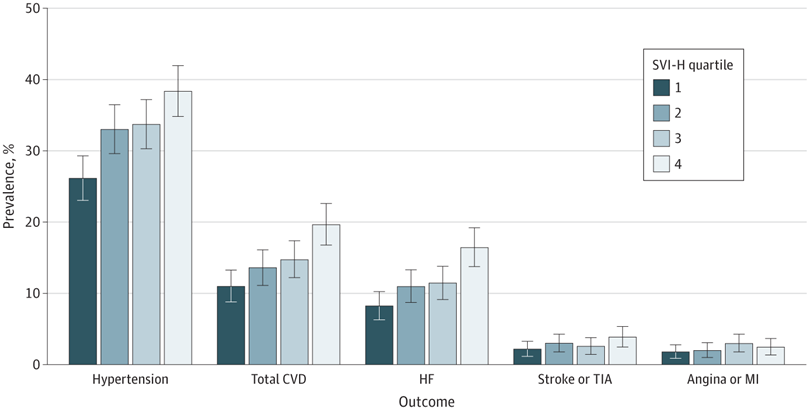
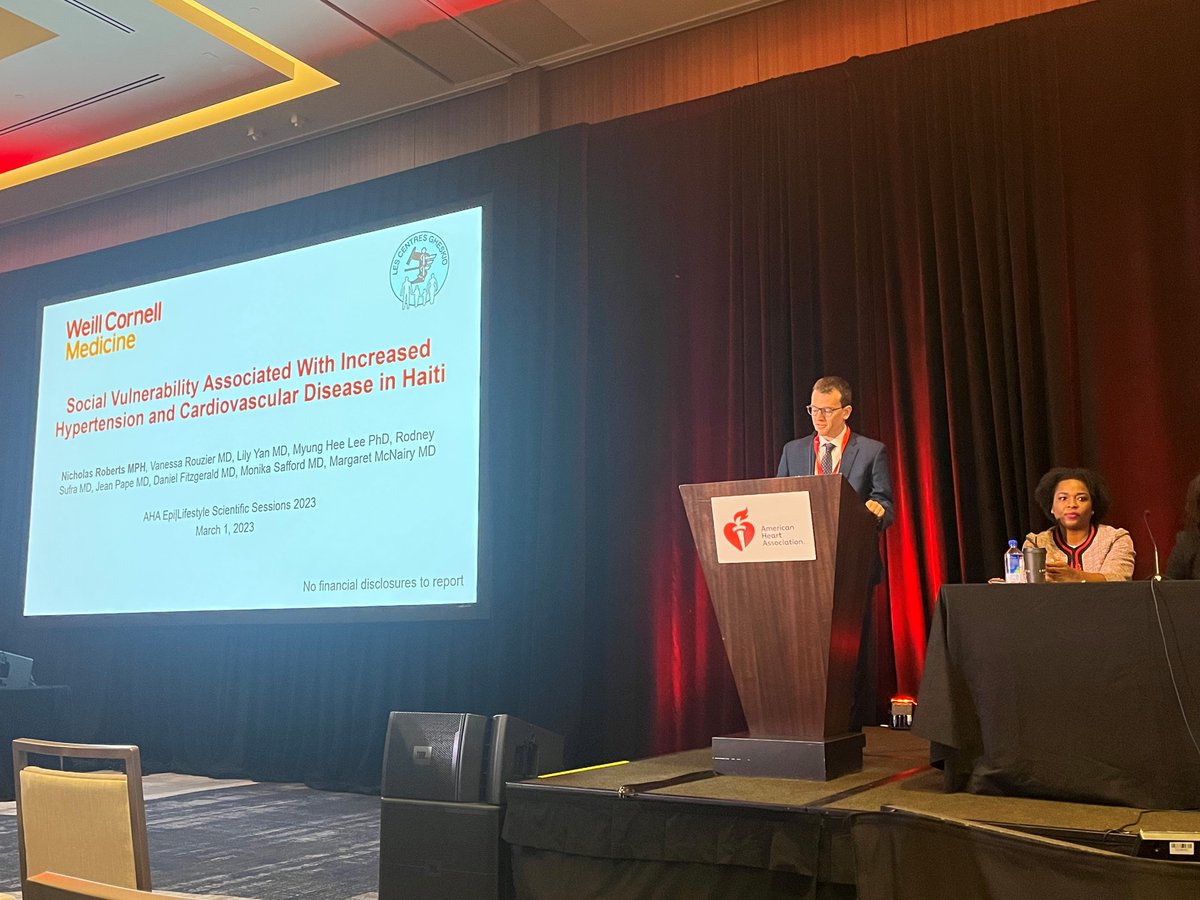
In urban Haiti, individuals living in neighborhoods with the highest social vulnerability had greater prevalence of hypertension and HF. https://t.co/wfBysZdMcV
This research was only possible because of the immense work done by the @HGHA_Haiti team, who are conducting this study and treating patients in extraordinarily challenging conditions. Additional huge thanks to @MonikaSafford@epi_dude @nih_nhlbi for their support
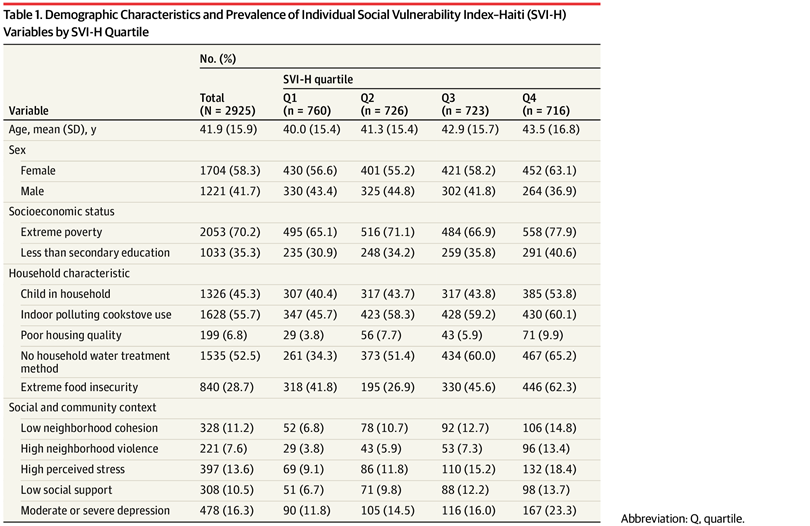
This novel neighborhood-level SVI-H was highly associated with premature CVD. Residents of high-vulnerability neighborhoods <45 years old had a prevalence of heart failure over four times higher than young adult residents of low-vulnerability neighborhoods.
We worked with the @HGHA_Haiti team and developed a completely novel social vulnerability index specific to the Haitian context (SVI-H), incorporating 12 variables like severe poverty, severe food insecurity, and exposure to neighborhood violence.
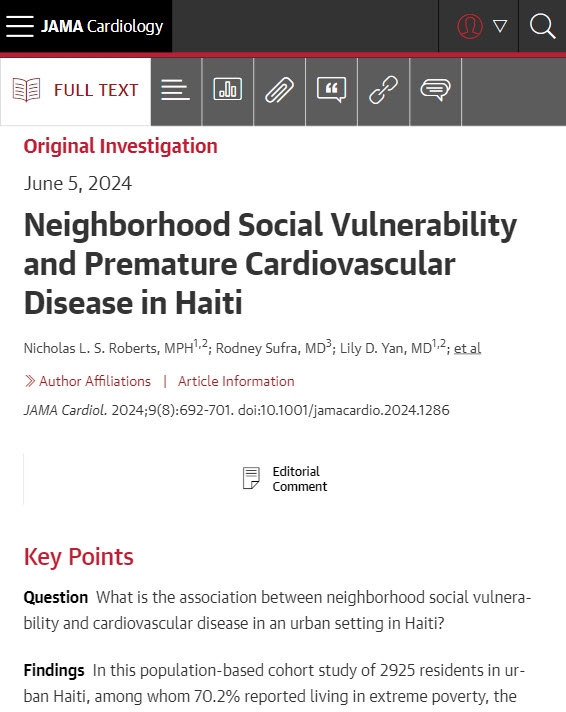
Excited to share our newest work out of @wcmglobalhealth, @WCMGIM and @HGHA_Haiti in @JAMACardio! We find that in Port-au-Prince residents of the most socially vulnerable neighborhoods had much higher rates of premature CVD.
In urban Haiti, individuals living in neighborhoods with the highest social vulnerability had greater prevalence of hypertension and HF. https://t.co/ZOHN2i5CFx
As @NMHheartdoc@HeartDocSadiya say in their editorial: Strikingly, even in the poorest of the poor communities, the social gradient remained extant and without a nadir. Whether well resourced, low or middle income, or desperately poor, the importance of the SDOH remains intact.
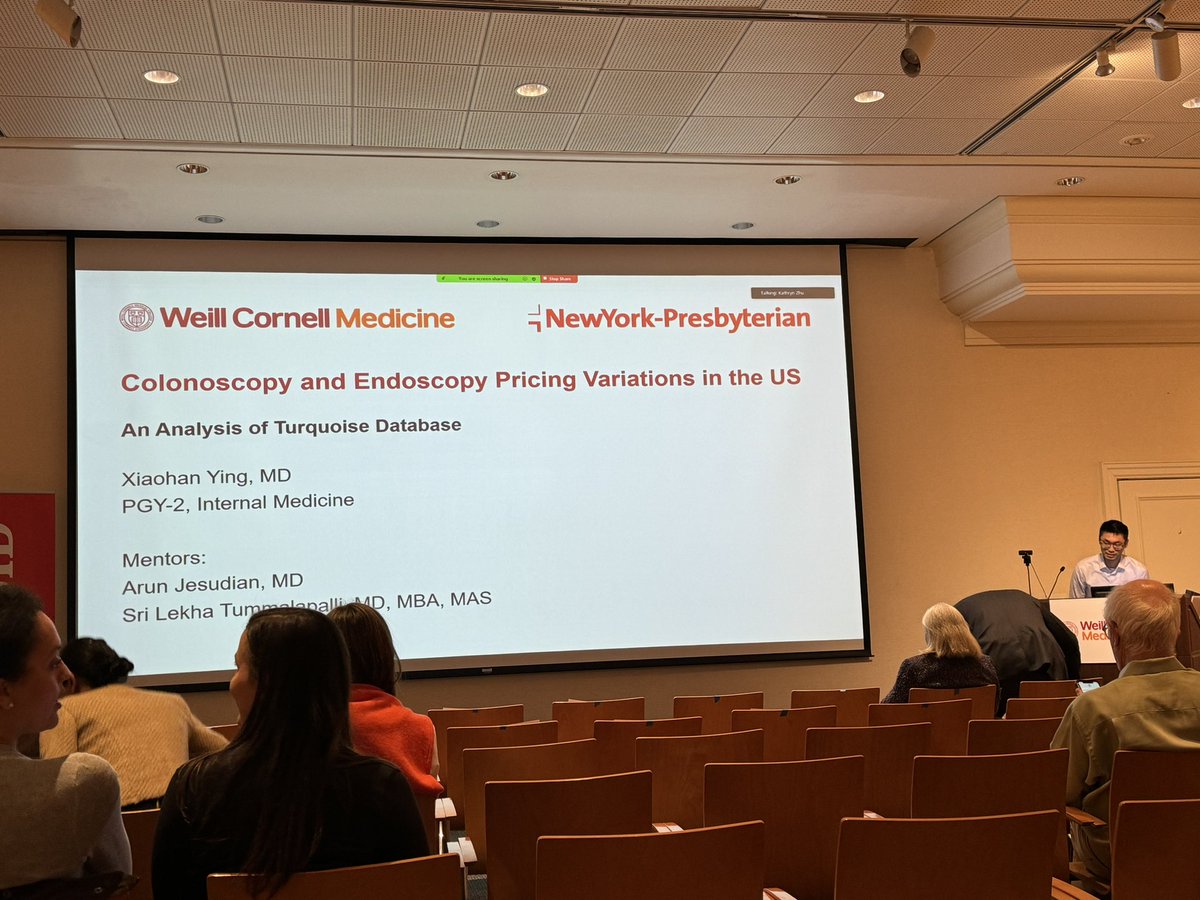
Really fantastic presentations today at the @WCMGIM#PCIHM24 research symposium from IM residents on MASLD screening and the cost difference in endoscopy/colonoscopy! @LTummalapalli
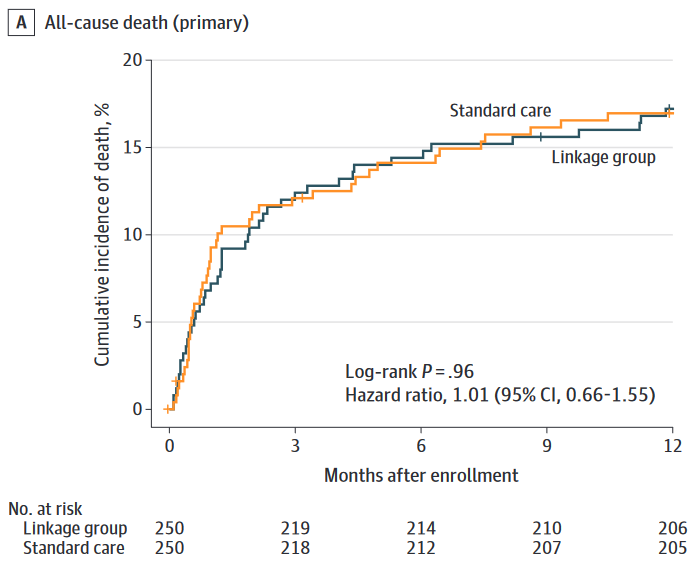
Among hospitalized people with HIV, a linkage case management intervention did not reduce 12-month mortality outcomes. https://t.co/W0OFHDsol2 #CROI2024
More exciting work out of our Haiti CVD team @wcmglobalhealth! This time focused on CKD and the tremendous unmet need for nephrology care in a country with 7 nephrologists total and minimal access to dialysis. @WCMGIM
CKD is a major cause of morbidity and mortality in lower-income countries. This population-based cohort of Haitian adults shows CKD was highly associated with both diabetes and hypertension https://t.co/oamVT2YdpA
@nlsroberts@LTummalapalli
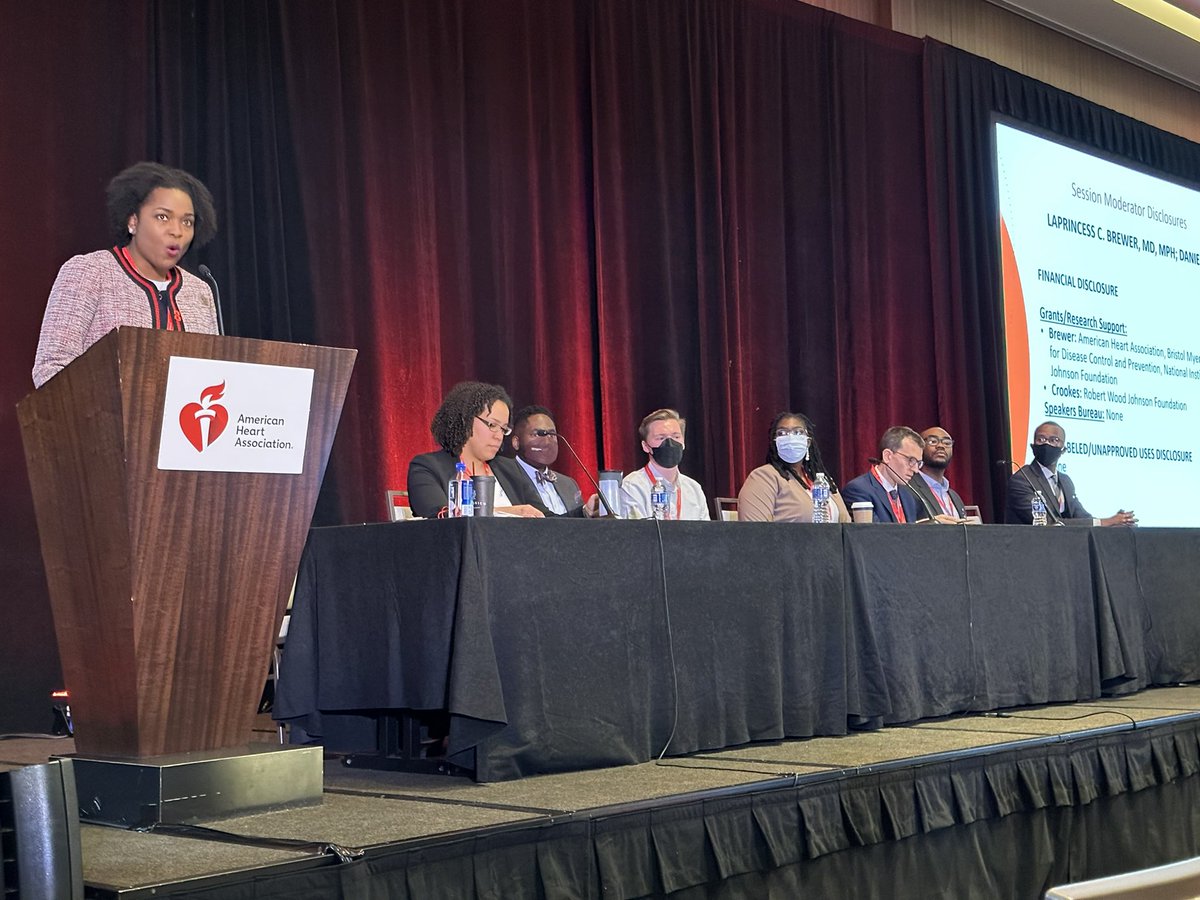
Join us in congratulating 3rd year Cornell medical student and the Center for Global Health’s first WD Johnson Scholar recipient Nick Roberts, who presented on recent CVD research in Haiti at the @American_Heart EPI Lifestyle Conference in Boston today.
Thrilled to present our work on social determinants and cardiovascular disease in Haiti at the Health Disparities and Social Determinants of Health session at #EPILifestyle23!
Social vulnerability drives risk of hypertension and CVD, even in the poorest country in the western hemisphere. Nicholas Roberts MPH, a student from Weill Cornell Med, did a great job describing early findings from the new Haiti CVD Cohort!
#EPILifestyle23
With special thanks as always to the team at the GHESKIO clinic in Port-au-Prince who continue providing tremendous patient care and running our study through the most difficult circumstances @wcmglobalhealth
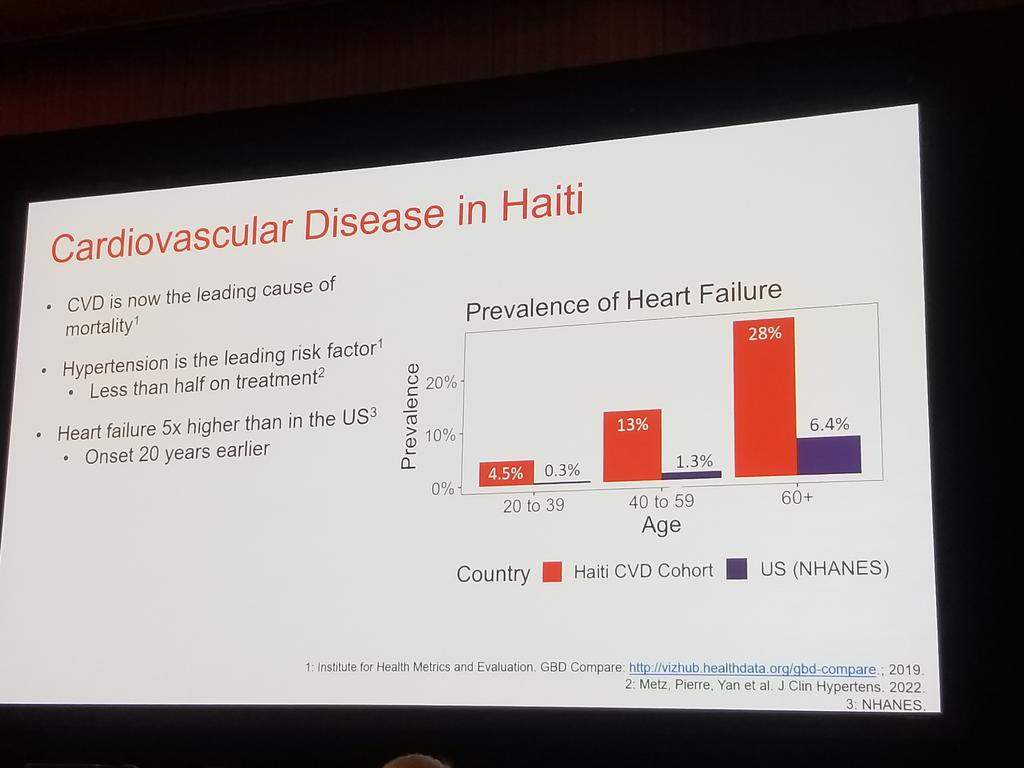
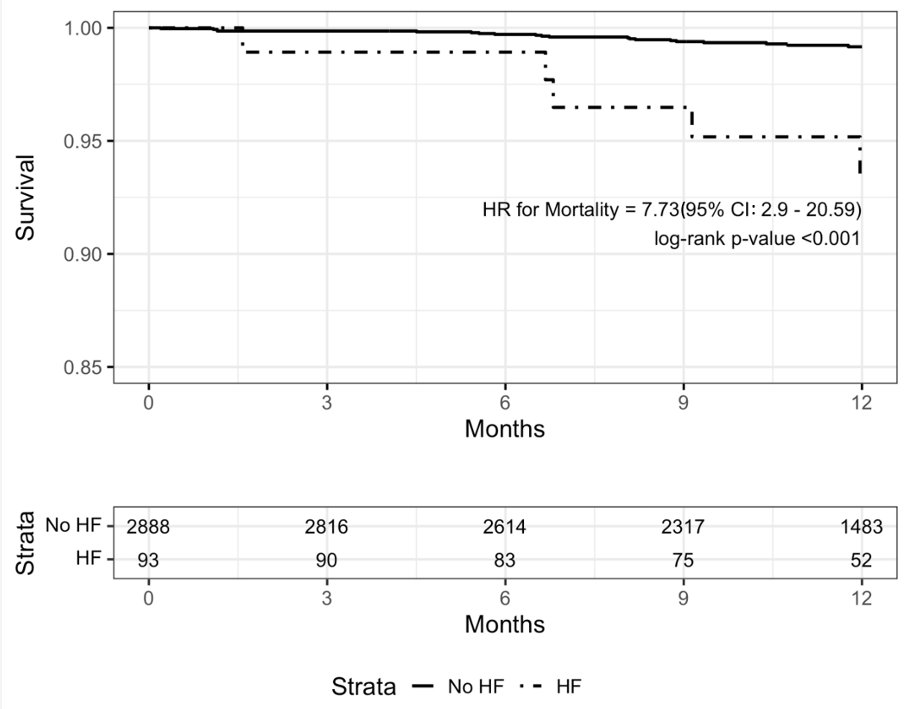
Excited to share our recent study in @CircOutcomes - the first population-based study of heart failure in Haiti with special focus on the overwhelmingly young age of heart failure patients there @wcmglobalhealth
Along with an Editorial regarding our work and the need for more studies focusing on the cardiovascular disease epidemic and specifically heart failure in low-income countries https://t.co/ZE4j8KESHS
Our new @IHME_UW study provides the most comprehensive and data-driven estimates of the global magnitude of snakebite envenoming mortality to date. Securing timely antivenom access across rural areas of the world would save thousands of lives.
https://t.co/85RTle6MKz
So excited to share our work published today in @NatureComms from my time @IHME_UW with a big thank you to my mentors @davidmpigott and the rest of the GBD collaborators who made this possible
NEW #GBDStudy predicts the global mortality rate due to #Venomous#Snakebites will continue to decline BUT not enough to meet @WHO’s goal. Solution? Read more 👉🔗 https://t.co/qNykaJmRi5
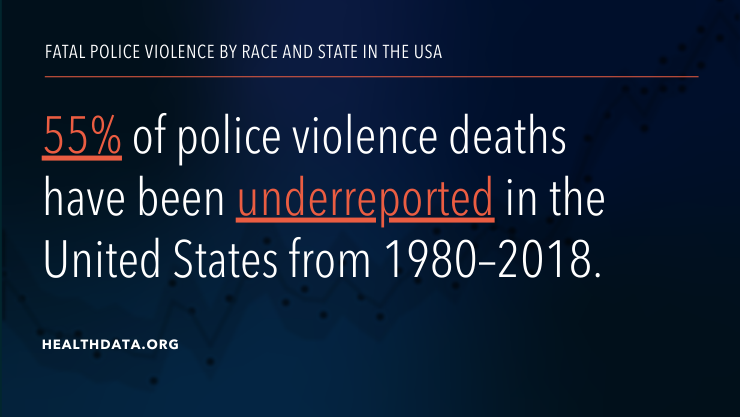
Police killings in America have been undercounted by more than half over the past four decades, according to a new study that raises pointed questions about racial bias among medical examiners. https://t.co/syo64XR4tP
More than half of police killings in the United States are missing from the official data system & Black Americans experience fatal police violence at a rate 3.5 times higher than white Americans, according to our new #GBDstudy published in @TheLancet.
🔗https://t.co/Cn9UDt0452