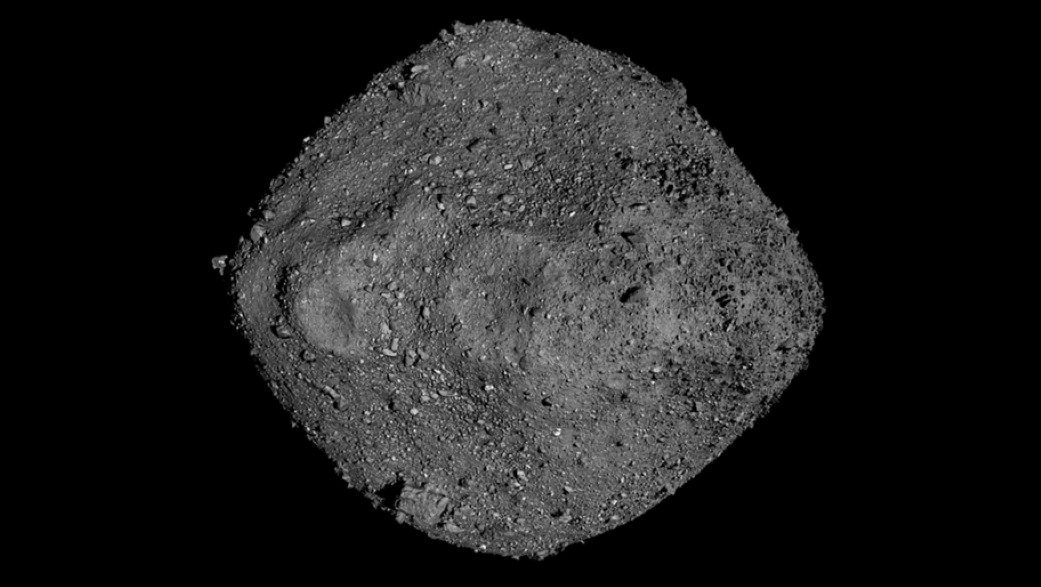
We are just under a month away from NASA’s OSIRIS-REx spacecraft delivering a sample of asteroid Bennu to Earth. Catch up on OSIRIS-REx’s daring journey #ToBennuAndBack and check out the step-by-step of what’s next: https://t.co/bygSde9R0T
Asteroid City, meet #AsteroidDay.
The cast of the movie had a few questions for us about OSIRIS-REx, a @NASASolarSystem mission traveling #ToBennuAndBack to return an asteroid sample to Earth this September. https://t.co/tcmL3zS8Zd
Welcome to the #AsteroidDay campaign!
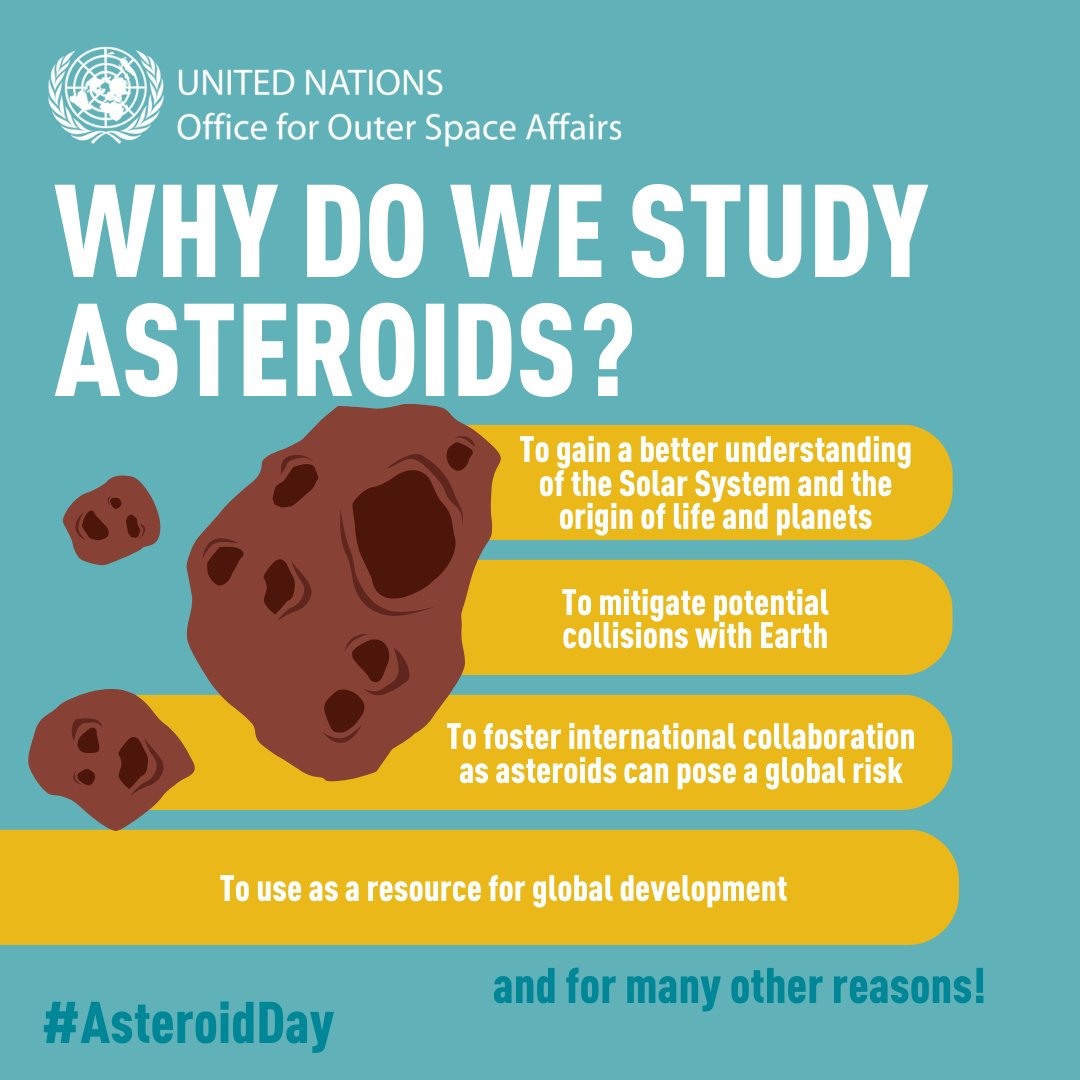
🤔Have you ever wondered why we study asteroids?
🌍They help us under the early Solar System & planet formation.
☄️They can pose risks to planet Earth.
🚀They contain resources for future development.
Follow us to learn more!
Today is National #AsteroidDay 🪨
And the OSIRIS-REx sample will soon have a new home in Houston! Returning to Earth on Sept. 24, scientists are putting the finishing touches on our new curation facility in preparation for NASA’s first asteroid sample delivery.
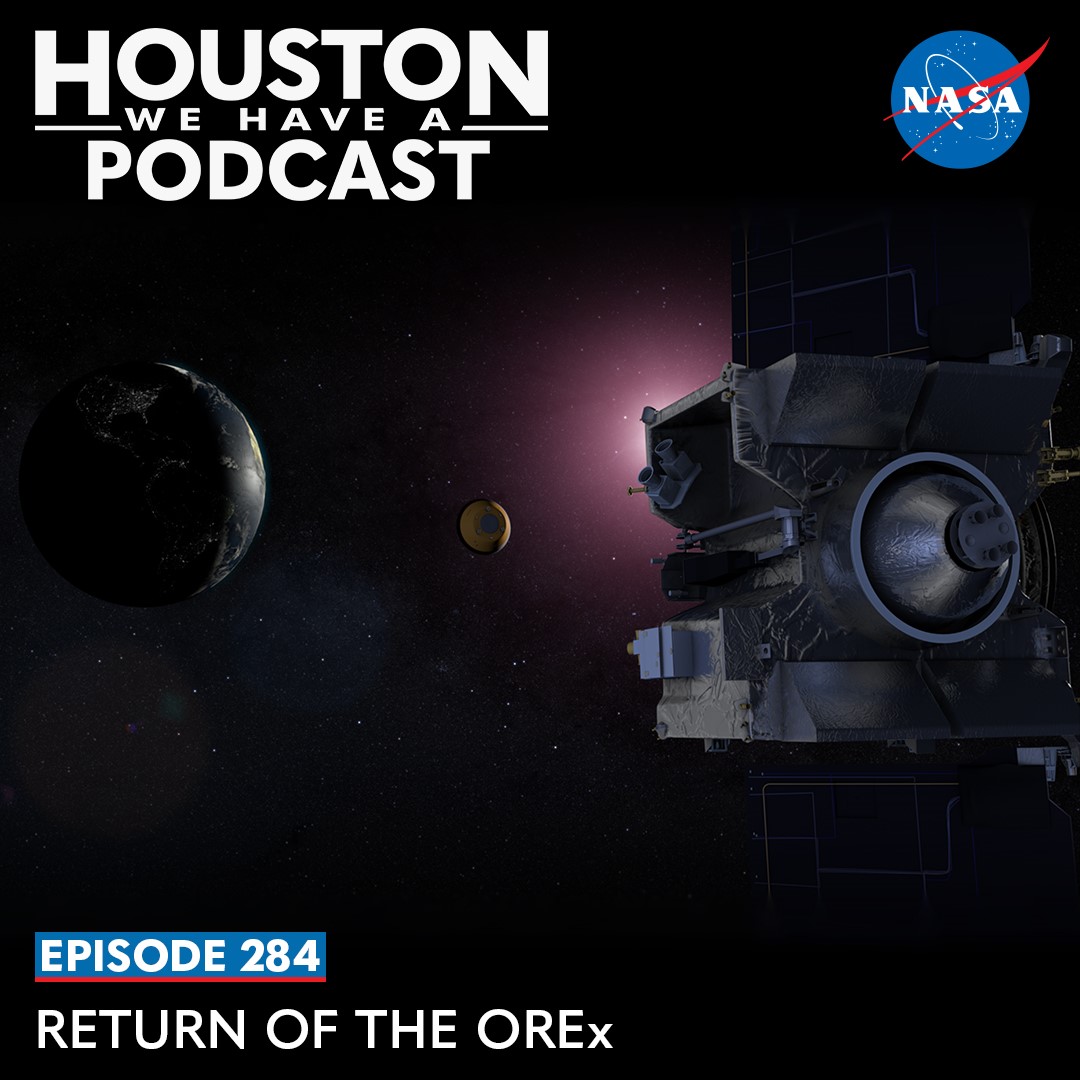
Return of the OREx!
The latest episode of "Houston We Have a Podcast" goes behind-the-scenes as the #OSIRISREx team prepares to receive a special delivery: a small sample of an asteroid.
#ToBennuAndBack
https://t.co/rtXIyGfchk
Did you know that @JAXA_en shared a portion of the asteroid Ryugu sample collected by @haya2e_jaxa, and in exchange @NASA will share a portion of the asteroid Bennu sample collected by #OSIRISREx when it returns next year? Today I was able to see the Ryugu sample up close (left)!
Jupiter's Trojans are asteroids that follow essentially the same orbit as Jupiter. More than 7000 Trojan asteroids are known in Jupiter's orbit . 624 Hektor is the largest one and named after the Trojan prince Hector, from Greek mythology. 🌌
#AsteroidDay
It's #AsteroidDay! Learn how our planetary defense experts track & monitor these rocky remnants from the beginning of our solar system: https://t.co/6K9yzFHIdS
🛰️ Bonus: meet our upcoming asteroid missions Lucy, Psyche, & DART!
There are more than 1 million known asteroids in our solar system. On #AsteroidDay, take a look at the scars that a few of them have left on #Earth. https://t.co/qmywPdQvhk
At NASA, every day is #AsteroidDay! From our missions exploring asteroids – some even returning samples to Earth – to the efforts to find and track near-Earth objects and protect our planet from potential impact hazards, we're always looking to the skies: https://t.co/3gY7dqLLTX
This is the last image that OSIRIS-REx took of asteroid Bennu, its companion in space for the past 2.5 years. The image shows crescent Bennu with its night side melting into the black of space.
We’re not crying. You’re crying 😭 #ToBennuAndBack
https://t.co/334Mx0cHVM