Genomic tests don't always find a diagnosis for rare disease patients, but what if we look again? Our paper in @GIMJournal describes a #bioinformatics tool that can help #NHS labs to reanalyse genomic variants using the dynamic @PanelAppTeam database 🧬: https://t.co/YGcf1zg3dg
•Are you a data scientist / bioinformatician / computational biologist?
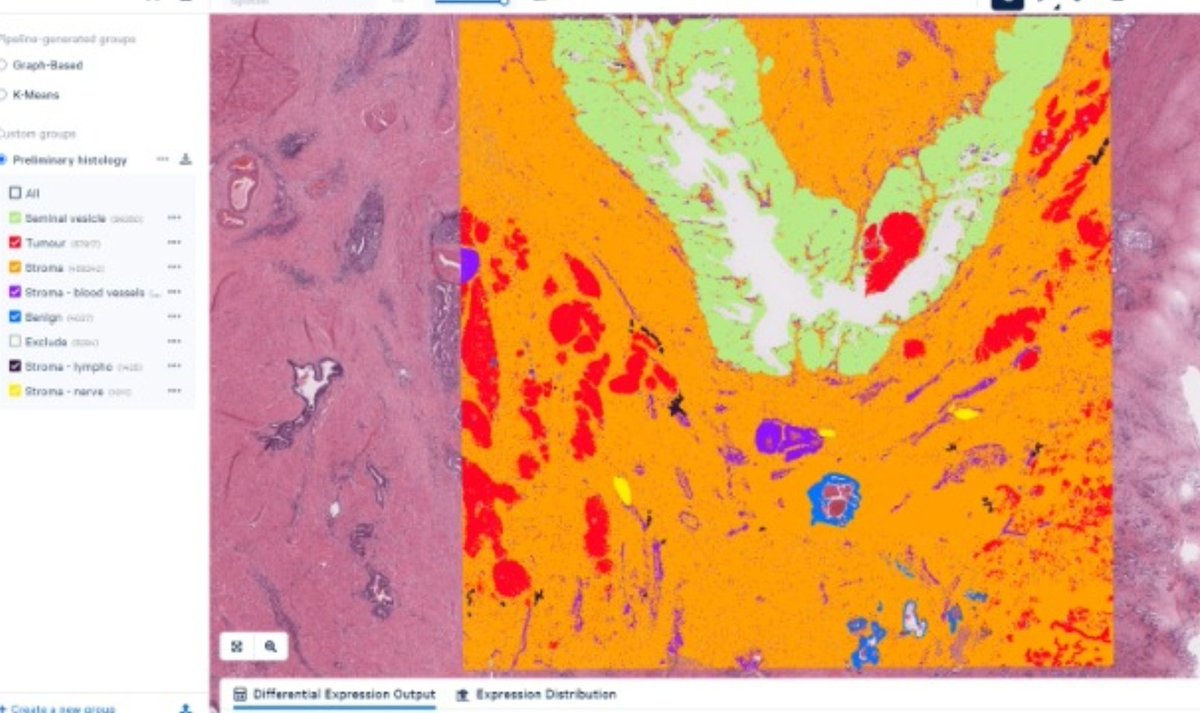
•Are you interested in #SpatialGenomics?
•Do you want to apply your skills to big questions in #ProstateCancer?
Apply here!! 👇 (closing date 12th Feb)
https://t.co/GsDgcfUWxa
#SPACE_Study#Organscale
Beyond excited to share our work on the reciprocal interaction between metastatic cancer cells and AT2 cells now published @Dev_Cell ! 🧵 [1/15]
https://t.co/7p6cnzvyl6
GoT-ChA!
I am thrilled to announce that our paper "Mapping Genotypes to Chromatin Accessibility Profiles in Single Cells" is now out in @Nature !!
👩🔬👨🔬🧬If you want to link somatic mutations to epigenetic changes directly in patient samples:
https://t.co/M9Y3wEvpuW
👇🧵
Important reasons why negative results and failed experiments should be reported in the #scientific literature. Reporting by @RachelBBrazil.
Illuminating ‘the ugly side of science’: fresh incentives for reporting negative results https://t.co/DVEoGvdGB5
We will be looking for new group leaders, with focus on (AI) methods, and especially young scientists. We evaluate by potential not just your current track record - great place to start a lab (speaking from experience!) - contact if interested, & please RT
Generative AI can craft impressively eloquent text, but is it ready to mass produce lay summaries of research articles?
Though it may be on the right track, there are still some drawbacks to watch out for.
New from me in @NatureIndex
https://t.co/Tn2WvtWXLO
Had a great time presenting the components of project MAIRA (https://t.co/eOhXOwJPfK) at @TheCrick's AI club.
Thanks @sea_shunned and @nmensah5 for inviting me to the #CrickAIClub!
(credit to @_hylandSL for the slide on the left and many more)
This great article from @markowetzlab sets out why almost all models fail to be translated into the clinic and suggest solutions.
The same arguments apply to all clinical #genomic tests and associated #bioinformatics.
A thread on my own experiences.
https://t.co/dsBUavwPKv
Great application of DNA language models to prokaryotic genomes. Excellent impactful application use cases of the model. Congrats to all the authors!
But a quick answer to the first question. No - DNA is not all you need. 1/
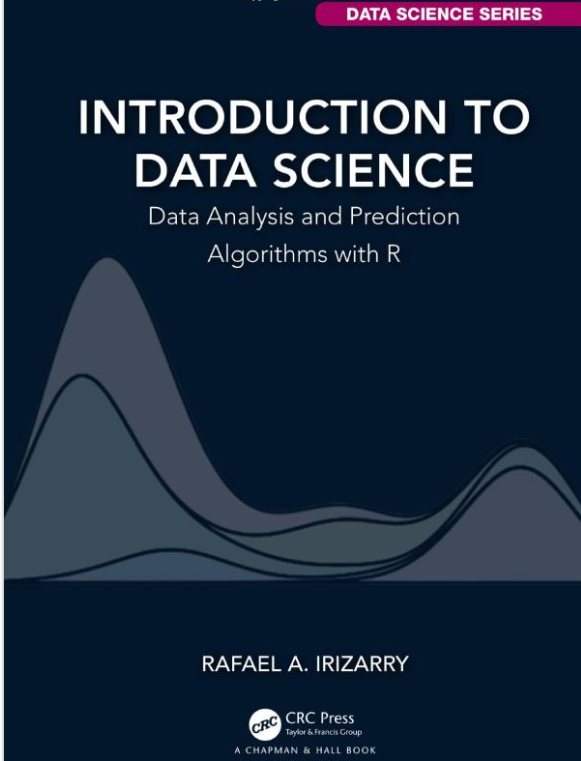
📣A second edition of our Introduction to #DataScience is on its way, now split into two books.
After teaching the course this semester, we've made significant improvements. Current drafts are online:
📘Intro: https://t.co/8DaGbDP4nq
📙Advanced: https://t.co/boveOOXb5Q
#rstats
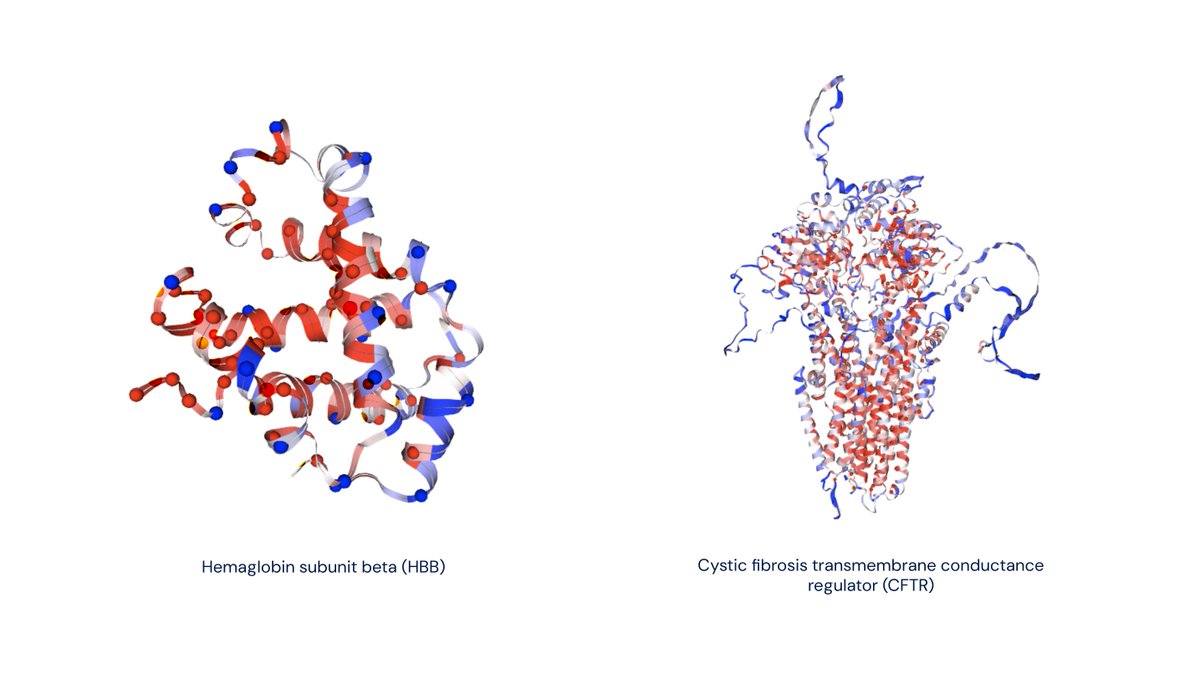
AlphaMissense, a tool by DeepMind, can help researchers learn more about the effects that missense mutations have on disease, and could help identify previously unknown disease-causing genes, according to a new Science study.
Learn more: https://t.co/GzKVdnUS5I
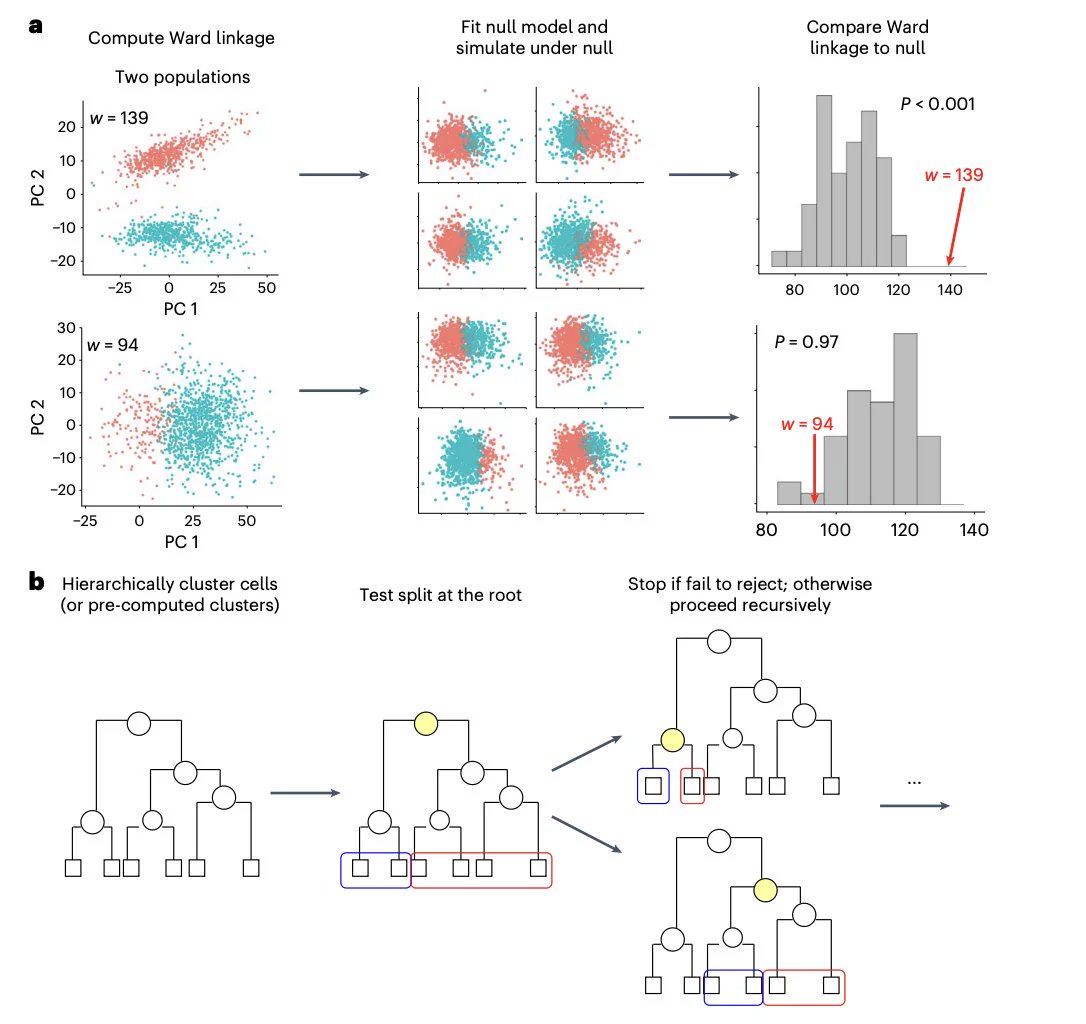
Clustering algorithms report clusters even when none exist. In single-cell RNA-Seq pipelines, novel cell types are often identified by clustering algorithms. Expanding on Kimes et al.'s work, we introduce significance analysis for single-cell RNA-Seq data: https://t.co/ut1kPjKVCM
25 April marks the 70th anniversary of the discovery of the structure of DNA. In the run-up to the anniversary, we’re exploring how some of the science related to the discovery has evolved since then.
Today we’re taking a quick look at DNA replication with @DiffleyLab#DNADay23
Have you heard of Link23?
It’s an exciting new initiative dedicated to making genomic tools that work for everyone: https://t.co/nQqkZrkoS5.
Tomorrow is the official launch (29 March, 2pm BST) - don’t miss it! https://t.co/CjhlhHLVLV
T-minus 6 days to the public launch of the new global initiative, link23 🚀
link23 focuses on practical solutions to increase equity in genomics by making tools that work for everyone.
Join us for the virtual launch on 29 March at 2pm - https://t.co/3oZvulx8XC
@Maxi_Macki
Excited to share this work, collab with @mikelove et al!!
Diffsig can test the association btwn mutational signatures and “risk factors” which can be any variables of interest – continuous or categorical – and multiple risk factors can be tested at once:
https://t.co/kVbeuL1L1K
After years of constructions & one of the biggest investment in scientific infrastructure in SA (ZAR 1.5 billion), we finally open the largest genomics facility in Africa! Together with collaborators, we will advance genomics in Africa to the next level! #Science#Africa
We are thrilled that our new paper has been published by @Nature. In it, we explain how our novel pre-sequencing workflow and analysis software enables the ability to interrogate genetics and DNA #epigenetics in a single workflow
Read the full paper 👉 https://t.co/Dc6LpQNOQc