Tonight's full Moon has an atmosphere too — just extraordinarily thin.
With about a quadrillion times fewer molecules in a given space than Earth's, it’s so sparse that space rocks strike the surface directly instead of burning up! https://t.co/Li8hlinNDy
📸 NASA/Bill Dunford
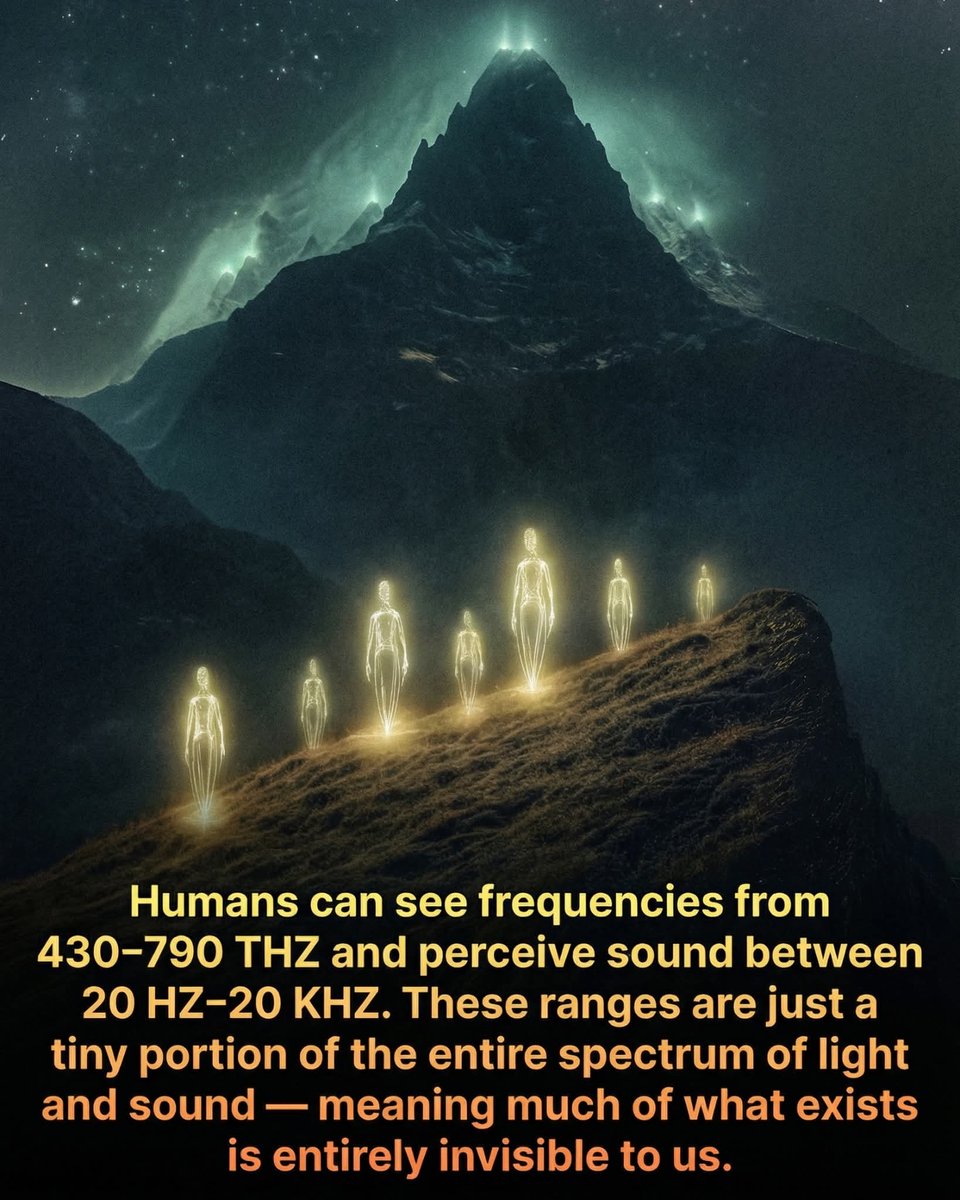
Humans are nearly blind — sensing less than 5% of the physical universe.
Most of physical reality is literally invisible to us. Yes, seriously.
Our perception of reality is a narrow window. While we navigate the world through sight and sound, our biological hardware only captures a tiny fraction of what actually exists. Human eyes perceive a slim band of light between 380 and 770 nanometers, while our ears are deaf to anything outside the narrow range of 20 Hz to 20 kHz. This leaves a vast spectrum of ultraviolet light, radio waves, and ultrasonic frequencies buzzing around us completely unnoticed. Even as modern technology like infrared sensors unveils these hidden layers, we remain largely oblivious to the invisible forces—such as the billions of ghostly neutrinos passing through our bodies every second—that define our physical existence.
The true scale of our sensory limitation becomes even more profound when looking toward the stars. Scientific estimates suggest that a staggering 95 percent of the cosmos is composed of dark matter and dark energy, substances that remain entirely beyond our current ability to sense or detect directly. While we have developed sophisticated tools to bridge these gaps, we are still only scratching the surface of a reality that is predominantly invisible. This hidden architecture suggests that what we call "reality" is merely the tiny sliver of existence we have evolved to perceive, leaving the vast majority of the physical world a mystery waiting to be decoded.
source: National Aeronautics and Space Administration. (2024). Anatomy of an Electromagnetic Wave and the Universe Overview. NASA Science.
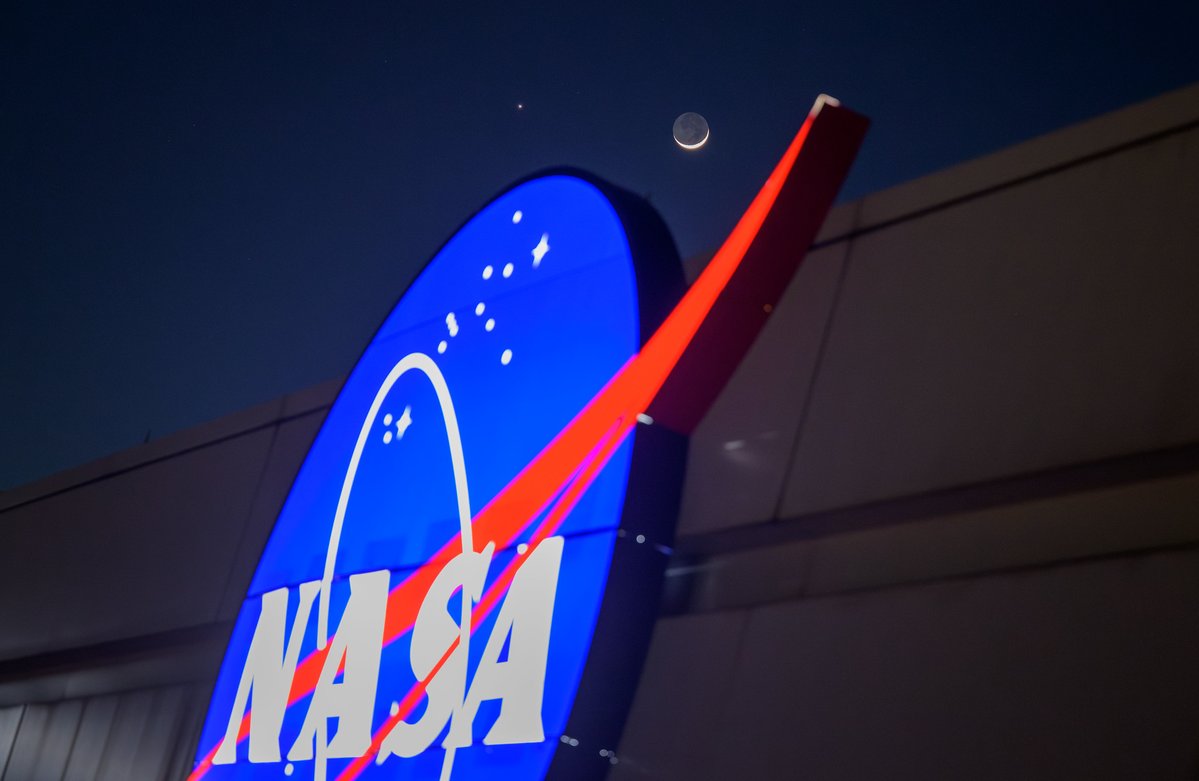
Did you miss the conjunction of Jupiter and Venus last night? You didn't! Not really, because the pair will still appear close together tonight. Look to the western sky after sunset. In this view from June 10th, see if you can spot Mercury near the horizon as well.
Did you catch the Moon-Venus conjunction?
On the night of May 18, our Moon and Venus had a celestial meetup, called a conjunction. Their position in the sky made them appear close together, despite being millions of miles apart in space.
It’s #SunDay! Here’s your space weather report for the week of April 24 - 30:
• 2 X-class flares
• 14 M-class flares
• 18 coronal mass ejections
• 0 geomagnetic storms
This video from NASA’s Solar Dynamics Observatory (SDO) shows the week’s solar activity. Two X-class flares erupt on the right side of the disk at the beginning of the week. On April 29, a few spacecraft calibration maneuvers make it look like the Sun is dancing.
Find out more about flares & coronal mass ejections: https://t.co/dZeybRY8A8
What’s in the night sky for May?
In this month’s episode of “What’s Up,” see how to spot the Eta Aquarid meteor shower, find out when we’ll get a blue moon, and learn more about a celestial meetup between the Moon and Venus.
Happy skywatching! https://t.co/2VCImgLyGD
Artemis II is locked in 🔒
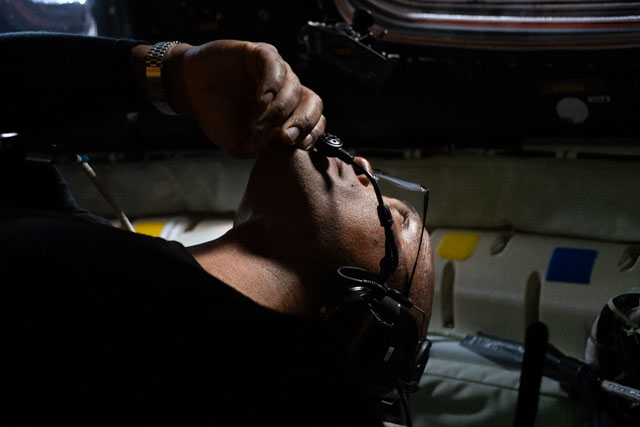
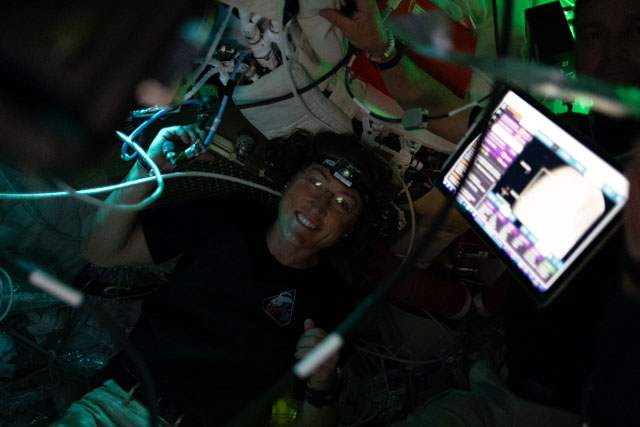
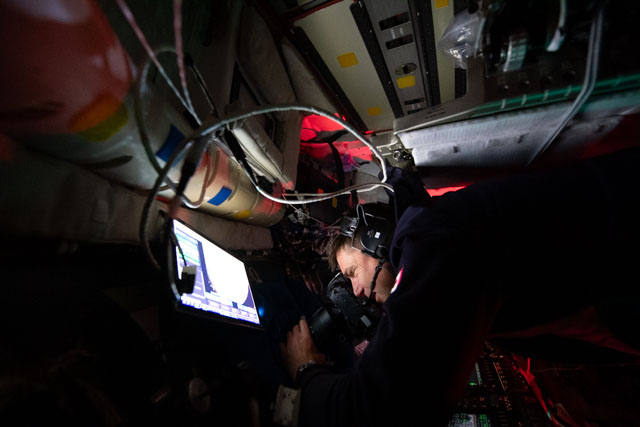
As they flew around the Moon, the Artemis II crew took turns capturing science data and taking photos out of the Orion spacecraft window to share with their team back on Earth.
United Launch Alliance announces the arrival of our Atlas V rocket at its Cape Canaveral pad to launch Amazon Leo 5, currently planned for Sunday at 3:53 a.m. EDT (0753 UTC).
ULA will deliver 29 satellites into orbit for this fifth Amazon Leo mission, marking the largest and heaviest payload ever for the venerable rocket. Previous launches last year carried 27 spacecraft each.
The increase is a result of detailed work between ULA and Amazon, and is made possible by an extensive engineering and safety analysis that capitalized on the additional performance margin, adding a fourth level to the previous three-tier dispenser configuration for Atlas V.
https://t.co/InrlinJNCk // @AmazonLeo
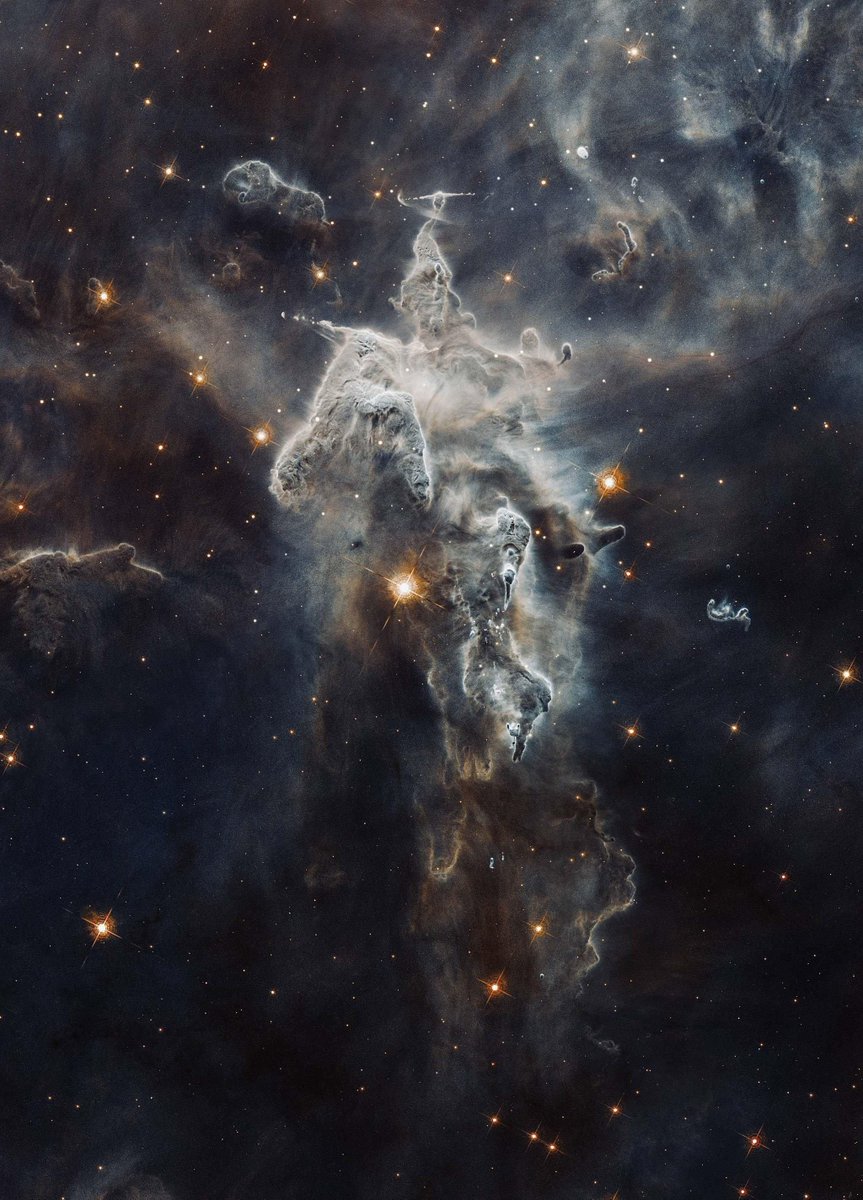
This is one of the best space images ever.
You are staring at the Carina Nebula.
This entire structure is three light-years tall.
7,500 light-years away from us.
Let’s get to the heart of it. 🧡
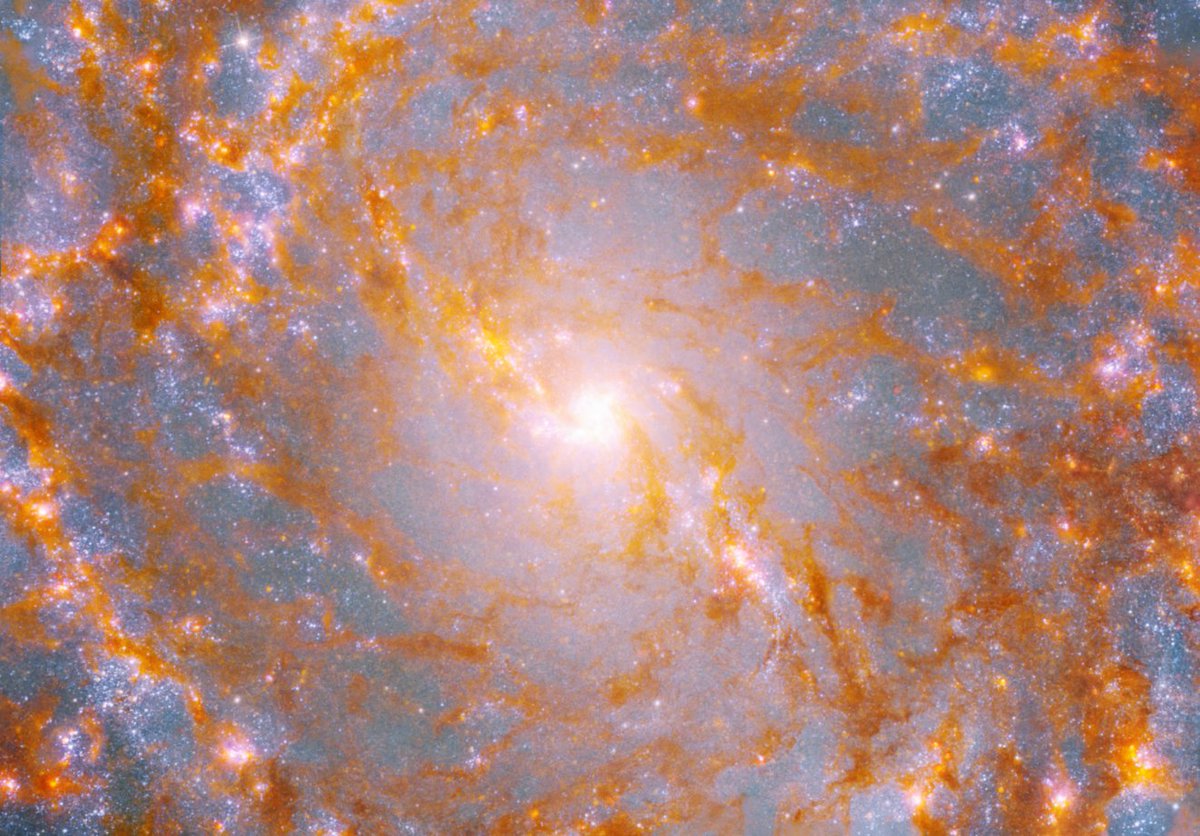
This new image from Hubble and @NASAWebb takes a closer look at the core of Messier 101, also known as the Pinwheel Galaxy.
At 25 million light-years away, M101 is one of the closest “face-on” spiral galaxies to us: https://t.co/LugPeuOu1T
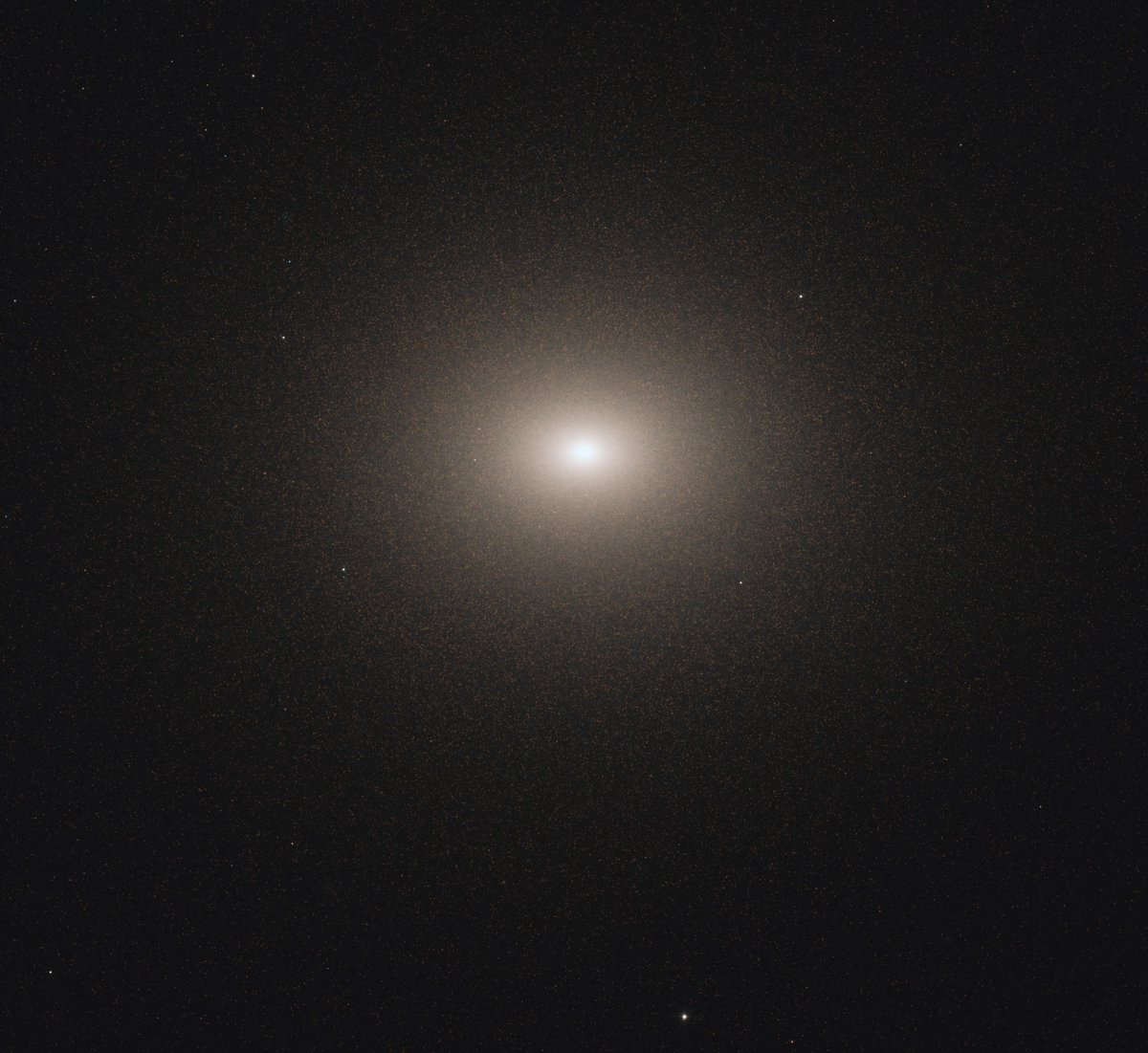
Messier 32 is a friend of a friend.
This galaxy orbits the Andromeda Galaxy, our Milky Way's closest major galactic neighbor.
M32 is one of two satellite galaxies orbiting Andromeda: https://t.co/2zLskyRgf9