If you’ve enjoyed News Deeply content you are warmly invited to check out The New Humanitarian, where you’ll find access to the Deeply Humanitarian archive as well as @NewHumanitarian’s latest reporting on crises. https://t.co/VSOMw90rrn
(7/7)
Over nearly a decade we produced journalism in the spirit of global public service. We’ll now be looking at new ways to continue our positive impact on the humanitarian sector and the global media ecosystem. Stay tuned for more projects from the @NewsDeeply team. (6/7)
Through this partnership with The @NewHumanitarian we’ll collaborate on upcoming events and special initiatives on vitally important issues. We’re also sharing what we’ve learned about in platform development and business model innovation to strengthen their road ahead. (5/7)
This is vitally important to us, as we know our articles are an important contribution to the historical record. The new Deeply Humanitarian page with all of our archived reporting lives here: https://t.co/KYIORPV2yd. (4/7)
Our early coverage of #Syria’s war, water scarcity (and accelerating wildfires) in the American West, pandemic response, ocean health, refugees, child malnutrition, women's advancement, Arctic development and other critical issues will live on the @NewHumanitarian’s website.(3/7)
This week we’re launching a broad-based partnership with The @NewHumanitarian, a publication we have long admired for their coverage of global affairs. (2/7)
Dear Readers and Friends, It’s been months since we paused our reporting and slowed down to reexamine our work at News Deeply. We want to share some updates with you on where that work goes next. (1/7)
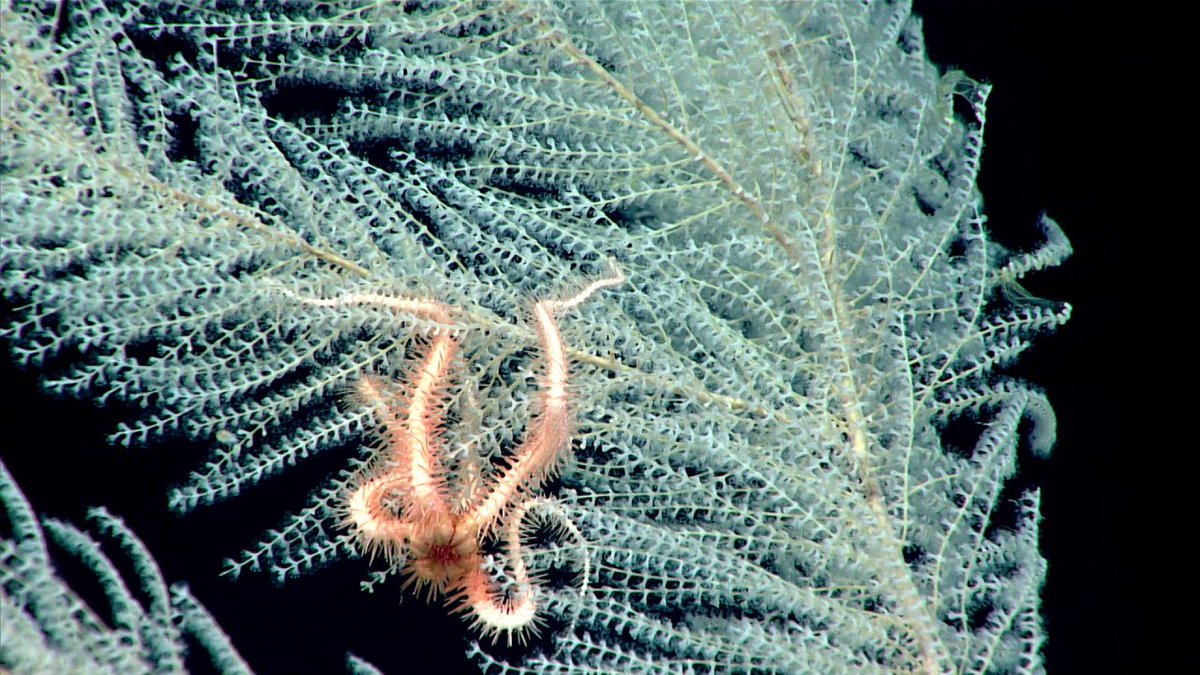
In June, a @NOAA@oceanexplorer expedition set off to explore a poorly understood region of the deep sea. Here are some of their most surprising discoveries @CoralReef_KC https://t.co/uswC9YqCYD
"Most people don’t even know what they’re eating half the time, let alone whether it’s farmed or wild. They just see fresh fish and they think, 'Oh, it must be good.'" https://t.co/kR34xVjWzL
“I think that there is an urgent need to stop or drastically reduce escapees and genetic introgression into wild salmon populations" https://t.co/5T8pRWkdp2 @oceansdeeply @allybland @EvaThorstad
To prevent farmed Atlantic salmon from breeding with wild populations, scientists are urging aquaculture companies to consider raising fish that won’t reproduce. Via @allybland.
@RSocPublishing@UEAResearch
https://t.co/rv09KCprpA
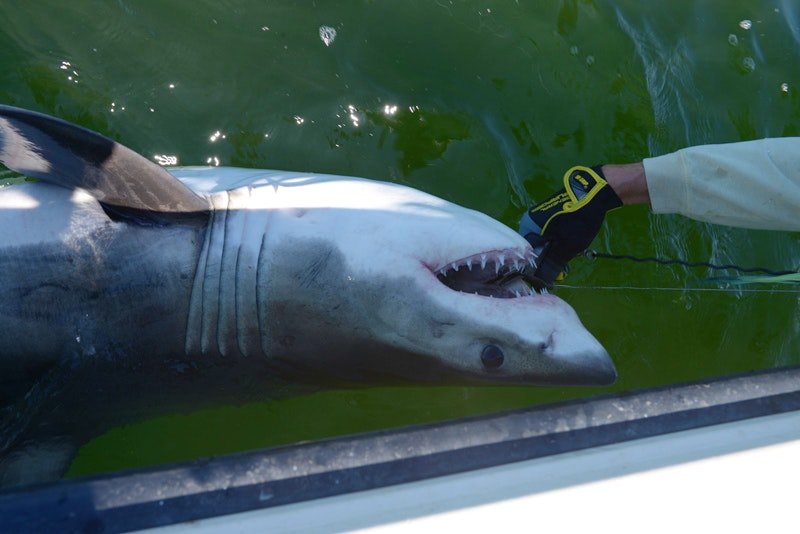
Reporter @ErikHoffner joins @NOAAFisheries' @Mojoshark & @nyaquarium researchers aboard a tagging expedition in the 'great white nursery' of the East Coast.
Story: https://t.co/JrYI4HCMfQ
"We’re at an unprecedented moment where false information is spread and facts are being undermined. Decision-makers want access to the data they need to make the right choices for environmental and social issues." https://t.co/y3haRV2Xsy
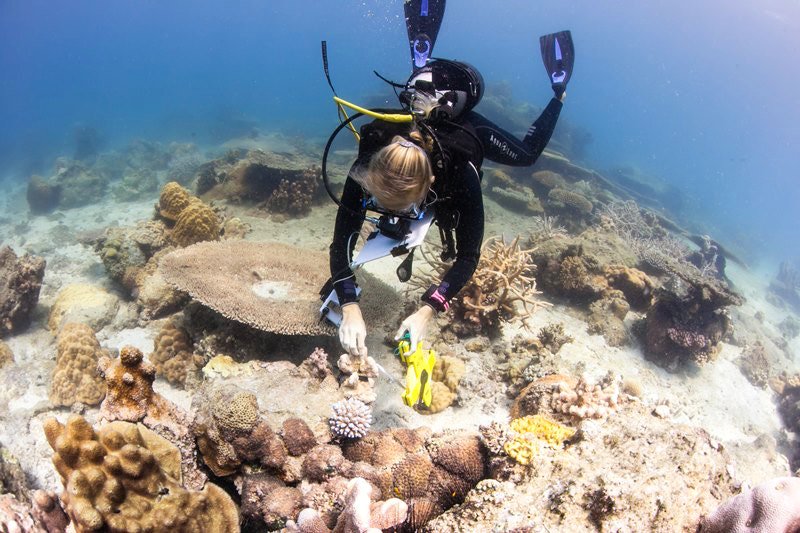
Scientists say it’s only a matter of time before the next #coralbleaching event strikes. @CoralReefWatch is working to make a more accurate forecast. https://t.co/rCl2eKGwLM
.@resource_watch from @WorldResources is aiming to curate, decipher and connect open ocean data for scientists and policymakers, regardless of your data expertise. By @readingirl https://t.co/y3haRV2Xsy


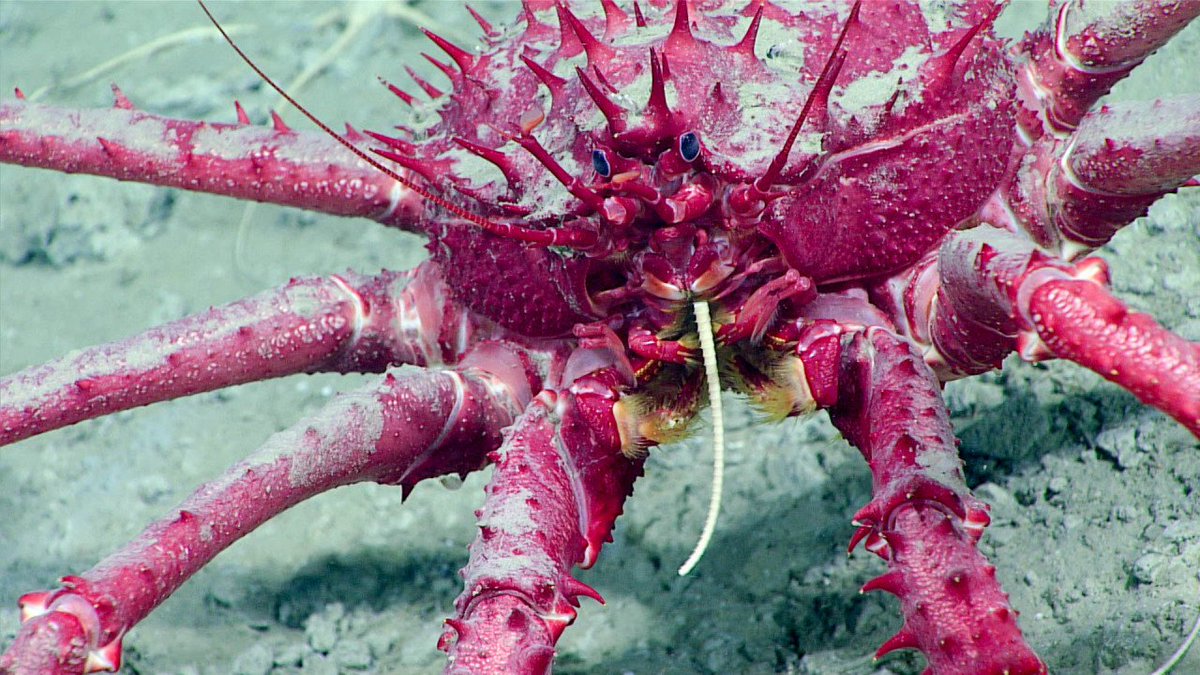




![oceansdeeply's tweet photo. [PHOTOS] “Well, that just goes to show we know nothing about the deep sea.” https://t.co/uswC9YqCYD https://t.co/AMCXBjq69W](https://pbs.twimg.com/media/Dl8W9LAX4AAoWNm.jpg)