The cheap volume wins in the article. Proven hooks, stitched CTA, agent runs the batch. The part that doesn’t transfer is order. If the main pipeline has no finished draft yet, adding the shorts path now splits focus across two unproven systems. One has to ship clean first.
What helps with the steps in the article:
• https://t.co/VTgDwvr86g : Handles the mass scrape of viral hooks and automatic CTA stitching in one batch. Direct open source version of the core pipeline without the paid tool.
• https://t.co/C1uZHeie2X : Structures agent goals and tracking so the “tell Claude make 10 vids and schedule” command stays reliable instead of breaking on every run.
• Postiz (the scheduler the article actually uses): https://t.co/dtuogFD4Na — pushes the whole month of stitched videos to YT, TT and IG automatically so the once-a-month check-in stays light.
@arena GLM-5.1 winning shows how much these rankings fluctuate. I moved from it to Claude Opus and cancelled OpenAI. Better to keep a few strong models and use the right one per task.
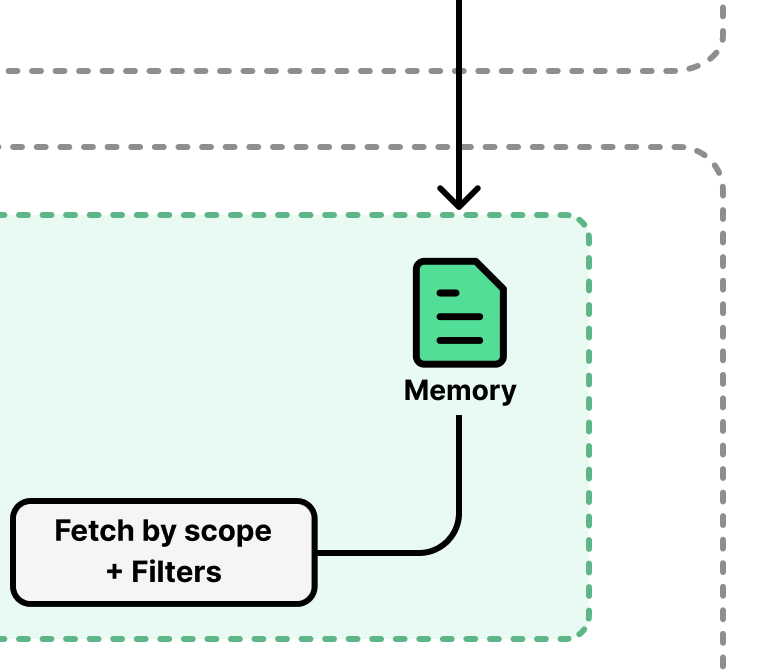
@alexxubyte The most interesting and least explained part is Memory. How consolidation, pruning, decay, and conflict resolution between global and personal memory actually work.
@adengpt Built an agentic system for marketing assets of the app I’m going to publish.
It produces TikTok video drafts and is expanding to full UGC deliverables.
“Milk the Winner” and “Distribution First” principles from your post turned out very useful.
@cyrilXBT I see what you mean.
After a month with the vault, agent output became noticeably less error-prone. They now hold much more project context — like working with a senior who knows all the architecture decisions.
@_catwu The new dynamic workflows are fast. My architecture with agents and gates is ready for integration. Still not sure I want it right now — autonomous loops are exactly where cost tracking matters.