The Movement Lab has a new website ✨
A look at what we've been working on: humanoid robots, physics-based animation, and robot learning.
https://t.co/x7yXa4SzNa
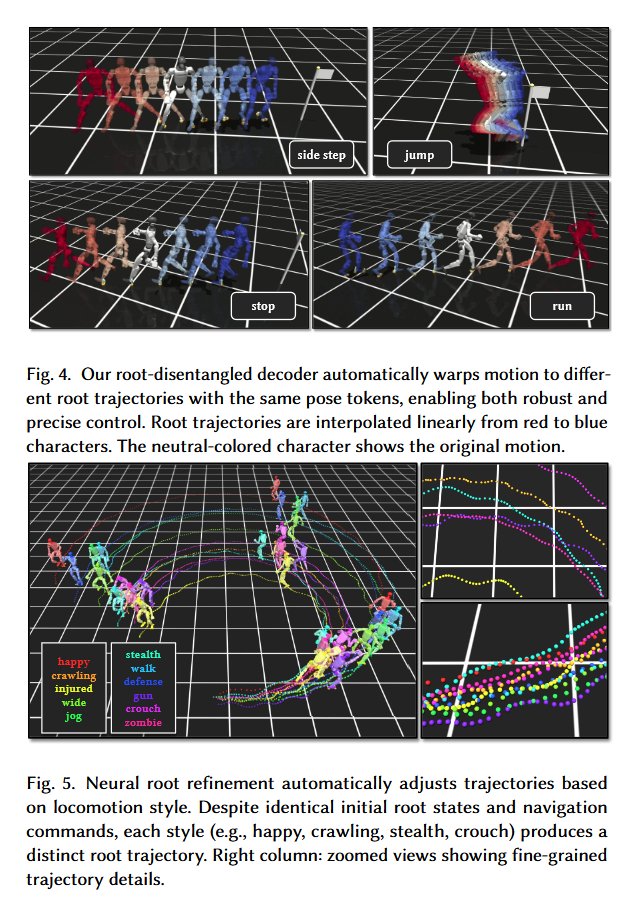
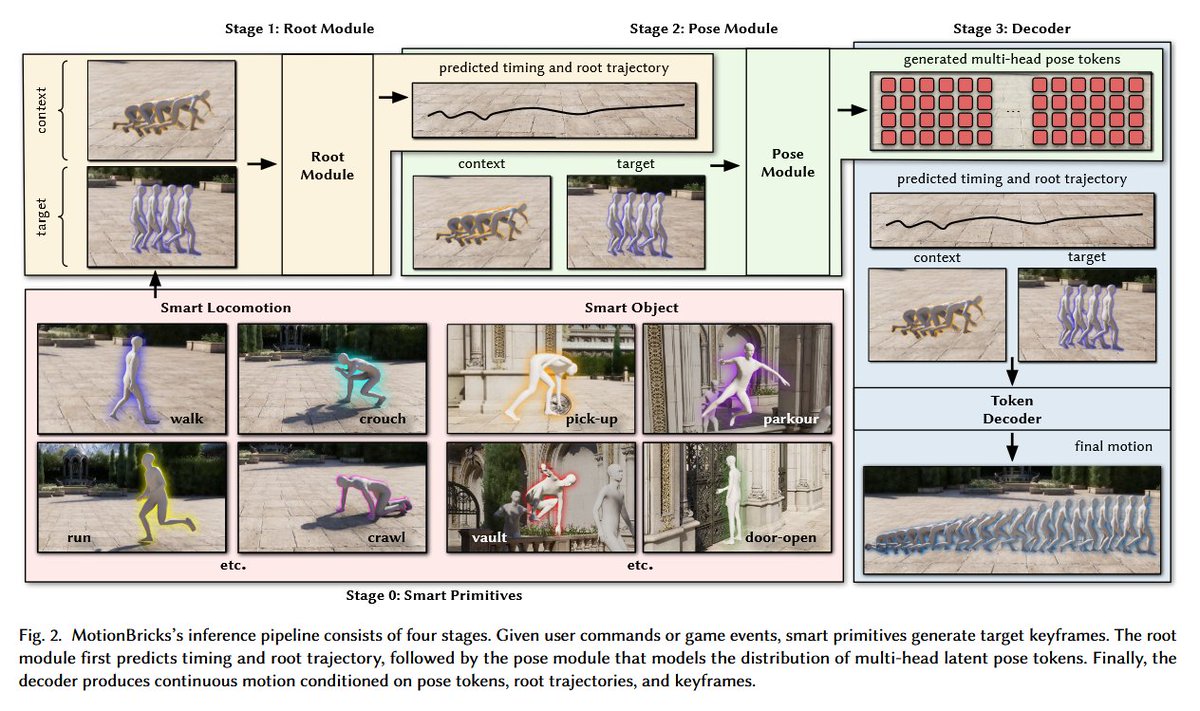
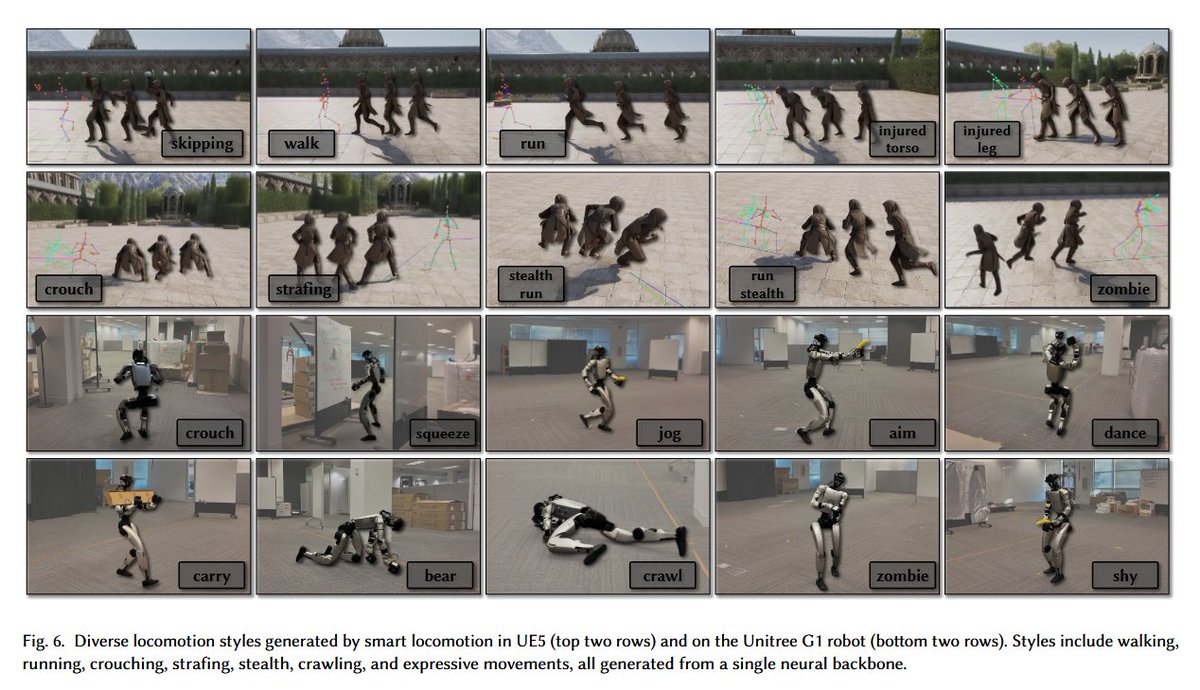
Nvidia researchers have MotionBricks, a real-time motion synthesis framework designed to bridge the gap between generative models and the practical demands of animation and robotics production.
https://t.co/NuSx70RyV9
5.3-codex will 100% implement TO SPEC and TO TASK with absolutely ZERO drift. Thats GREAT for focused and clean implementations and tasks.
BUT TERRIBLE for codebases that require even the SMALLEST bit of elaboration/thought beyond the task.
I just had codex add in an 'out of memory' blocker for a task that was crashing WSL. He did. It worked. It also prevented the rest of the tests from running because they would 'crash WSL with an OOM'.
5.4 fixed it by making sure that OOM didnt go off by running in CHUNKS with continuation. 5.3-codex didnt think beyond "make sure tests dont crash WSL with OOM".
Thats the difference. And its quite the gap when working on sprawling codebases like mine.
@XProfessah@0xSero The benefit of lacking reasoning beyond spec is that it encourages original thought. You’ll realize there’s official intelligence to be found and artificial intelligence to be exposed
Gpt 5.3 codex in my experience is far superior to gpt 5.4 and opus 4.6 at programming. I’m much more successful at it. It has its own autistic German scientist aura, just knows what it’s doing and hallucinates much less with increasing context windows
https://t.co/QRuVmj23y8