@AravSrinivas The subtle difference between a "Research Max" vs "Labs Max" query is a bit confusing (https://t.co/hRmPvlLRpu).
My understanding and experience so far has been that "Labs Max" is much better. Is there any scenario where "Research Max" is preferable over "Labs Max"?
Very happy to officially share the high-coverage 1000 Genomes Project (1kGP) whole-genome sequencing (WGS) resource, out today in @CellCellPress! https://t.co/c80b5bj1H2 (1/7)
My team @nygenome is growing. Looking for a highly motivated, detail-oriented Bioinformatics Programmer to help us develop novel tools for whole-genome sequencing data analysis. Please spread the word: https://t.co/Uz9OJBIBE0
From @lh3lh3 et al., if you were waiting for a description of what minigraph (https://t.co/o08ri2zwiC) is doing that's higher-level than the C code :) . Looks like an exciting read!
CNVs should be classified consistently between patients based on evidence, with a discussion of clinical significance for individual patient in the report say ACMG & @ClinGenResource in new technical standards https://t.co/VNsJ9wJa3T #CNVs#medicalgenetics@AMPath@GeneticCouns
1/ shapley values (and the Python shap package) have become an *integral* part of my machine learning methodology
I’m surprised by how many people still don’t know about them
https://t.co/MZEa3u4bsT
Bioinformatician: Annotate all the data. Insights will be obvious!
Statistical geneticist: Cluster and plot big data. Insights will be obvious!
Software Engineer: Make an API to the data. Insights will be obvious!
PhD Advisor: Stare at data. Insights are obvious!
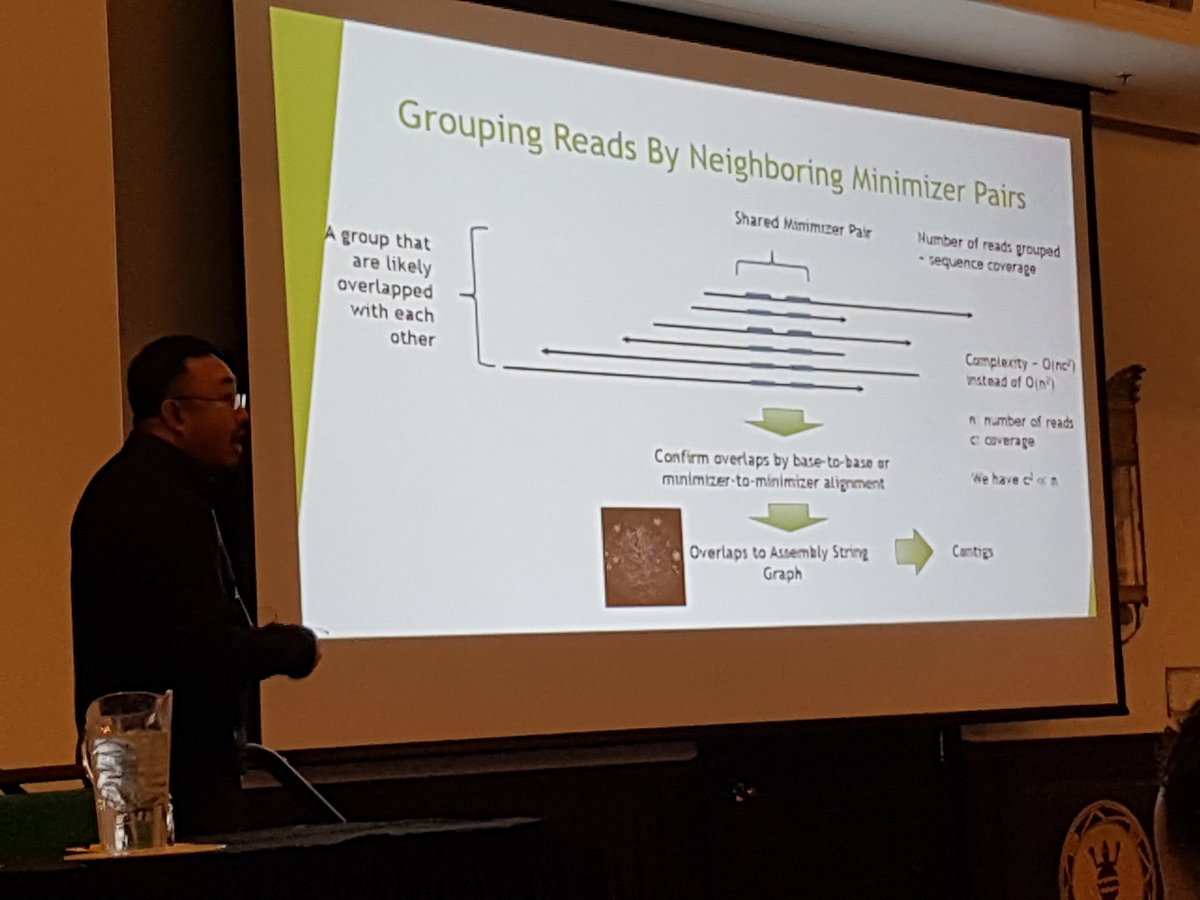
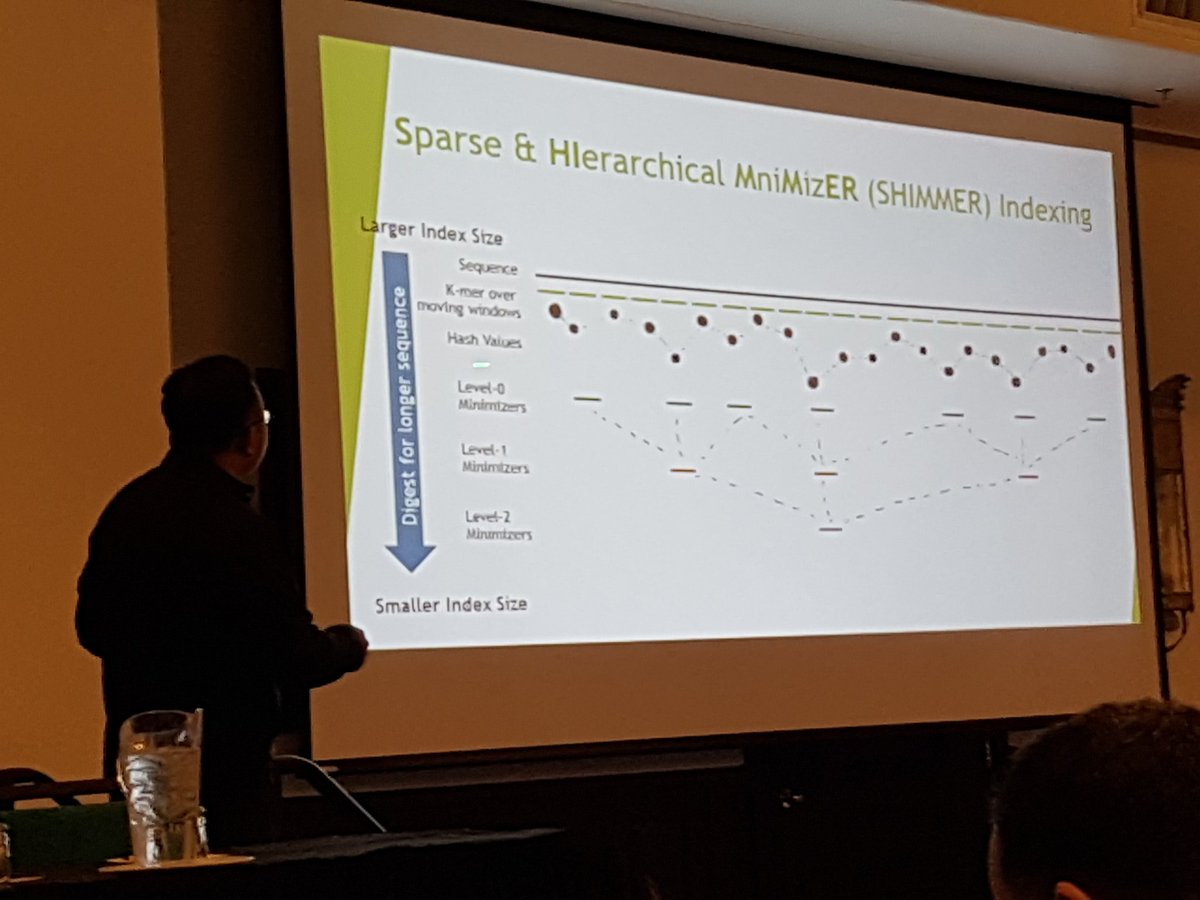
Jason Chin @infoecho introduces hierarchical minimizers and minimizer pair binning to compute human genome assemblies in < 2 hours from high accuracy long reads. simple and beautiful. best #SFAF2019 talk for me!
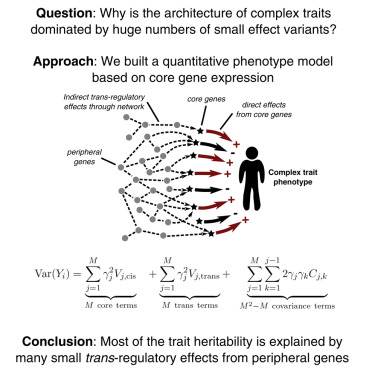
Our new work on understanding the architecture of complex traits "Trans effects on gene expression can drive omnigenic inheritance" is out today
https://t.co/RT2Ll3VLHm
Great collaboration with @XuanyaoLiu@yang_i_li
There's a ton of pedantry in programming. This may be confusing until you realize that programmers spend 8+ hours a day working with the world's most irritating pedant -- the computer. And the computer is .. kind of an a-hole to be honest.
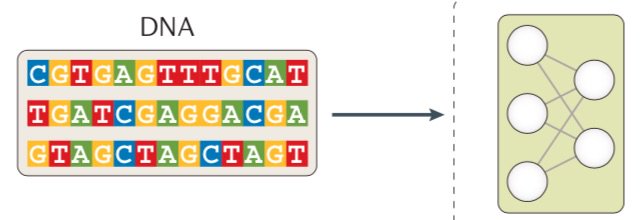
Our review on #DeepLearning for Genomics is finally out - lot's of paper-digging led by @gokcen and @avsecz from @gagneurlab. Targeted at biologists who want to learn how 'AI' can be used for genomic modeling, from motif discovery to single cell genomics. https://t.co/SnNZ5ECPqa