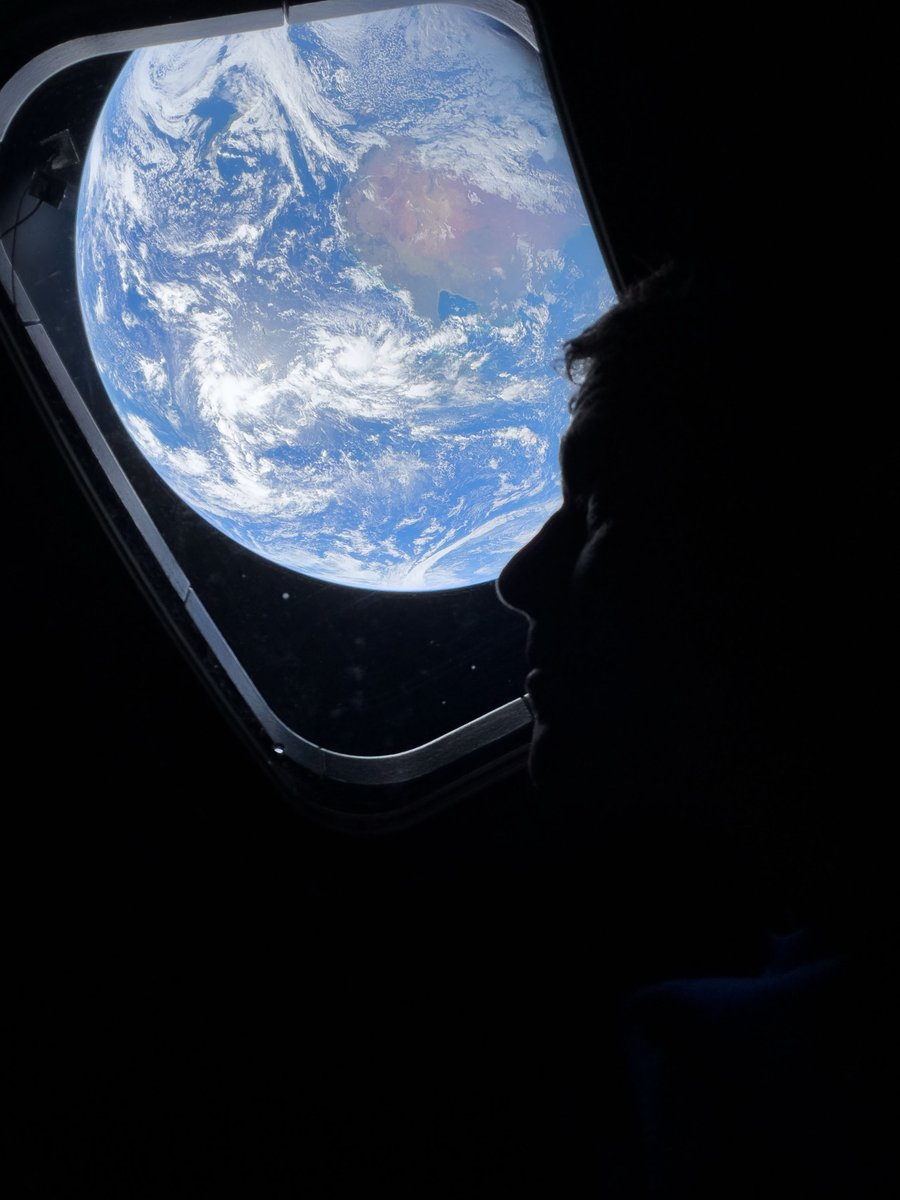
Day 068, orbit 1054 — Opening the shutters in the morning: what a beautiful way to start the day! 🌍
🎥 NASA/ESA
#εpsilon • @esa • @esaspaceflight • @Space_Station • @NASA • @NASA_Johnson •
This Chinese humanoid robot just shattered the world record for a half marathon, finishing in 50 min 26 sec.
This video shows its crash just meters before the finish line where it had to be picked up by a team of humans. The robot is from Honor, the smartphone maker and Huawei spin-off. This robot was teleoperated while others were autonomous. It seems like all the robots had battery swaps along the way.
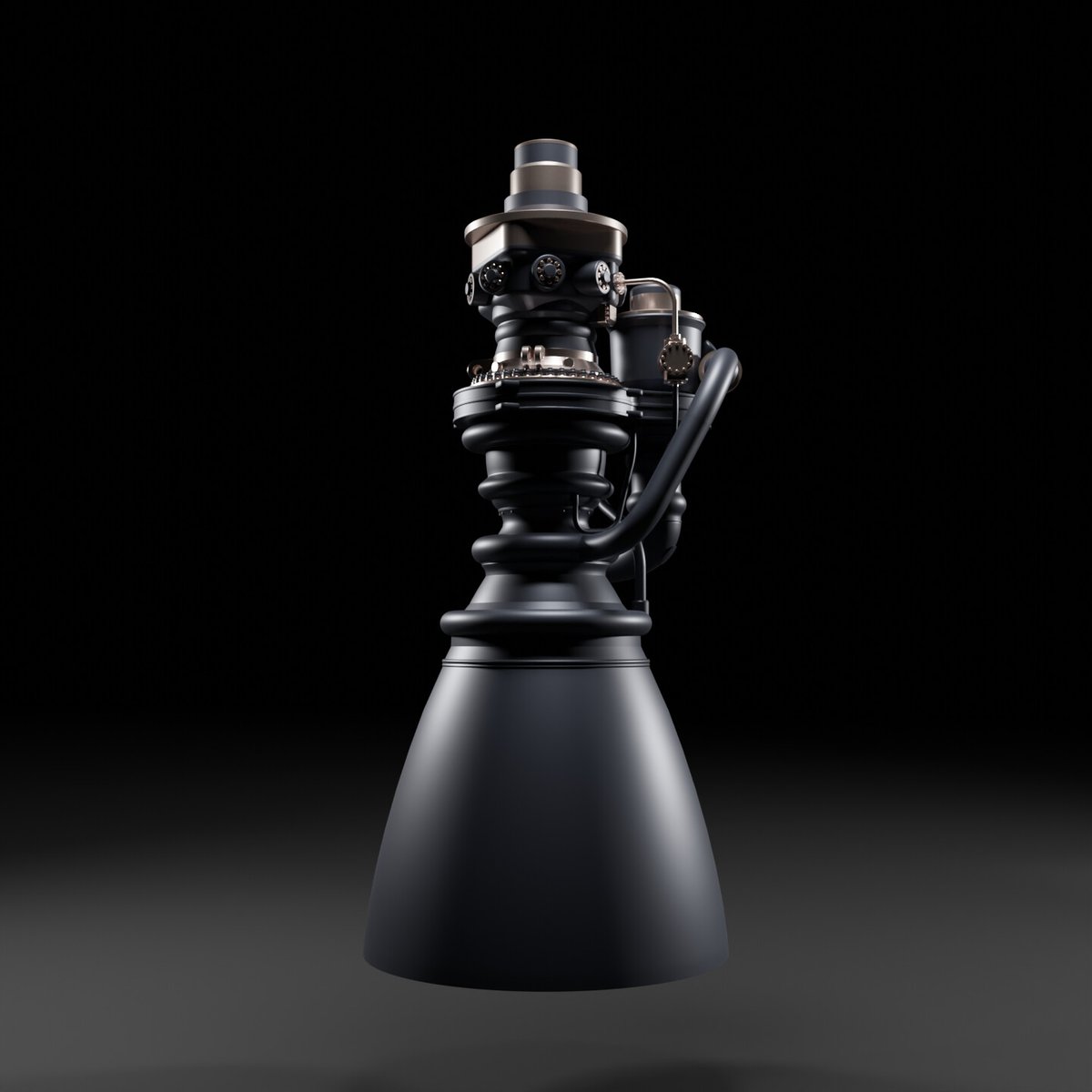
Raptor 3: When Engineering Disappears
There are moments in engineering when progress is obvious. A machine becomes larger, more powerful, more complex. And then there are moments when progress looks like subtraction. #SpaceX#Raptor3
https://t.co/0oFVseYNQx
Raptor 3 is about to fly for the first time and it's a marvel of engineering
When it was unveiled, most people in aerospace really thought they were looking at an incomplete render and asked SpaceX to show the full engine
Turns out, that was the full engine. SpaceX had eliminated so many external components, pipes, and brackets that it barely looked real
Elon Musk's first principle in engineering:
"The best part is no part"
Raptor 3 packs more thrust, better efficiency, and radical simplification - all in one jaw-dropping package
New record🥇
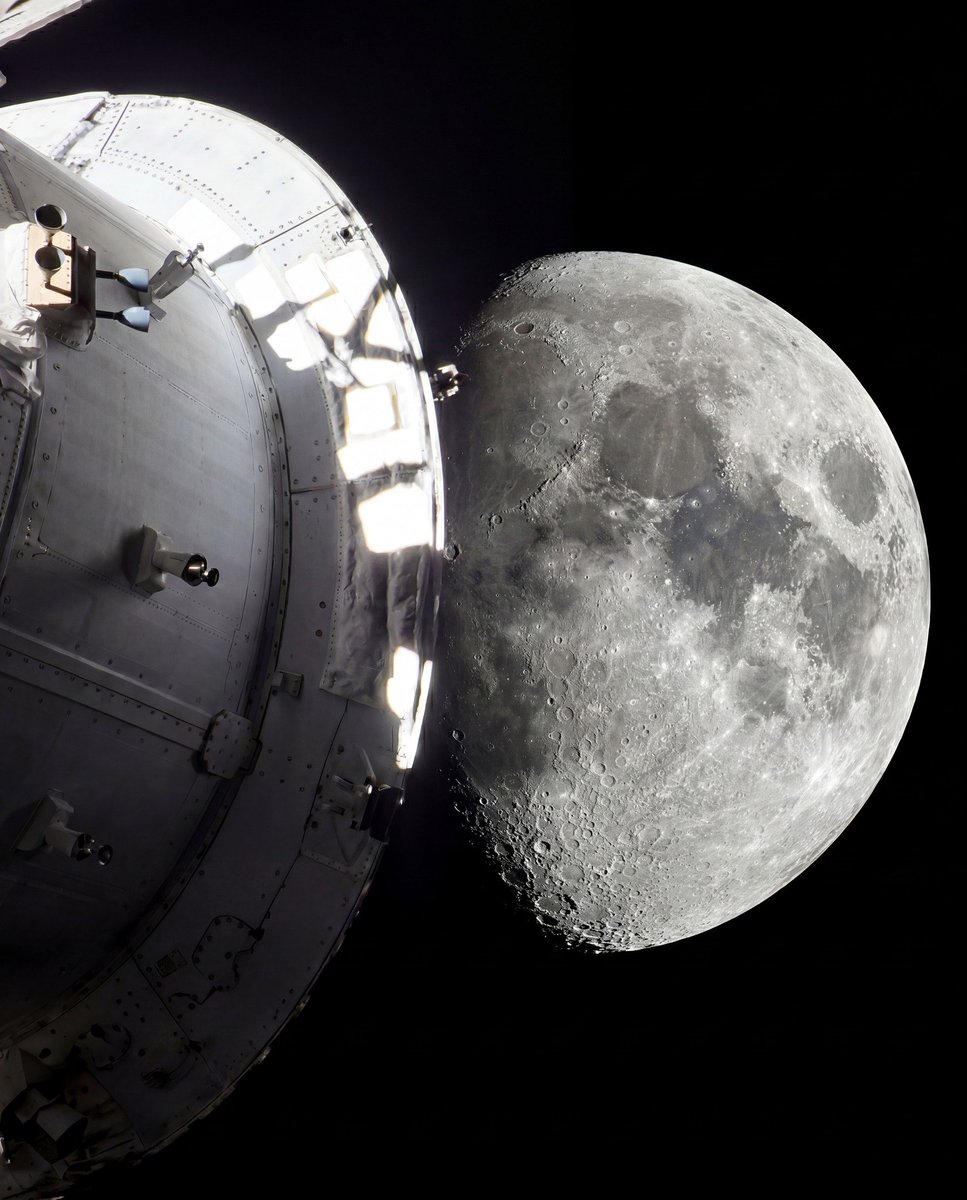
The Artemis II astronauts are now farther from Earth than humans have ever been! At 1:57 p.m. EDT, they broke the record set by Apollo 13 in 1970.
Their journey around the far side of the Moon today will take them a maximum distance of 252,752 miles from Earth.
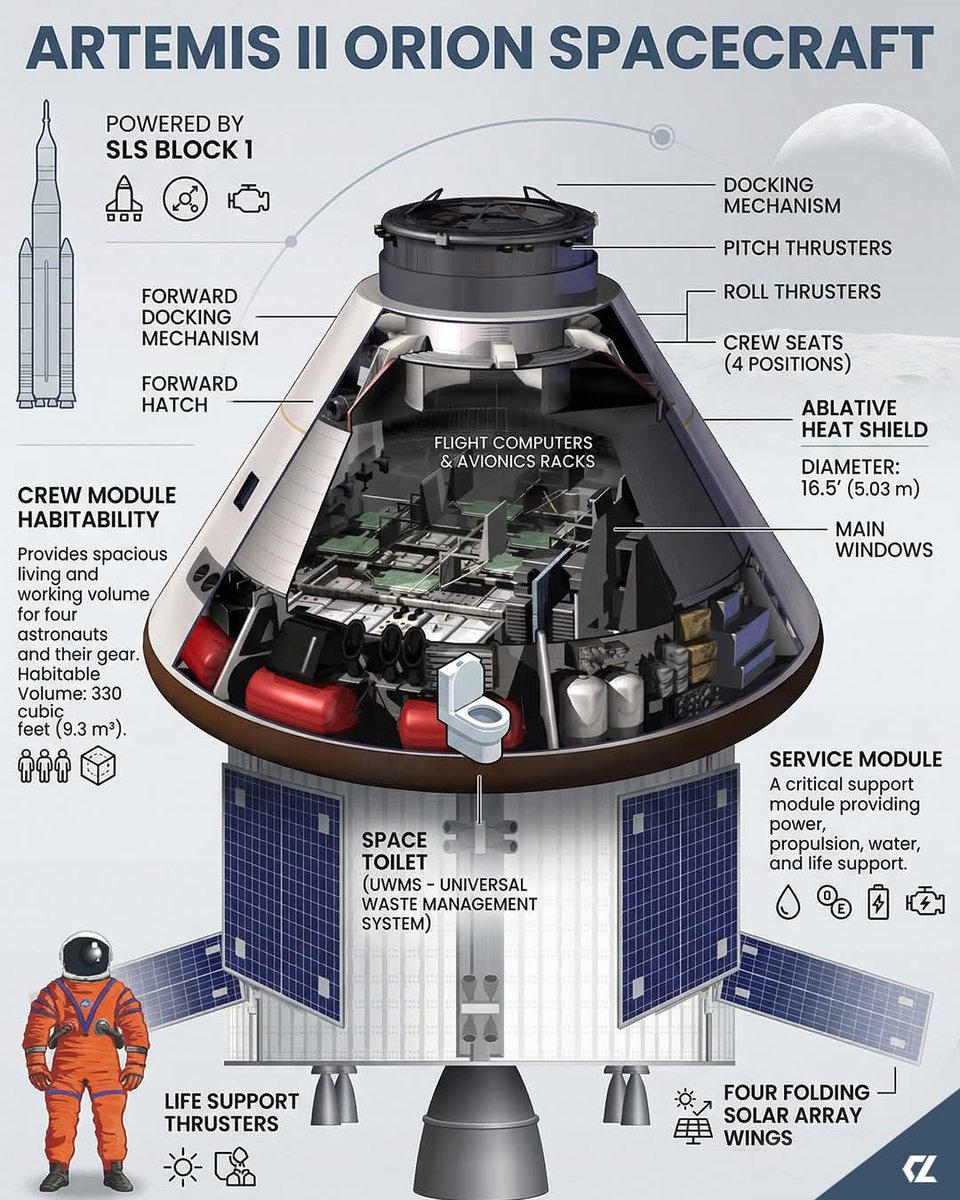
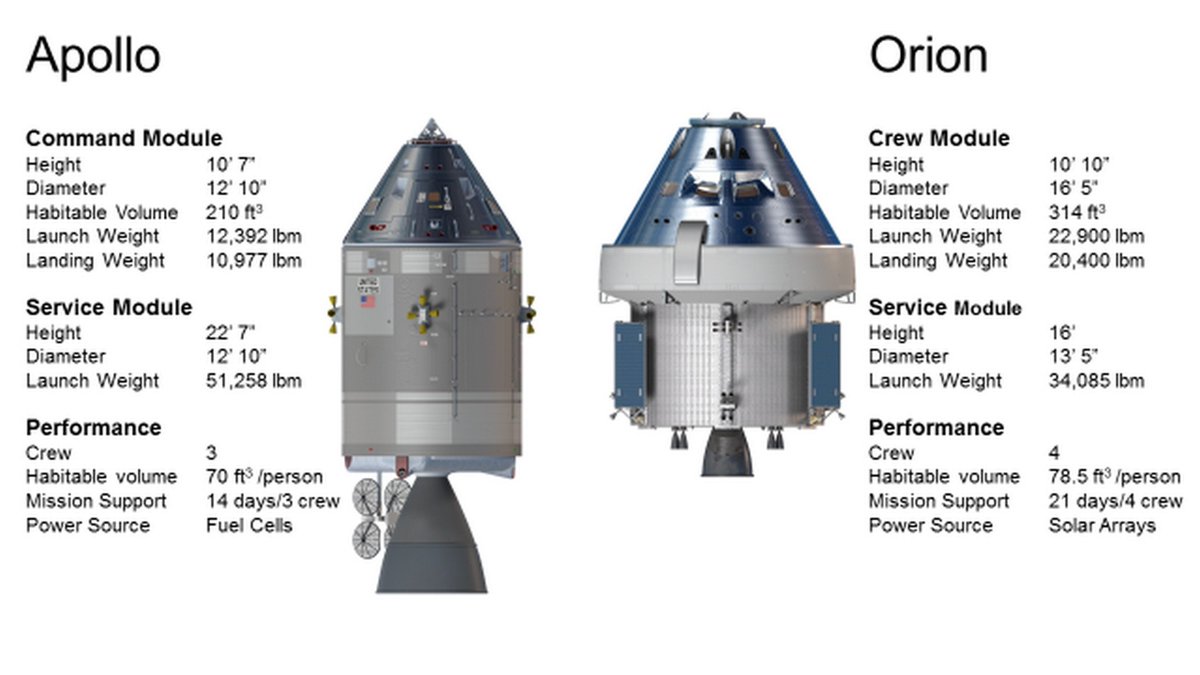
Peek inside the Orion spacecraft: how four astronauts live, breathe, and survive on a journey to the https://t.co/Zsaksjgcj9 the top sits the Crew Module — the astronauts’ home in deep space. Picture sharing a living space no larger than two minivans with three crewmates for weeks on end. This compact habitat is where they work, sleep, eat, exercise, and yes… use the famously tricky space toilet (microgravity makes even basic biology an engineering challenge). It’s an intensely intimate environment that tests both technical skill and human resilience every single day.Yet this small Crew Module would be lifeless without the powerhouse directly beneath it: the European Service Module. Built by ESA, this vital section is the spacecraft’s life-support engine room. It carries the main propulsion engines that will maneuver Orion around the Moon, massive solar arrays that generate electricity, and the sophisticated systems that recycle air, produce drinkable water, and maintain comfortable temperatures in the deadly vacuum of space.Together, the Crew Module and European Service Module form Orion — not just a spacecraft, but a carefully engineered oasis designed to keep humans alive and thriving in the harsh, unforgiving void of deep space.
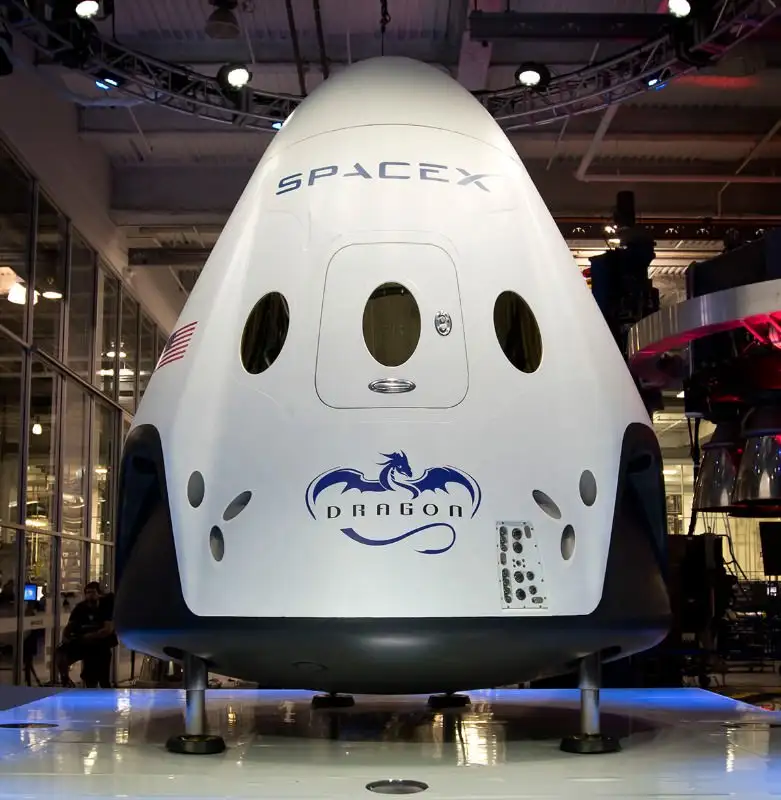
SpaceX uses Linux in Dragon spacecraft with flight software written in C++. The Dragon and Falcon 9 flight systems use triple-redundant computer architectures based on commodity x86-class processors (rather than specialised radiation-hardened chips traditionally used in spacecraft, which lag behind in raw compute power). Three independent processors execute identical code in parallel and compare results; this voting-based design enables robust operation in the presence of hardware or software faults.
https://t.co/A0wrSseyy1
Six planets align Feb 28! Mercury, Venus, Jupiter, Saturn, Uranus & Neptune visible after sunset. Rare planetary parade - don't miss it! 🔭 #Space#Astronomy
The HiRISE camera aboard our Mars Reconnaissance Orbiter saw this young crater in the Acidalia Planitia region. The crater is just over half a mile across (about a kilometer). If your house were in this crater, you could see it in this picture from orbit! https://t.co/nSlDQXakOt