In the end, it's not the years in your life that count. It's the life in your years.| Afro-optimist |PoliticalEconomist|Pragmatic Left| +all that Jazz.
@KamauNgothoOlk Why are you this thick? In sure you could have easily found out Nigeria equally had it's own refineries before Dangote. What's your point here?
@JayOkunlola@FGaitho237 Why are you taking this fat man seriously.. you don't understand Kenyans politics that's why you think he speaks for the country.. All he represents are thieving cartels!
@TerryanneChebet Very easy to answer. There's crude in many African countries. Uganda and south Sudan are not the only suppliers. Look to Singapore and there lies your answer. Very simple!
Why has #Kenya emerged as one of #East#Africa’s most influential states despite lacking the region’s largest population or strongest military? My latest article argues that Kenya’s regional influence is built not simply on economic growth, but on its ability to organise finance, logistics, technology, and institutions into a system that increasingly shapes #East #Africa. Read the full article on Substack. https://t.co/Sabnn1boUF
The first African to ever publish a book in Britain was a Kanuri from present-day North-East Nigeria.
Ukawsaw Gronniosaw was the grandson of Sultan Dunama VI ibn Ali of the Saifawa Dynasty of the Kanem-Bornu Empire, who was tricked into slavery in 1720.
Upon arrival at the Gold Coast (now Ghana), after having survived several assassination attempts, he was sold to a Dutch captain for two yards of cloth and taken to Barbados and New York, where he worked as a house servant/steward and learned to read and write in English and was also brought up as a Christian.
Gronniosaw later obtained his freedom and joined the British Forces, serving in Martinique and Cuba.
Thereafter, he relocated to England, married Betty (a white widow) and was swindled by his landlady.
He remained a pauper all his life.
Gronniosaw published his book, "A Narrative of the Most Remarkable Particulars in the Life of James Albert Ukawsaw Gronniosaw, an African Prince," in 1772, making him the first African to publish a book in Britain.
Upon his death on September 28, 1775, the Chester Chronicles published the obituary of this African prince. He was 70. #HistoryVille
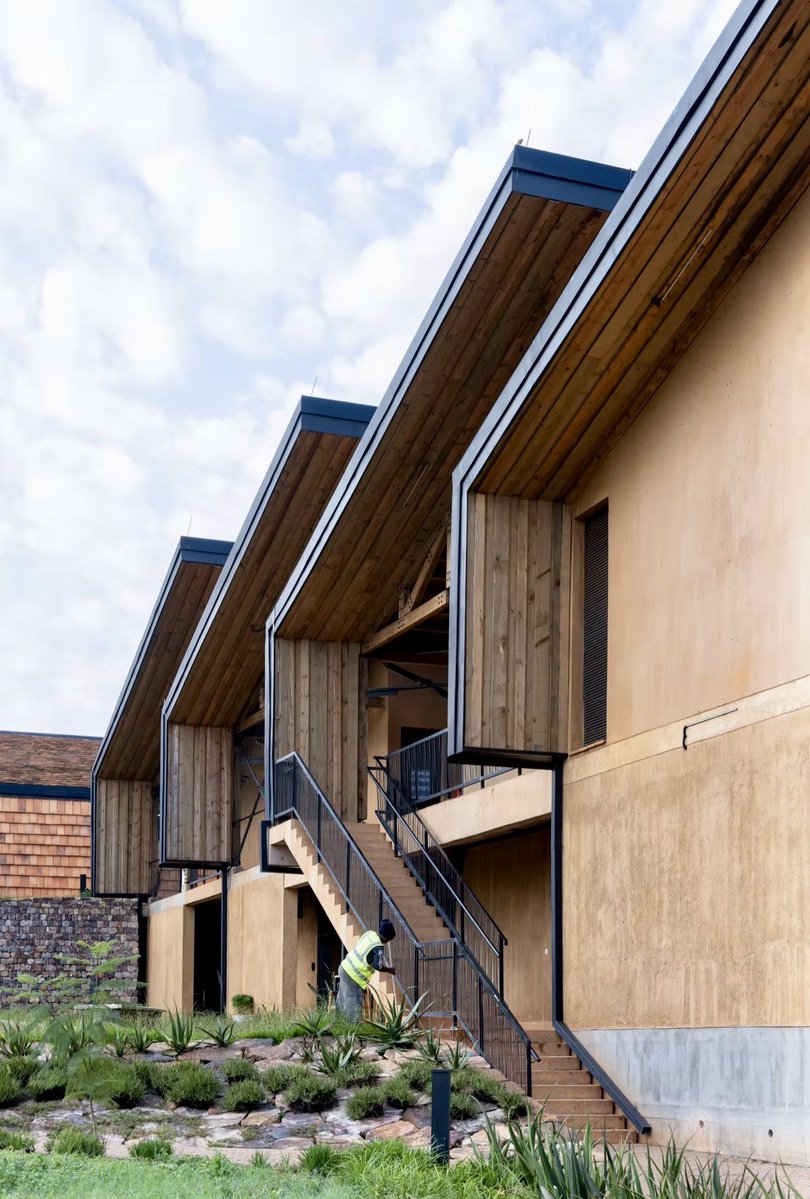
Six years ago, rammed earth was illegal to build with in Rwanda. Today it’s the primary material of a 69-building university campus built almost entirely by local hands.
96% of all construction materials sourced within Rwanda. Rammed earth, compressed earth blocks, locally quarried stone, terracotta roof tiles made from on-site soil and clay. The buildings were literally harvested from the ground they sit on.
One cooperative formed by workers trained in rammed-earth techniques during construction now carries that expertise to projects across Rwanda. The building didn’t just train students, it trained builders and changed the local construction economy.
Embodied carbon 60% below the global average for institutional buildings. Fully off-grid, powered by a 1.5MW solar array. Projected to become fully climate-positive by 2040, removing more carbon than was produced during its construction.
Earth blocks were actually illegal in Rwanda until 2019. MASS worked with the Government of Rwanda to write new standards and guidelines to legalize their use. They didn’t just build a campus, they changed national building policy.
This is what it looks like when architecture takes its responsibility seriously.
RICA, Rwanda Institute for Conservation Agriculture, Gashora, Rwanda by MASS Design Group.
📷 Iwan Baan
That flower is a clone. Every red spider lily in the American South traces back to three bulbs a US Navy officer named William Roberts brought home from Japan in 1854. His sister-in-law planted them in North Carolina. They have been copying themselves ever since.
The Japanese version of this plant cannot make seeds. It only reproduces by making copies of itself underground. A bulb splits in two. Those two split into four. Over the years, one bulb becomes a whole patch of identical flowers. Every red spider lily in the American South is part of one giant, slow-motion copy machine that started with Roberts' three bulbs.
Roberts came home with them after a treaty opened Japan to American trade. He was a botany enthusiast and sailed with Commodore Matthew Perry. The bulbs sat quietly in the soil for years. They did not flower until the Civil War. Since then, they have been handed from one gardener to the next, one bulb at a time.
The bulb underground is poisonous. It carries a chemical called lycorine. A mouse that bites into it gets violently sick, and a big enough bite can kill it. The poison is why people grew the plant in the first place. Japanese farmers have been planting it around their rice fields and houses for over a thousand years because the bulbs keep rats and moles out of the grain. You are looking at natural pest control that has been running since before the printing press was invented.
The same bulb also carries a chemical called galantamine. Galantamine is the active ingredient in two FDA-approved drugs for Alzheimer's disease. The FDA approved the first one, Razadyne, in 2001. A follow-up called Zunveyl was approved in 2024. China has entire farms growing red spider lilies just to pull that chemical out and turn it into medicine. The same bulb that will kill a rat is the source of a molecule that helps an 80-year-old remember their grandchildren's names.
In the American South, these flowers almost always show up around old homesteads. Since the plant only spreads by bulbs splitting, a patch marks where somebody once lived and gardened. You might be looking at the last trace of a house that burned down in 1930, or a grandmother's flower bed from sixty years ago.
So leave it where it is. Don't dig up the bulb, and don't let pets chew the long green leaves that come up after the flower dies in the fall. When the next good rain hits, more will probably pop up out of nowhere, on bare stems with no leaves. That is the flower doing what it has done since the 1850s, one bulb at a time.
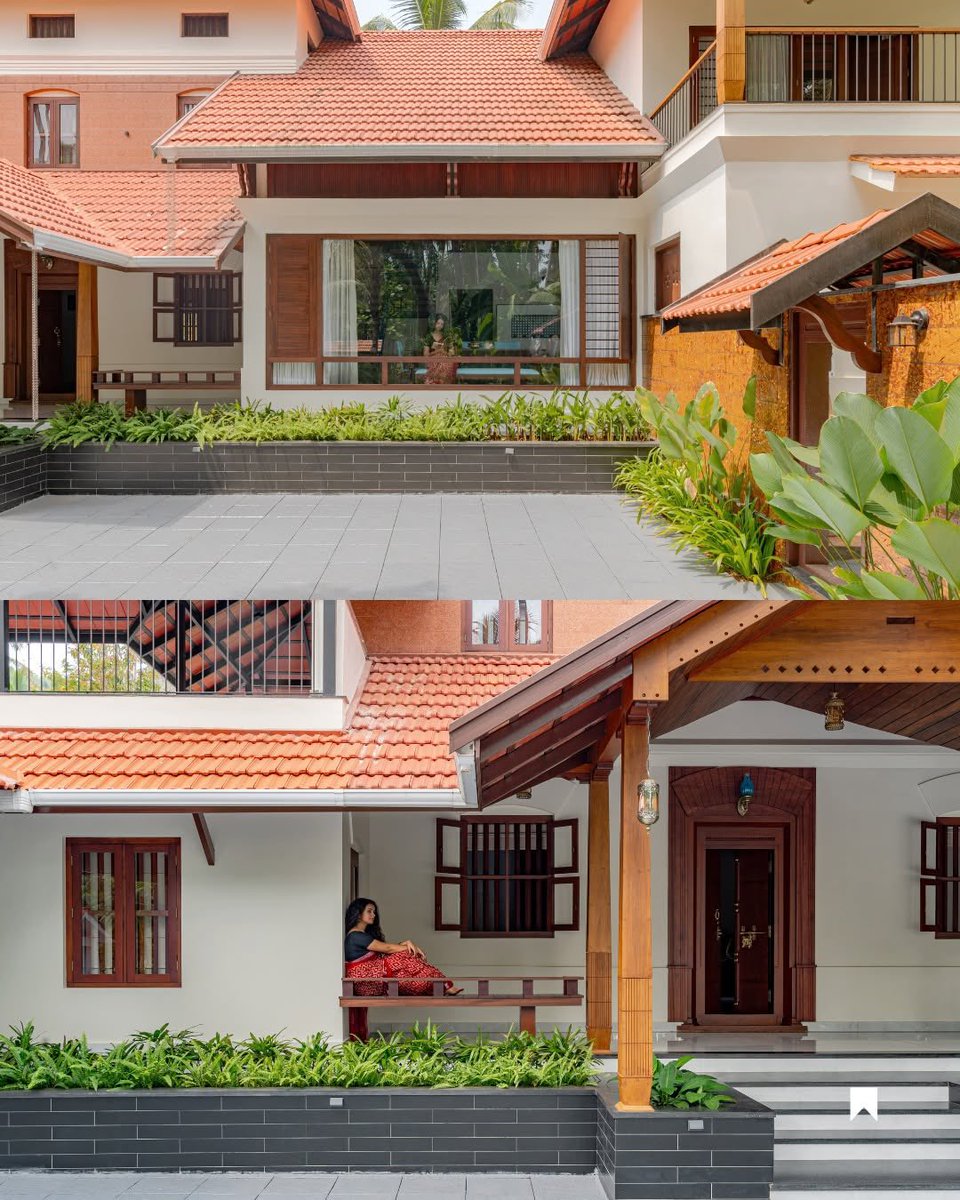
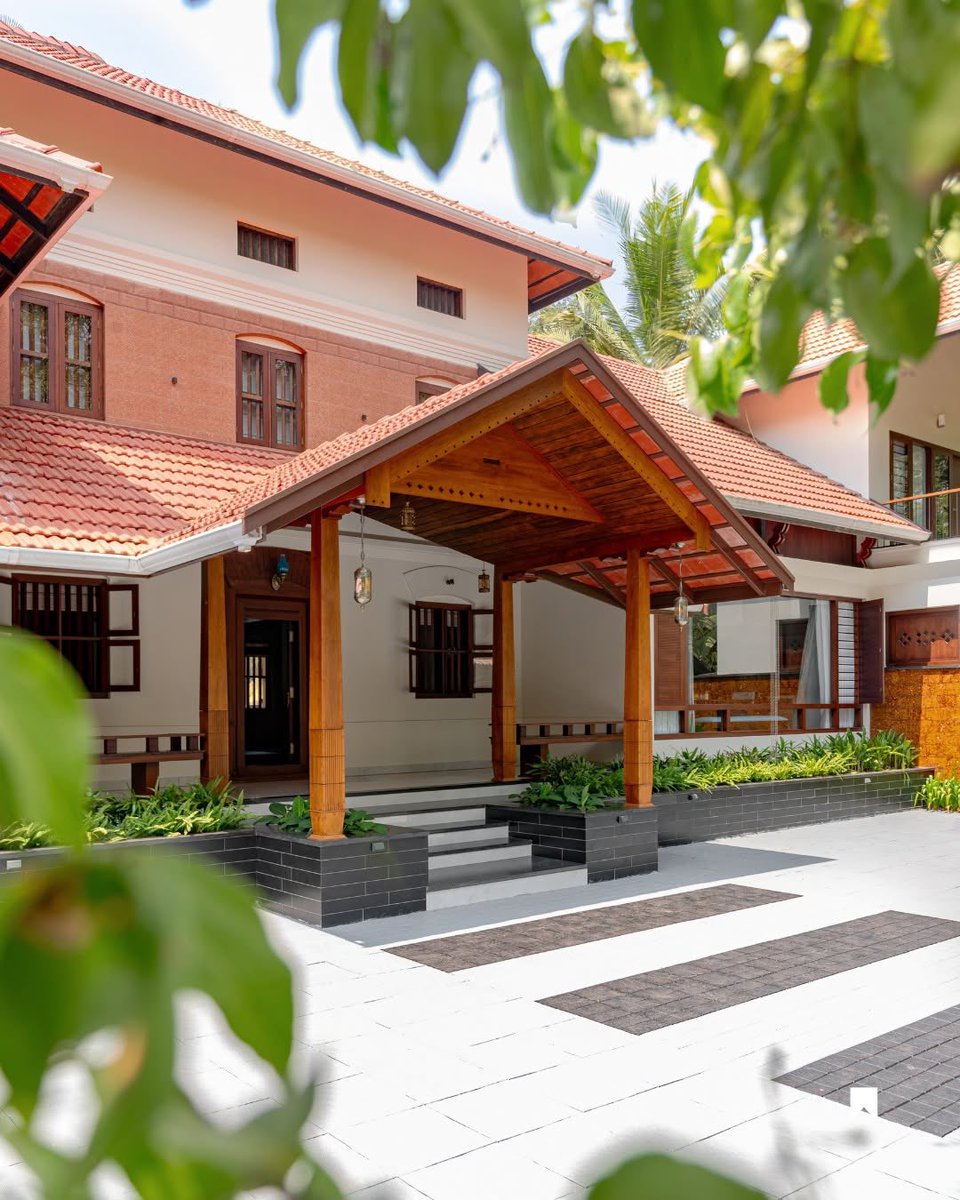
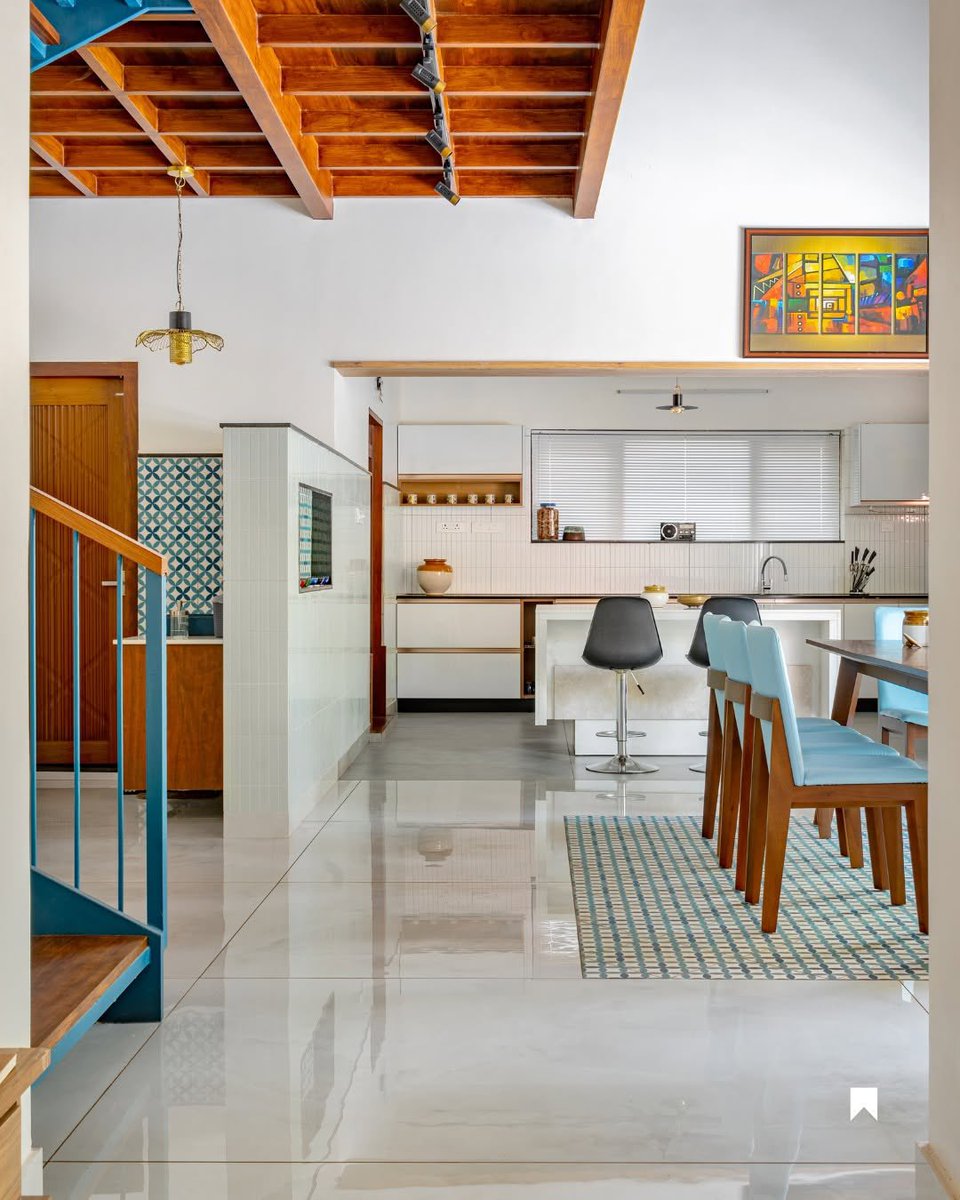
Indian homes serve as compelling case studies for residential design in Nigeria.
They demonstrate the power of well-lit spaces that minimize reliance on artificial lighting. Deep overhangs that shield interiors from intense sun Large openings that promote cross ventilation And earthy tones that root the architecture in its natural surroundings.
Simple ideas, thoughtfully applied. And in the Nigerian context, they just make sense.
📍Kerala, India 🇮🇳
Architects :Designature Architects
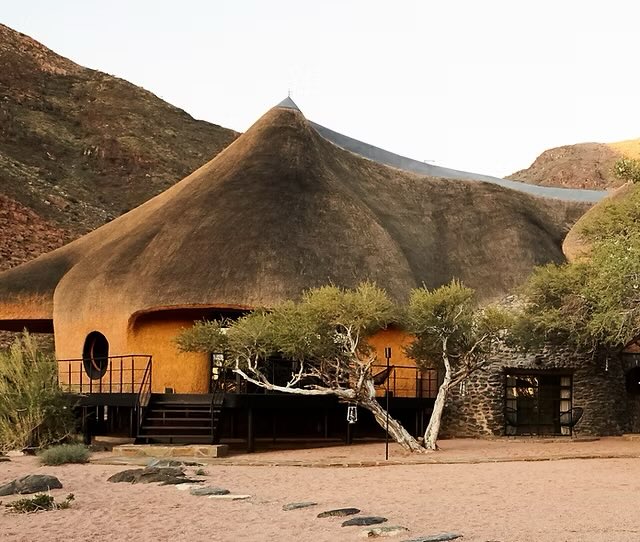
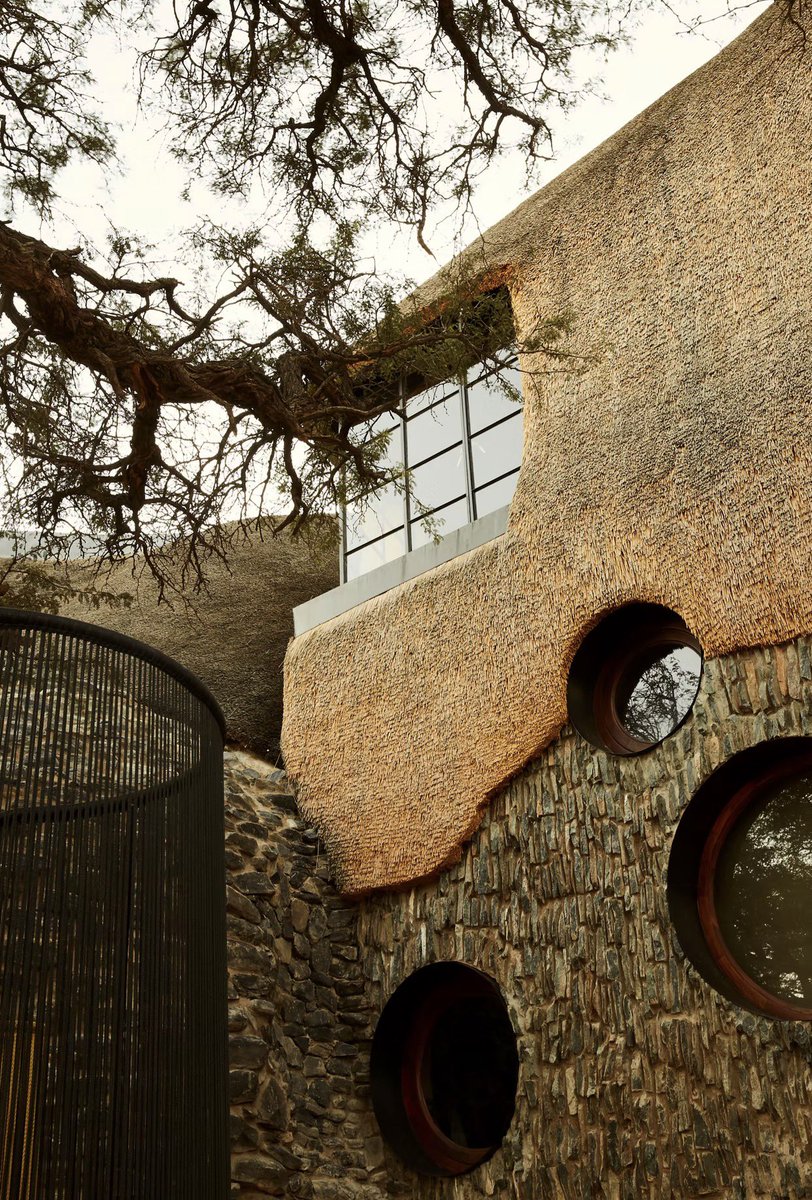
The Sociable Weaver bird builds a nest that houses 500 birds and regulates its own temperature.
An architect in Namibia studied it. Then built this.
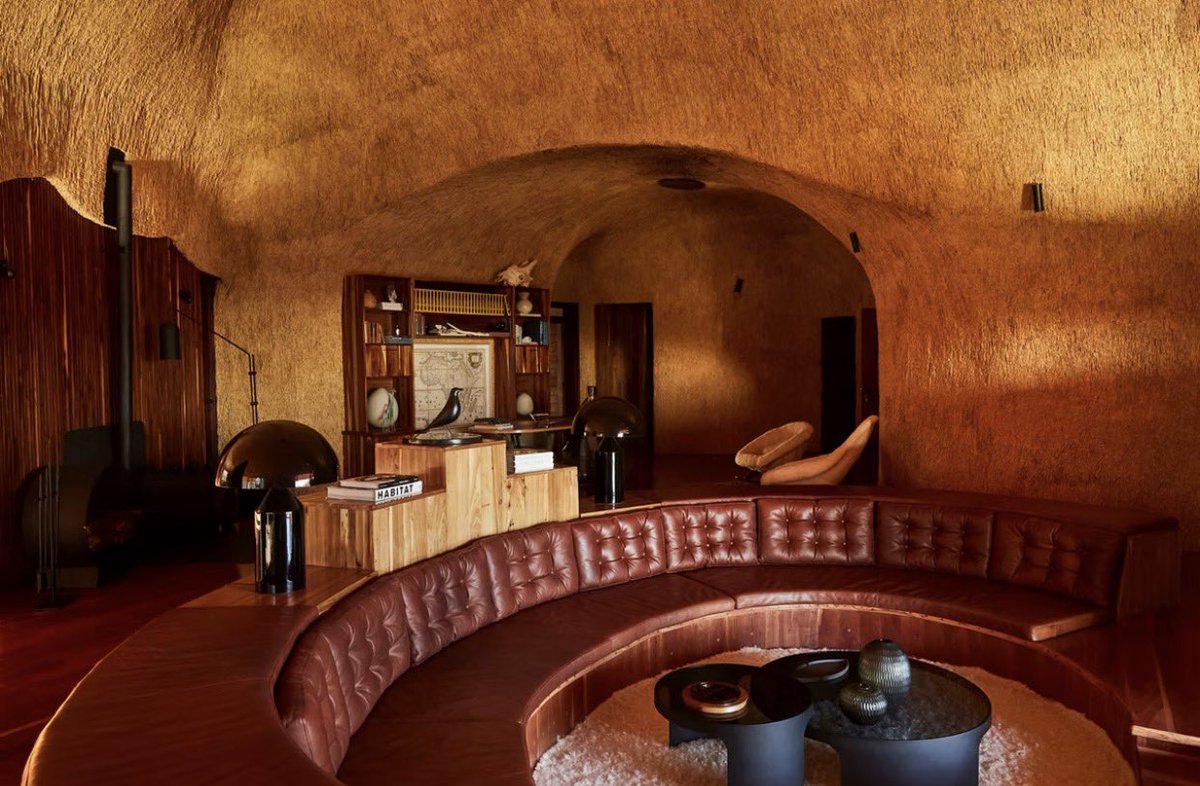
The Nest Sossus is a double-skin thatch structure, reed on the inside and reed on the outside, insulating air gap in between. The desert does the rest.
No AC. Just biomimicry done right.
This is what happens when Africa stops borrowing solutions and starts reading its own landscape.
Architect: Porky Hefer Design
📍 Namib Desert, Namibia
📸 Katinka Bester
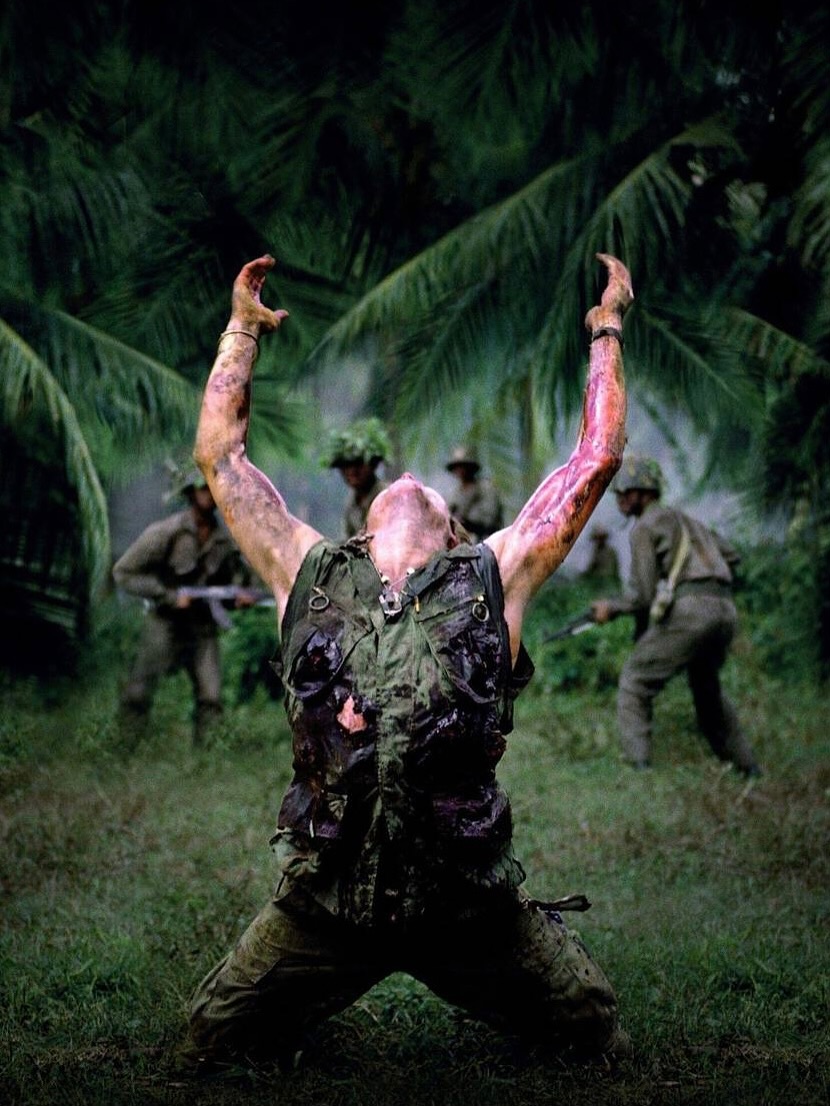
There is a mythology the U.S. built around the American War in Vietnam. It goes like this:
Young idealistic soldiers were sent into an unwinnable situation by confused politicians.
They came home broken and unappreciated.
It was a tragedy. A mistake. A lesson learned.
Notice what that story does.
It centers Americans.
Their trauma. Their confusion. Their homecoming. Their feelings.
In this story, the Vietnamese people are a backdrop.
A jungle. An obstacle. An abstraction.
Three million dead Vietnamese people are the scenery for a story about American self-discovery.
They made hundreds of movies about Vietnam.
The Deer Hunter. Apocalypse Now. Platoon. Full Metal Jacket. Born on the Fourth of July. Hamburger Hill.
Count how many of them center a Vietnamese character with a full human life, a family, a name you remember after the credits roll.
They turned our genocide into their coming-of-age story.
They lost the war and still managed to make themselves the main character.
And then, with extraordinary arrogance, they put their soldiers' names on a wall in Washington and call it a memorial, as if the dead to be mourned were the people who flew 10,000 miles to do the killing.
Where is the wall for our three million?
There isn't one.
Because in their telling, we were never quite real enough to mourn.
@piersmorgan But why does Iran need to tell you what it's capability is or isn't? Surely even the UK doesn't tell everyone all it's capability? Or are we the world police?
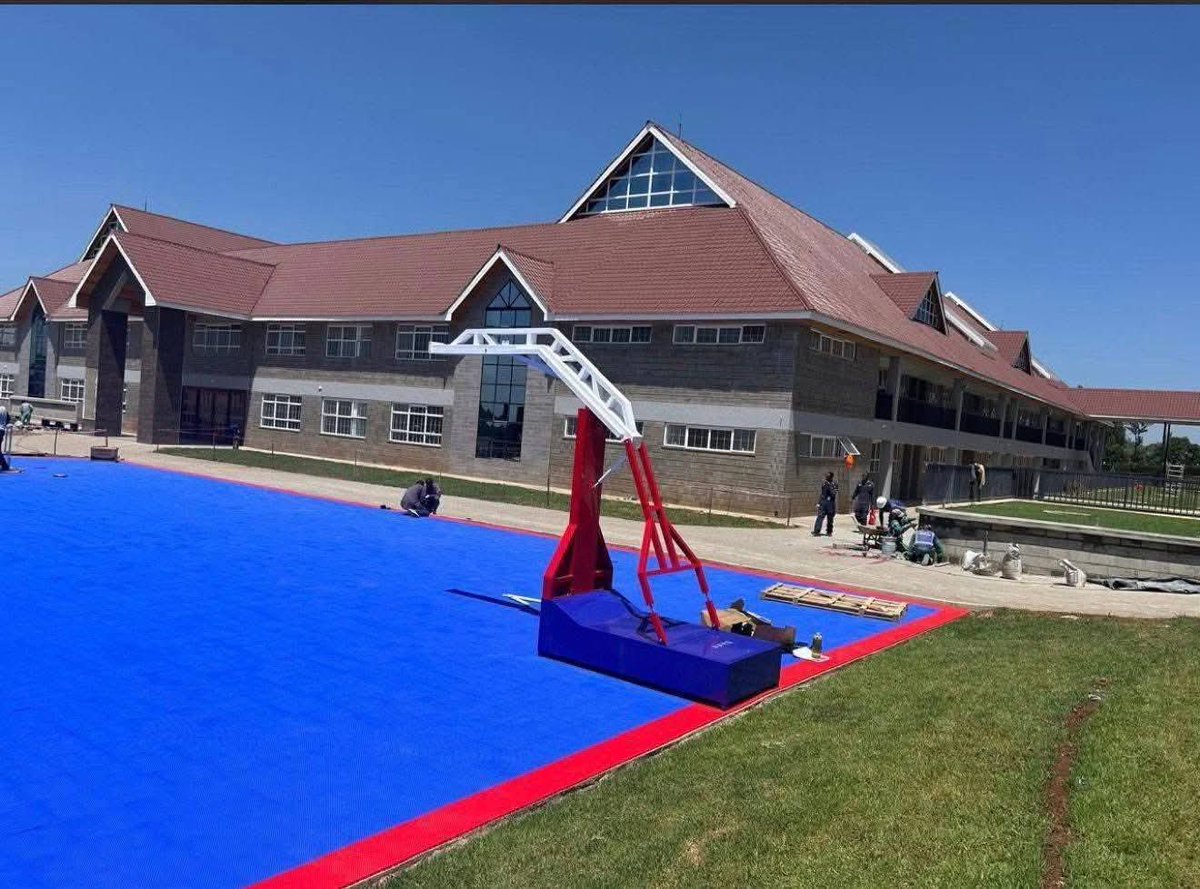
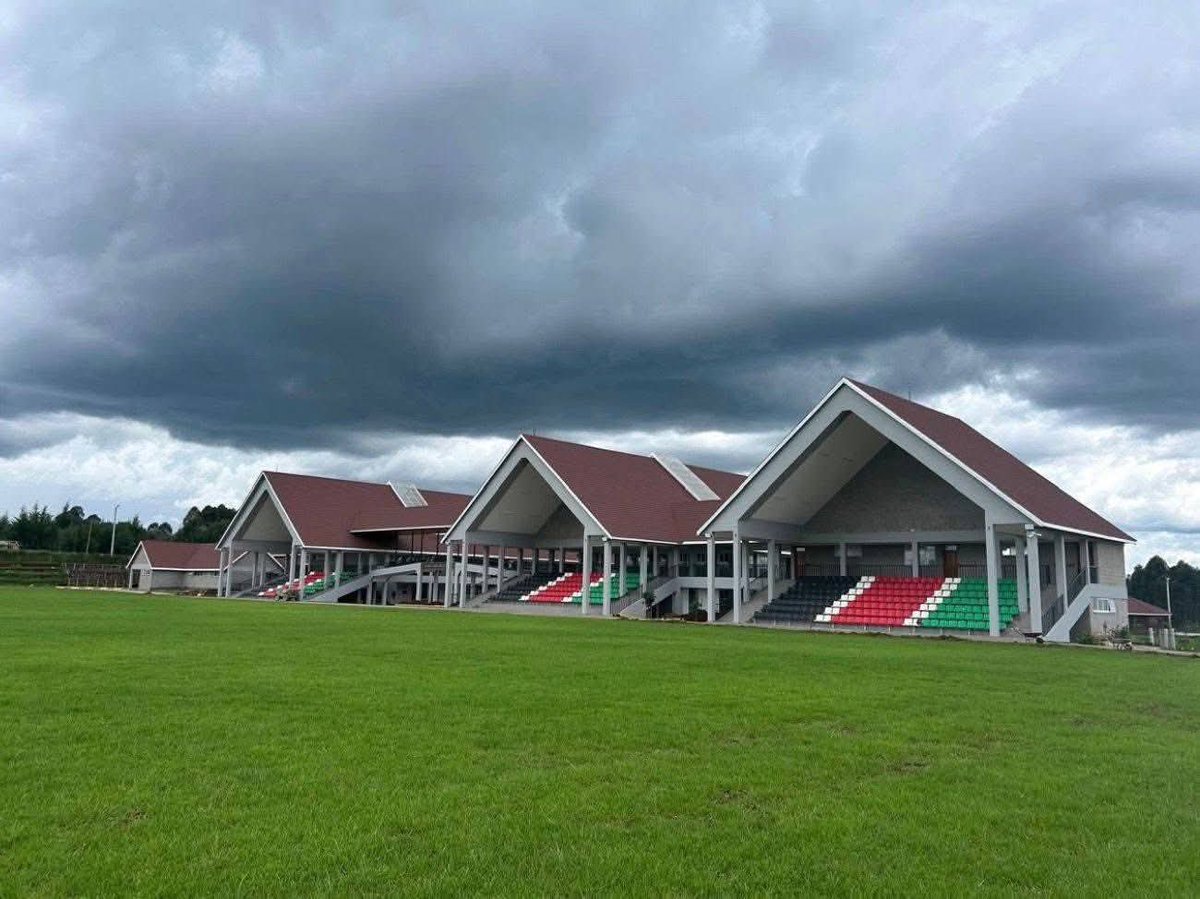
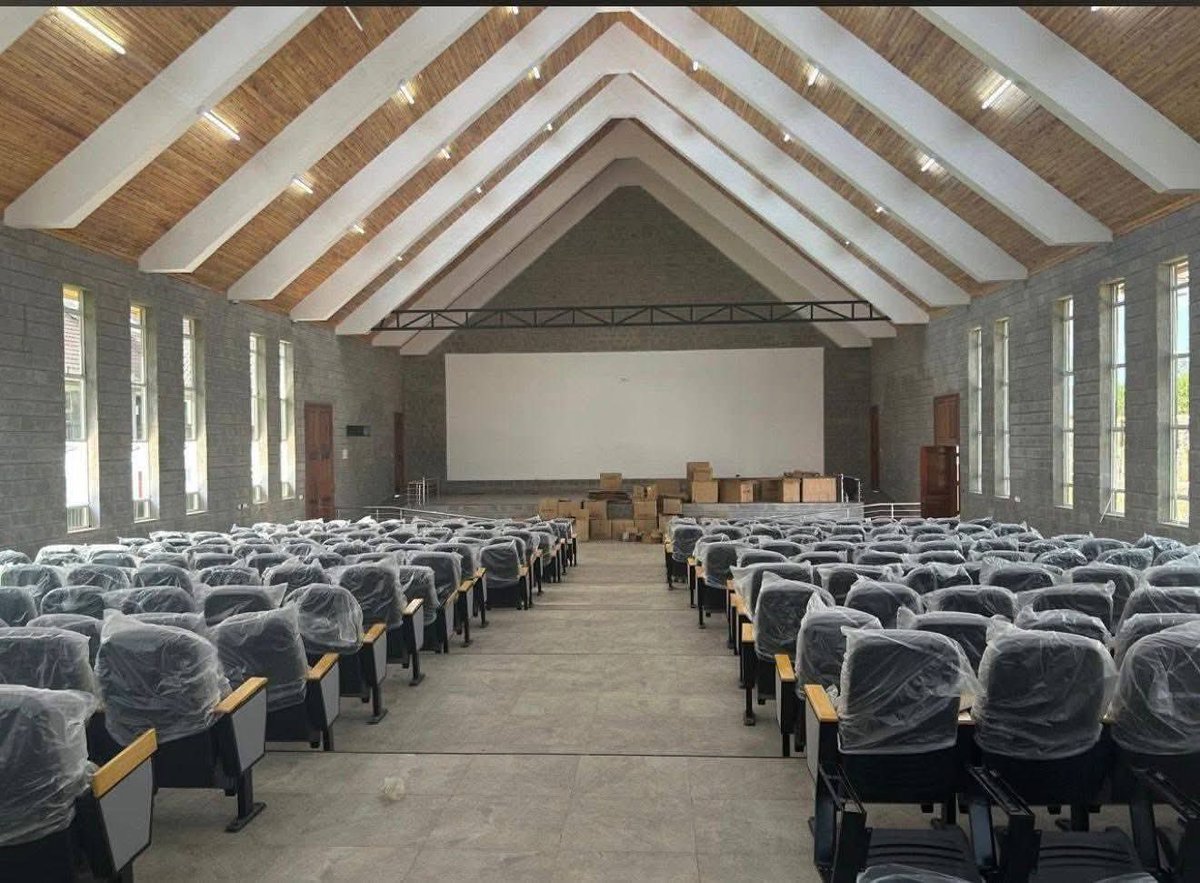
Roads and Transport CS Davis Chirchir is constructing the state-of-the-art Kipketii Primary School in Kipsonoi, Sotik Constituency, Bomet County, as a personal initiative to give back to his community.
The public day school features a well-equipped ECDE facility, primary, junior secondary and senior secondary sections all modern and comprehensive.