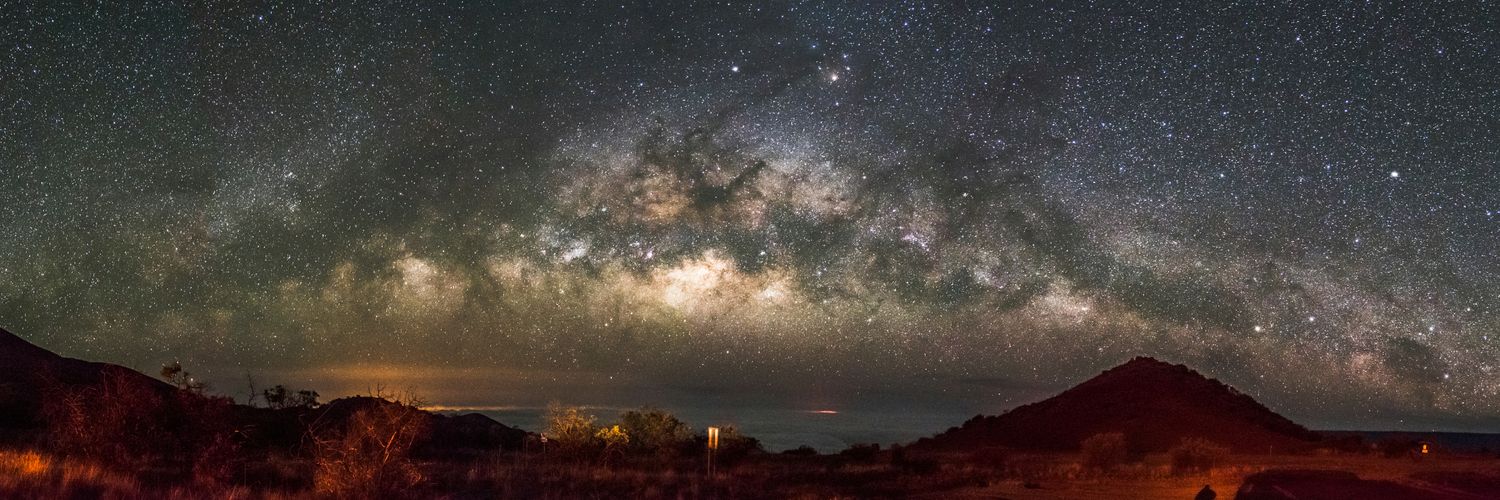
Just in time i finished my enhanced video of the SpaceX Falcon 9 - CRS-17 rocket launch and released it over my Youtube Channel. The enhanced version is motion stabilized with zoomed in parts and is exactly timed with the SpaceX webcast footage.
https://t.co/Dbh0RxMbkM
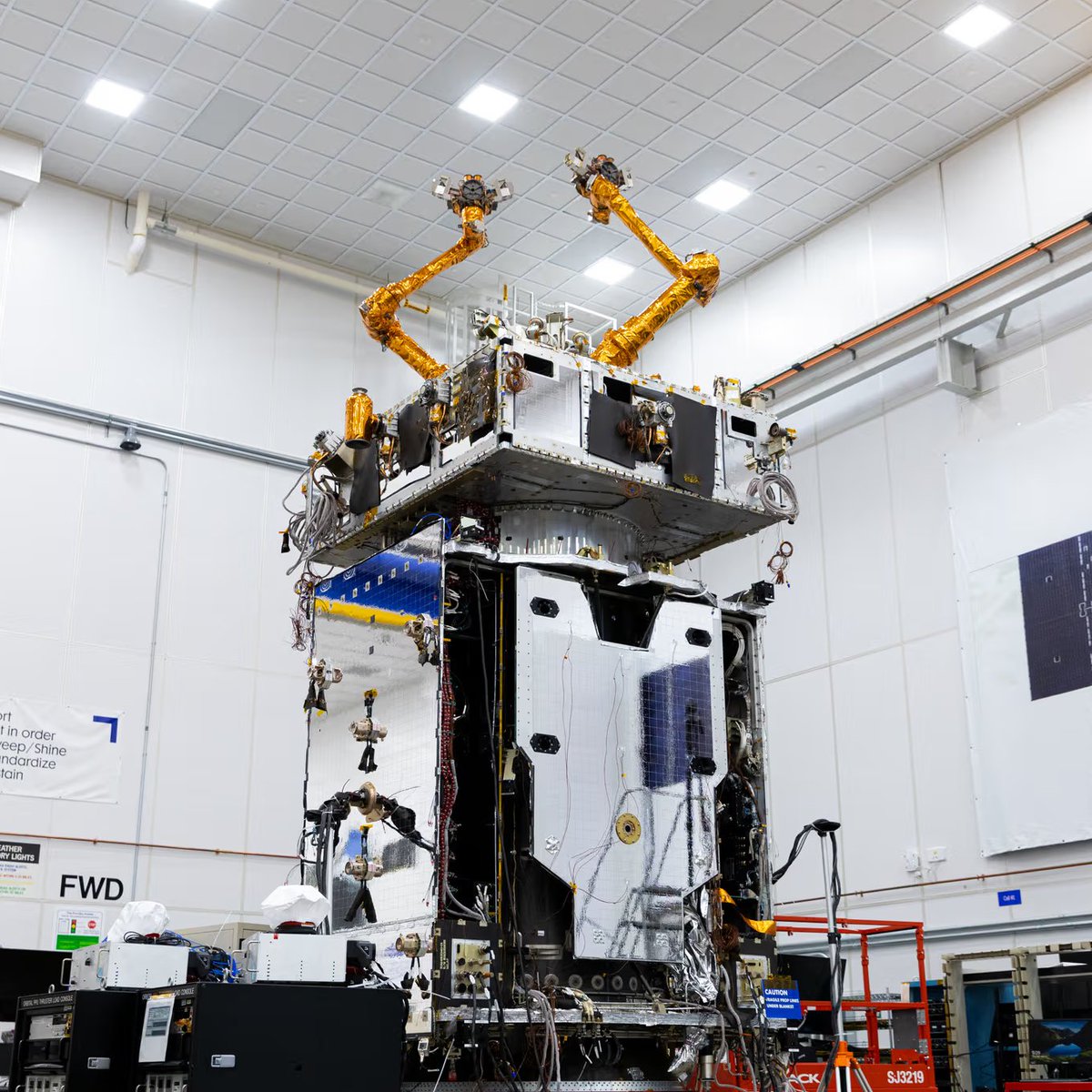
Two robotic arms, endless possibilities 🦾🦾. Launching this summer, our Mission Robotic Vehicle is built to service satellite in orbit, from repairs und upgrades to life-extension missions and beyond.
Pegasus and our L-1011 Stargazer aircraft are officially on the move. The team is one step closer to staging in the Marshall Islands. There, they’ll provide the first step to rocketing the @NASA Swift observatory to a new orbit via the @KatalystSpace servicing craft.
Behind the scenes photos from Starship Flight 12 at Rocket Ranch
(this is a series of > 25 cool images)
First 4: Arriving to view launch at Rocket Ranch
We are targeting NET 15 June to launch Mission 'Onward and Upward' during the available launch window opening at 8:00 pm UTC (10:00 pm CEST), subject to weather, safety, and range infrastructure.
Follow the launch live: https://t.co/jsClAe0PRE
Just over a day after arriving to Massey's, Starship Booster 20 got to work, with a first cryo test completed, over the course of around 10 hours.
It remains to be seen if SpaceX has plans for further tests, or this completes this stage of the pre-flight testing for the booster ahead of flight 13.
@NASASpaceflight | https://t.co/RxPTBtuyLj
Starship Booster 20 has made it to Masseys after rolling out from the production site overnight, for its cryo testing campaign, ahead of Flight 13.
Interestingly the roll took much longer then normal, as the SPMTs broke down a few times, forcing a extended stop, and the booster did a little loop of Massey's following its arrival.
@NASASpaceflight | https://t.co/RxPTBtuyLj
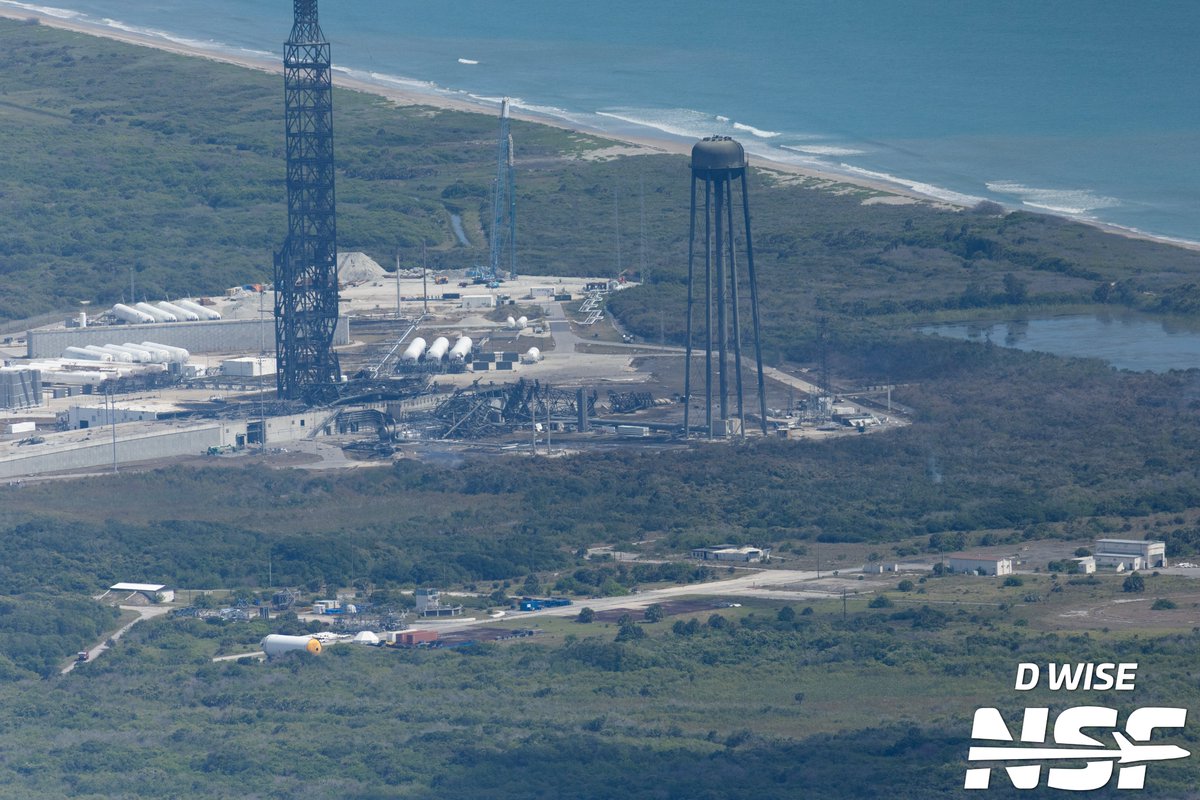
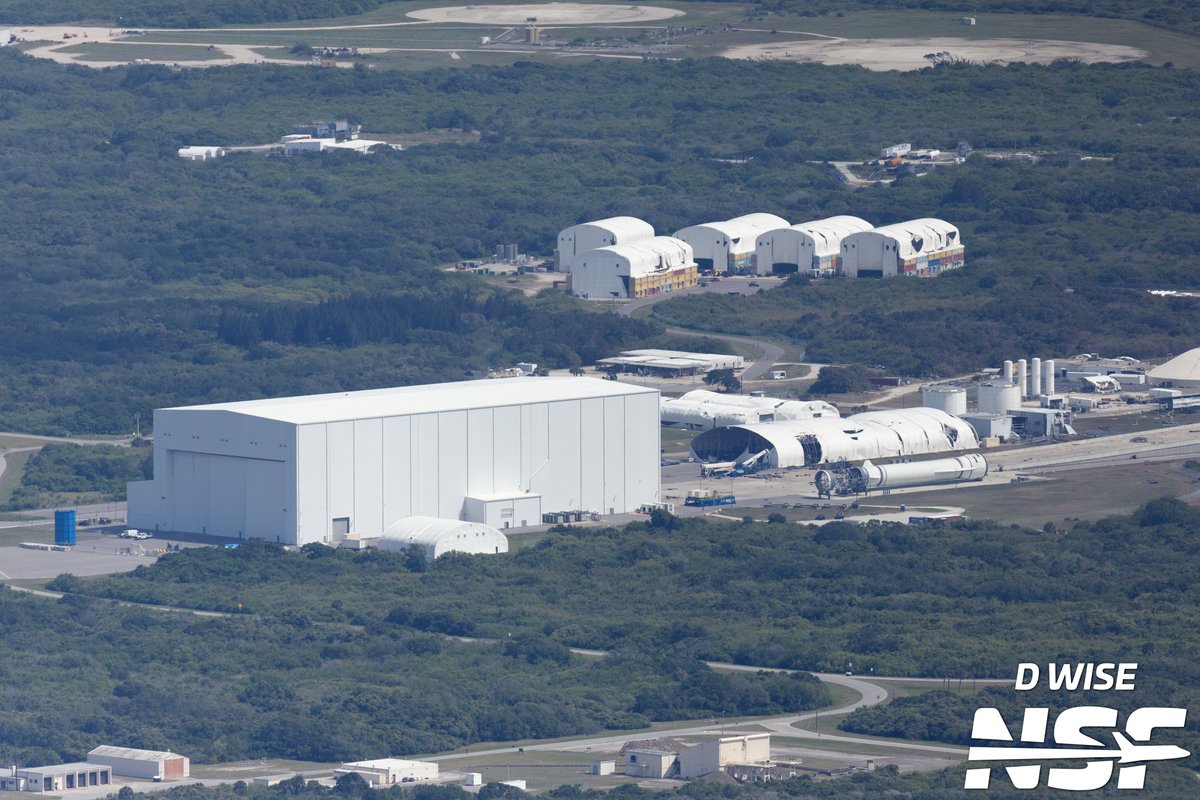
Some LC-36 updates. Now that we’ve had access to the pad and integration facility we can share a bit of good news. The propellant farm, oxygen, liquid hydrogen and LNG tanks are all in good shape. This is good luck because these are very long lead items. The water tower is also good. The big support tower is damaged, but it can be repaired in place rather than torn down and replaced. The booster “Never Tell Me The Odds” and the three GS-2s that were onsite in the integration facility also look good.
I’ve seen some speculation that we might move directly to the 9x4 configuration, but we won’t do that. Rate manufacturing of 7x2 is going well, and we’re going to continue that at pace as planned and store the stages for use. In addition, we had already been working for some time on eliminating our transporter-erector in favor of an alternative vertical conop, and we’ll now go directly to that; so we don’t need a new transporter-erector.
We will fly again before the end of this year. Gradatim Ferociter.
I enjoyed being at the CNBC event, but I wanted to clarify. The question was about the timing of the Moon Base and recent lunar rover awards. I was pointing out that those missions are not until 2028, which should be well within what is possible for pad recovery.
Blue Origin leadership has responded incredibly quickly, and NASA will do all we can to help with root cause analysis and accelerate pad recovery timeframes while staying extremely focused on progressing the lander.
We have regained some access to Launch Complex 36 and are actively investigating the hotfire anomaly. We will start clearing the pad soon and have a good rebuild plan in place. The booster and GS2s in the integration facility appear healthy from quick looks.
The aftermath of LC-36 following New Glenn's explosion during its Static Fire test last night captured by D Wise (@dwisecinema).
Overview of the incident:
https://t.co/J1aWYWecfA
All personnel are accounted for and safe. It’s too early to know the root cause but we’re already working to find it. Very rough day, but we’ll rebuild whatever needs rebuilding and get back to flying. It’s worth it.
NASA is aware of the anomaly that occurred tonight at Launch Complex 36 involving Blue Origin’s New Glenn rocket at Cape Canaveral Space Force Station. Spaceflight is unforgiving, and developing new heavy-lift launch capability is extraordinarily difficult. We will work with our partners to support a thorough investigation of this anomaly, assess near-term mission impacts, and get back to launching rockets.
We will provide information on any impacts to the Artemis and Moon Base programs as it becomes available.
I'm hearing that it is possible that Blue Origin decides to go directly to the larger 9x4 variant of New Glenn after this failure. Obviously no decisions like that will be made without more data review.