Happy to have participated in this awesome paper led by @paiva_als !
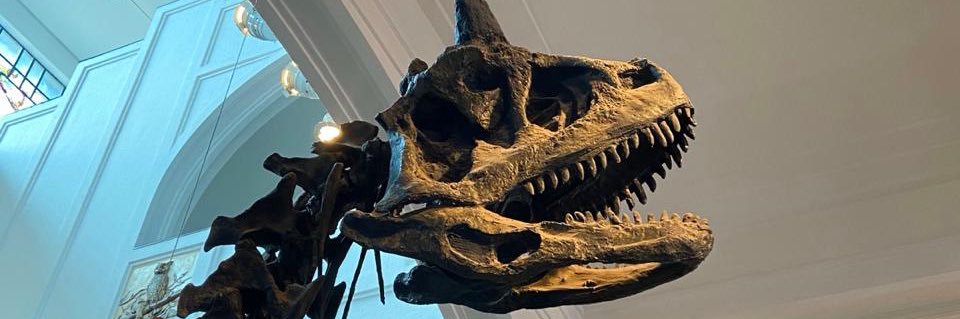
We use phylogenetically-based bayesian body size estimates in order to understand ecologicla aspects of Notosuchia 🐊
https://t.co/tVyQkAgGrH
🚨 New terrestrial croc paper alert!
Another study led by @paiva_als (PhD student I co-supervise with Max Langer) is out today in Palaeontology!
We revisit a classic question with new tools: how big were notosuchians, really? 🐊📏
https://t.co/XzgnRiUvm6
Art: @MirantaKouvari
muito se fala do caráter solitário da pós-graduação. embora isto pareça óbvio, emendo: marquem de estudar com seus amigos, tomem cafés com eles, passem noites no bar com eles. precisamos nos fazer menos áridos.
@ianbremmer Backyard? Do away with this sick imperialistic rhetoric, you’re supposed to be a well-informed political commentator. Latin Americans are free to trade with whoever they see fit.
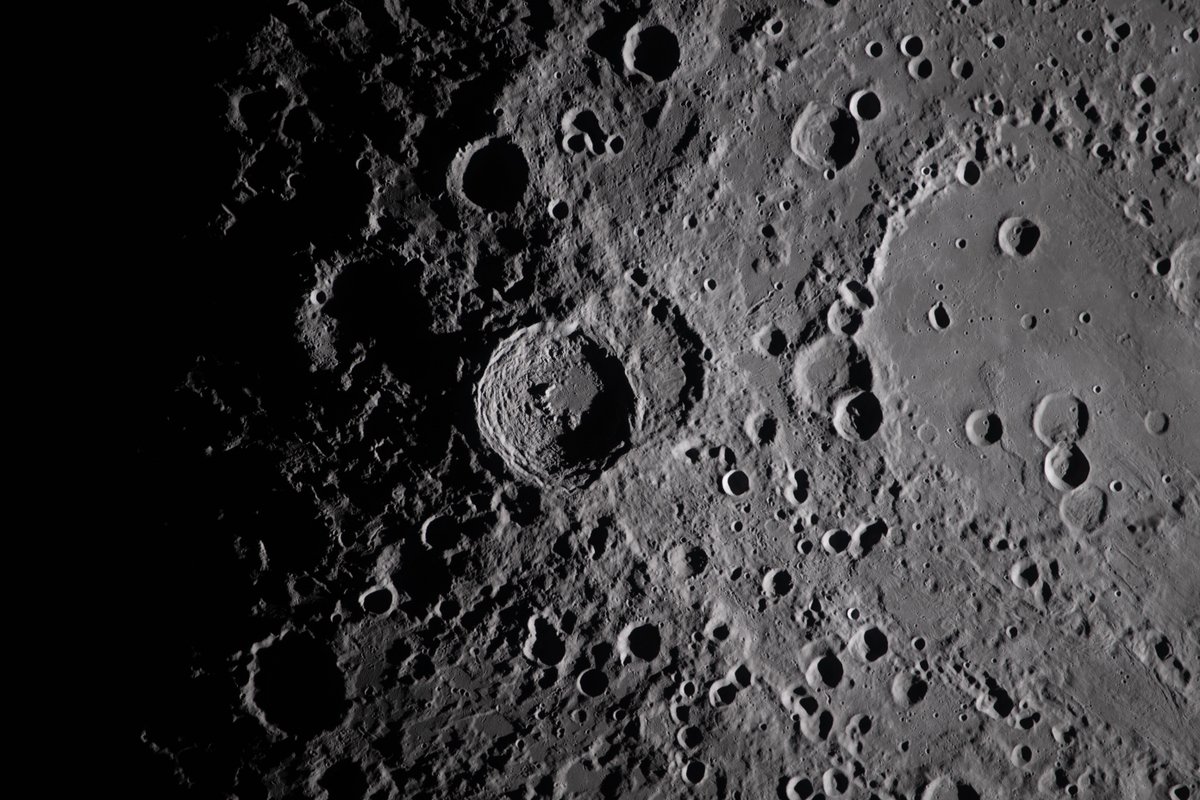
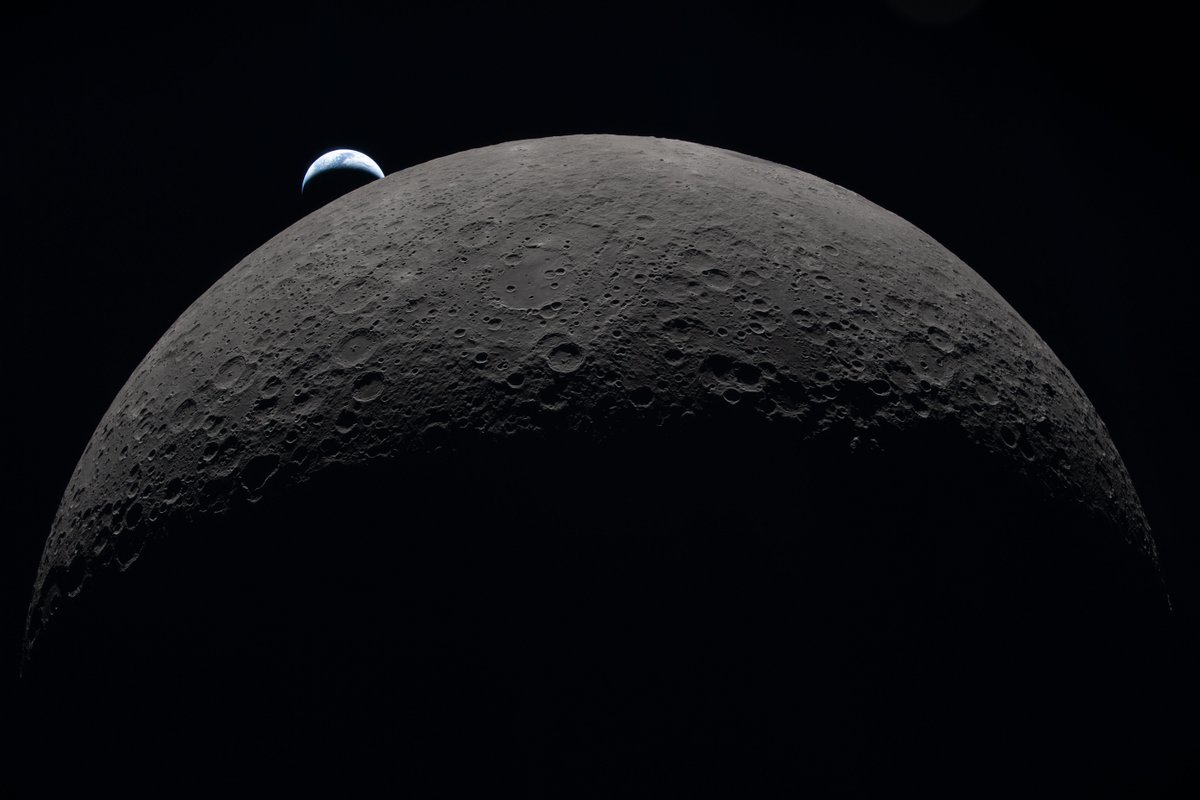
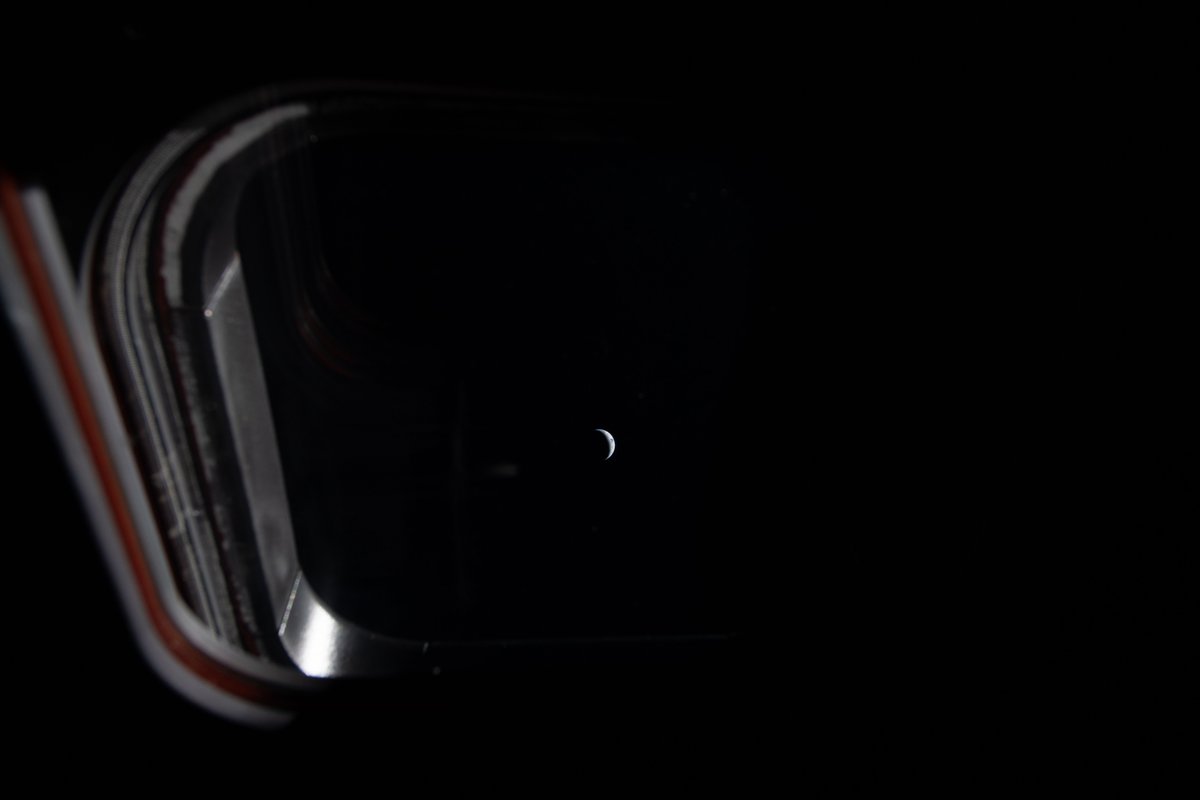
Hello, Moon. It’s great to be back.
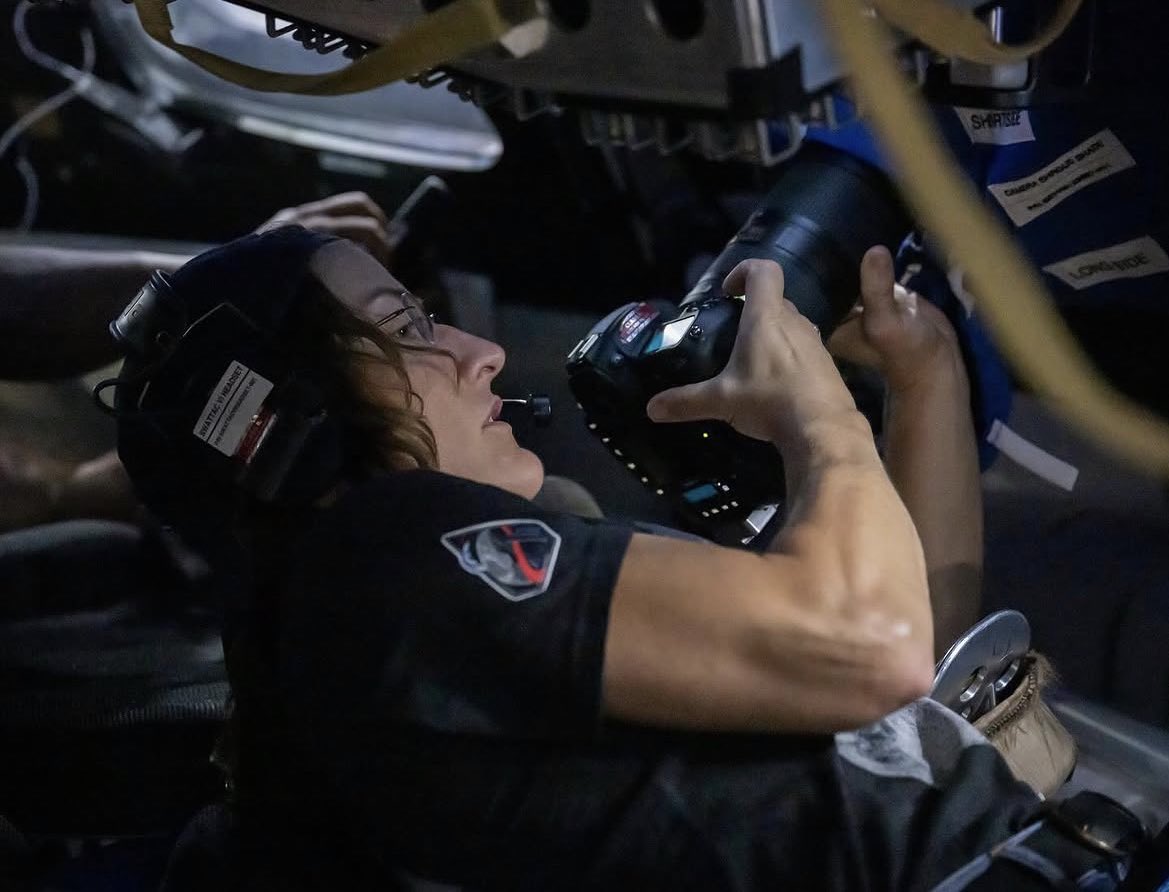
Here’s a taste of what the Artemis II astronauts photographed during their flight around the Moon. Check out more photos from the mission: https://t.co/rzM1P0QbOl
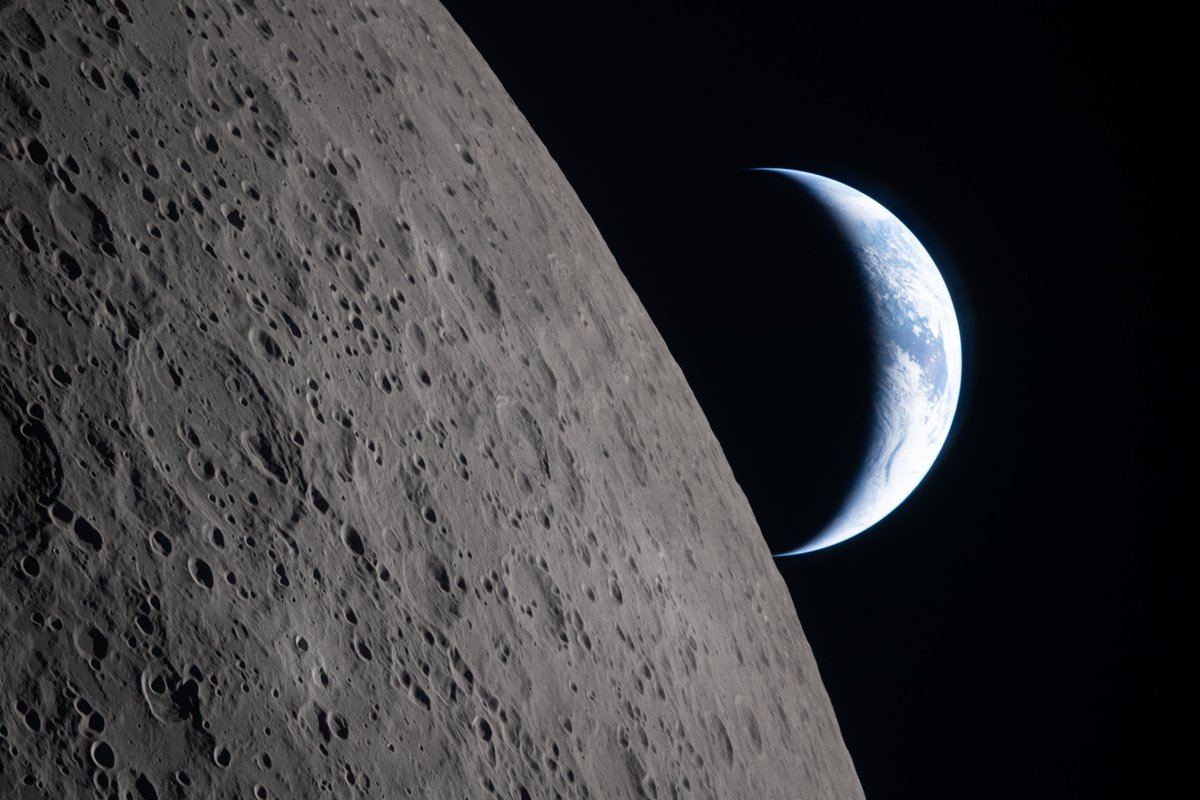
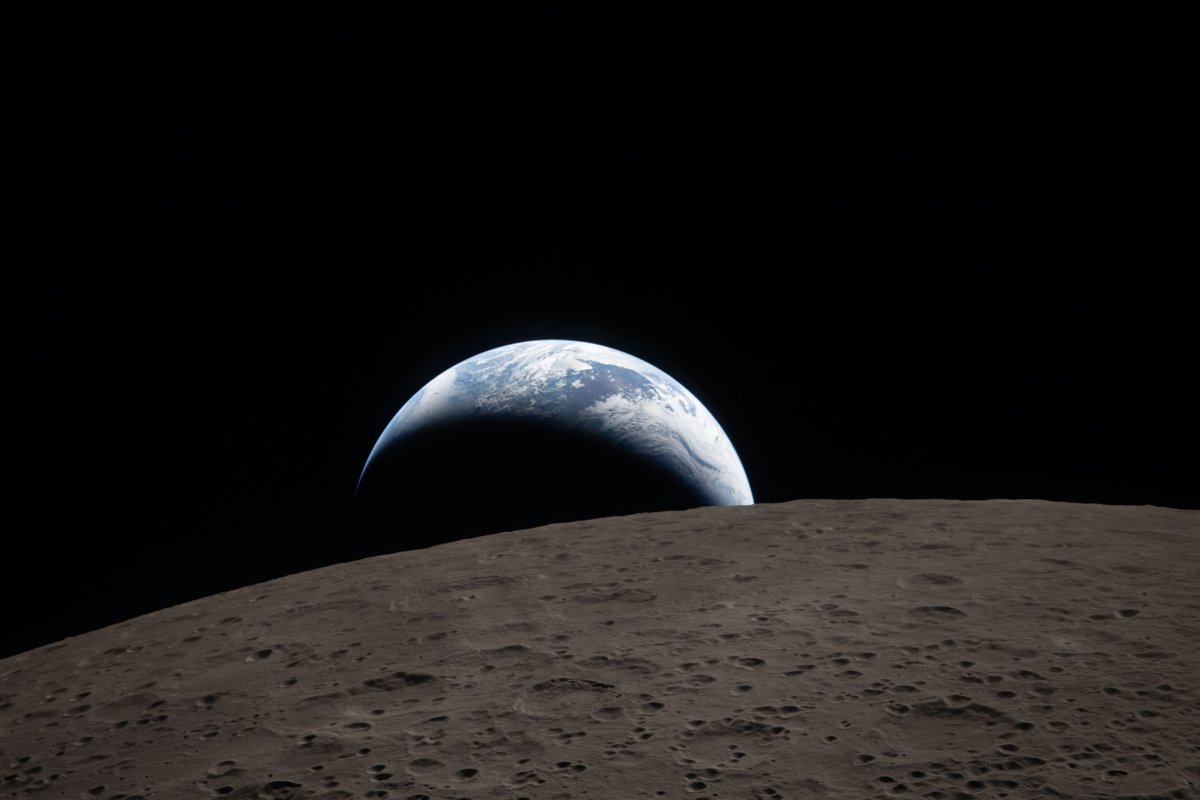
Earthset.
The Artemis II crew captured this view of an Earthset on April 6, 2026, as they flew around the Moon. The image is reminiscent of the iconic Earthrise image taken by astronaut Bill Anders 58 years earlier as the Apollo 8 crew flew around the Moon.
Let’s all collectively acknowledge that witnessing people going to other planetary bodies feels WAY more 21st century than building datacenters for shitty LLMs #ArtemisII
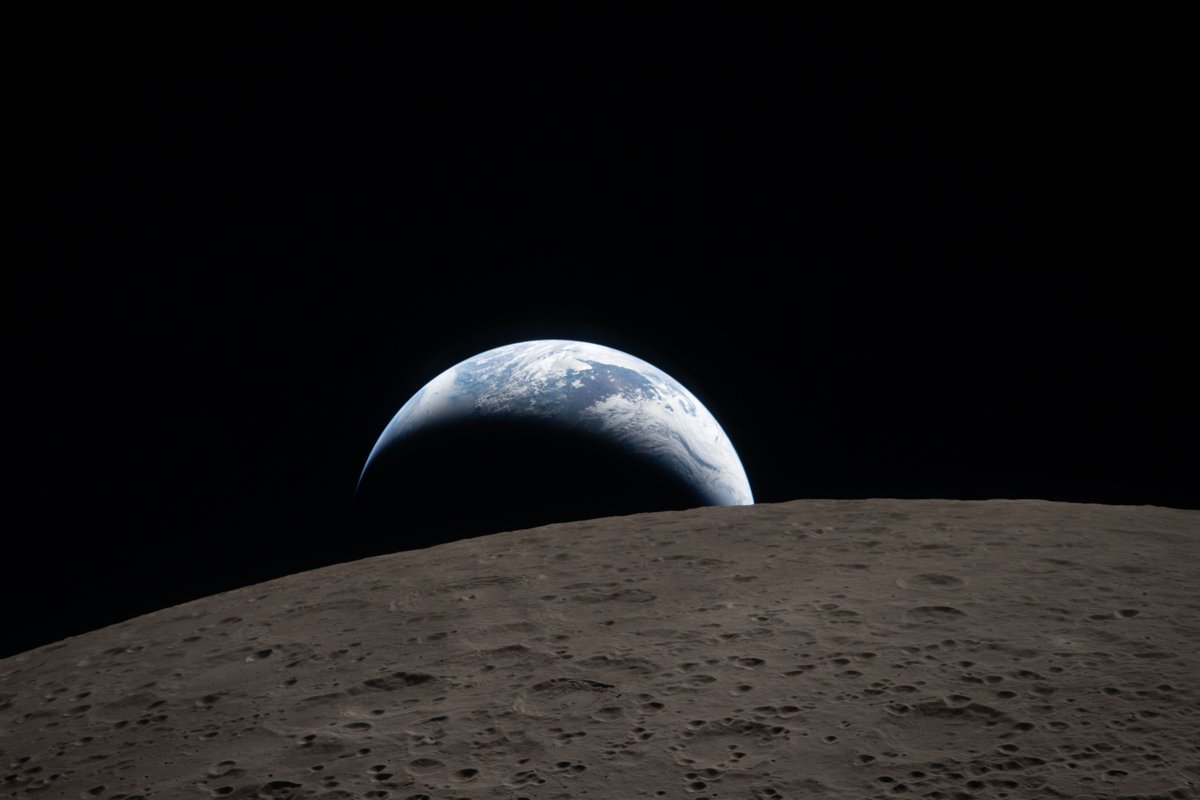
One last look at Earth before we reach the Moon.
This view of the Earth was captured on April 5, the fourth day of the Artemis II mission, from inside the Orion spacecraft. The four astronauts will reach their closest approach of the Moon tomorrow, April 6.
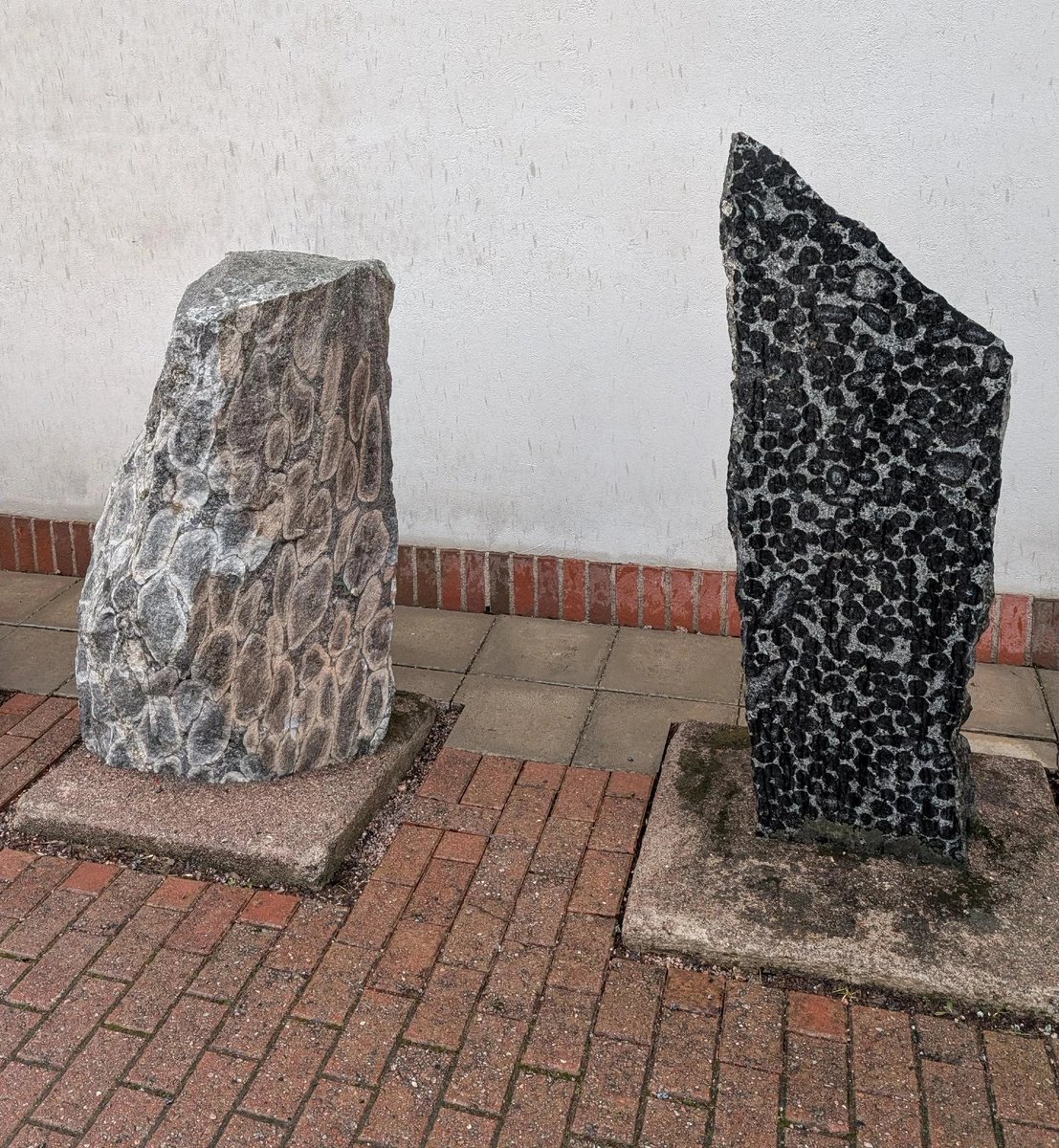
Happy International Geologist's Day! Now for real. Below are the Easter-most igneous rocks out there. The orbicular granite slabs near the Department of the Earth Sciences in Uppsala University.