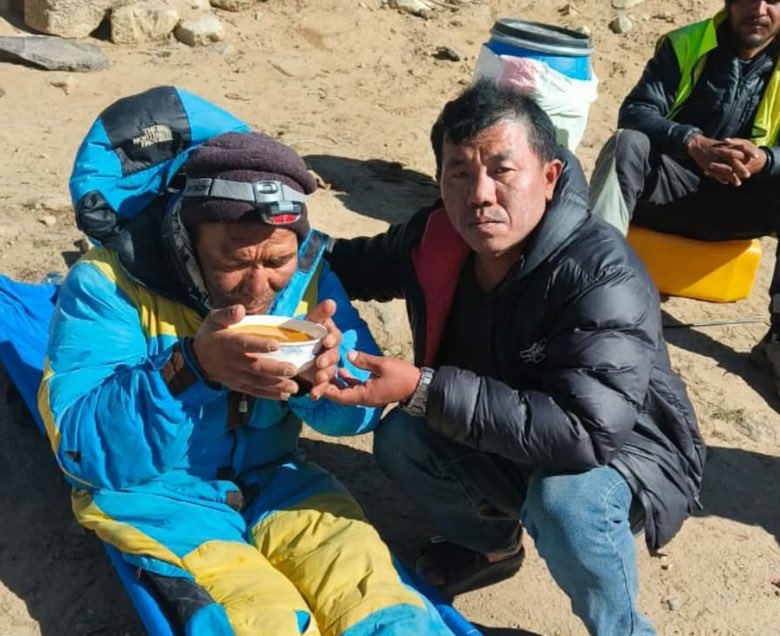
‼️Milagro en el Everest: Dawa Sherpa vive‼️
Se ha arrastrado al Campo Base del Everest sin comida, sin oxígeno, y sin ayuda.
Dawa Sherpa, guía sherpa de 52 años, fue abandonado por su expedición cerca de la Zona de la Muerte tras bajar con un cliente polaco con congelación.
Desaparecido desde el 29 de mayo! Sin comida, sin oxígeno y solo, sobrevivió 7 días a más de 7.000m. Cruzó el peligroso Khumbu Icefall sin escaleras y lo han encontrado hoy, el 4 de junio, arrastrándose hacia el Campo Base. (Lo han encontrado los de la limpieza.)
Rescatado con congelaciones graves y ya en hospital en Kathmandu.
📷Everest Today
This is the silent part that people wouldn't know.
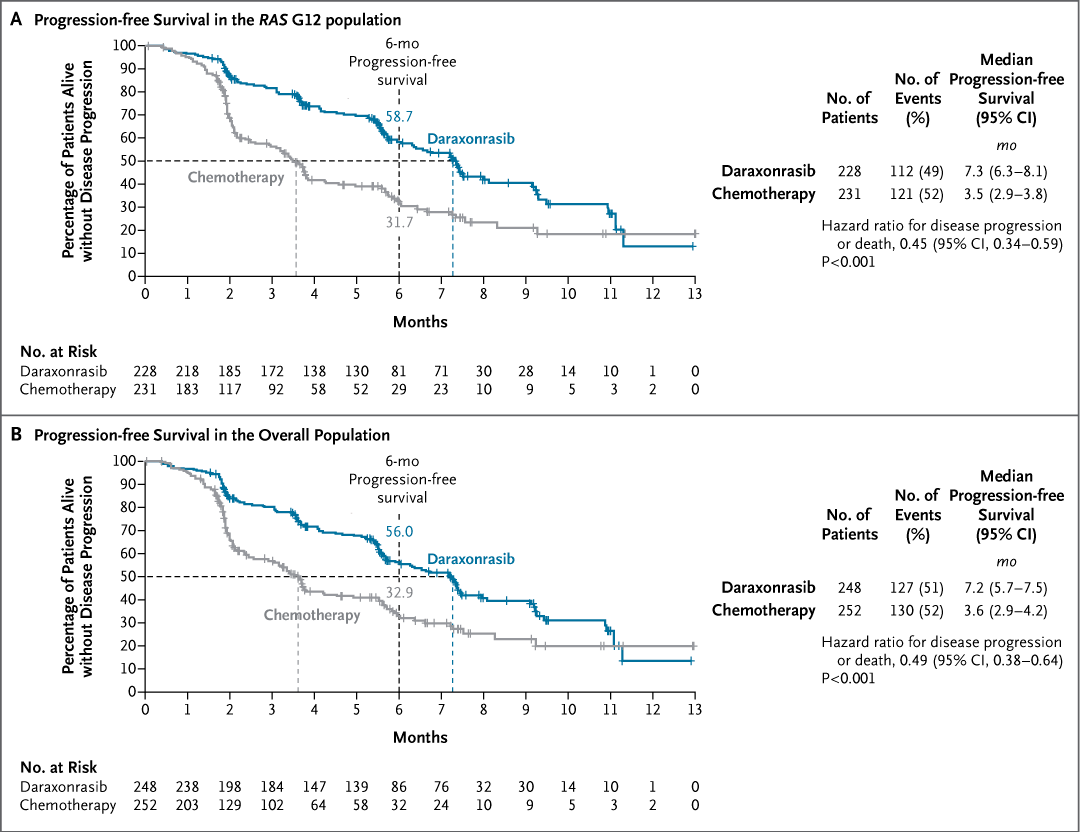
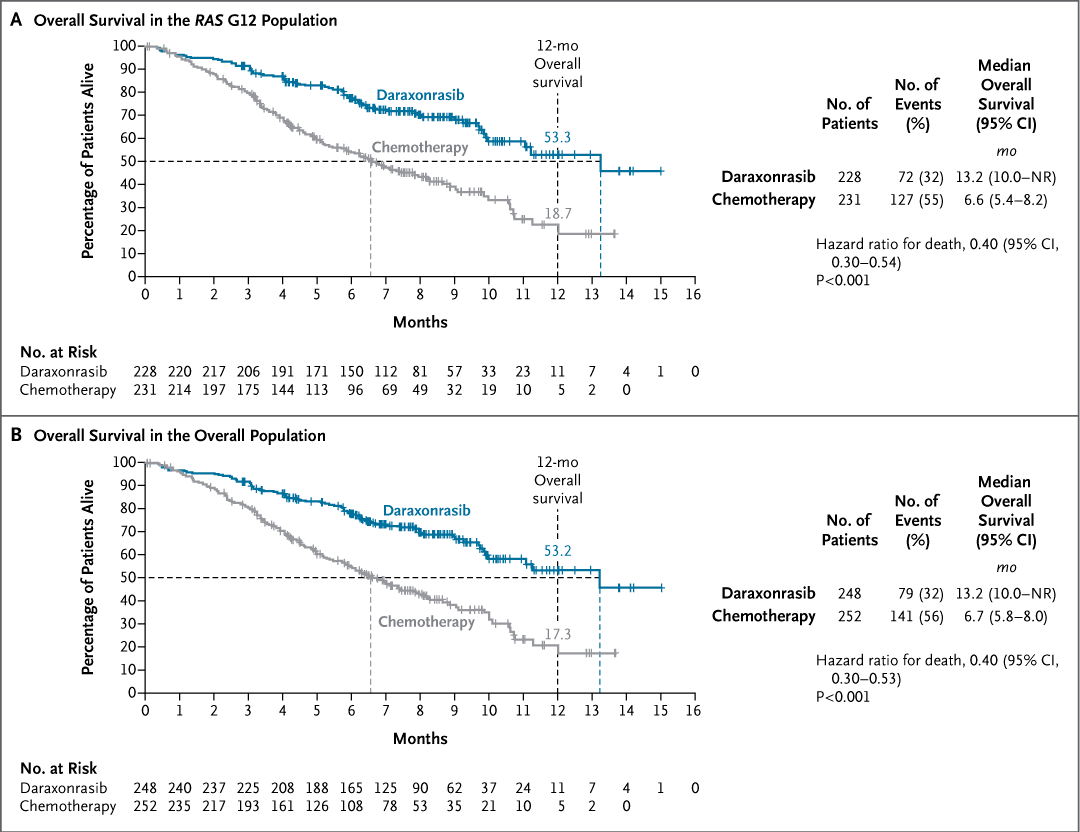
Behind closed doors inside a medical conference, a large group of clinicians and researchers giving a standing ovation to another group of clinicians and researchers who found a way to increase survival in patients suffering from one of the, if not the, worst cancer in humans.
Metastatic pancreatic cancer.
They'll do this and then be on their way to see their patients the next day as if nothing happened.
And then work on something new to better what they did in this room.
That is how medical science works.
Value it and value its practitioners.
Original Article: Daraxonrasib or Chemotherapy in Previously Treated Metastatic Pancreatic Cancer (phase 3 RASolute 302 trial) https://t.co/y4G27hfORg
#ASCO26 | @ASCO
Sometimes I complain about biotech culture being too pessimistic and negative. But I will say this.
When biotech people are happy, you know something genuinely awesome has happened.
This standing ovation totally brought me to tears.
On Thursday, my dad (stage 4 pancreatic cancer) started a Revolution Medicine trial building upon these results — RMC 5127, which uses the drug celebrated here, Daraxonrasib, with another drug targeting his specific KRAS mutation, G12V.
He’s nearly 2 years into his fight with pancreatic cancer and we have personally felt the impact of this watershed moment. It is a lifeline.
To the incredible, stalwart, brilliant researchers and folks bringing these discoveries to life - thank you. Thank you thank you thank you.
#MeteorSighting: Eyewitnesses in New England and @NOAA’s GOES-19 satellite reported a bright fireball on Saturday, May 30, at 2:06 p.m EDT accompanied by a loud noise. The meteor appears to have fragmented at an altitude of 40 miles over northeast MA and southeast NH. The energy released at breakup is estimated to be equivalent to about 300 tons of TNT, which accounts for the loud noise.
Eyewitness accounts supplied by the American Meteor Society.
It rained all Memorial Day weekend and then it was sunny all week while they were at work and school.
Cue the rain and clouds to move in around 5PM on Friday.
#boston
I took this video while descending from the summit of Mt Everest (8,848.86 m) and approaching Everest Base Camp on 22 May 2026. Crossing the Khumbu Icefall has always meant navigating collapsing seracs, shifting ladders, and deep crevasses, but now another danger is rapidly appearing across the glacier: newly formed meltwater streams flowing through the ice itself.
This did not feel like the Everest I first knew. It felt like witnessing the meltdown of the world’s highest mountain.
During the 2026 Everest season, I walked beneath the Khumbu Icefall and felt something deeply unsettling. The mountain no longer looked frozen and permanent. It looked fragile. It looked wounded.
Scientists have repeatedly warned that the Himalaya is warming faster than the global average. Study after study shows Himalayan glaciers are melting at an accelerating rate due to rising global temperatures caused by climate change. Some research suggests glaciers across the Hindu Kush–Himalaya region have lost ice significantly faster in recent decades than they did during the previous centuries. If global warming continues unchecked, experts warn that up to one-third, and potentially far more, of Himalayan glacier ice could disappear by the end of this century.
What I witnessed on Everest no longer feels distant or theoretical. The warning signs are already here. The ice beneath climbers’ feet is changing. Meltwater is flowing through places that were once permanently frozen. Ancient bodies trapped beneath glaciers are reappearing. Seracs are becoming more unstable. Entire sections of the mountain feel more unpredictable than ever before.
For millions of people across Asia, this is not only about mountaineering. The Himalaya is often called the “Third Pole” because it stores one of the world’s largest reserves of ice outside the Arctic and Antarctica. These glaciers feed rivers that support nearly two billion people downstream. What happens here will eventually affect water, food, disasters, and survival far beyond the mountains themselves.
As a mountaineer moments like this deeply affect me. We come to these mountains chasing dreams, and summits, but the mountains are now showing us their pain through melting ice, unstable glaciers, collapsing seracs, and silence.
Everest is speaking to humanity through this meltdown. The question is whether the world will finally listen before these warnings become irreversible.
BREAKING: American endurance athlete and mountain runner Tyler Andrews 🇺🇸 has summited Mt Everest (8,848.86 m) under 10 hours from Everest Base Camp using supplementary oxygen, according to the latest expedition updates.
With the ascent, Andrews has broken the previous Everest Base Camp-to-summit oxygen-assisted FKT (Fastest Known Time) record of 10 hours and 56 minutes.
Prof. Kim Lewis' lab, where I spent a year, during my time at @NortheasternCOS, has done amazing work in the field of antimicrobial discovery to battle Lyme Disease.
Lyme disease has afflicted 15% of residents in Nantucket, Massachusetts. The tick-borne illness is found primarily in the Northeast, but it’s spreading across the U.S. https://t.co/LdPVyHU6hu
Everest
Dos ciudadanos indios han muerto mientras descendían del Everest tras haber alcanzado la cima. Uno falleció a la altura del Escalón Hillary y el otro se sintió mal, fue bajado hasta el Campo 2 donde murió.
Un tercer ciudadano indio está siendo rescatado del Collado Sur a unos 7.900 m.
Fuente:
The Himalayan Times
📷North Karakoram/Climber Ramesh- IG reels
Dana-Farber is contributing $150,000 to help provide cancer screenings for 500 Boston firefighters.
The funding comes as the city works to preserve access after the loss of federal grant support for firefighter cancer screenings.