WHO 2026 Clarification on Immature Teratomas
Any amount of immature neuroepithelial tissue in a teratoma → diagnose as immature teratoma
Before calling it immature, rule out mimics:
- Cerebellar tissue (pic 1)
- Retinal tissue (pics 2 & 3; pic 3 was previously misdiagnosed as immature teratoma)
- Ependymal tissue (pic 4)
Dr. McCluggage. 2026 Annual Meeting of the International Society of Gynecological Pathologists
#ISGyP #Pathology #PathX
🔬 Folliculin mutated renal tumor: H&E & GPNMB IHC
Want to sharpen your GU pathology expertise? Join Johns Hopkins faculty for Contemporary Issues in GU Pathology: What Every Pathologist Should Know, Feb 5–7, 2027. Online CME/MOC with updates on WHO classifications.
Epithelioid mesothelioma in the peritoneum:
• Can look morphologically similar to serous borderline tumor (pic 1)
• Can show calcifications similar to low-grade serous carcinoma (pic 2)
Warning: PAX8 and SOX17 are not reliable in this differential, they can be positive in up to ~15% of peritoneal mesotheliomas
Helpful stains: ER and PR are almost always negative in mesotheliomas
An ER/PR-positive proliferation is unlikely to be a mesothelioma
Dr. Chapel. Peritoneal Mesothelial Pathology
#ISGyP #pathology #PathX
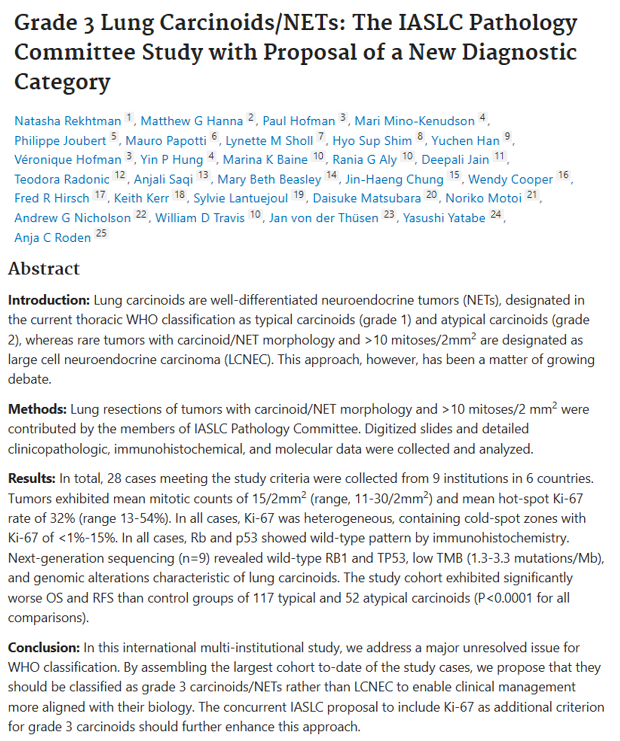
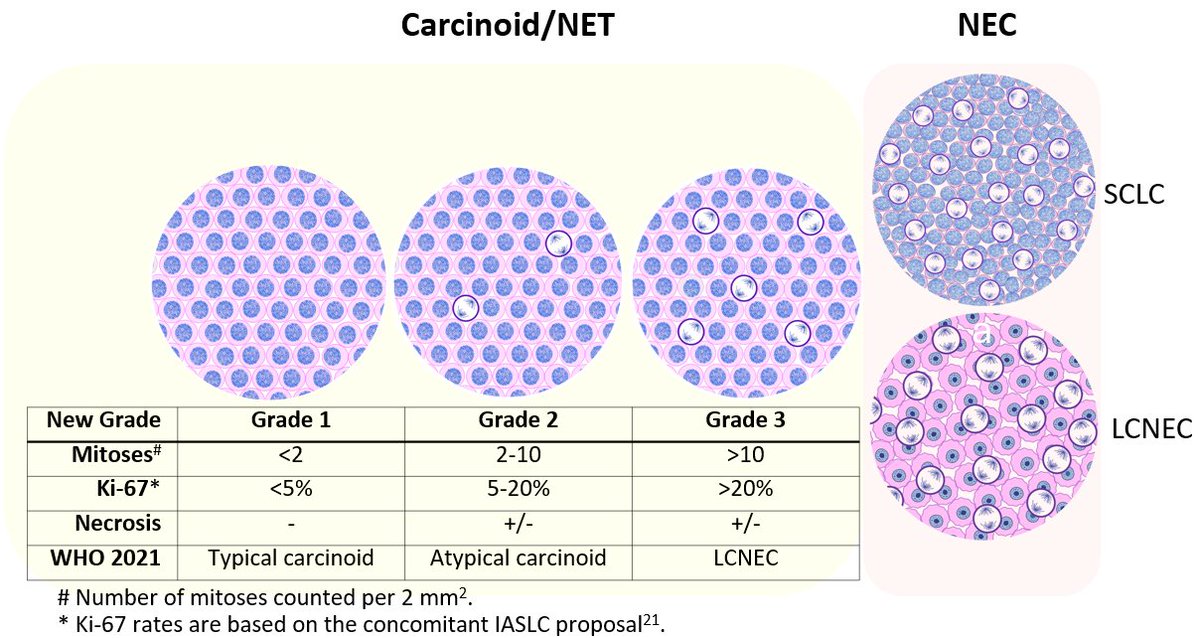
Hi all, Excited to share a recent study by @IASLC Pathology Committee that led to a long-awaited update in lung neuroendocrine tumor classification. Great joint effort by multiple institutions across continents!
https://t.co/MwxsnHkgTL
BREAKING NEWS
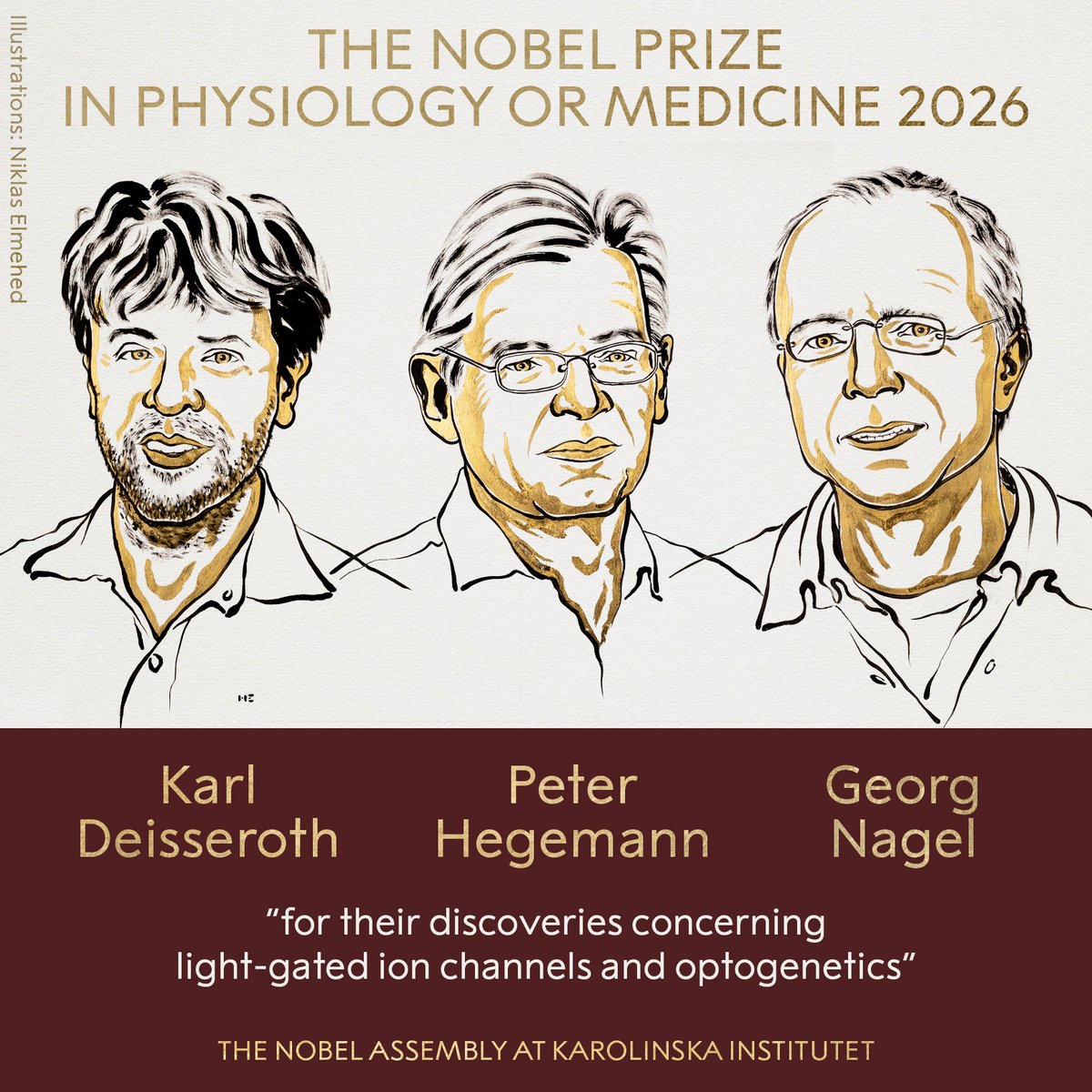
The 2026 #NobelPrize in Physiology or Medicine has been awarded to Karl Deisseroth, Peter Hegemann and Georg Nagel “for their discoveries concerning light-gated ion channels and optogenetics.”
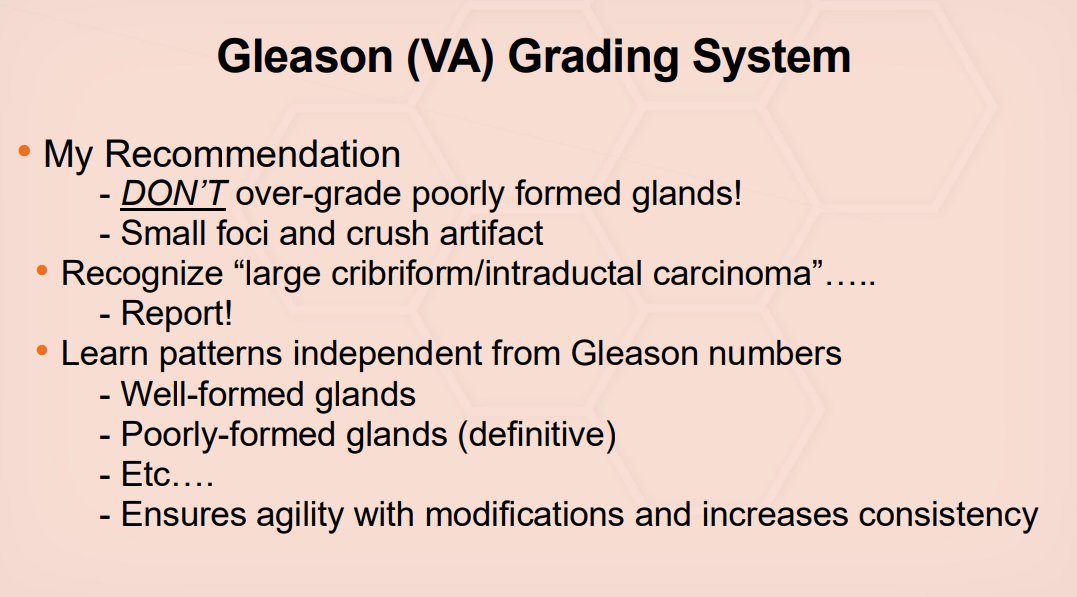
Should prostatic adenocarcinoma, 3+3 be renamed prostatic acinar neoplasm? Pathologists battle it out in Hairy Cell Potter and the Order of the Prostate @MountSinai_Path#pathologists
Prostate cancer grading in 2026: Best Tips
1. Recognize the aggressive patterns (pic 1):
- Large cribriform
- Large sheet-like growth
- Anastomosing growth
- Cribriform
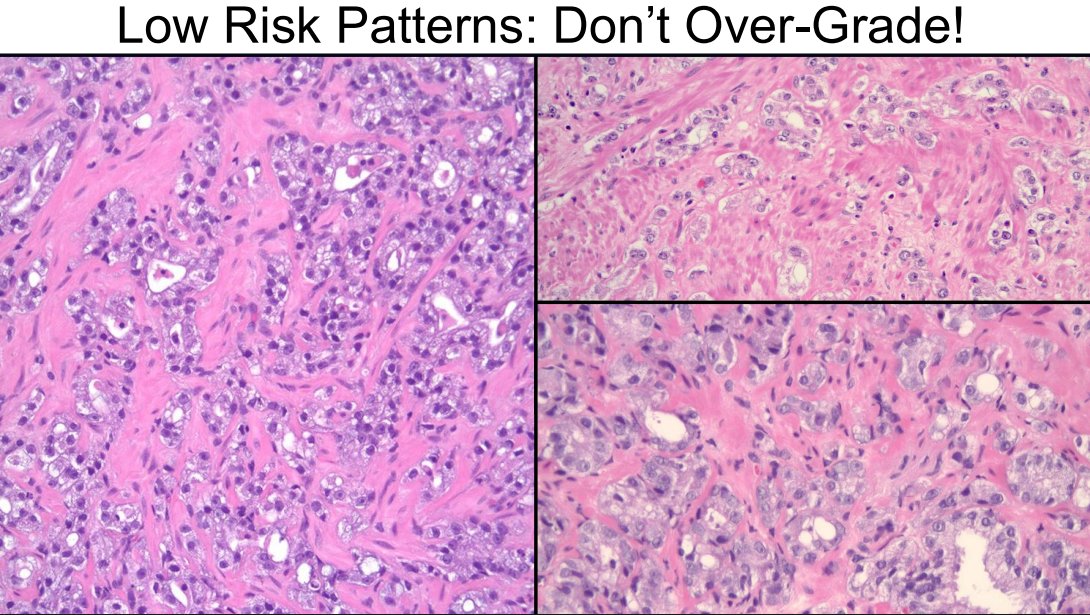
2. Do not worry about undercalling cases like pic 2. Outcome studies show these patterns are not associated with an aggressive clinical course
If you feel compelled to call pattern 4, minimize the amount. Studies have not found metastatic disease with these patterns.
Dr. McKenney. Prostatic Adenocarcinoma Grading: 2026 Update #USCAP #pathology #PathX
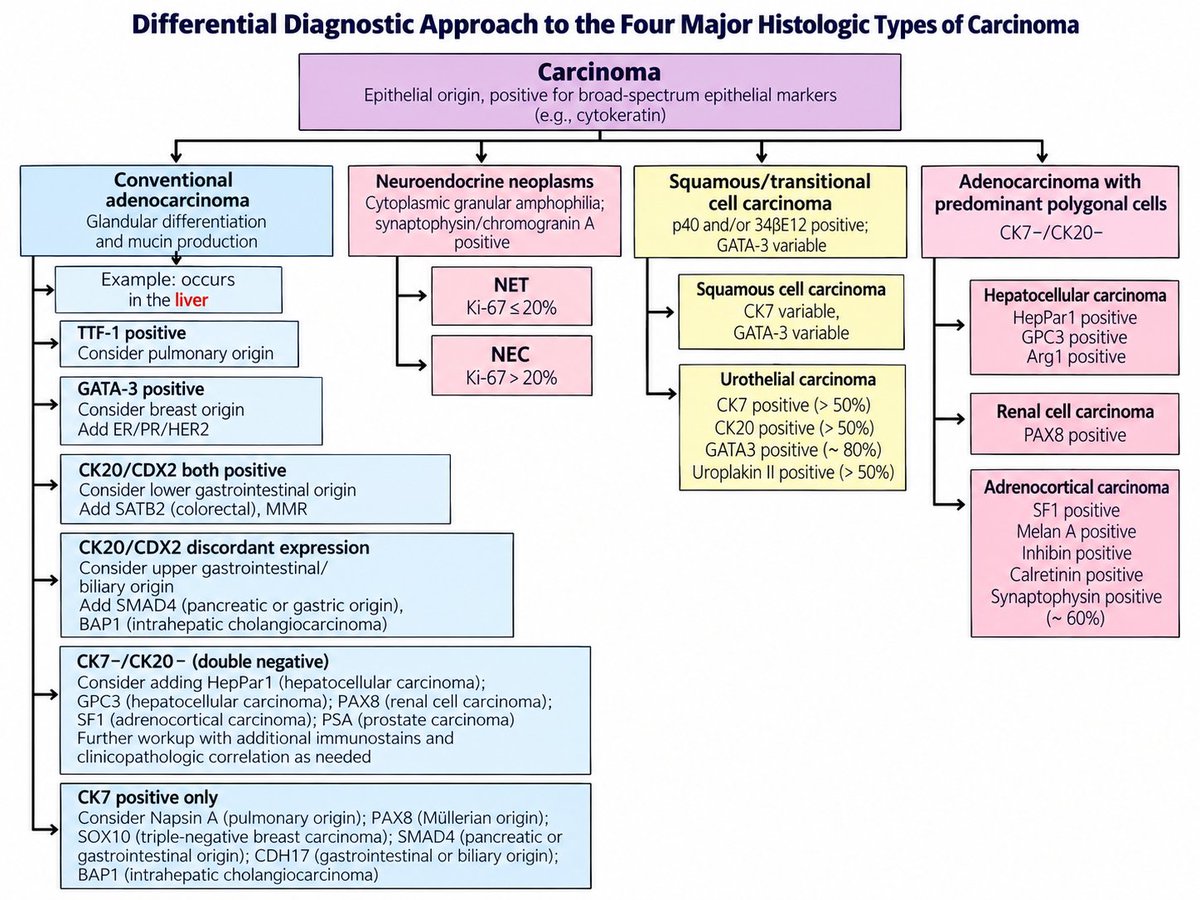
Differential Diagnostic Approach to the Four Major Histologic Types of Carcinoma
The four major histologic types of carcinoma include conventional adenocarcinoma, adenocarcinoma composed predominantly of polygonal cells, squamous/transitional cell carcinoma, and neuroendocrine neoplasms.
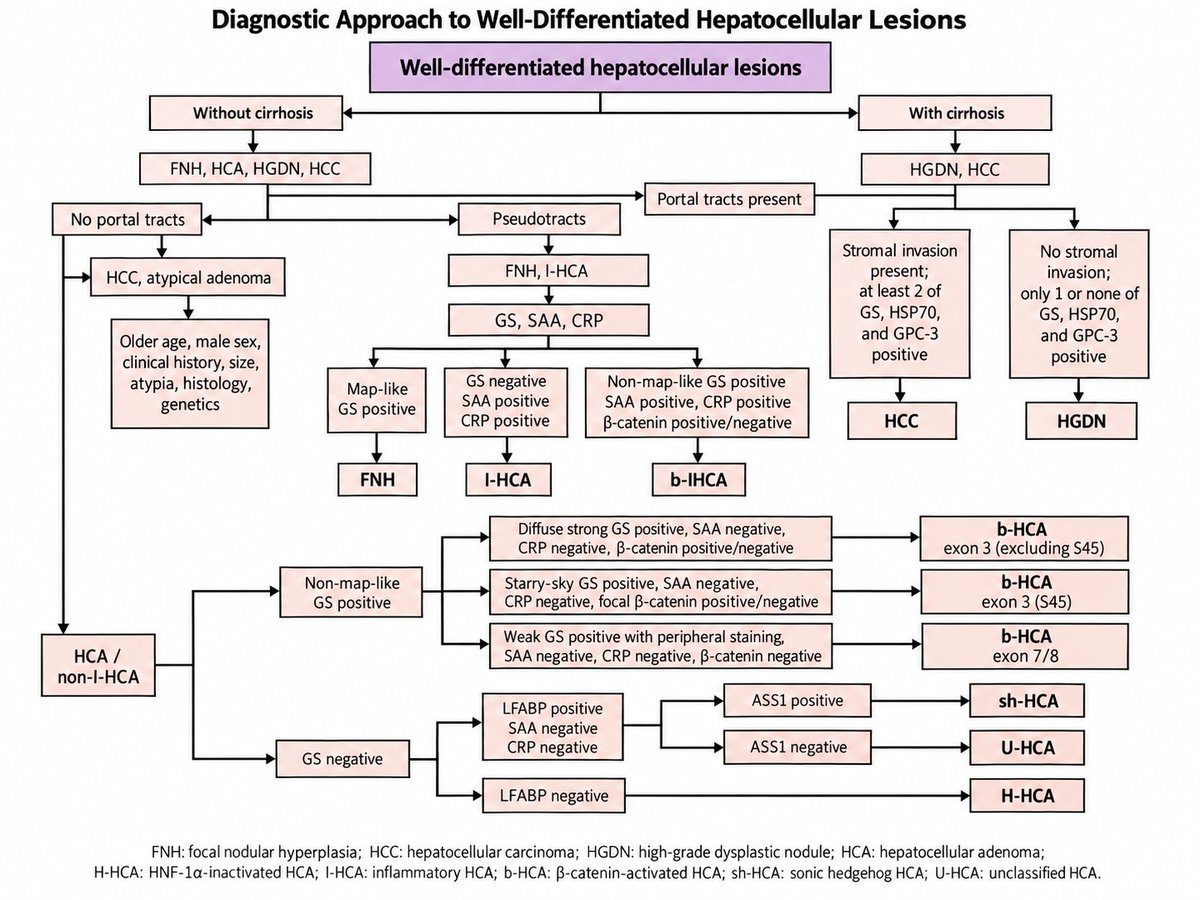
Diagnostic Approach to Well-Differentiated Hepatocellular Lesions
For well-differentiated hepatocellular lesions, the recommended initial panel includes reticulin stain, CK7, and CD34.
When distinction between a dysplastic nodule (DN) and hepatocellular carcinoma (HCC) is required, additional markers may include GS, Glypican-3 (GPC-3), and HSP70.
When hepatocellular adenoma (HCA) is suspected and subtyping is required, an additional immunohistochemical panel may include GS, β-catenin, SAA, CRP, L-FABP, ASS1, and PTGDS.
The deaths of two children in separate gene-editing trials in China raise serious questions about oversight and could have a profound effect on the country’s biomedical industry
https://t.co/H6MJeh1QgW
Pathological diagnostic approach to mesothelial hyperplasia
The pathological diagnosis of mesothelioma requires a combination of clinical information, microscopic morphology, immunohistochemical markers, and molecular testing.
WHAT'S NEW IN APPENDICEAL TUMORS (WHO 6TH EDITION)
Mucinous carcinoma peritonei is the preferred term for deposits of a mucin-producing neoplasm in the peritoneal cavity that produce gelatinous mucinous ascites and involve omentum, ovary, or peritoneum
Use this term only for mucinous lesions that originate in the appendix, the urachus, or a mature teratoma of the ovary.
Do not use it for acellular mucin alone.
Dr. Pai GIPS PathCast https://t.co/76a8Ja56xS #pathology #PathX