Our new paper, led by @baird_andy and out now in
@HydroProcesses, shows the importance of measuring peat specific yield (Sy) from intact peat cores, rather than depth-interval "pucks", which may underestimate Sy. Open access and free to all.
New #PeatPaper 'The effect of wetting history, botanical composition and depth on the specific yield of two common types of bog peat' https://t.co/BM0hEhcmHc w/ @alicemmilner@peatbloke @sophie0682 #PeatTwitter
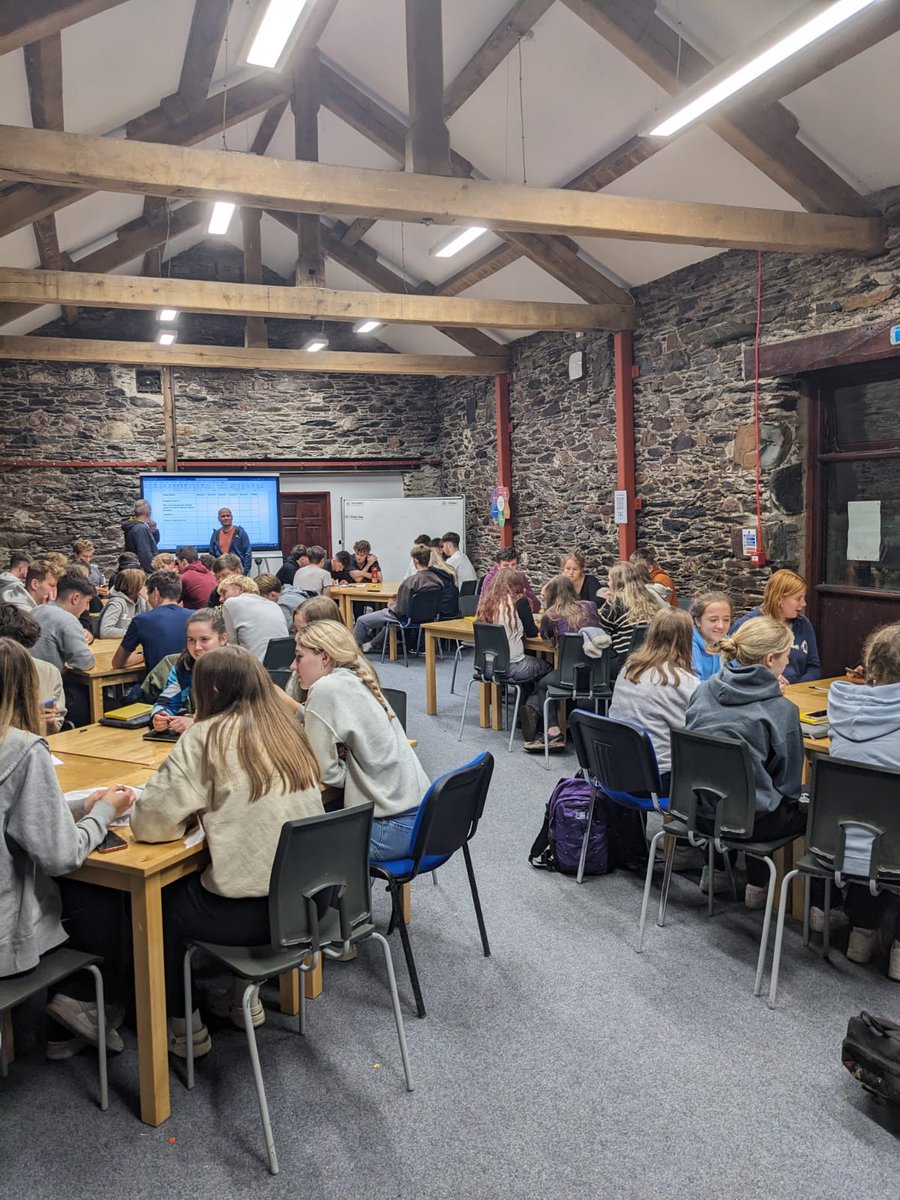
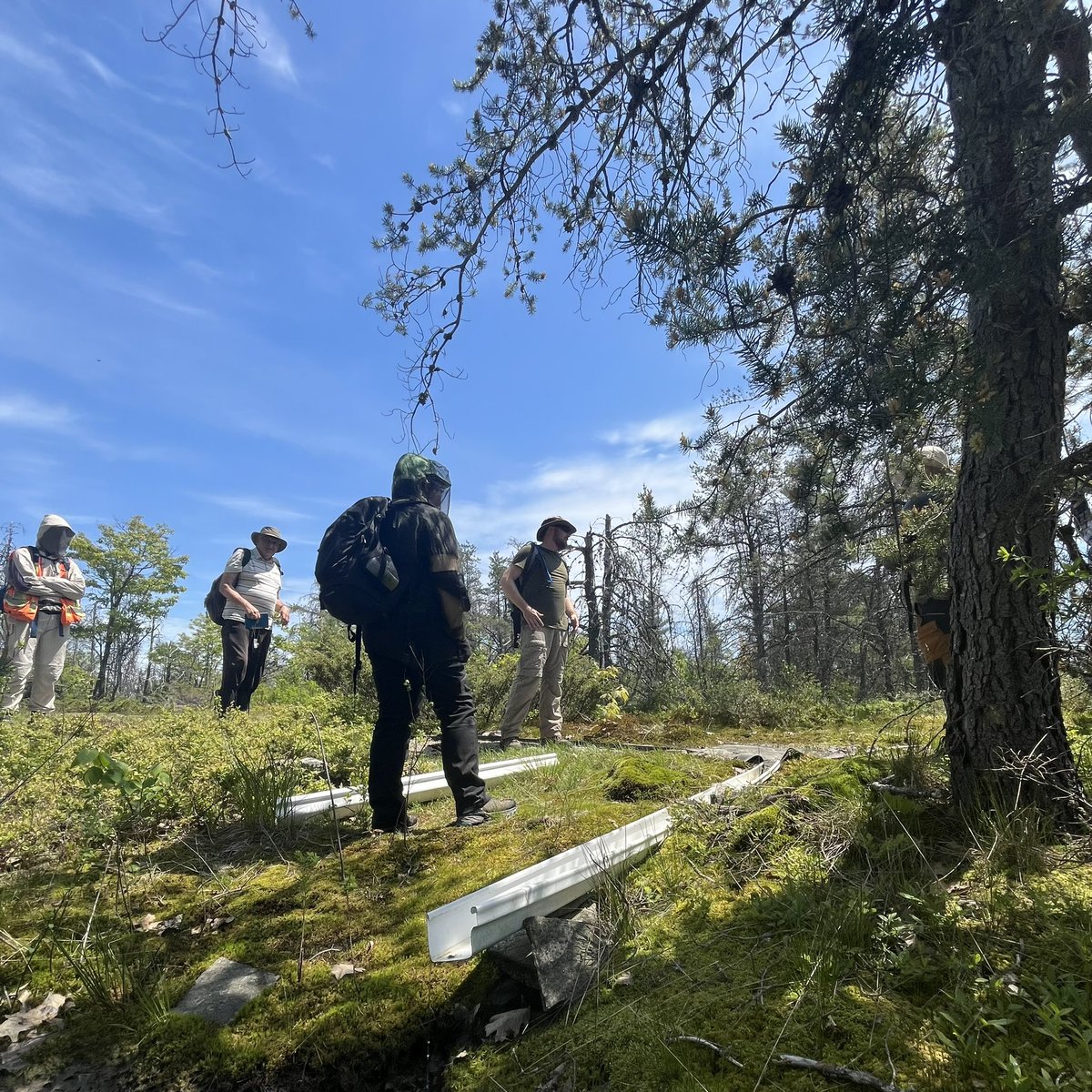
Kicking off the #PeatMetal and Restoring Industrially Impacted Peatlands International Workshops with a tour of our @NOBEL_Water natural and unburned peatland sites. Looking forward to great discussions on peatland hydrology, metal biogeochemistry, and restoration!
#PeatTwitter
#peat Twitter does anyone have an electronic copy of...
Mathur SP & Famham RS (1985) Geochemistry of humic substances in natural and cultivated peatlands. In Aiken GR, McKnight DM, Wershaw RL & MacCarthy P (eds) Humic Substances in Soil, Sediments and Water, 53-86
Check our our exciting new climate change journal "Critical Insights in Climate Change". Happy to answer any questions you have! https://t.co/aBElCV9o4Y
@WeAreTandF#climate#environment Please retweet!
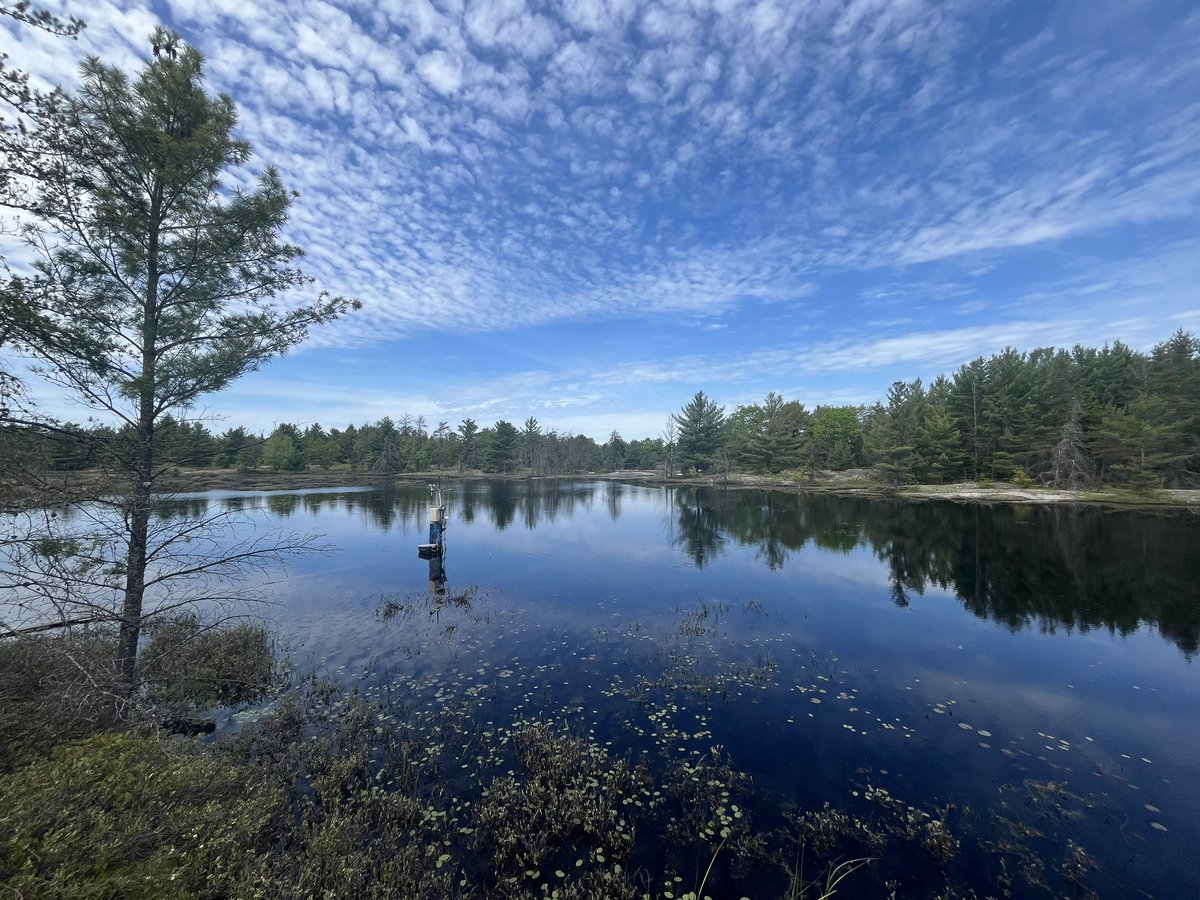
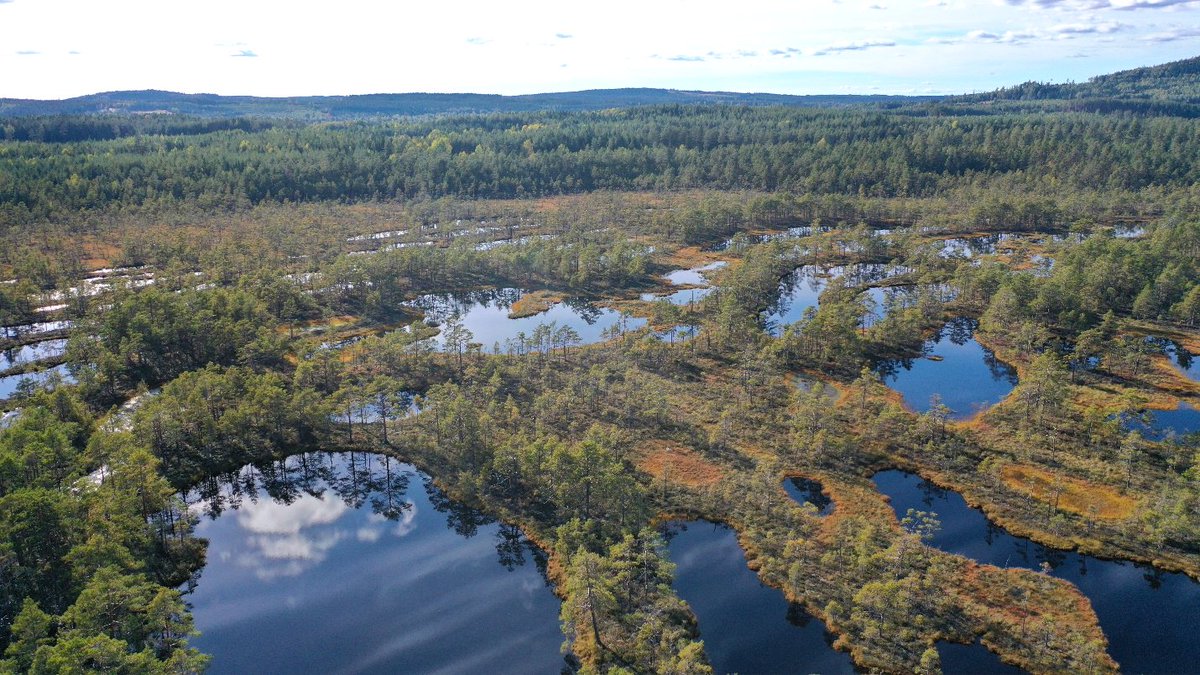
Some boreal peatlands are losing their characteristic pools – a concern for their unique ecosystems.
@rbpmleeds and @uppsalauni researchers studied the long-term changes of the pools at Hammarmossen to understand why it's happening.
Find out more:
https://t.co/nNeK3oF4eB
The prospect of large-scale loss of peatland open water area is likely to have important consequences for changes in peatland C budgets, biodiversity and hydrological functions, and deserves systematic study 4/4
New paper by PhD student @daniel_colson out now in Ecosystems uses aerial imagery to track changes at Hammarmossen patterned raised bog, Sweden. Over 61 years this iconic site lost more than a quarter of its pool area, overgrown by Sphag & sedges. Open access and free to all 1/4
Pleased to announce our new #PeatPaper ⬇️
Six Decades of Changes in Pool Characteristics on a Concentric-Patterned Raised Bog (Colson et al., 2023)
https://t.co/74O6RoDqws
Many thanks to my co-authors @peatbloke@GeomorphMark@DuncanQuincey Håkan Rydin and @GGranath
Worryingly, this isn't an isolated observation. Other recent studies in boreal and temperate peatlands have shown similar losses of open water, with colonisation of pools, and acceleration of fen-bog transitions, possibly driven by warming climates 3/4
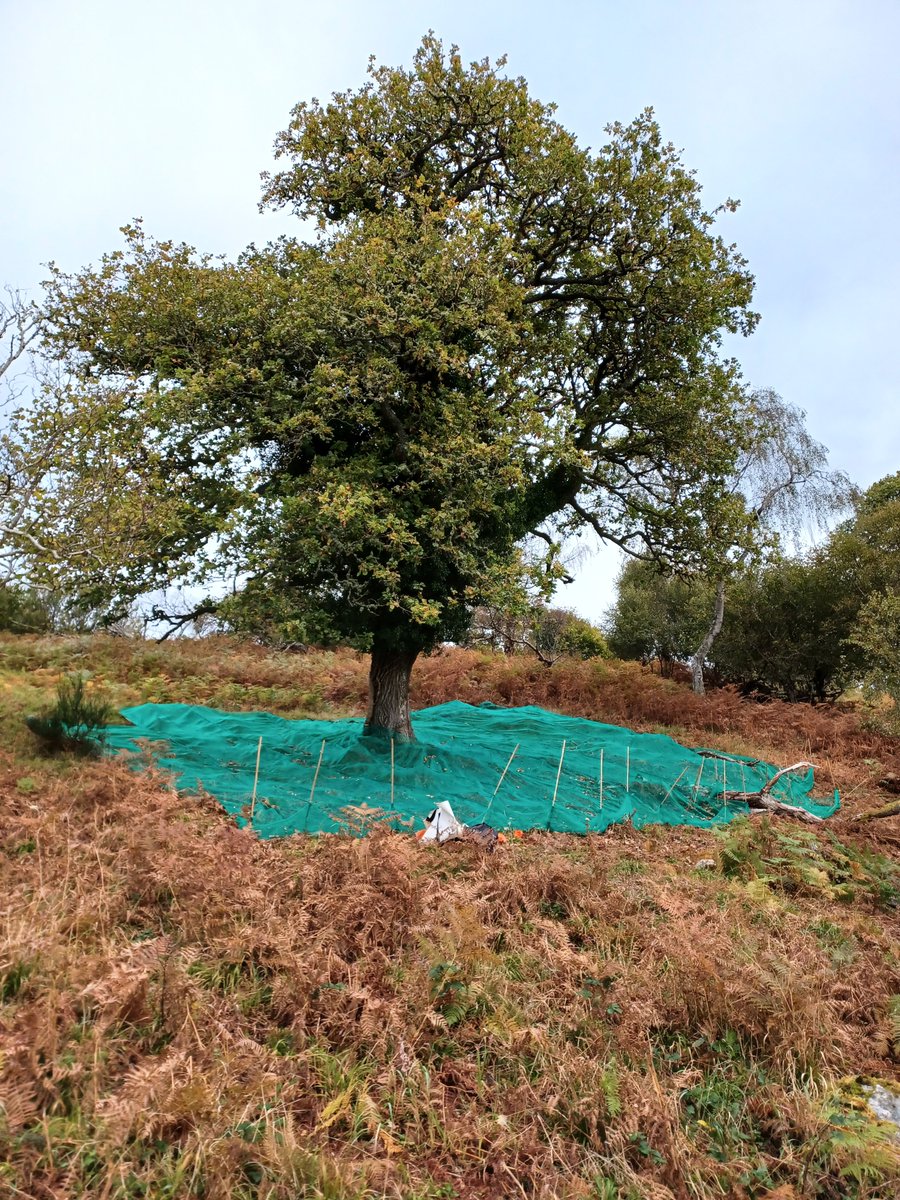
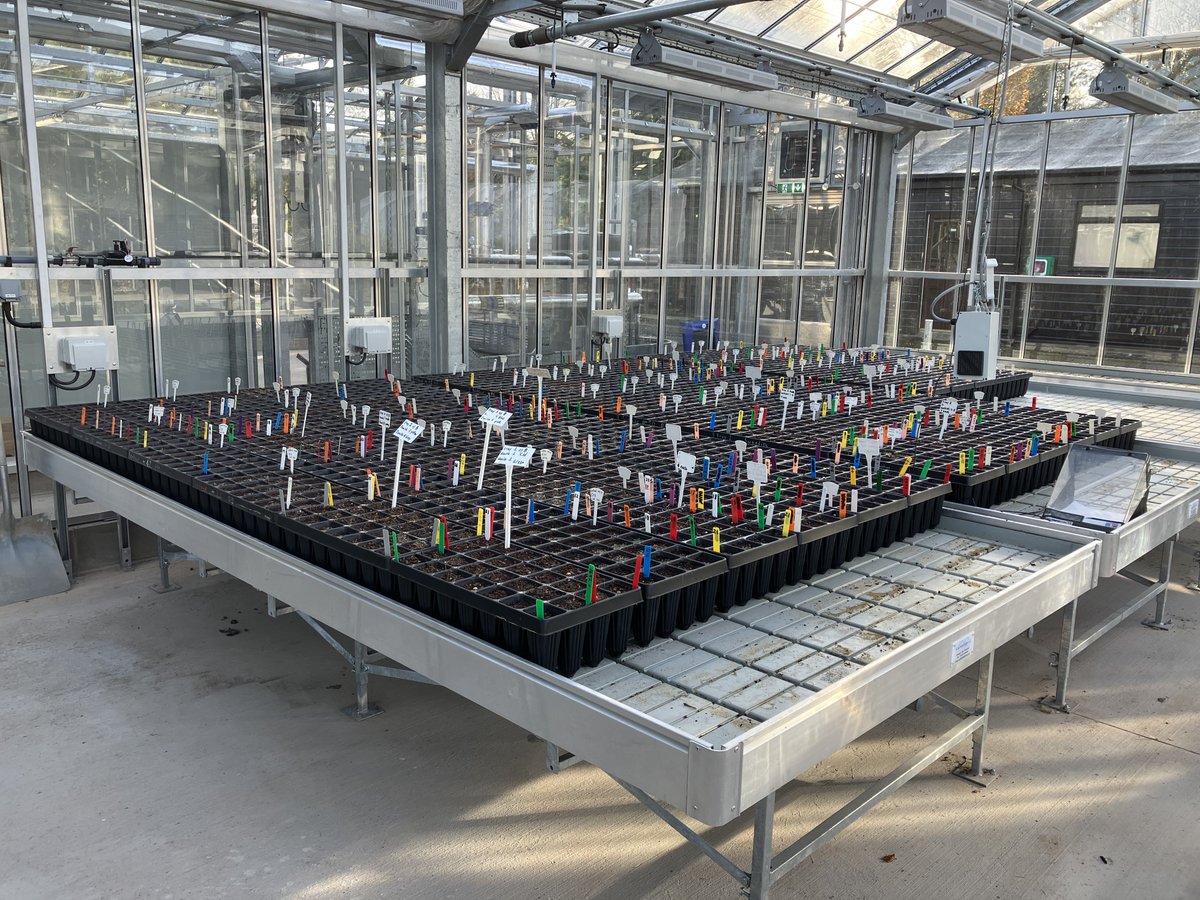
1/2 A few months into my new role at @Forest_Research and as part of @OptFORESTS we've collected and sown a Scottish provenance of sessile oak. This is first step towards establishing next-generation multi-species common gardens across Europe 🌲🌳🧬
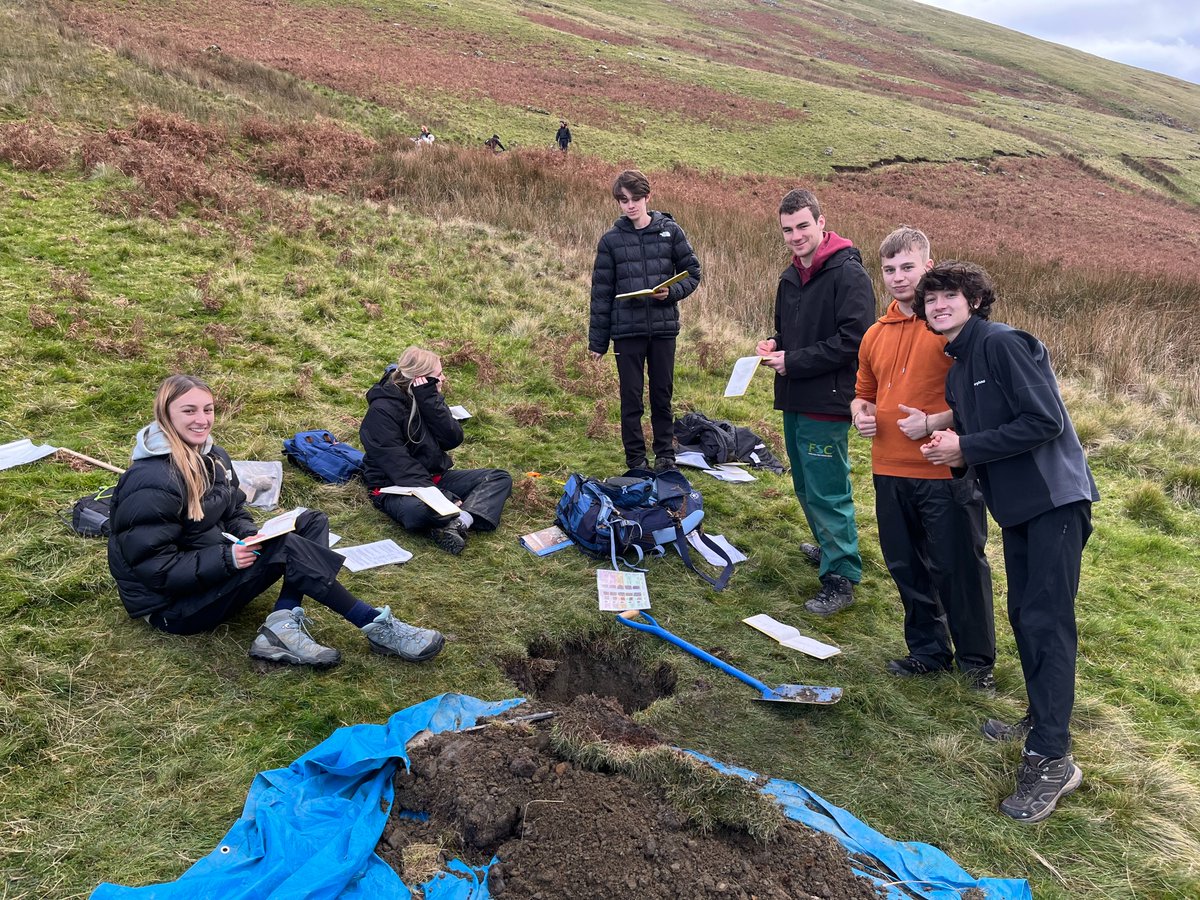
BSc Geography students from @SoGLeeds learning about the forests, rivers, hills and soils of the Lake District on our first-year Blencathra trip (also enjoying great weather).
(ANOTHER) FULLY FUNDED PHD OPPORTUNITY
Large-scale Export of Aquatic Carbon from Peatlands. Fully funded by NERC Panorama DTP here at @SoGLeeds, now open to applications. Contact me for more details.
PLEASE REPOST
https://t.co/XYqbL3qAbe