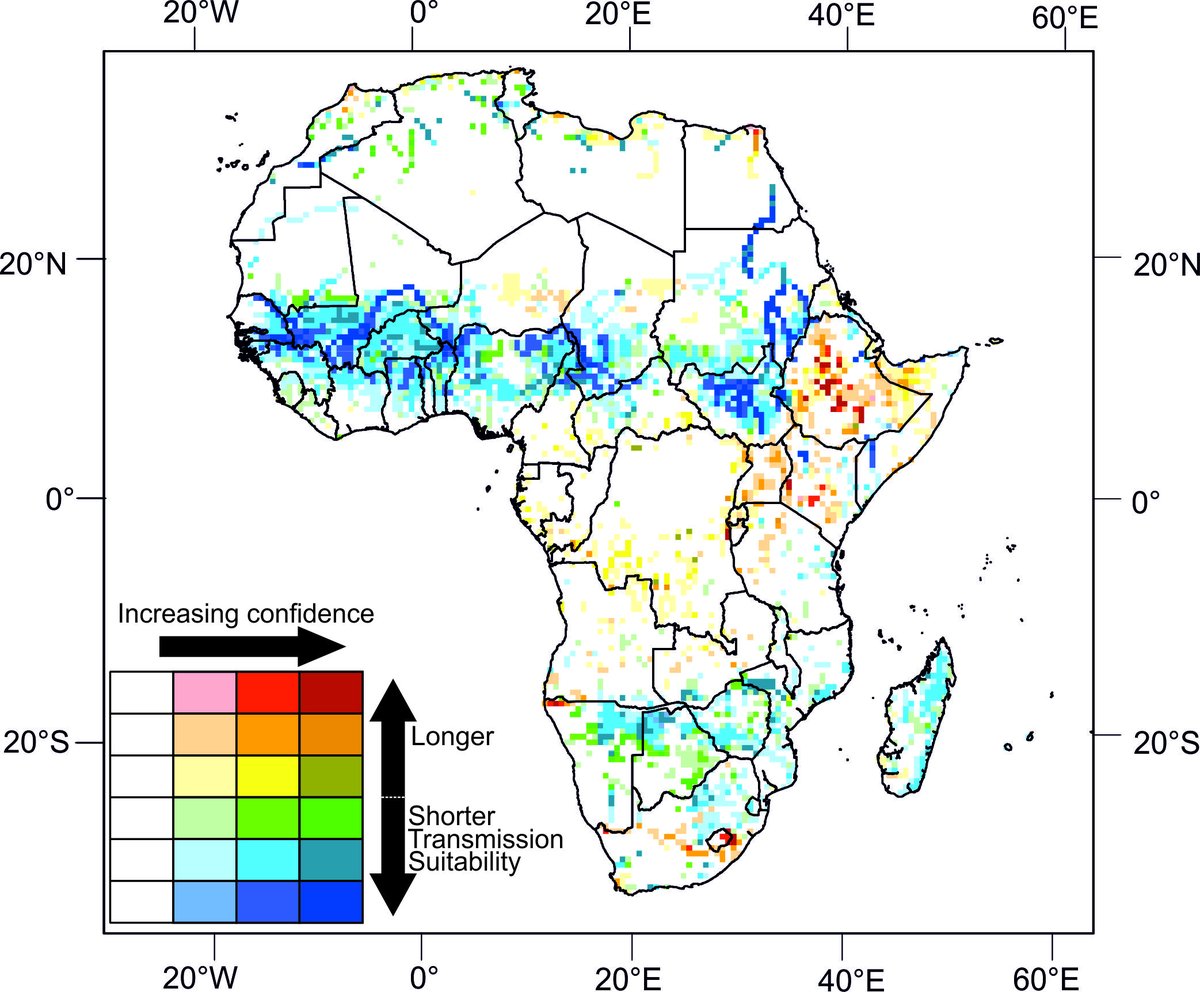
Where might climatic suitability for malaria transmission change in future? In our paper published today in Science, we use hydrological models from @ISIMIPImpacts to examine the effect of hydrology on malaria suitability changes in Africa.
@LandEthics@BritSafe Every few years I have to do this... lifting zones, posture, etc. Of course when you've only got one hand it's all a complete fiction anyway and you lift stuff however you can. Pure B.S... oh look there it is in my inbox again...
Malaria will be on the move in a changing climate. Including processes such as rainfall and runoff in future forecasts paints a complex picture.
https://t.co/Ue4SDDcGAr
Ahead of #AfricaDay, we highlight recent research projects in which our researchers have collaborated with African communities, scholars and practitioners to address local and global challenges:
https://t.co/bQoJ4HlHCO
"Revolutionary model predicts malaria trends in Africa": @GeomorphMark's study, which used multiple models to understand and predict environmental malaria risk in Africa, was reported on by @EarthDotCom.
Read more:
https://t.co/KSRyCgSrGT
Climate models predict larger than expected decline in African malaria transmission areas, according to new research in Science.
The study's approach offers a more nuanced view that could inform #malaria control efforts in a warming world. https://t.co/uc9TkNp729
How will climate change affect malaria? Groundbreaking new research by Dr Mark Smith highlights role of hydrology in a joint study with @unilincoln https://t.co/fzC5CbUxAf
How will changing patterns of malaria transmission interact with demographic change? Check out our new paper published in @ScienceMagazine! Led by @GeomorphMark et al. @SoGLeeds https://t.co/JRgLEfhuY6
Where might climatic suitability for malaria transmission change in future? In our paper published today in Science, we use hydrological models from @ISIMIPImpacts to examine the effect of hydrology on malaria suitability changes in Africa.
Shiofting patterns and an overall decrease in suitability across Africa... But when it's too dry or hot for malaria... you know you are in bother! With @MrozElizabeth@simon_gosling@tdm_willis and others not on here!
@Dunc76@MeanwoodMatters Blimey! Feeling smug right now... We were driving back to Horsforth on the ringroad exactly then but I diverted through Meanwood as I was worried about the dip. Sometimes it pays to study surface water!
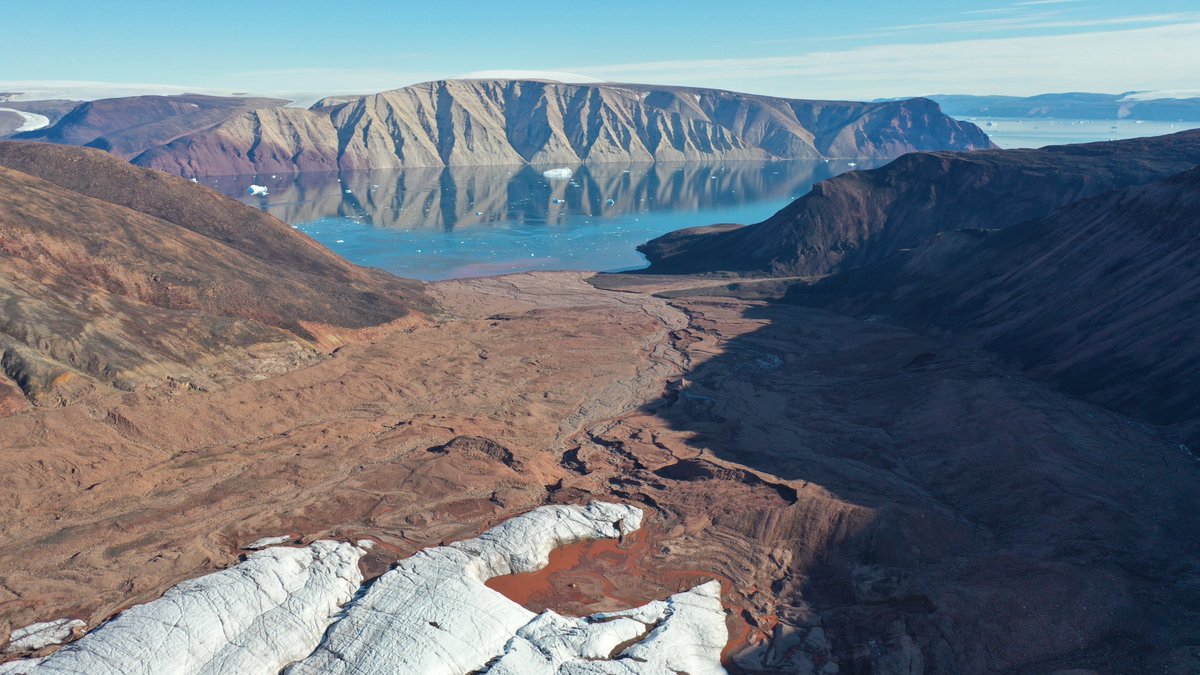
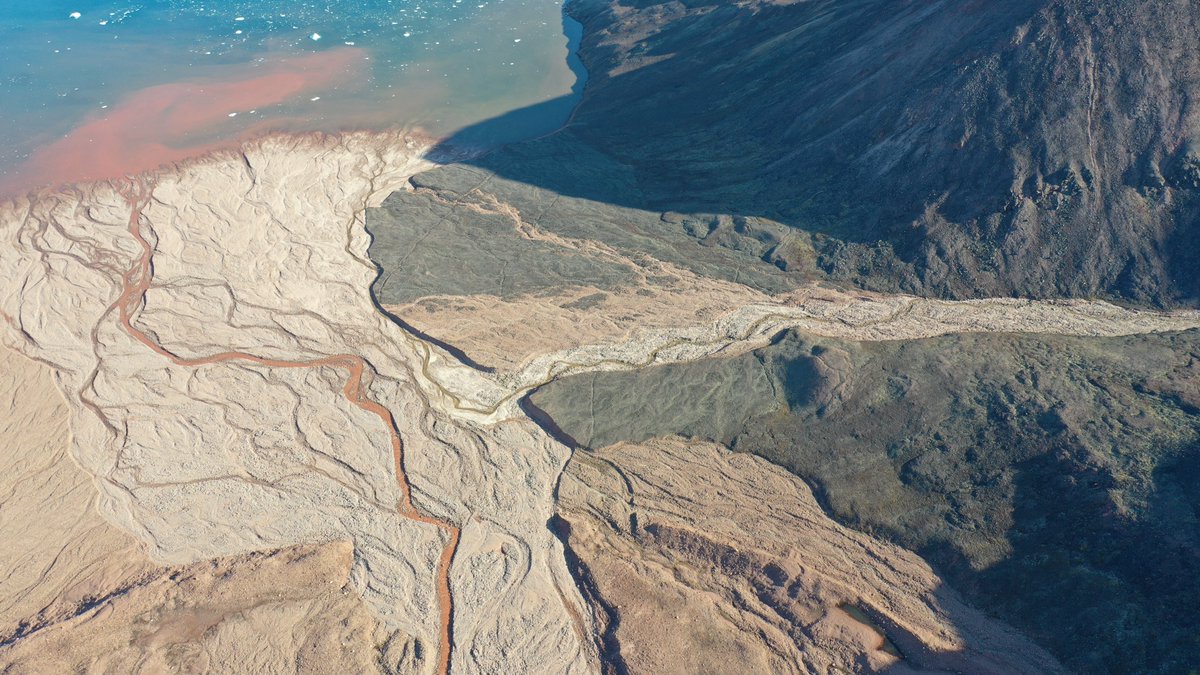
A recently published paper (https://t.co/YS7XT4MJMs) is getting some traction: we mapped vegetation changes as a result of ice loss on the Greenland Ice Sheet. I did the change analysis using GW binomial regression.
https://t.co/ZrMlmPCue1
#rstats#rspatial
The medieval marketing of Erik the Red presenting Greenland as a lush fertile land is coming true. The Greening of Greenland since the late 1980s in response to a warming Arctic has serious connotations, both locally within Greenland and globally:
https://t.co/kdwsCFf6QP
Greenland is greening! It's great to see this research published in @SciReports by Michael Grimes and Jonathan Carrivick. It brings back great fieldwork memories! https://t.co/PzBBPITfRD @SoGLeeds
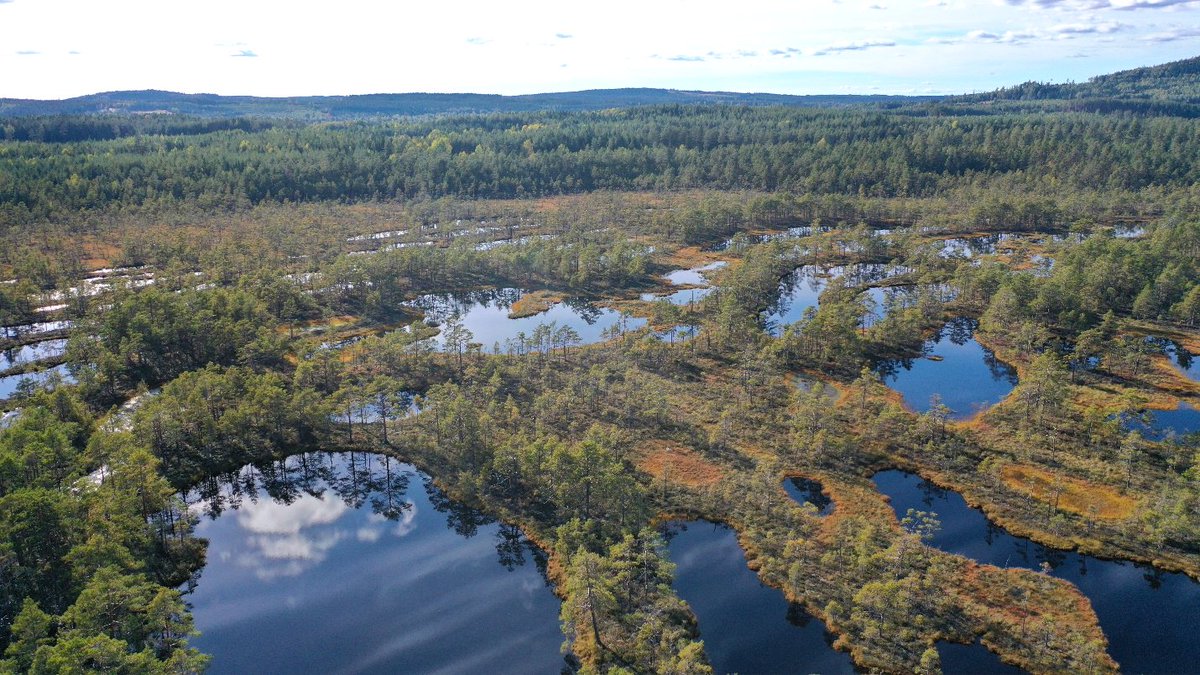
Some boreal peatlands are losing their characteristic pools – a concern for their unique ecosystems.
@rbpmleeds and @uppsalauni researchers studied the long-term changes of the pools at Hammarmossen to understand why it's happening.
Find out more:
https://t.co/nNeK3oF4eB