The Event Platform team at @datadoghq have been rebuilding the pipelines that bring customer data into their platform with Antithesis' help.
"Antithesis caught protocol-breaking bugs in stateful encoding, but what really gave us confidence was seeing it exercise complex timing interleavings that would have been difficult for us to reproduce with our existing tests. The failures it surfaced made us reevaluate how we were testing the system." -- Joy Zhang, Senior Staff Engineer at Datadog
Full story below.
The Arcane Texas Fact of the Day is so deliciously out there in the weeds that I almost can't stand it: Actor Stephen Tobolowsky, who hails from Oak Cliff (Dallas) and whom you've seen in a hundred different movies and TV shows, is responsible for the band RadioHead's name. It's true.
Back in 1986, David Bryne of the band Talking Heads was making the film "True Stories" here in Texas. Tobolowsky, whom most people recognize as Ned Ryerson from Groundhog Day, was involved in developing and co-writing the movie, along with Byrne and playwright Beth Henley. During that collaboration, Tobolowsky told Byrne about some peculiar experiences he'd had while attending SMU in Dallas. Tobolowsky said that for a period he could perceive what he described as "tones" coming from people, and from those tones he sometimes seemed able to know surprisingly specific things about their lives. He eventually stopped doing it because some of what he perceived became disturbing.
Byrne loved the story and incorporated the idea into the movie. More importantly, he wrote a song inspired by Tobolowsky's story called "Radio Head." Tobolowsky recalls Byrne telling him, essentially, that he'd written the song for him.
The English band that eventually became Radiohead was originally called "On a Friday." After signing with EMI in 1991, they were asked to change their name. They chose Radiohead, taken from the Talking Heads song "Radio Head" on the True Stories album.
So the lineage of the band's name is: Stephen Tobolowsky's strange experiences at SMU → Tobolowsky tells David Byrne → Byrne writes "Radio Head" → Talking Heads record it → On a Friday adopts the song title → Radiohead.
And here's the kicker: when Tobolowsky was asked in 2019 whether he'd ever met Thom Yorke or any of the other members of Radiohead, he said no, he had not.
RadioHead went on, of course, to become one of the most popular bands in history. Just one of their videos on YouTube has more than 1.5 BILLION views.
I TOLD y'all it is arcane!
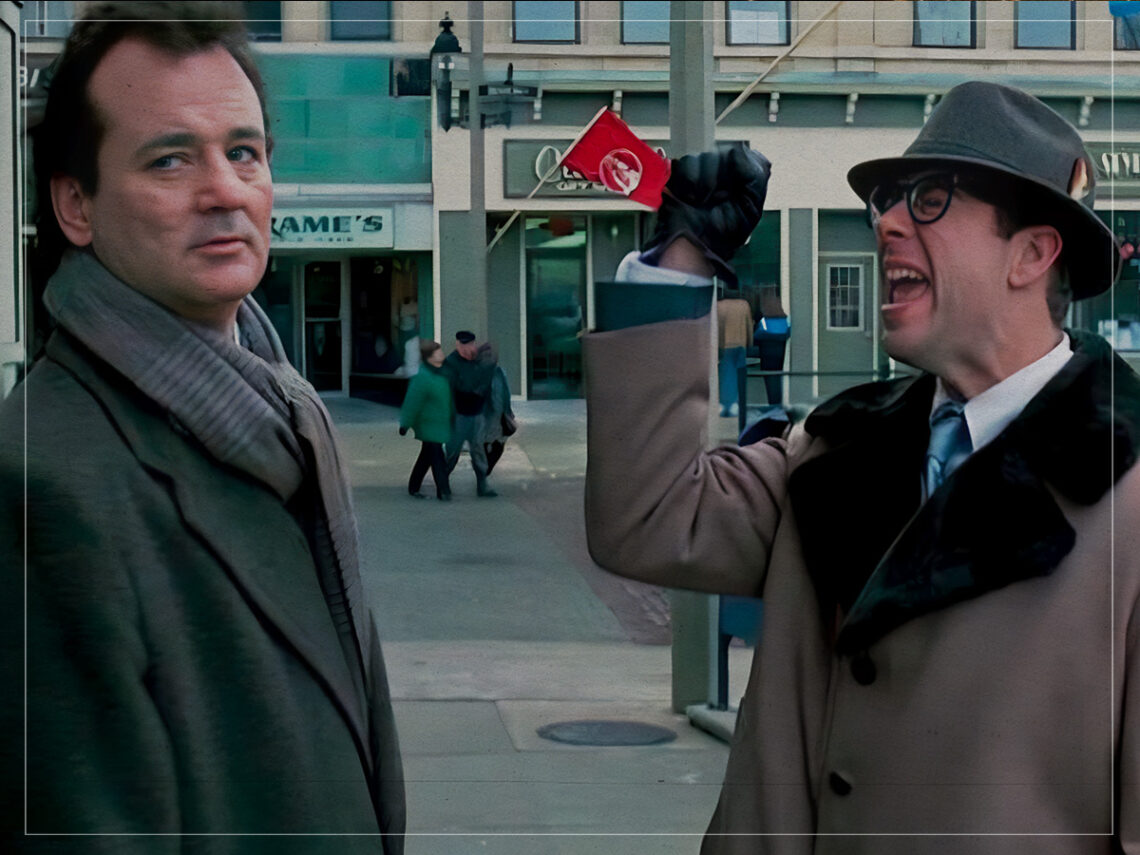
Here's Stephen Tobolowsky as Ned Ryerson in "Groundhog Day." He's the guy that tries to sell Bill Murray insurance every day.
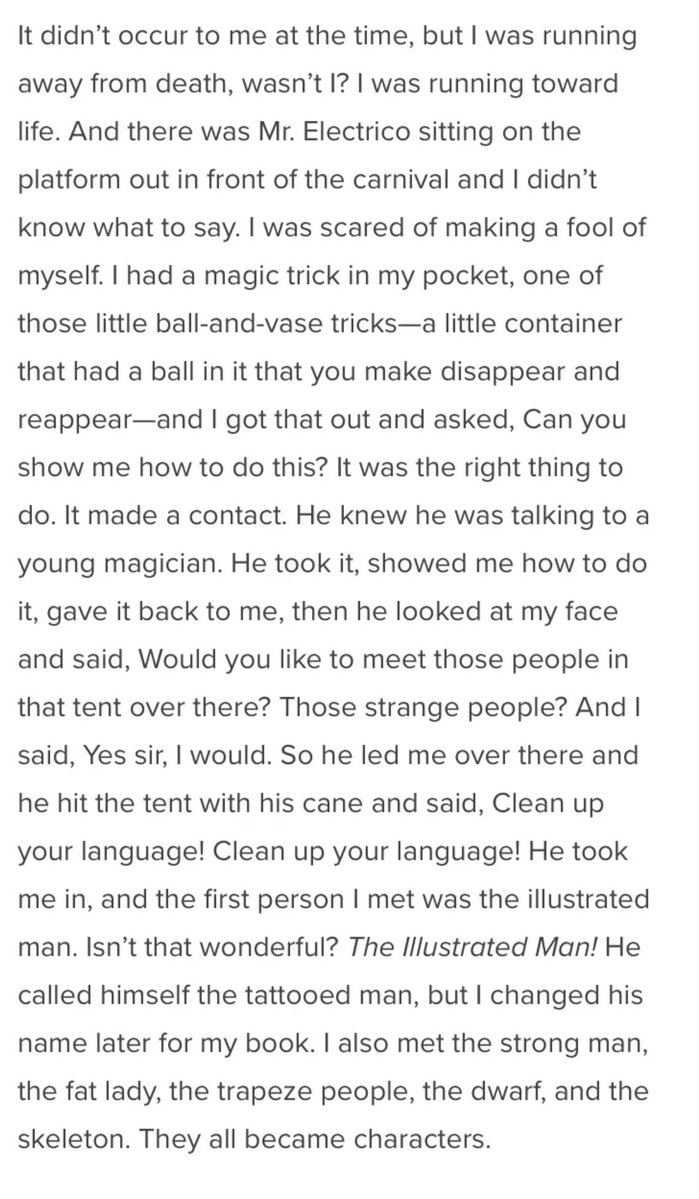
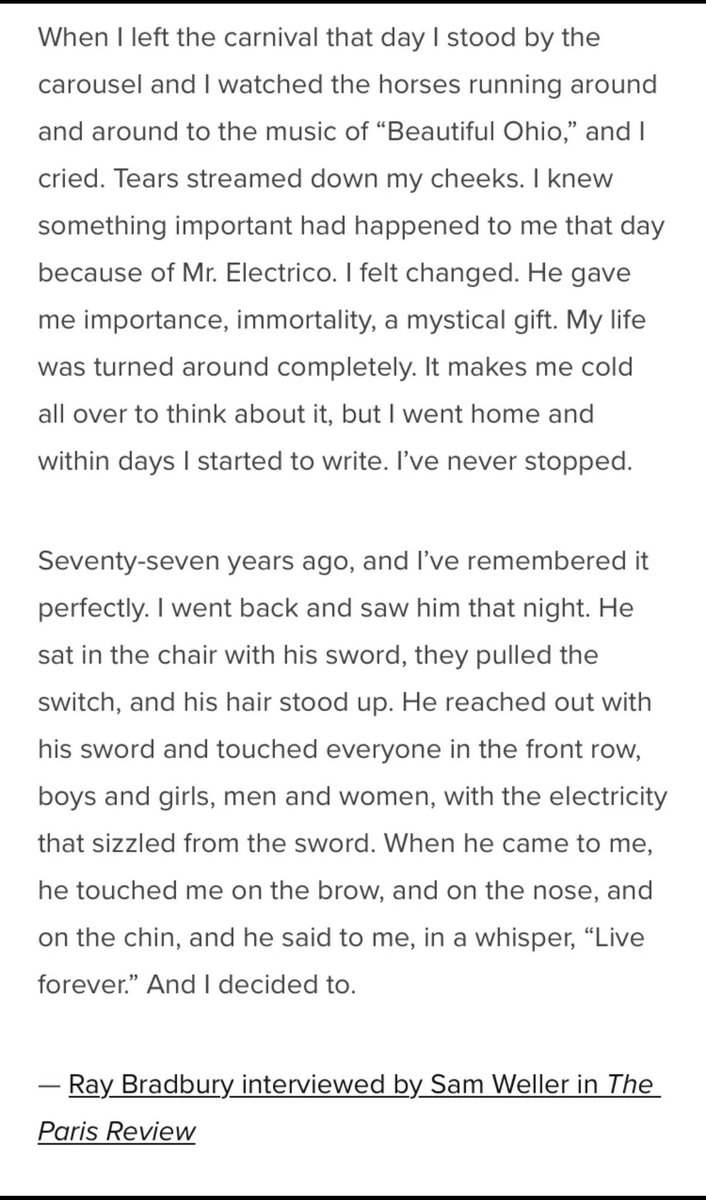
This is the most remarkable story Ray Bradbury ever shared with me. He told it late at nigh, sitting in his den of antiquities and mementos. Take five minutes to read this. It’s pure magic.
#Writing#Living#Creativity#RayBradbury#Book
Starship transiting the Sun this morning during Flight 14 — prior to this morning's mission, this has never been captured before with the world's largest and most powerful rocket.
I’ve ached over this shot for years, mainly for two reasons: what does methane exhaust look like silhouetted against the Sun, and how violent are the acoustic energy waves from 33 Raptor engines on the Super Heavy booster?
Well...now we have an answer.
📸 - @NASASpaceflight
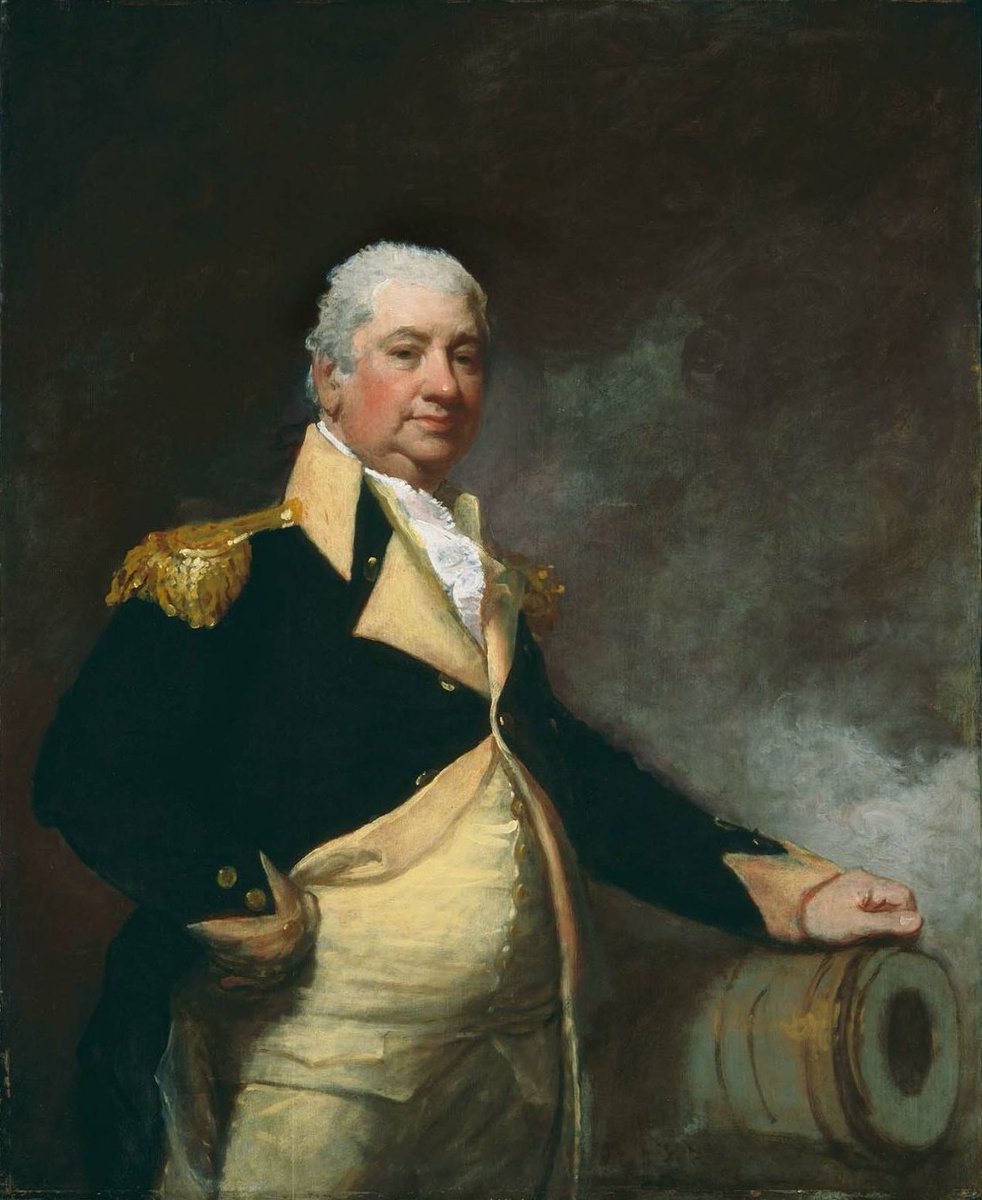
Here is a man who won one of the first great American victories of the Revolution without fighting a battle. He was not a soldier. He was a fat, cheerful Boston bookseller with no military training, and what he pulled off in the winter of 1775 into 1776 is one of the most staggering feats of sheer willpower and logistics in American history. His name was Henry Knox.
Knox learned war the way he learned everything: from books. He ran a fashionable bookshop in Boston, and he devoured the military engineering and artillery treatises on his own shelves. When the Revolution broke out, that self-taught knowledge suddenly mattered, because the American army besieging British-held Boston had a fatal problem. They had the enemy penned in the city, but they had almost no heavy cannon to force them out. It was a stalemate, and stalemates favored the British.
Knox had an audacious idea. Nearly 300 miles away, at Fort Ticonderoga in upstate New York, sat a treasure of captured British artillery, dozens of heavy cannon and mortars taken earlier in the war. What if someone went and got them? Brought the guns to Boston? Everyone could see the problem: it was winter, the route ran through frozen lakes, rivers, forests, and the snowbound Berkshire mountains, and the guns weighed a combined 60 tons. Sixty tons. It sounded impossible. Washington gave the 25-year-old bookseller the job anyway.
And Knox did it. He got to Ticonderoga and set to work dismantling and hauling out around 59 pieces of artillery, some of them massive. He had 40 heavy sledges specially built. He rounded up teams of oxen, dozens and dozens of them, and boats to move the guns across the water before the freeze. And then, through the brutal heart of a New England winter, he dragged 120,000 pounds of iron and brass across a frozen wilderness.
Picture it. Cannon lashed to sleds, oxen straining in the snow, men breaking through ice, hauling the guns up and then carefully down the icy slopes of the Berkshires, where a runaway sled could be a disaster. Guns broke through frozen rivers and had to be fished out. It was backbreaking, dangerous, freezing work, mile after mile, week after week. And this untested bookseller held it all together by force of personality and organization. In under two months, he brought the entire "noble train of artillery" 300 miles through the dead of winter, and in late January 1776 he reported to Washington that the guns had arrived.
Then came the payoff. On a single night in early March, Washington's men quietly hauled Knox's cannon up onto Dorchester Heights, the high ground overlooking Boston and its harbor. When the British woke up, they found the American army suddenly looking down their throats with heavy artillery that could smash their ships and their positions. Their commander realized the city was untenable. And so, rather than fight, the British evacuated Boston entirely on March 17, 1776, and sailed away. The Americans had liberated a major city without a battle, because a bookseller had done the impossible with oxen and sleds and nerve.
Knox never looked back. He became Washington's chief of artillery for the rest of the war, the man whose guns crossed the Delaware to Trenton and pounded the British into surrender at Yorktown, and after the war he became the young nation's first Secretary of War. Fort Knox is named for him. But his greatest monument is that winter journey. Remember Henry Knox, the bookseller who read about artillery in his shop, then went out and dragged 60 tons of it across a frozen wilderness to hand George Washington the guns that freed Boston.
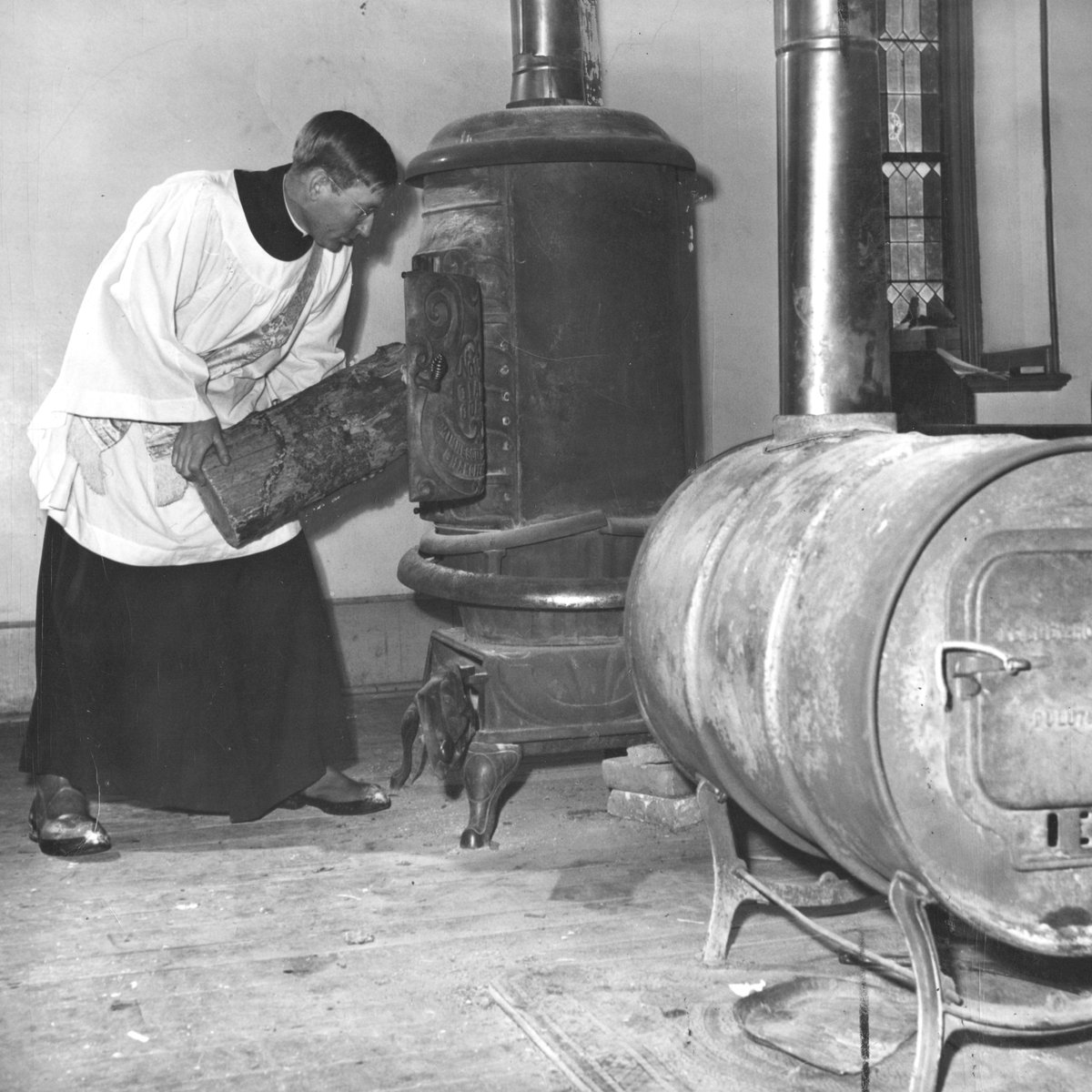
In the 19th and early 20th centuries, heating in most American homes, schools and businesses required trips down to the basement to manually stoke and adjust a furnace or stove. Innovations that originated here in Minnesota would change all that. 1/7
My Starbase Louisiana SpaceX town hall notes!
Roads: Bridge work is the first priority, with road upgrades coming soon. Once construction starts, they plan to bus contract workers in to reduce traffic.
About 40,000 acres will be developed. SpaceX says it is committed to keeping the other two-thirds accessible to the public for hunting and fishing.
More specifically, expect limited access south of Humble Canal.
Why 40,000 acres? One reason: some pads will be operational while others are still being built. That means more spacing between pads.
They do not anticipate structural damage to homes in Pecan Island, and say they will work with residents if it becomes necessary.
Target: 10,000 launches a year. Expect most activity around sunrise and sunset.
First permits should start showing up soon.
Starship will be manufactured on site.
There will not be one contractor in charge. There will be many, with SpaceX keeping the lead.
Contractors are held to a high standard and will have to keep earning their spot on this site.
Biggest takeaway: SpaceX is humble. Always wanting to learn, and not claiming to have all the answers.
They are leaning on experts in Vermilion Parish for wetland and wildlife knowledge while developing the largest spaceport in history.
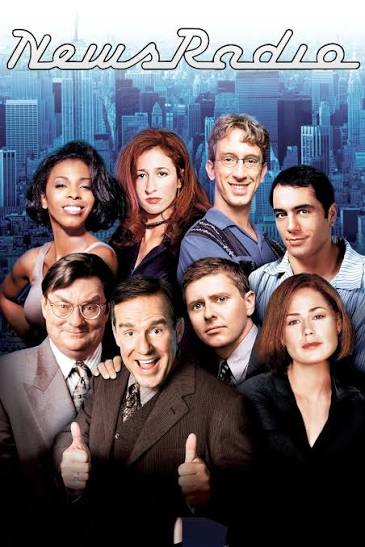
Or go back to 1995 and say, by the mid-2020s, one of these sitcom cast members will be one of the most influential figures in American media and presidential candidates will compete for this cast member's endorsement.
I had not realised before that the Bronze Age Collapse was literally *caused* by iron.
Bronze age powers like the Egyptians, Hittites and Babylonians used bronze weapons, made by combining copper and tin. Tin was so scarce that only the richest and most powerful groups could access it and the bronze weapons it allowed. (Tin was so rare that it was being transported from Cornwall to the Middle East more than 1000 years BC.) The scarcity of tin gave these empires a near-monopoly on violence.
Iron weapons are not actually any better than bronze ones – they're not stronger or easier to work with, as I'd assumed. They're just much, much easier to mass produce once you have bloomeries, which are the first furnaces that were hot enough to melt iron in a way that made them useable for weapons.
Bloomeries meant that iron ore, which was widespread, could be used to make weapons anywhere. That led to warlords, bandits and city-states rising in a massive decentralization of military power, which the Bronze Age empires were unable to resist.
After the invention of the bloomery, skeletons show a measurable increase in weapon-inflicted injuries. 'Destruction layers' with bones and signs of burning have been found from this time at archaeological sites including Troy. Ancient writers – including Herodotus, Ovid, and the writers of the Old Testament – believed the invention of iron had unleashed a new age of violence.
New at Works in Progress, WEAPONS OF MASS DECENTRALIZATION: how iron itself brought about the Bronze Age Collapse. And what technologies could do the same today?
https://t.co/Ni4DfPYBhr
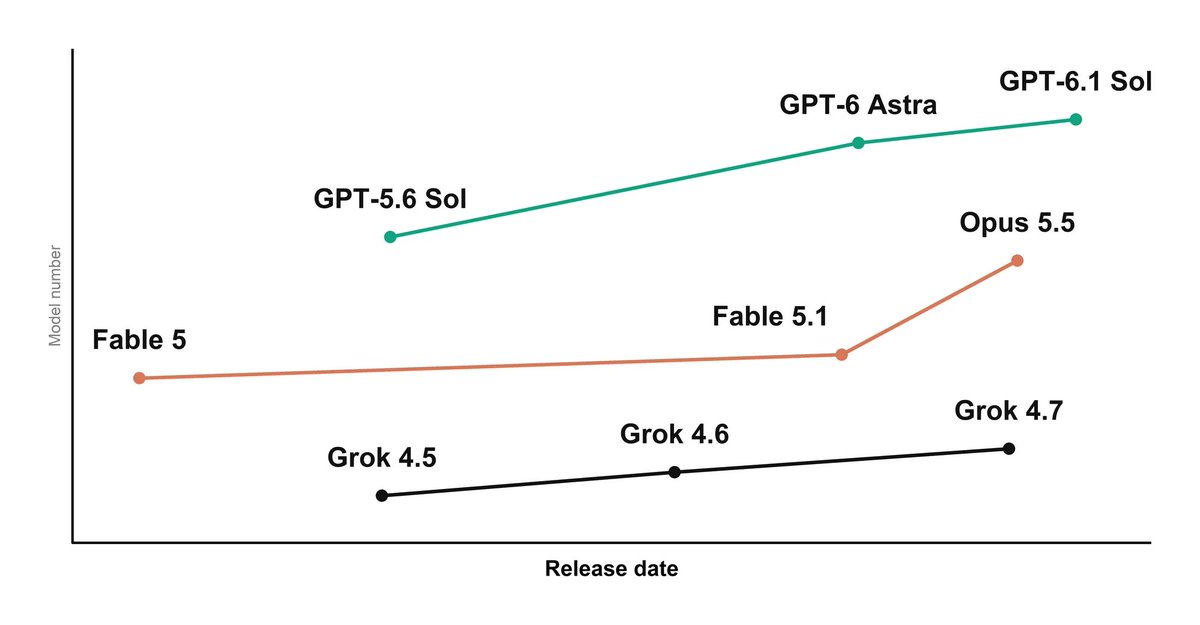
I fired off a side by side Opus 5.5 vs Sol 6 one shot comparison using one of my spare side project briefs (visualisation of the mongol conquest, dataset already researched). I was half expecting it to be close. it is not close.
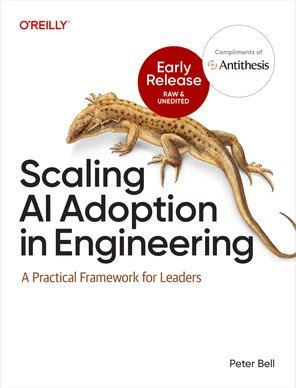
I am a sucker for good books, and so especially O'Reilly books.
Here's one that is WIP, but in return, it is free, thanks to @AntithesisHQ
It's for CTOs / eng leaders who want to get AI to deliver *business value* which is... tricky.
Get it here:
https://t.co/4igs7Elk3i
It's time for more Trivia!
The basement crypt where Benedict Arnold and his wife, Peggy, are buried in St. Mary's Church in the Battersea district of London is now part of the church's kindergarten classroom, right next to the fish tank.
(photo credit: Jenna Fortunati
"We won, what now?" was an excellent keynote from Will Wilson at BugBash on how communities should deal with change.
When I first watched it, I thought that more fuzzing/property-based testing were too low of a baseline. But, after digesting it, I have to agree they are good starting points. Especially for higher level tools such as the Bombadil project they announced during the event.
After all, we can't formally verify all software and therefore we have to combine empirical validation, static properties, and runtime enforcement.
Video: https://t.co/eeq6W2703j
Per ESPN Research: The Vikings are the first team in NFL history to win 4 consecutive games with 4 different starting QBs.
(The 2015-16 Texans did it over two regular seasons, but they had a playoff game mixed in, without a change in the starter.)
Tell your boss that I gave you the rest of the week off so you can explore this amazing interactive map showing the road network of the Roman Empire. This is so much fun to explore you can compare the Ancient and Modern road network for example. Great stuff. Your boss will understand... Source: https://t.co/Y8vig00PWY