BC housing policy: Buy a second home? Speculator. Leave it empty? Vacancy tax. Sell within two years? Flipping tax. Keep it too long? Hoarder. Buy too nice a house? Luxury tax. Build new housing? Greedy developer.
Terminus won’t have bureaucrats or zoning boards for a while, so manufacturing output will be a pure physics and engineering problem
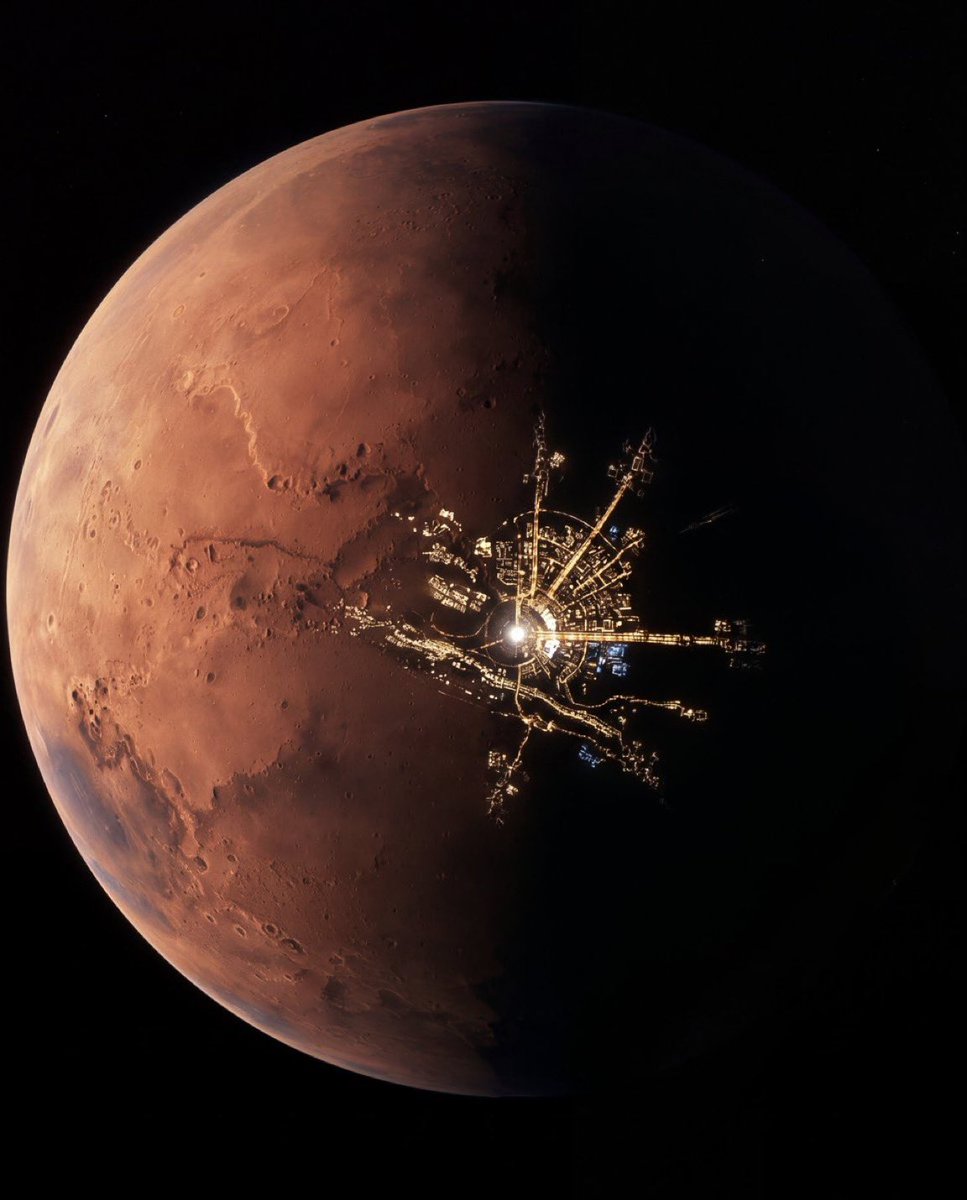
The final frontier
We have the chance to build beauty from the Moon itself.
We can transform regolith into glass and ceramics and access a new material palette native to another world.
Makes me think about how Paris built its identity in stone. A unity of materials, even where styles differ.
Imagine a lunar city with that same coherence, shaped by new freedoms.
Lower gravity will give us architecture that can physically soar: long (elven) spans, towering vaults, forms Earth’s weight denies us
I want the future to feel like the future. Arguably, we should be able to make some really beautiful architecture on the moon in our lifetime for our factories there.
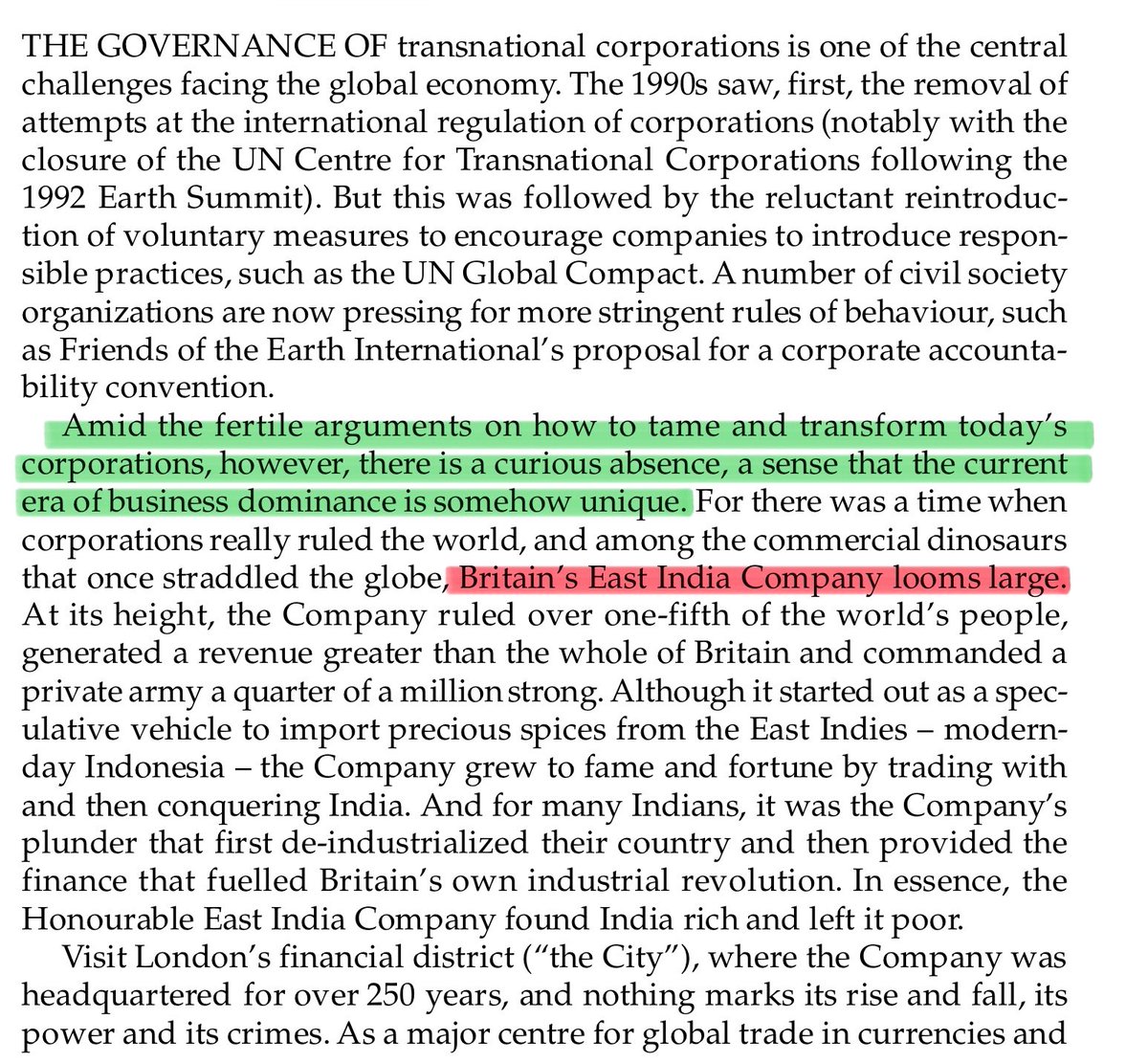
Some countries are corporations that secured a flag. The Hudson’s Bay Company sold a third of a continent, forming Canada; the East India Company ruled India before surrendering it to the same Crown. If synthetic intelligence gives companies the power to build and defend settlements in space, the sequence may repeat: logos first, flags later.
If I was a young researcher thinking about how a handful of frontier AI companies sometimes behave in similar fashions to sovereign states, I would be thinking very hard about how the British state promoted then dealt with the East India Trading Company.
Google will launch an experimental AI satellite on Oct. 1 as part of Project Suncatcher, its effort to eventually build AI data centers in space.
The satellite will carry 4 $GOOGL TPUs and enough compute to answer simple Gemini queries from orbit while testing whether AI chips can reliably operate in space.
Google plans two more satellite launches in 2027 and is already designing potential fleets of 80+ satellites that could work together as an orbital AI data center.
Google estimates space-based data centers could become cost-competitive with terrestrial facilities by the mid-2030s.
Source: NYT
"Discussions today will lay the groundwork for Trump-Xi summit which will now occur in the context of China having been cut off from cheap oil supplies from Venezuela and Iran, having energy supplies from Russia pressured by Ukrainian strikes, chased out of the Panama Canal, seeing its Arctic ambitions challenged by an increased US presence in Greenland, and watching sympathetic governments in South America fall like dominoes to US-aligned right wing challengers" - Rabobank
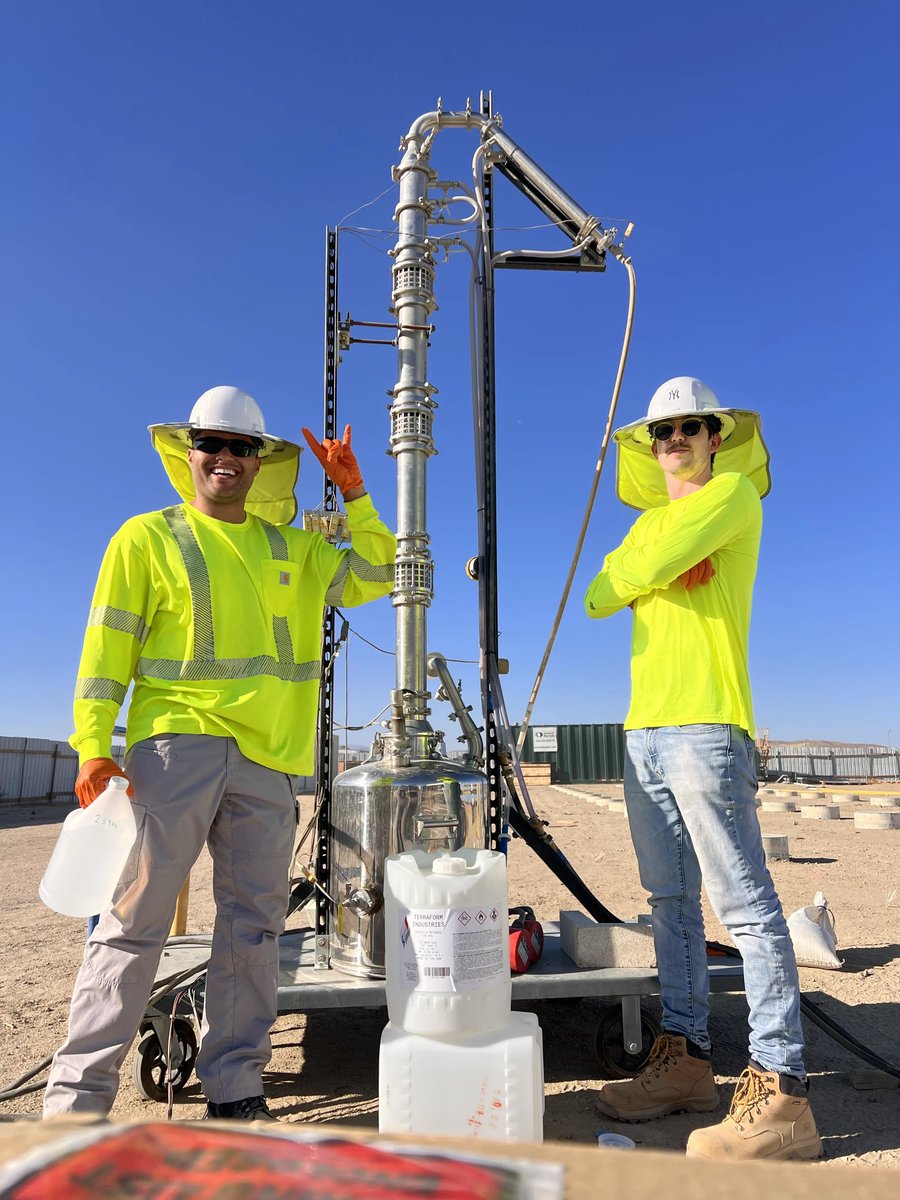
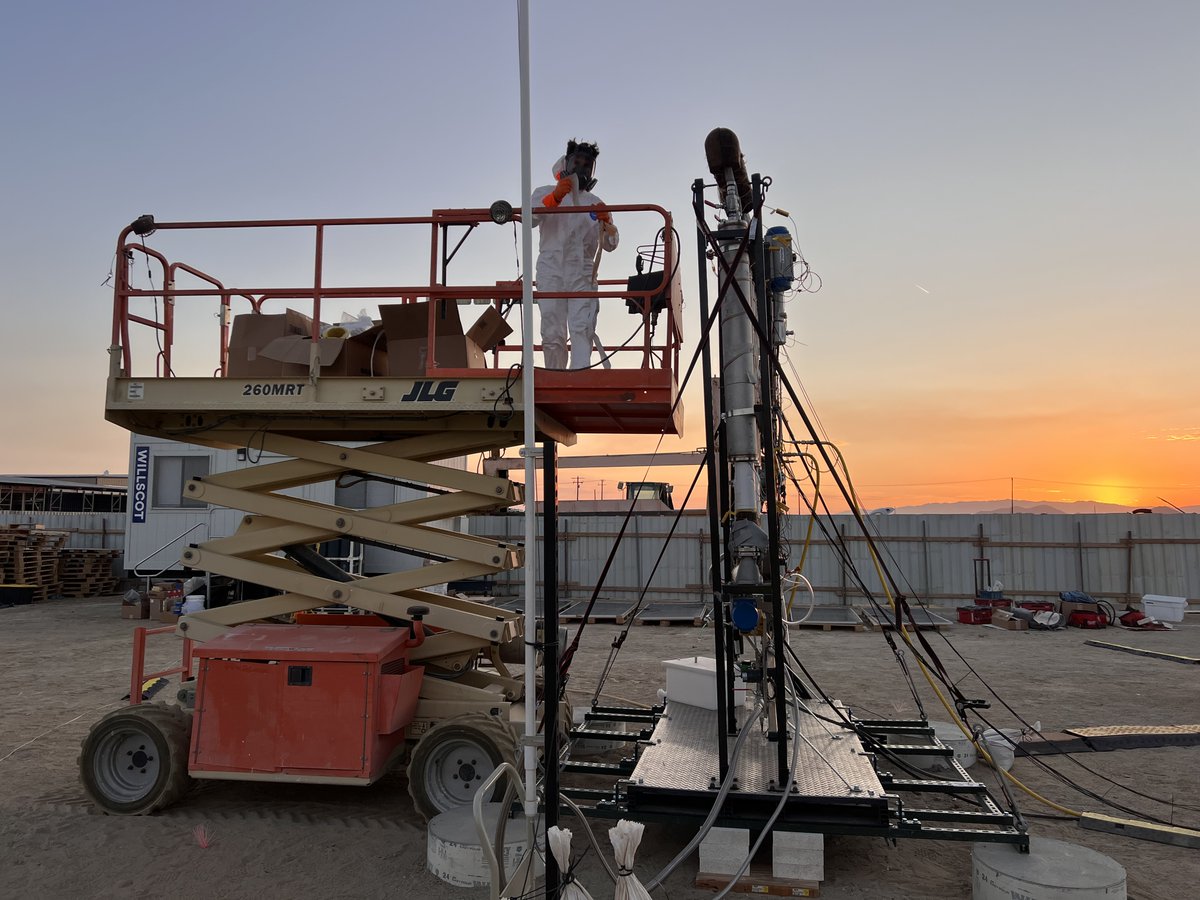
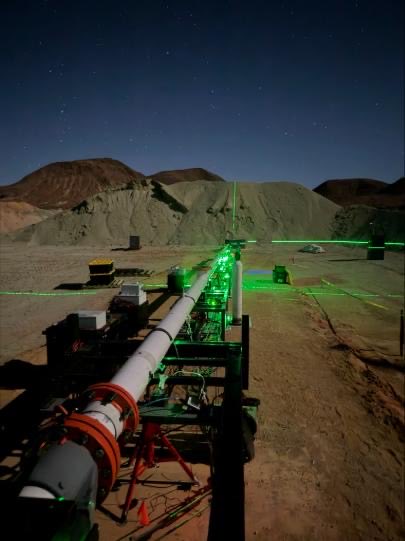
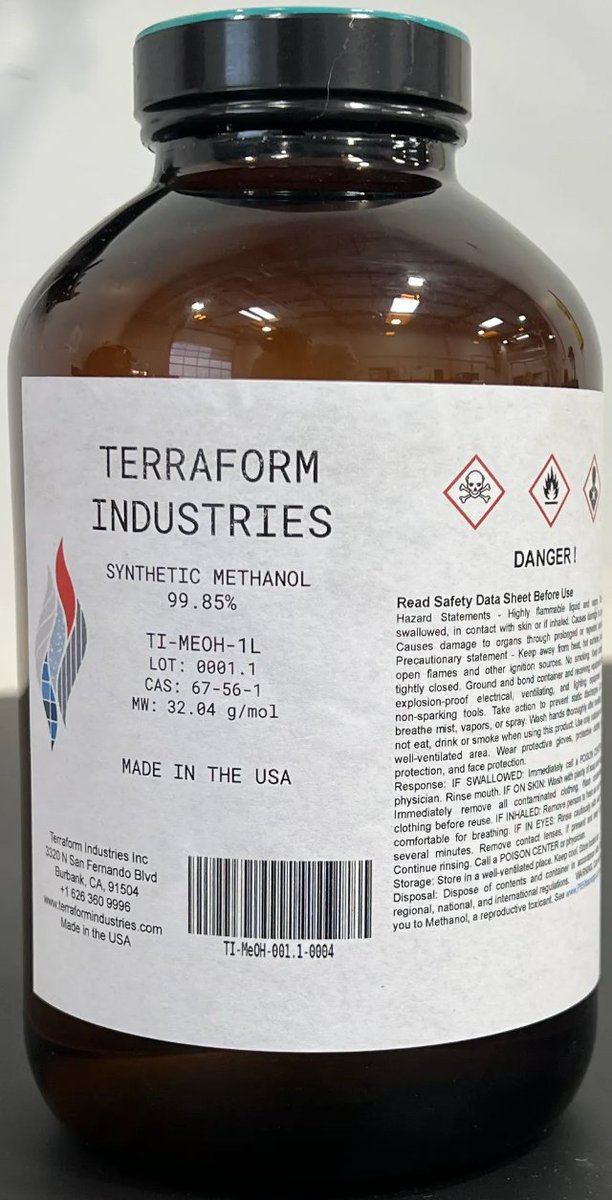
The reactor team at @terraformindies has demonstrated successful production of high purity methanol at scale at our Muroc desert test site.
Let's review our progress in 2026. In January, we closed on our Muroc test site. By March, construction was underway. By May, we had 1.8 MW of solar installed. In July, we produced CO2 on site (https://t.co/H73NC4sZjT), and in August, hydrogen (https://t.co/en7BiUW9QU).
Terraform Industries has built an incredible team to revolutionize not just one or two key technical pieces, but the entire stack required to convert sunlight and air into fuel. Like plants, only 100 times higher productivity per acre and requiring no irrigation, fertilizer, or pesticide.
Two years ago, Terraform produced pipeline-grade natural gas for the first time. Since then, we've scaled up our methane reactor, increasing production by 250x and reducing contaminants by 10x, which allows us to increasing revenue per unit of product by 100x because it's now at chemically pure grade.
But it was always clear to me that natural gas was only one piece of the puzzle. It is possible to convert natural gas into other hydrocarbon products like gasoline or jet fuel, but given our precursors are CO2 and hydrogen, we can do one better by directly synthesizing methanol as well.
Methanol is far easier to convert into longer chain hydrocarbon products, either via the MeOH->DME->ethylene pathway, MTG, or via variations on Fischer-Tropsch.
Methanol also has significantly higher revenue per molecule than pipeline natural gas, which forms an essential part of our cost-reduction-through-profitable-scale-up strategy, explained in more detail in our post: https://t.co/ZnXRkYgWZq
TL;DR: If our learning rate is above 11%, our margins will strictly increase as we scale up into a market worth about $10t/year. Not including induced demand.
Amir joined the team earlier this year and speed ran the methanol reactor development program, successfully demonstrating recirculation and heat recycling before integrating these new technologies in a production scale reactor, built from the ground up at Terraform's facility in Burbank.
As soon as the hydrogen team was done, we shipped our latest reactor up to the desert, plugged it in, and began activating the catalyst. An extended test campaign through the heat of summer followed, punctuated by bunnies nibbling on hoses!
The hard work paid off, with Terraform's production of significant batches of high purity methanol, now packaged and ready to ship. A huge congratulation to the entire team, including Amir, Enric, Dominic, Hugo, and @lucie_nurdin.
With the completion of this test, Terraform has now demonstrated TRL 9 operation of all of its subcomponents, each developed from scratch, in house, to deliver the highest possible value to the end customer.
Terraform will never rest until we have broken the geological and geographical monopoly on oil, unlocking unconditional energy abundance for all of humanity. Join us!
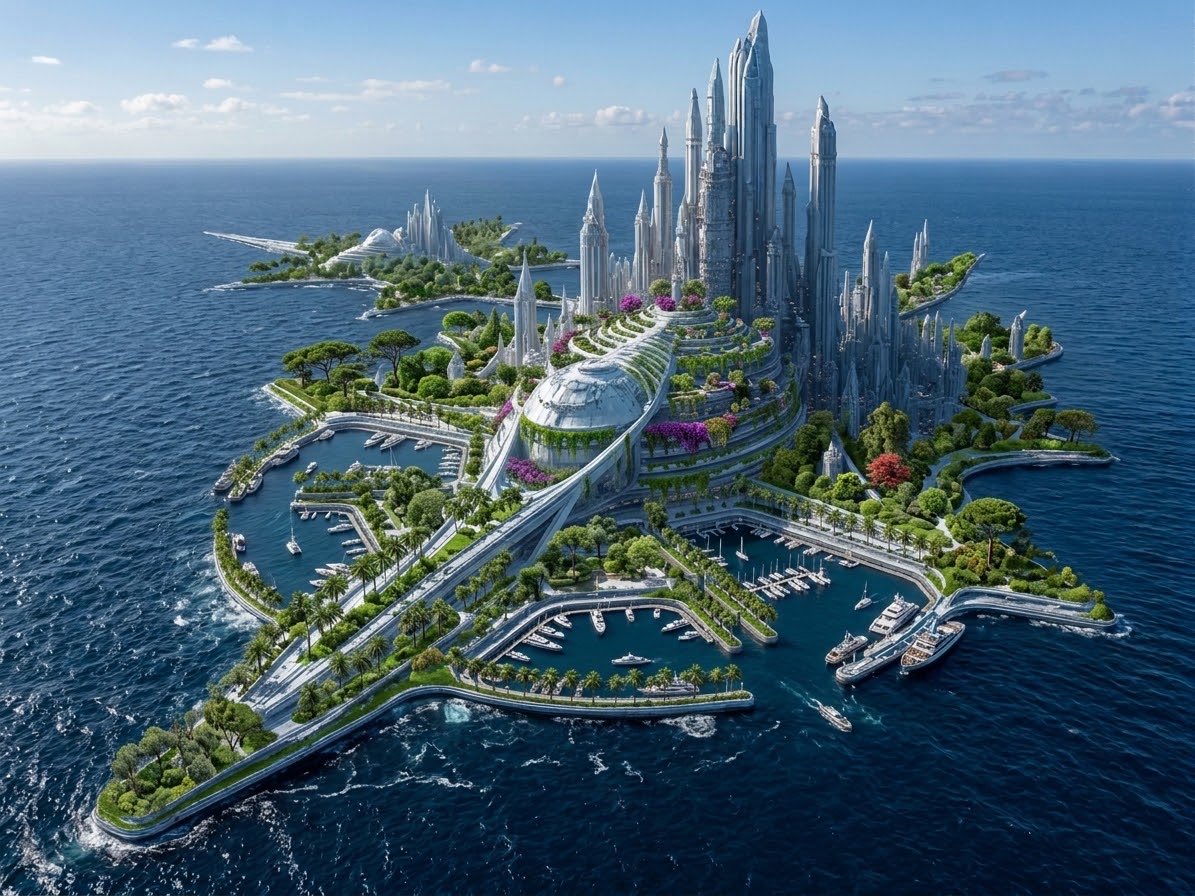
@gnievchenko@simonsarris all the flavors of high technology X august beauty. Star Wars Naboo, Dune's Kaitain, LOTR's Rivendell, Numenor, Culture orbitals