This narrative review suggests mental disorders are statistical clusters of biopsychosocial properties, not sharply defined categories, mirroring concepts in species classification and supporting dimensional #MentalHealth frameworks. https://t.co/9VfN5cStLG
Neuropsychiatry is plagued by small sample sizes.
@ella_burchill is changing this with a BIG new paper on the relationship between psychosis and 15 neurological conditions in @BMJMentalHealth.
https://t.co/nLrrrF3Bx9
Here are some highlights...
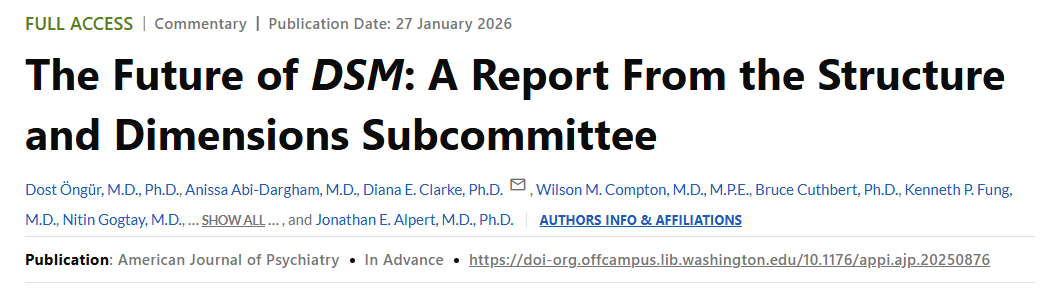
🚨 The DSM is getting a major overhaul
A new APA subcommittee just proposed a radical 4-domain diagnostic model that finally integrates biomarkers, transdiagnostic features, and social determinants into our standard nosology.
In short: categories aren't enough. Thread 🧵
The cohort study identifies two trajectories of suicidal ideation: early adolescence onset linked to childhood mental health issues, and young adulthood onset related to adolescent internalizing symptoms. https://t.co/gdtL4daLIl
Based on from simulation and empirical findings, study showed that few symptom combinations for mental disorders are very common, while many others are infrequently found. This is inherent in all polythetic definitions of mental disorders. https://t.co/v77Xwysci9
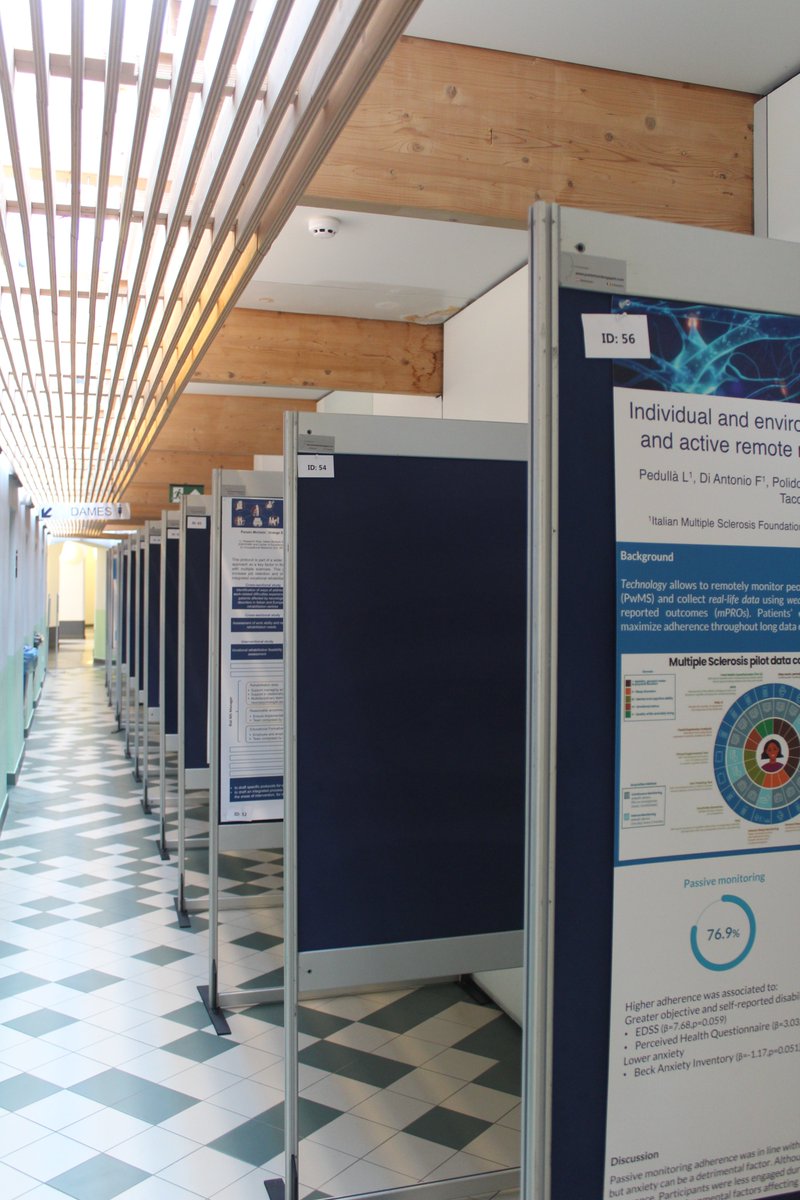
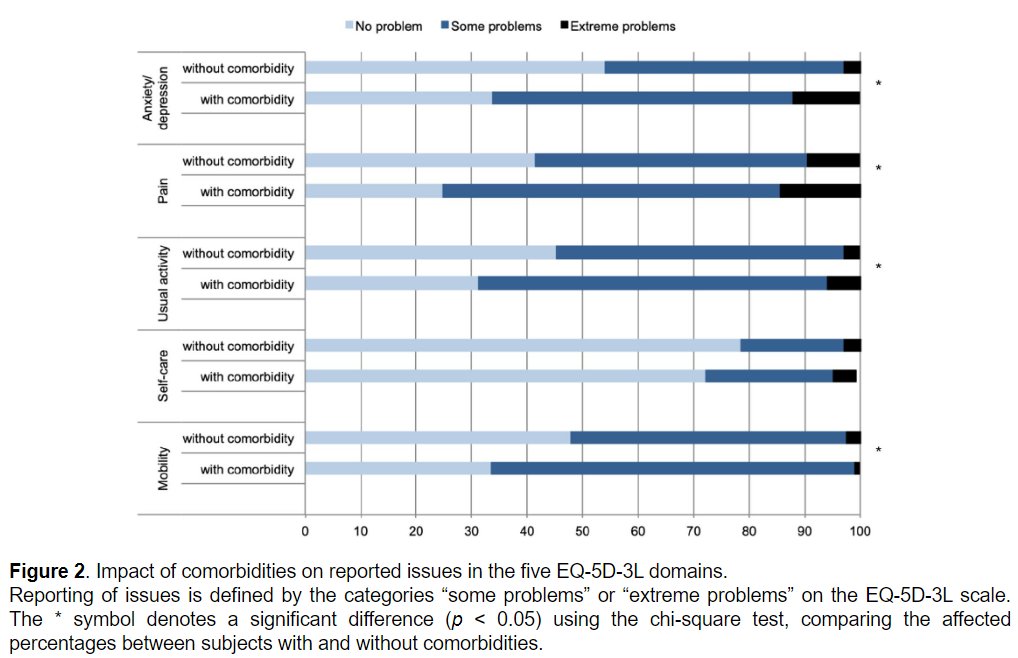
Comorbidities in people with #MultipleSclerosis are prevalent (53%) and have a profound influence on quality of life and work-related activities.
Link to 🇮🇹 study ▶️ https://t.co/JuUFnq4AwQ
So it’s embarrassing this is the first time I’ve ever read it, and it may well be old news, but the Introduction of the DSM covers essentially all of the key points in the case for HiTOP..?
A short thread of quotes that jumped out at me 🧵
The @mssociety has shared this very important image, that we’re sure most in our community will relate to. There are so many 'invisible symptoms' of #MultipleSclerosis that each need attention. Is there anything you would add to the iceberg, either above or below the surface? #MS
Absolutely heroic trial. I have worked with so many people with #BPD, mainly from a schema therapy approach. Great to see a head to head of these two evidence-based approaches. Such a hard trial to do - many congratulations 🙌 to those involved!!
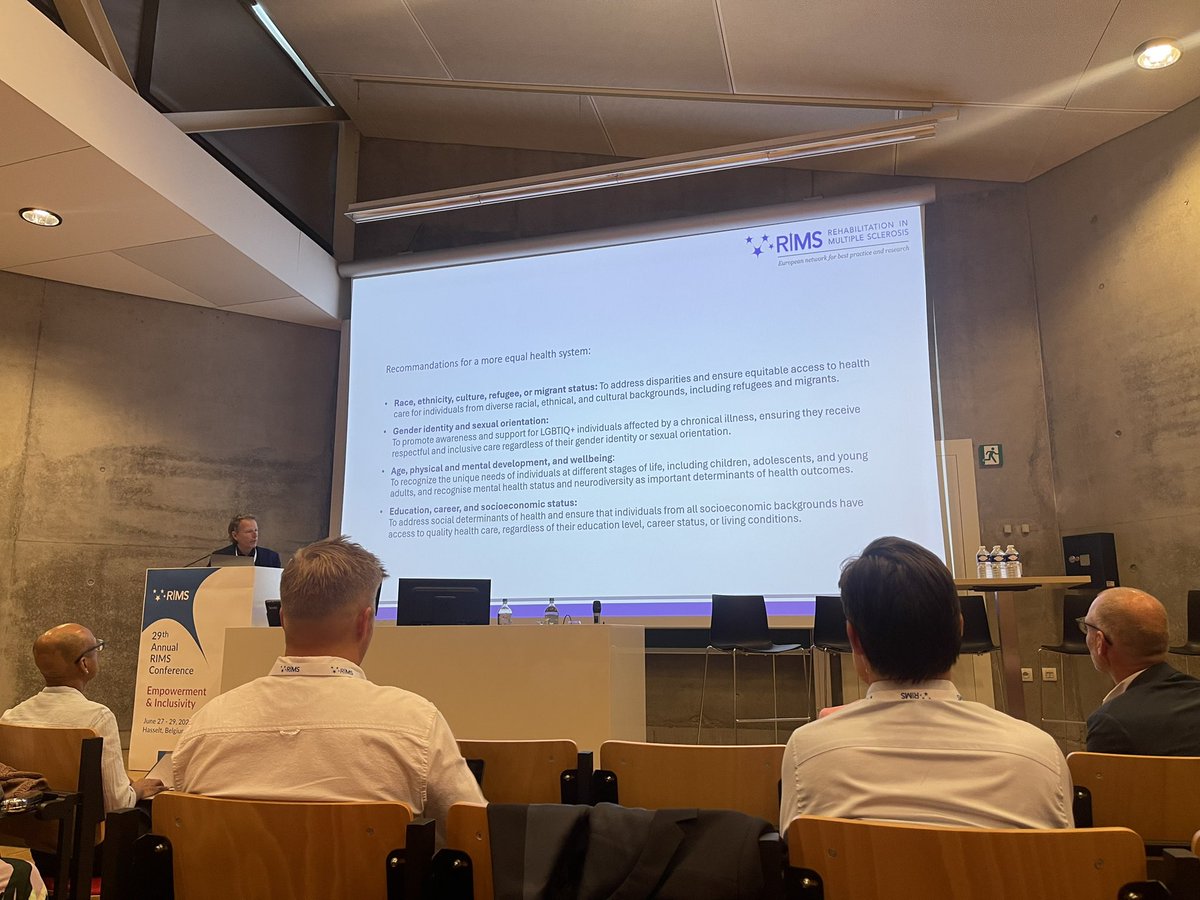
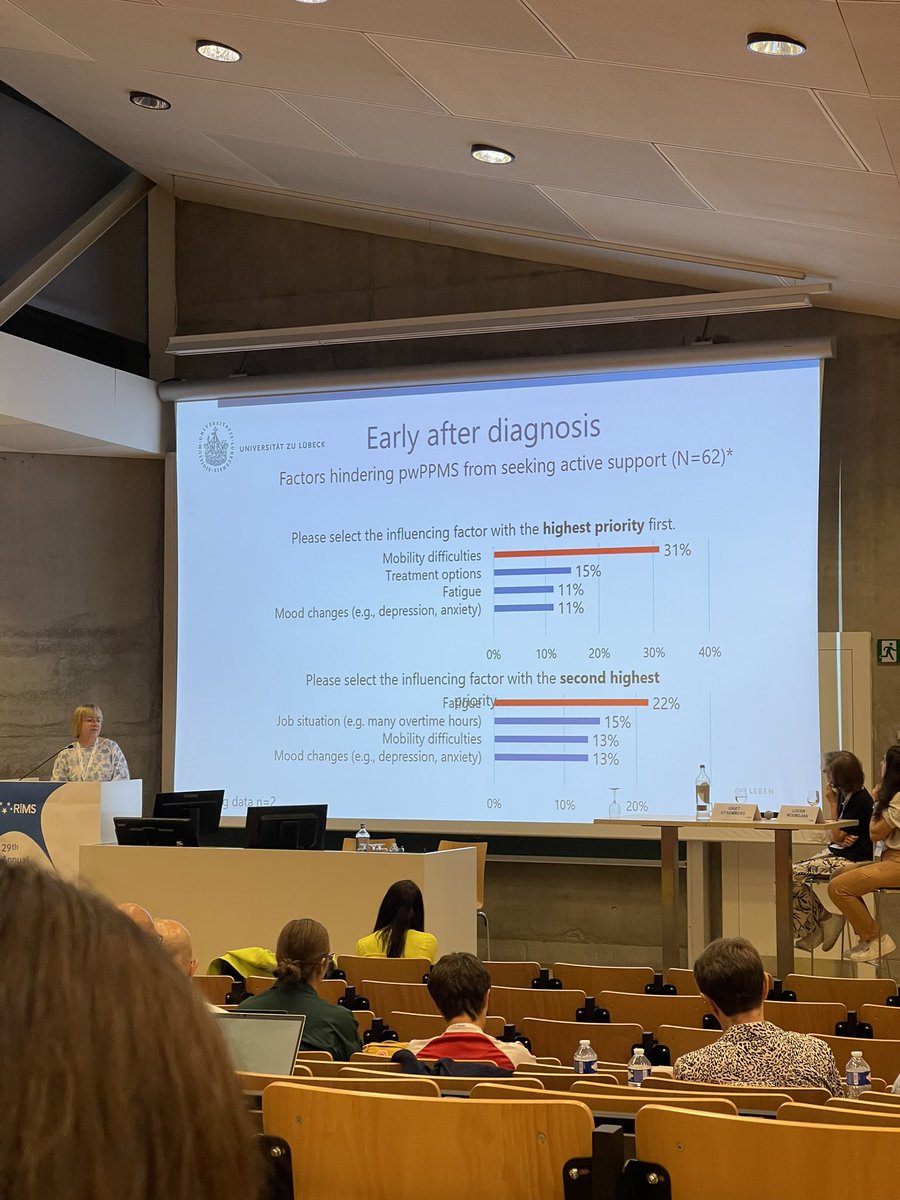
Qualitative interviews with healthcare providers further suggested that mood changes were one of the main barriers to seeking active support for people with primary progressive MS
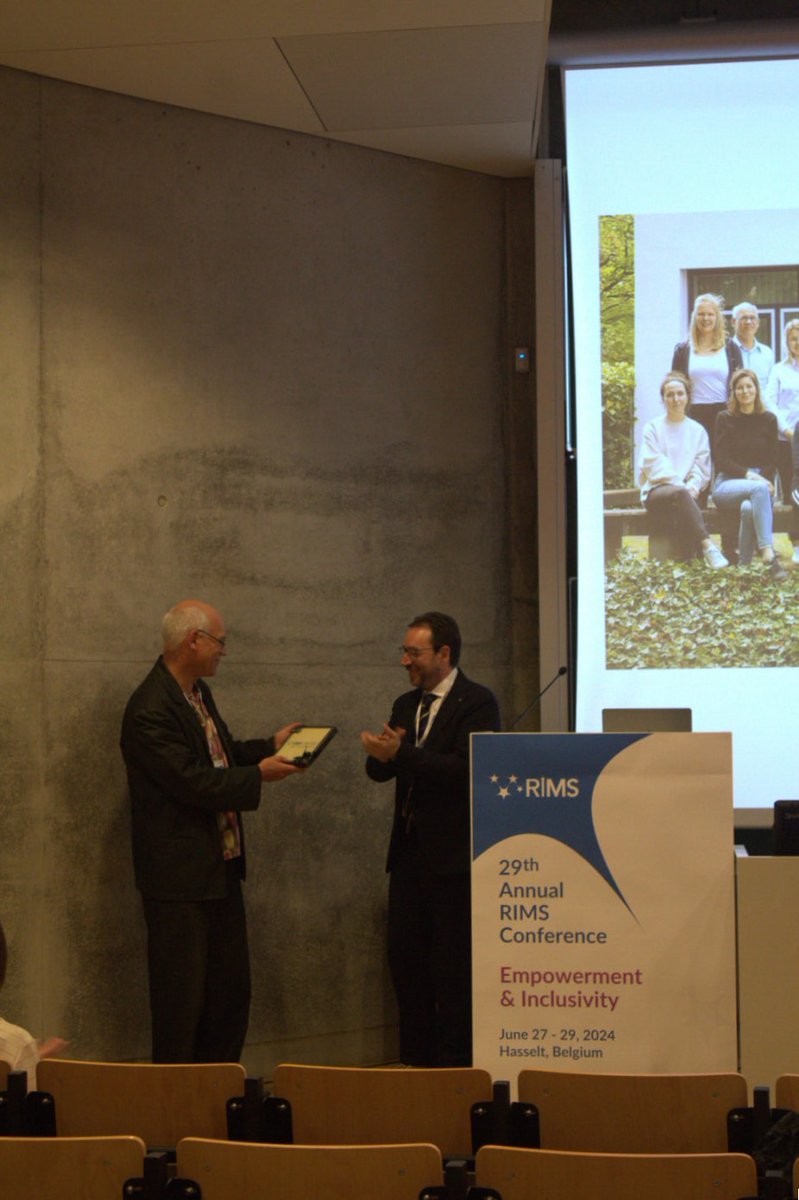
A scoping review by Dr Anne Rahn and the team at @UniLuebeck highlighting the needs, knowledge, and experiences of people with primary progressive MS @eurims#RIMS2024
Proud of Wendy Wu who led meta-analyses (k =50) of prevalence of #Cognitive Impairment (CIm) in adults with Relapse and Remitting #MultipleSclerosis . We found that approx. 1 in 3 adults with RRMS experience clinical levels of CIm https://t.co/w14uTV5EMZ