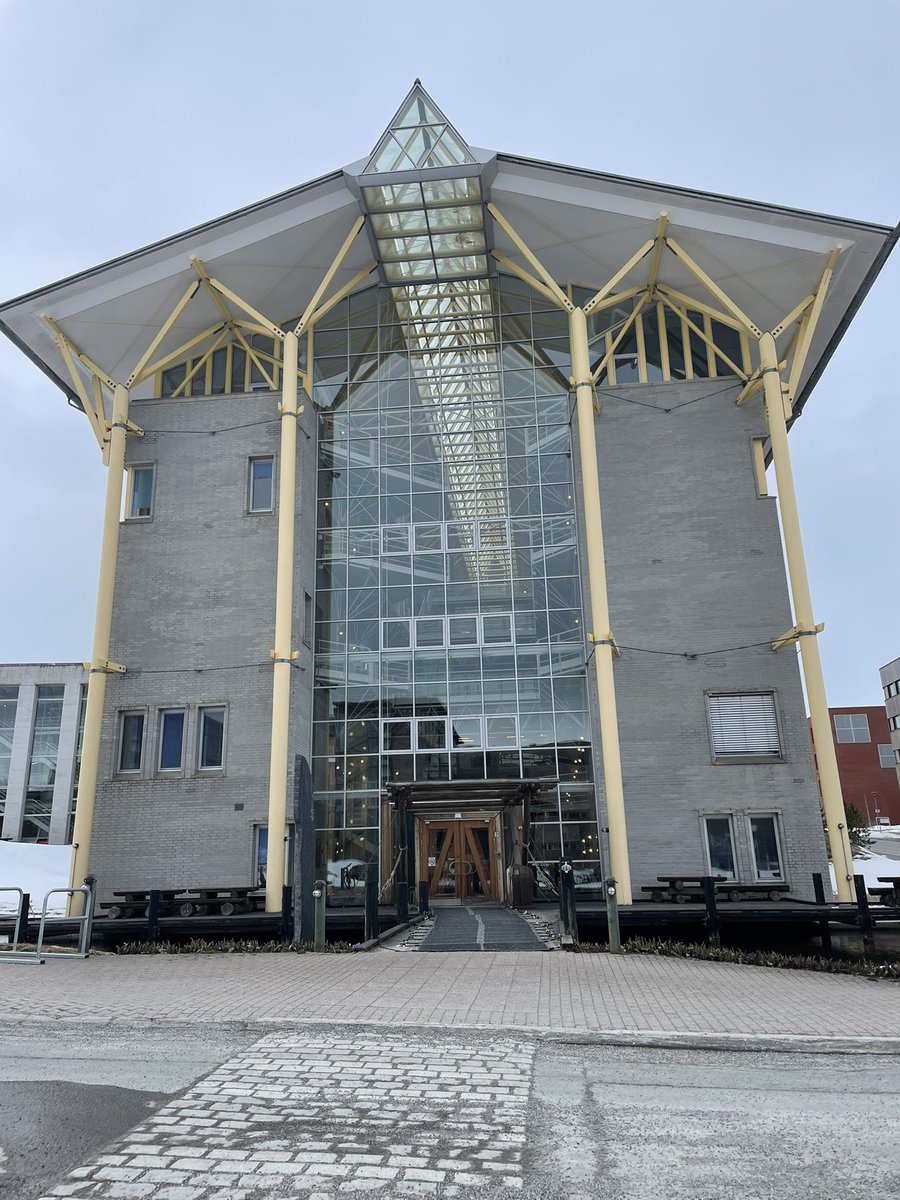
Just arrived in Tromsø to start my SCAR fellowship work over the next couple of months focused on all things #icealgae. Thanks to the @SCAR_Tweets and @FPA2 for the support in making this possible. Excited to get things started! #Antarctic meets #Arctic
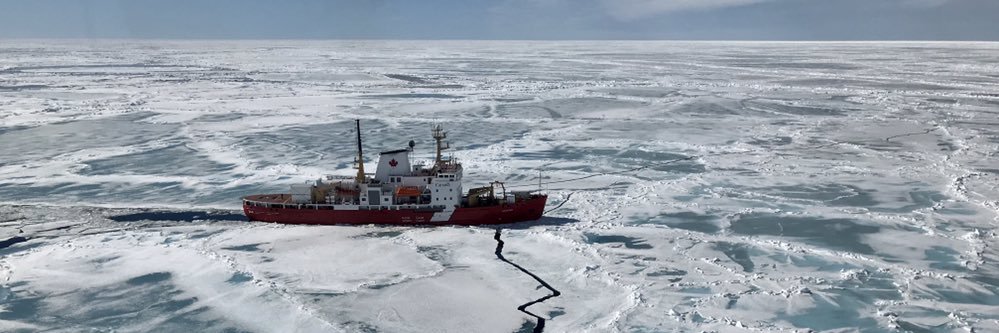
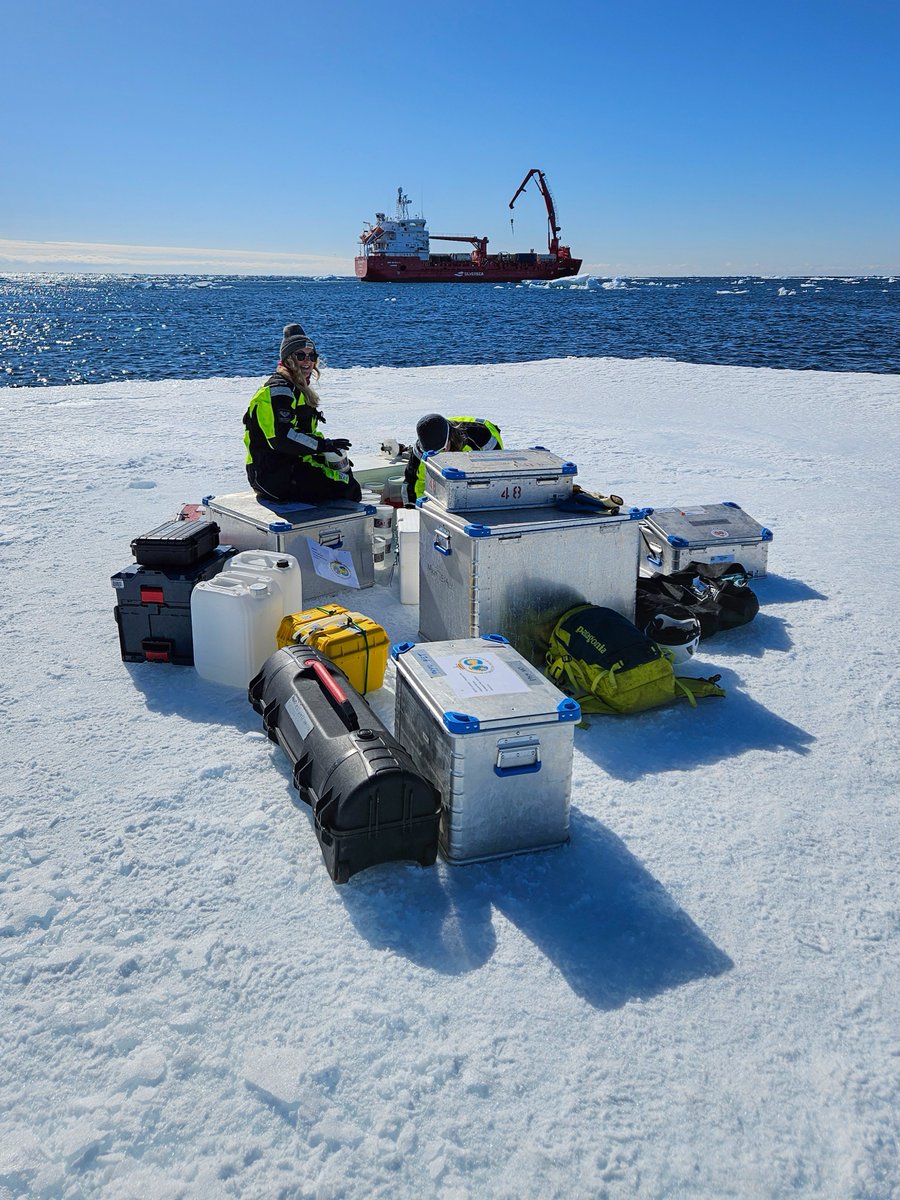
1⃣ At its peak, #Antarctic sea ice covers twice the area of Australia. That's a lot of habitat for the microscopic algae that live in and under sea ice – like 'a vast unseen meadow', says AAPP PhD student Laura Dalman @IMASUTAS (seen in action on a ice floe below).
📸 S Moreau
🚨New paper in GRL! 🚨We compiled 30 years of organic carbon data from 362 #Antarctic ice cores to provide a robust estimate of net community production in sea ice - key to understanding the role of ice algae in polar ecosystems. #seaice
Open access: https://t.co/bby3RZ2ip8
🌏 “Between @NASA and @NOAA, if we were to lose the capabilities of one or both of them, we’d be in a pretty dark place literally and figuratively, not knowing what’s going on with the Earth.”
— Dr Alex Fraser, AAPP/@UTAS_ in @GuardianAus
https://t.co/FrSvVujwIH
🦠 @IMASUTAS PhD candidate Laura Dalman wins SCAR Fellowship, studying the response of algal cultures from #Antarctic sea-ice to changing
🌡️ temperatures
🧂 salinities
💡 light
to simulate the future with global warming.
@polaur_@SCAR_Tweets@UTAS_
https://t.co/ouXfUW0RdI
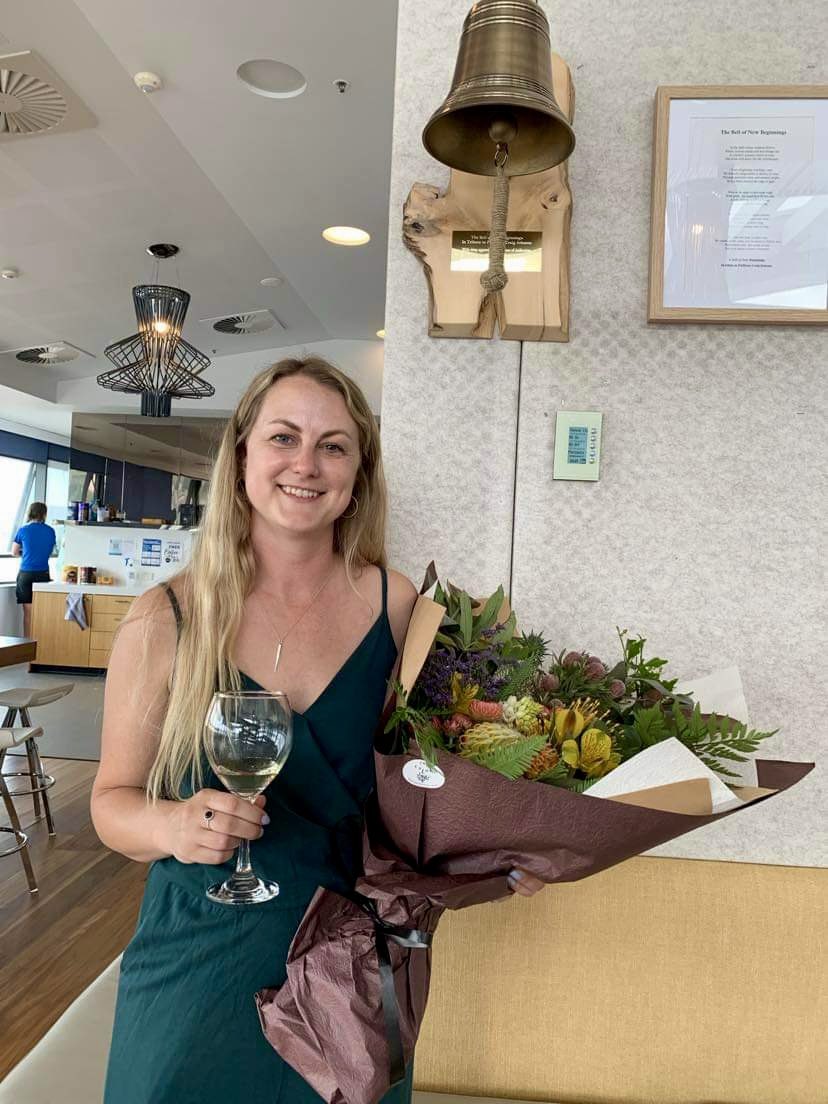
Very grateful to receive the Prince Albert II of Monaco Foundation SCAR Fellowship! Can’t wait to get my project focused on the responses of Antarctic ice algae to changing environmental conditions started in Norway with @klc_algae lab at UiT! 👩🏼🔬
Thank you @SCAR_Tweets@FPA2 !
🇦🇶 Meet the 2024 SCAR Fellows 🇦🇶
We're thrilled to award five SCAR Fellowships this year, supporting ECRs in Antarctic science. 🌍❄️
We'd like to thank the @FPA2 and KOPRI for their support!
👏 Congratulations!
Full announcement: https://t.co/H6oaMMzpMR
📣 The latest ERC Starting Grant competition results are out! 📣
494 bright minds awarded €780 million to fund research ideas at the frontiers of science.
Find out who, where & why 👉 https://t.co/L6PimhW50v
🇪🇺 #EUfunded#FrontierResearch#ERCStG@HorizonEU@EUScienceInnov
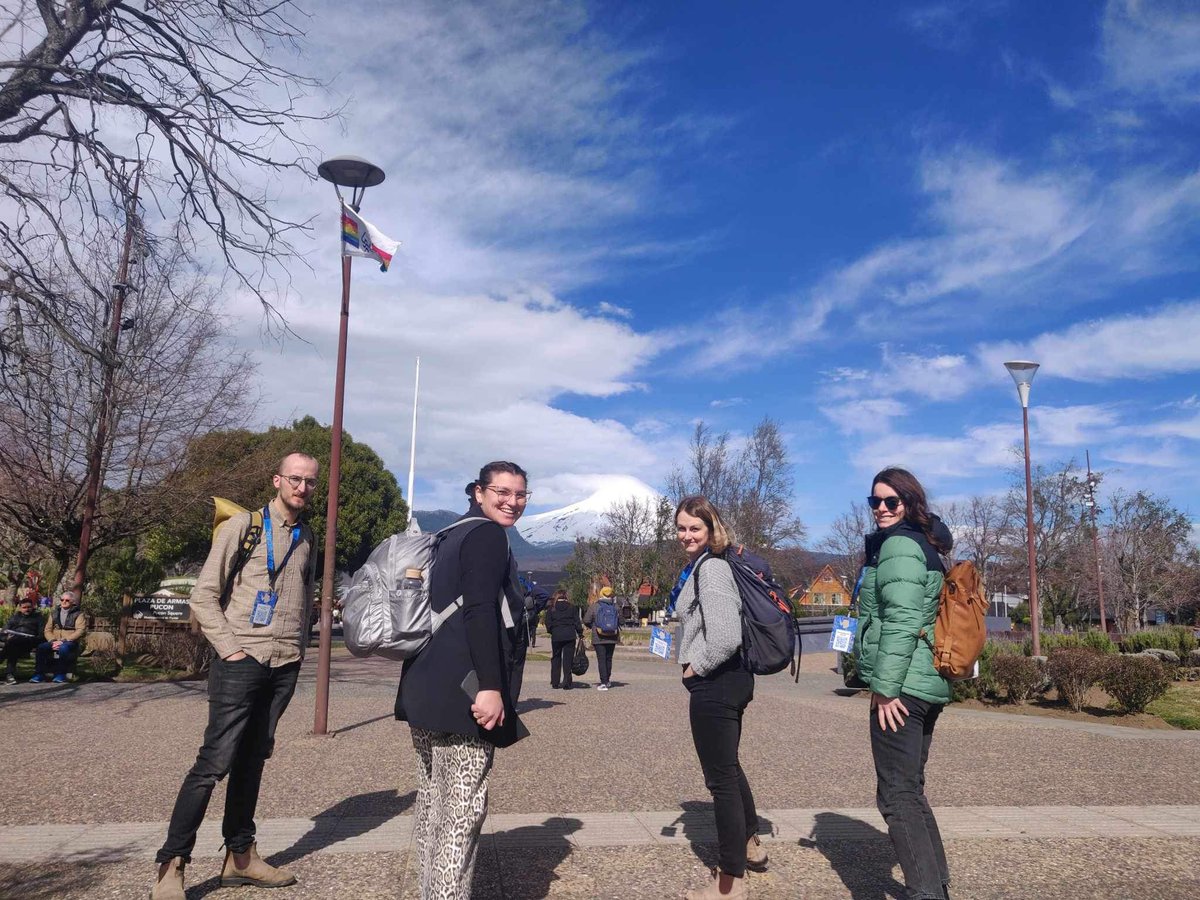
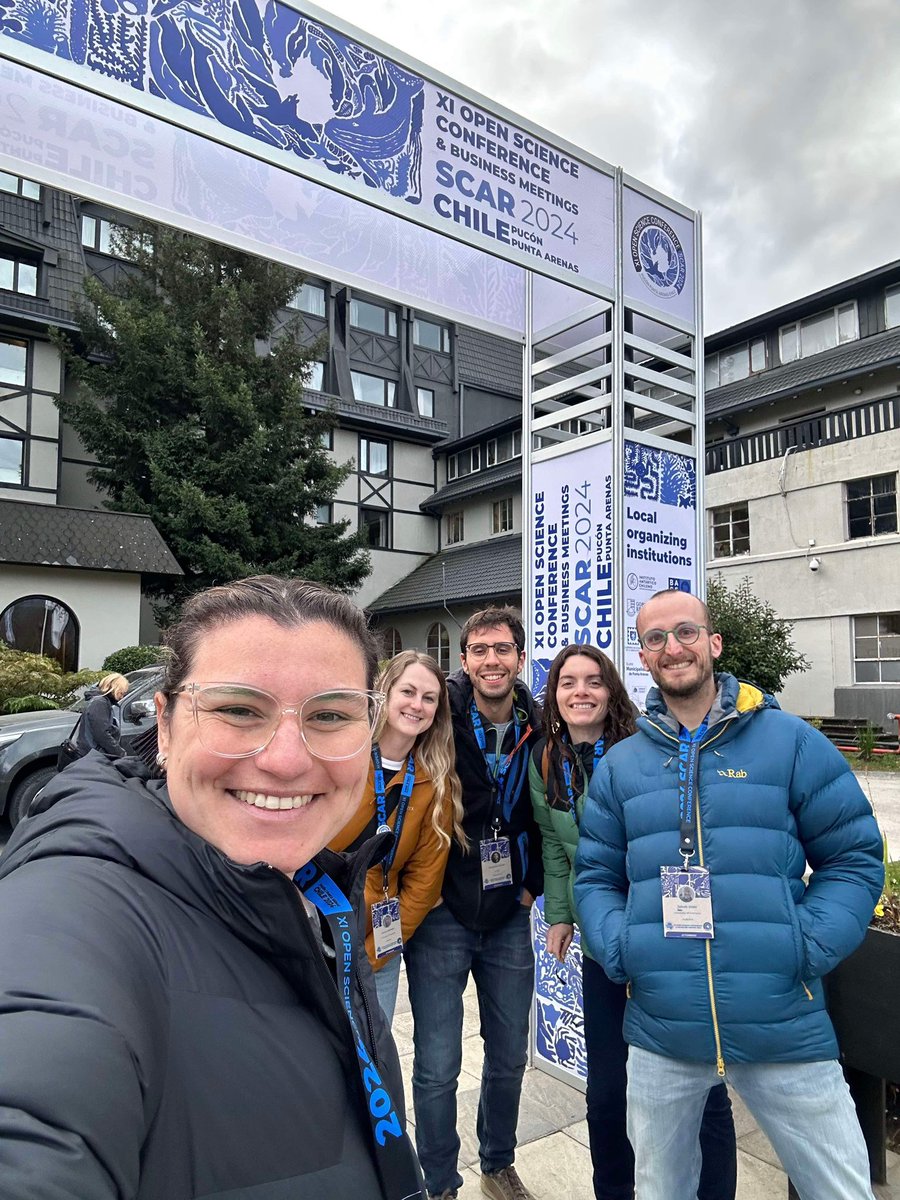
Some of the @IMASUTAS crew attending the #SCAR2024 conference over the last week. Had a blast, great networking and enjoyed the beautiful views that Chile has to offer!
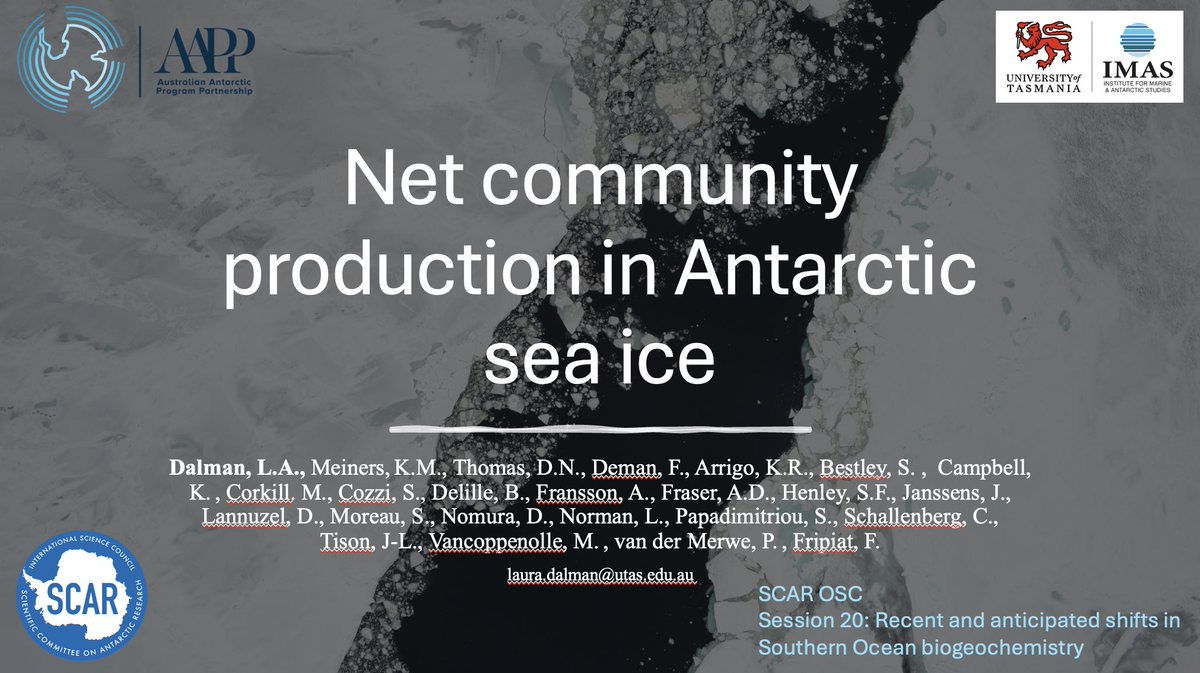
Presented some of my PhD work that focuses on estimating net community production in Antarctic sea ice using a biomass accumulation approach at #SCAR2024
Excited to share our new paper out today in @Nature:
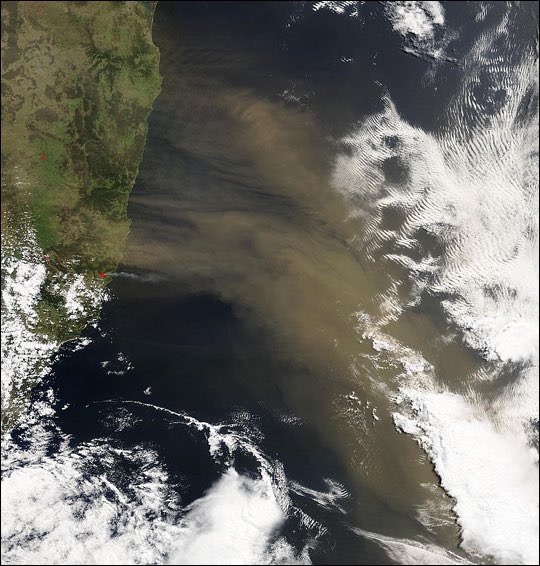
We found that windblown iron-rich dust supports a third of the Southern Ocean’s biological productivity, highlighting the vital role dust plays in the global carbon cycle. 🌬️🏜️🌊🌱
📝 https://t.co/wy4qeURVN5
Scientists from @IMASUTAS, @CSIRO, @ClimateExtremes, @AntarcticSciAus & AAPP use robotic floats to find dust from land fertilises 🅞🅝🅔-🅣🅗🅘🅡🅓 of the Southern Ocean’s productivity — revealing the key role of dust in carbon storage and global climate.
https://t.co/Yg4zttnbvS
What can the new Hyperspectral Imaging (HI) ROV #HIcyBot do?
· Works in two modes: sea-ice and benthic scanning (two highly interconnected worlds).
· Every frame of the high frequency imager is timestamped via GPS clock to acoustically provided underwater position and attitude.
Thank you @ScienceMagazine@NewsfromScience for telling our story. Antarctic science is more important than ever in today's changing world. We just feel 'gutted' by this huge loss. https://t.co/zSc45m6VA3
New Research: Vertical distributions of organic matter components in sea ice near Cambridge Bay, Dease Strait, Canadian Archipelago: Ice algae thriving within sea ice play a crucial role in transferring energy to higher trophic levels and… #MarineScience https://t.co/UCujWVTDm3
New 📄: Vertical distributions of organic matter in sea ice profiles in the Canadian Archipelago. We highlight that while bottom ice is the peak ice algal bloom dominated by micro-sized cells, the upper sections also provide particulate matter that (1/2) https://t.co/jetHEg7Eml
Beluga habitat use in summer is important to identify for future management decisions. We used multiple discriminate analysis to differentiate between beluga habitat areas based on environmental variables and how variables related to prey availability.
https://t.co/gYH90yQkB9