We're hiring! If you're looking for a postdoc position and are interested in #fungal genomics and/or giant transposons please apply. We're hoping to find someone with experience transforming A. fumigatus.
https://t.co/XtGxP56CeU
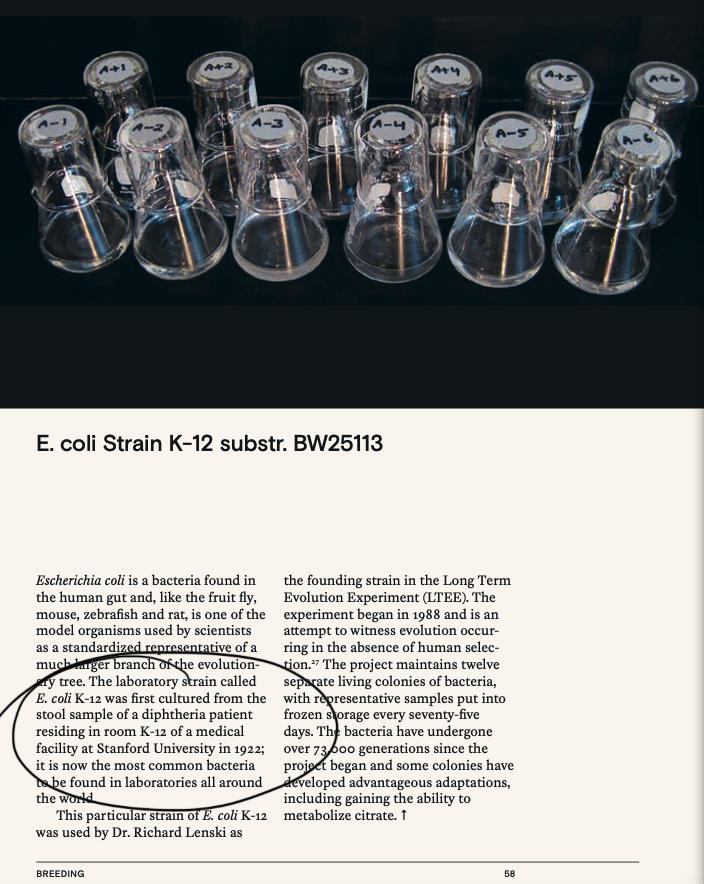
TIL that E. coli K12 — the most widely used strain of bacterium for biological research — is named "K-12" because it was first isolated from a diphtheria patient staying in room K-12 of a Stanford University hospital in 1922.
Naming conventions in biology are weird!
...and it's my PhD work. I'm very proud of it, and happy we've finally assembled it as a manuscript, please check it out🤓
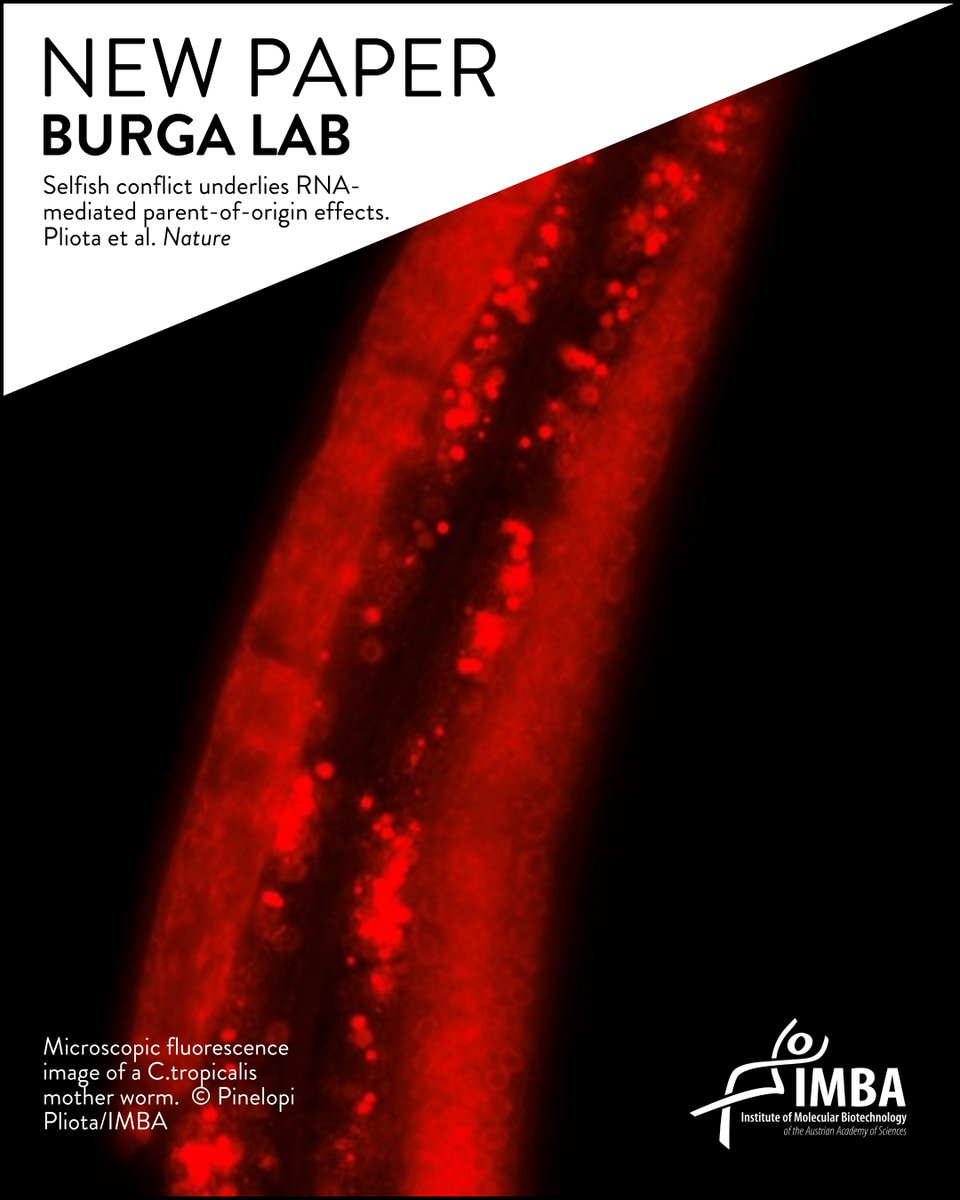
First pic is an illustration from "How selfish is DNA?" by Cavalier-Smith, last - an adult hermaphrodite of Caenorhabditis tropicalis in its full glory✨
4/4
Nematodes carry numerous toxin-antidote selfish elements in their genomes, but we understand very little about how these systems emerge🤔 A toxin is lethal without an antidote, and there's no reason to evolve an antidote without the presence of the toxin in the first place
1/4
Check our preprint and Alejandro's thread ⬆️
Big thanks to all Burga lab members (best team ever����), @arburga for guidance and endless support, all co-authors and my worms for being collaborative!🪱
3/4
It is an alien world.. Brachiolaria talks to tornaria barrel-shaped larvae of hemichordates. Zooplankton of the North Sea. Tornaria size is about 1 mm.
Interested in transposable elements and fungi? Come join us at Uppsala University. I'm currently hiring a PhD student to work on developing a model system to observe horizontal transfer of giant transposable elements (Starships) under lab conditions. https://t.co/Y044SKDjyg
[Please RT] 🚨Deadline Alert: The 10th edition of the “Evolutionary Biology of Caenorhabditis and other Nematodes” meeting 🪱#EvoWorm24 will take place in Vienna, Austria (June 17-20). Travel and childcare grants are available. More info about the meeting
https://t.co/XmTvFLTqnW
New manuscript alert! Writing in @Nature, the Burga Lab (@arburga) describe a genomic silencing mechanism which represses a selfish genetic element in the eggs of the nematode C.tropicalis only when it is paternally inherited. Their findings reveal the potential evolutionary origin of genomic imprinting.
https://t.co/6JLDNaIyNH
🪱"All genes are created equal, but some are more equal than others" Happy to share our recent work dissecting a parent-of-origin effect in worms, which could have important implications for our understanding of the evolution of imprinting @IMBA_Vienna
https://t.co/CIbrG1MLbf
The 10th edition of the EvoWorm Meeting will take place for the first time @IMBA_Vienna@viennabiocenter in June 17-20, 2024. If you love or want to learn more about nematodes & evolution, this is the meeting for you! :) We wait for you in lovely Vienna!
‼️ Breakthrough in evolutionary genetics ‼️
#Virus-like #transposons wage war on the species barrier 🧬🦠🪱🐠🪼 An all-IMBA paper #JustPublished in @ScienceMagazine
Read more ➡️ https://t.co/urXInQ713u
IMBA's Burga Lab @arburga with co-first authors @SonyaWiden & @CampoBes nail down a vector of #HorizontalGeneTransfer (#HGT) in eukaryotes:
The "culprits" are called #Mavericks - Ancient virus-like transposable elements
@viennabiocenter@TrainingVbc@oeaw
Link to the paper in Science ➡️ https://t.co/NX6IxAOC89
More on the Burga Lab's research ➡️ https://t.co/6YKmA5cXK0
Congratulations to all authors: Sonya Widen, Israel Campo Bes, Alevtina Koreshova, Pinelopi Pliota, Daniel Krogull & Alejandro Burga on this groundbreaking work 🎉🎊
Then we have two fantastic posters by Phd students Polina Tikanova @polinatkn P511B & Alevtina Koreshova @AKoreshova P512B (the first two brave students who join my lab!) Both posters on Monday session from 7:30-10:30pm
📣 We are #hiring! The Fly and Worm facility at IMBA seeks a technical assistant with experience in basic molecular biology techniques. Apply now. 🎯 https://t.co/K4sMfFe9MV