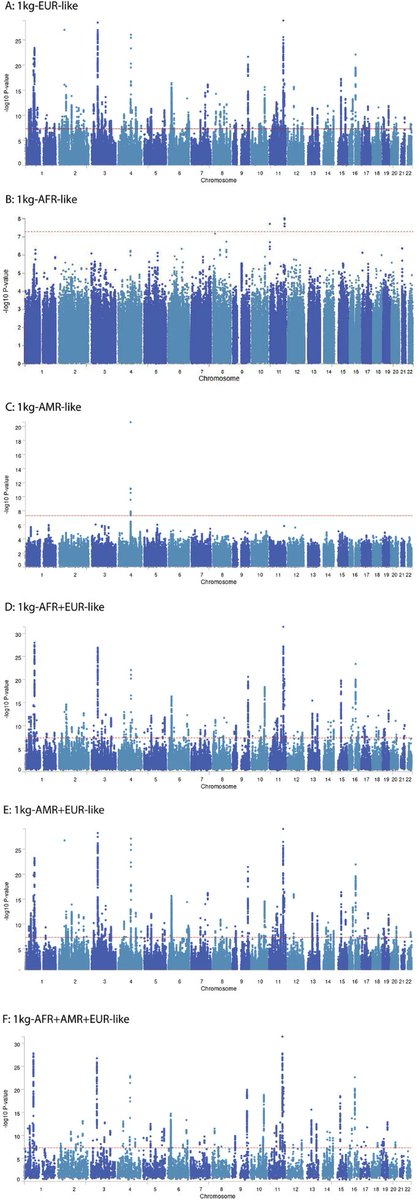
A large meta-analysis of substance use disorders identifies 220 shared genetic loci (40 new) across European, African, and American populations.
Over 700 gene candidates, highly expressed in numerous brain regions. Looks again like addiction is not just dopamine (ahem).... A top 10% polygenic risk score leads to a 2-3x increased risk of SUD. Very useful data to identify drug targets. link below
Chronic treatment with fluoxetine regulates mitochondrial features and plasticity-associated transcriptomic pathways in parvalbumin-positive interneurons of prefrontal cortex
https://t.co/xSU4VRfFeZ
Senate appropriations committee endorses increase to NIH budget, and takes on APCs, indirect costs, replication experiments, and more.
https://t.co/5QpV1i6aVn
https://t.co/CRPi7auXAe
College students pursuing careers in science or medicine can learn skills for grad school through the Summer Neuroscience Internship Program @UF now celebrating its 10th year. SNIP provides mentorship, hands-on lab work and more.
Learn more: https://t.co/qUcBDoOSZe
This chart made by Peter Gleick shows the proposed cuts to science graphically. This is bad for America.
Please ask Congress to save science.
#FundingScienceSavesLives
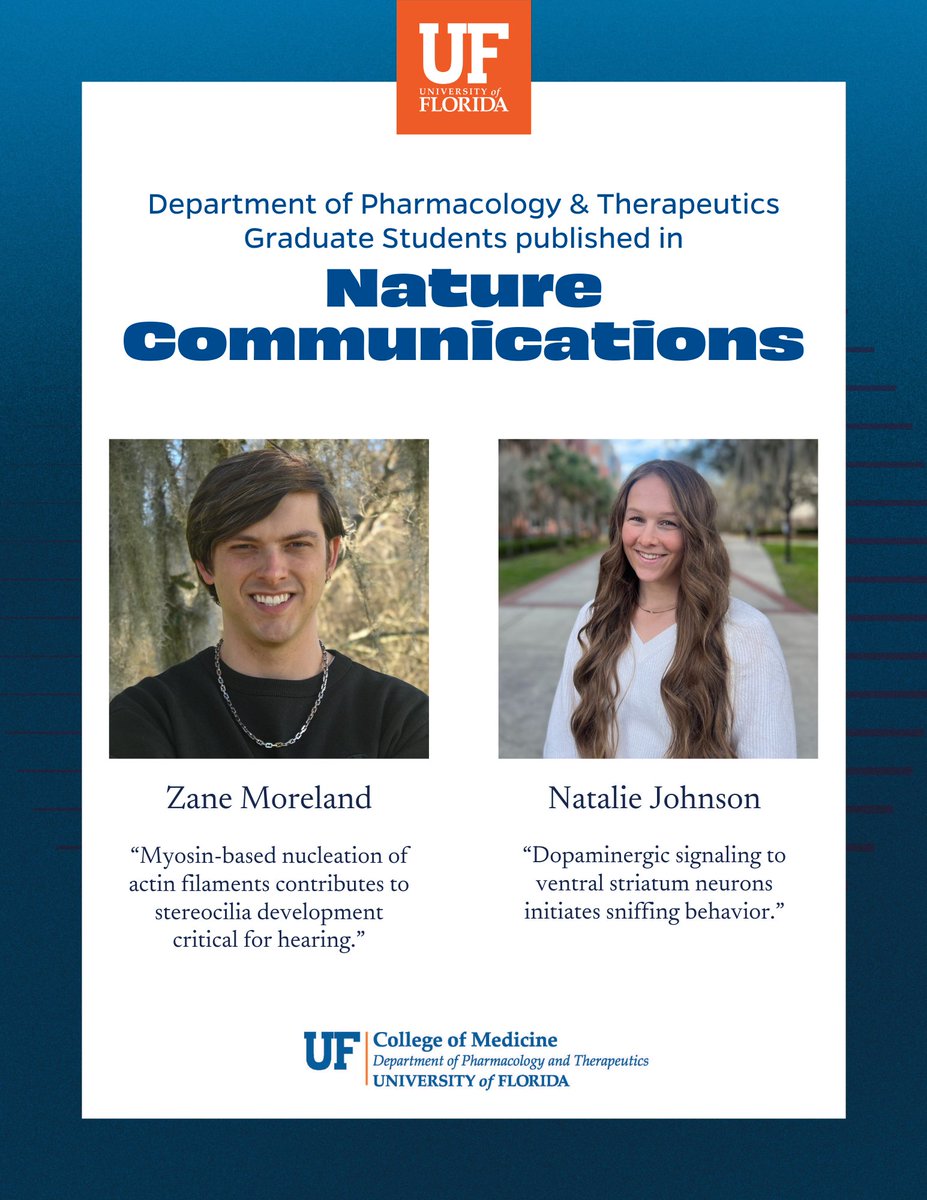
Research from two UF Department of Pharmacology & Therapeutics graduate students was published in @NatureComms
To learn more visit: https://t.co/T4rzdJe6Fm
This is the best in vivo AP propagation movie we got so far. Recorded at 1k Hz from the axonal branches of a fly CNS neuron, using voltage indicator pAce.
Today in @Nature, we share our latest paper. We developed an algorithm to predict novel peptides cleaved by proconvertases across all human tissues. Using this method, we identified BRP, a brain-derived anti-obesity peptide.
https://t.co/D5sgX2QrzK
We are excited to report the discovery of TIGRs, a widely-occurring RNA-guided system found in bacteria and their viruses. TIGRs consist of a peculiar repeat region which is transcribed into RNA and processed into multiple guide RNAs to direct TIGR-associated proteins to their DNA targets. https://t.co/ketXqFVQqw
Lawyers for the government argued yesterday that the cap on NIH indirect costs would not cause “irreparable harm,”- Tell that to the grad students who would have been admitted at these places and the labs they would have joined! H/T @kyledcheney
https://t.co/HhYYz6YRhP
Featured on the @Nature Communications' Editor's Highlights page, "Myosin-based nucleation of actin filaments contributes to stereocilia development critical for hearing" by Zane Moreland and the Bird Lab. Go check it out at https://t.co/Sy0KJ0IUsD
@AZaneyscientist@JBird_Lab
🚨BREAKING. From a program officer at the National Science Foundation, a list of keywords that can cause a grant to be pulled. I will be sharing screenshots of these keywords along with a decision tree. Please share widely. This is a crisis for academic freedom & science.
Call to End Freeze on Federal Grants
The White House's pause on federal grants threatens our nation’s scientific progress. This unprecedented freeze will impact students and trainees who rely on grants, funded investigators, and patients waiting for critical discoveries and treatments, in addition to having an economic impact for employees and employers at universities and organizations that are economic drivers in the U.S.
Read SfN's full statement urging this Administration to lift the freeze to protect the health and security of our nation: https://t.co/UlzkzC59Pr
A single molecular signal enhances the complexity of human brain organoids, inducing the emergence of multiple distinct brain regions.
https://t.co/1QiD5l7dTV
The application portal for our Summer Neuroscience Internship Program (SNIP) is OPEN! 🎉 Undergraduate students interested in #neuroscience are invited to apply for this unique 10-week paid research internship: https://t.co/SdIbPOc31B