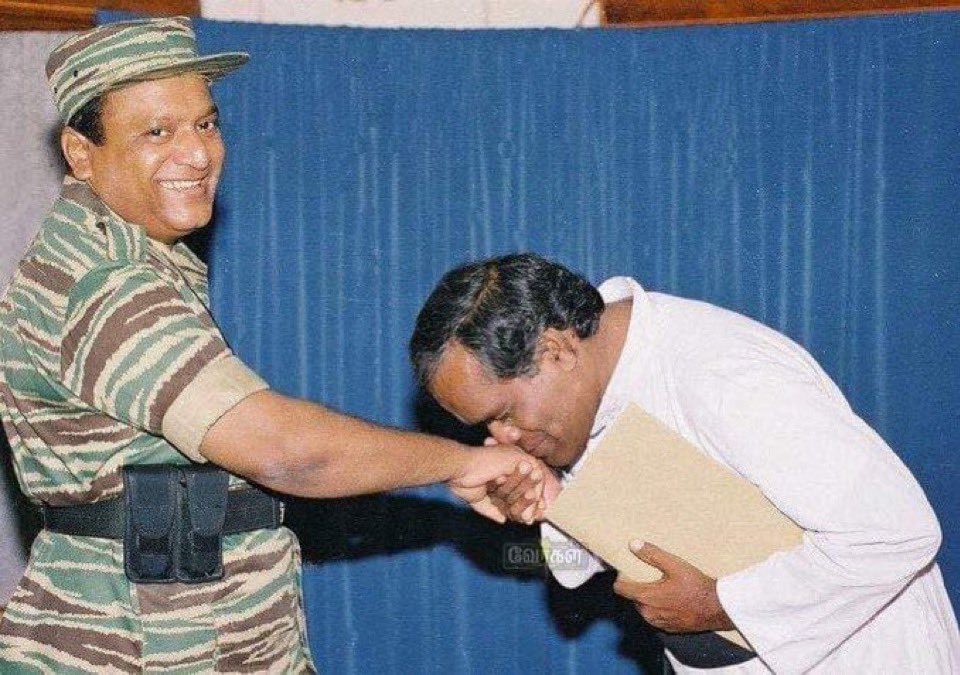
ஆண்டுகள் கடந்து போகலாம் புதையுண்ட உடல்கள் கரைந்து போகலாம்
ஆனால் தமிழன் கொல்லப்பட்டான் "தமிழன் என்பதற்காக மட்டுமே கொல்லப்பட்டான்" இதை நமது தலைமுறைக்கு எடுத்துச் சொல்வோம் எதிரிகளையும் துரோகிகளையும் நமது பிள்ளைகளுக்கு அடையாளம் காட்டுவோம்
#முள்ளிவாய்க்கால்#TamilGenocideEvidence
திட்டமிட்டு மறைக்க பட்ட தமிழரின் எதிராக நின்ற துரோக வரலாறு🥹
திராவிட கூட்டத்தில் இருந்து எப்போது இந்த இனம் அரசியல் விடுதலை பெற்று விடுபடுகிறதோ அன்றே நம் இனத்தின் விடிவுகாலம்💯
நாம் தமிழர்🙏💯
@Seeman4TN@_ITWingNTK
இந்த விஜய் விவகாரத்து கேஸ பத்தி பேச துளியும் விருப்பம் இல்ல..
ஆனா நீ உன் மாஃபியா கும்பல வச்சி சங்கீதாவையோ அவங்க குடும்பத்தையோ இழிவு படுத்த நினைச்ச... த்தா நாங்களே இறங்கி அடிப்போம்டா🔥🔥💯
Behind the scenes of composing the famous Eelam Tamil song (Eedu Vaithu Nanthalaala) for the historic Battle of Elephant Pass. Kannan, Murali, Jeya Sukumar, S. G. Santhan, and Puthuvai Ratnathurai were involved in the creation of this song.
Approximately 1,200 Tamil guerrillas fought against the Sri Lankan Army, which had over 17,000 soldiers defending the military garrison and approximately 40,000 soldiers stationed throughout the entire Jaffna peninsula.
A U.S. military analyst described Elephant Pass as impregnable. At the time, the Elephant Pass garrison was the most fortified military garrison.
The LTTE achieved the impossible by liberating the area and taking control of the Elephant Pass in Operation Unceasing Waves III (Oyatha Alaigal 3).