I’ve had a major realisation today: high-stakes research isn't just about the data; it’s about Academic Diplomacy.
It’s the art of "foundational validation." Too often, we’re tempted to frame new work as a critique of what came before, but that just turns blind reviewers into defensive gatekeepers. If you attack the model they spent their careers building, they’re going to fight back.
Instead, the goal is to frame the work as a structural extension. By crediting the original architects and showing how their model provides the foundation for your "next step," you lower the ego barrier. You aren't telling them they were wrong; you're proving that their work is robust enough to be adapted to the complex, new boundary conditions we’re facing today. It turns potential opponents into intrigued collaborators.
@TrevorNcube@ZimMediaReview An apology is a good start. However, the question is, how commercially viable is legacy media in this age of AI and social media? My view is that if you don't innovate quickly to align with AI and imagine the future, AMH will die a slow and painful death.
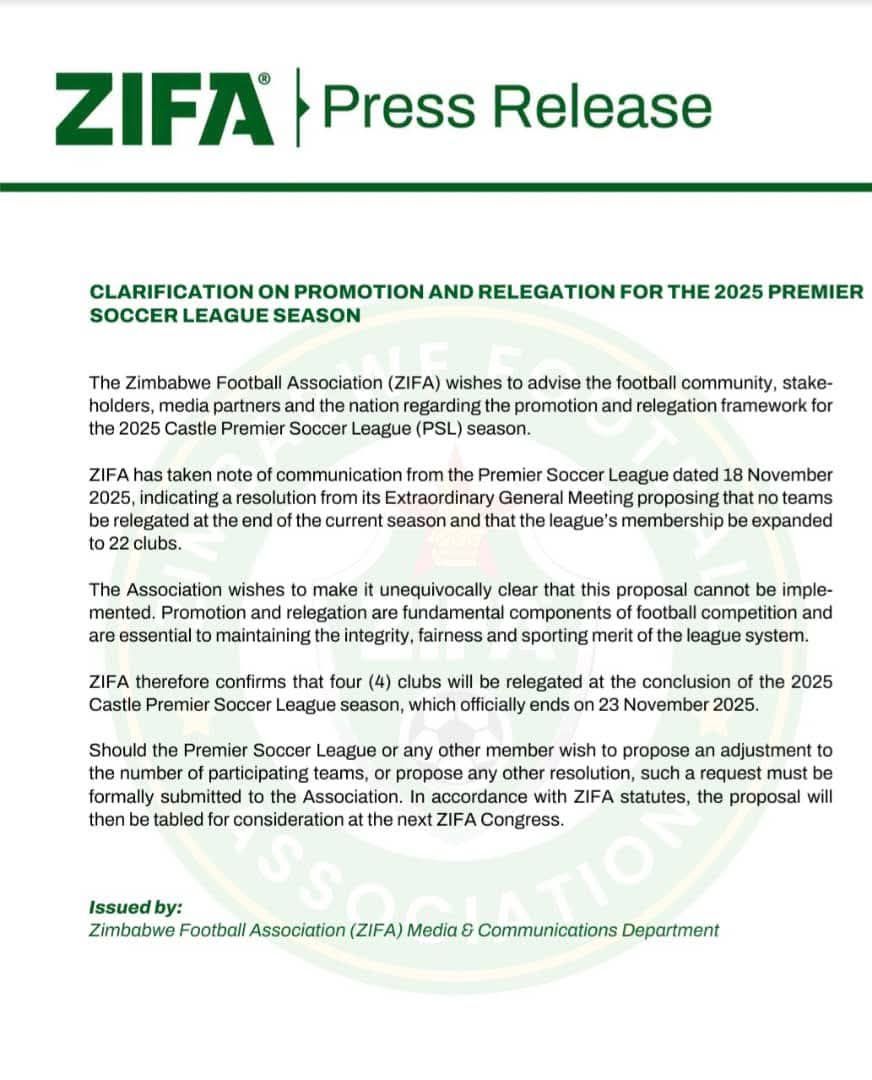
Contradictory relegation/promotion statements issued by ZIFA & PSL indicate dysfunction in Zim football ecosystem. Yesterday's statement below by ZIFA is correct way forward. Promotion & relegation of teams is the 'heart' of football competition, tension and excitement.
Sudan’s hunger crisis has deepened further, with new UN-backed analysis confirming that famine is underway in parts of Darfur and Kordofan, where fighting and sieges by the UAE-armed Rapid Support Forces have cut off entire communities from food and aid. https://t.co/ghnWABfRP5
🔴LAND CLAIM SETTLEMENTS 🔴
Why are black people and kings settled in Mountains and in areas such as Ciskei, Zululand, Bophuthatswana, Gazankulu, Transkei!?
The Answers is simple
Julius Malema Tembeka
Ngcukaitobi
“There was a Sotho song saying 'Ramaphosa re morata kaofela'. I was in trouble when I stood up and sang 'Re o rata kaofela'. Someone next to me said, 'But you're not from the ANC.' I replied, 'I'm appreciating those blue lights; remember who appointed you.” Minister of Sports Arts and Culture Gayton McKenzie
“I was singing for the privilege of serving South Africa, and I was singing the loudest. My friend said, 'But you can't be singing that you love Cyril Ramaphosa.' I said, 'But I love him now.' I told him, 'I don't blame you; the frustration of traffic is getting to you.” @GaytonMcK
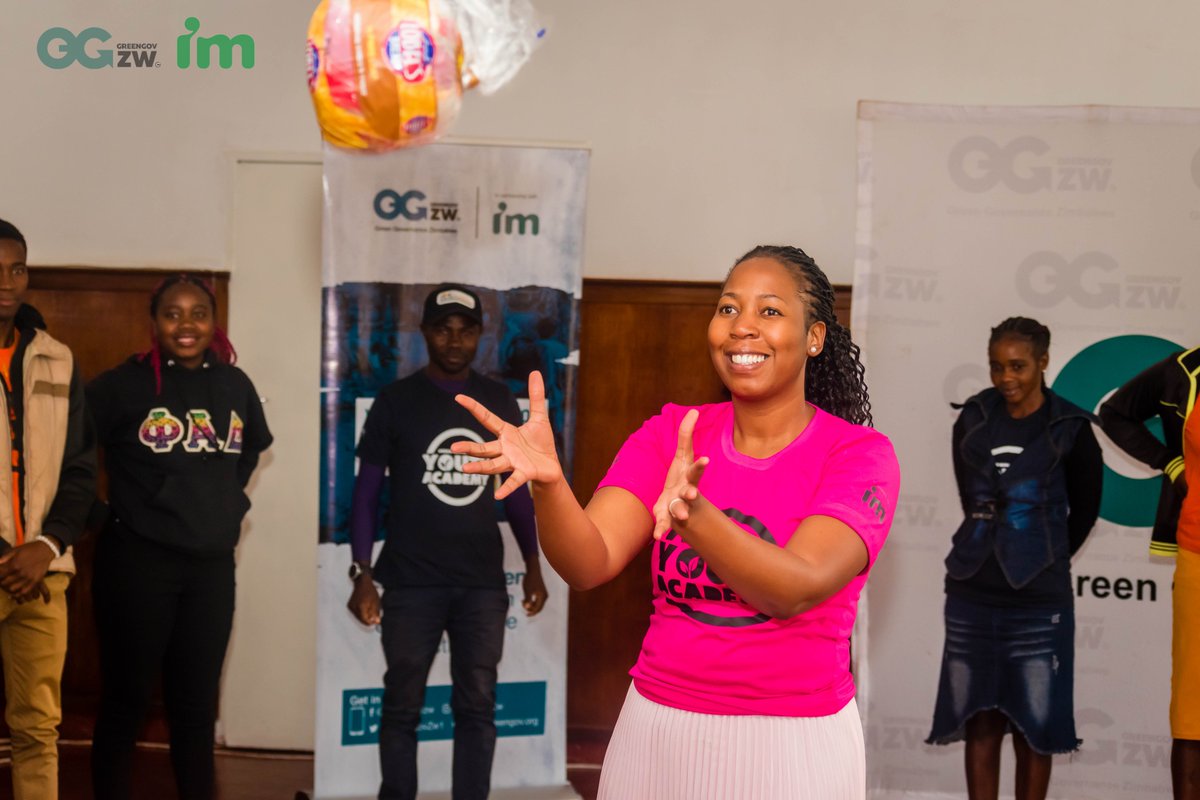
Day 2 of the Green Governance Youth Academy in Chimanimani. A walk through the museum of energy as the young people learn about #JustEnergyTransition & its socio-economic implications.
In partneship wth @IMSouthernAfric for an empowered youth on #climatejusticenow. @ActionAidZim
How do we address the ‘climate futures information gap’ between climate scientists and users? @_RachelJames explains how #FLF SALIENT aims to characterize and communicate #climatechange for adaptation planning in Southern Africa
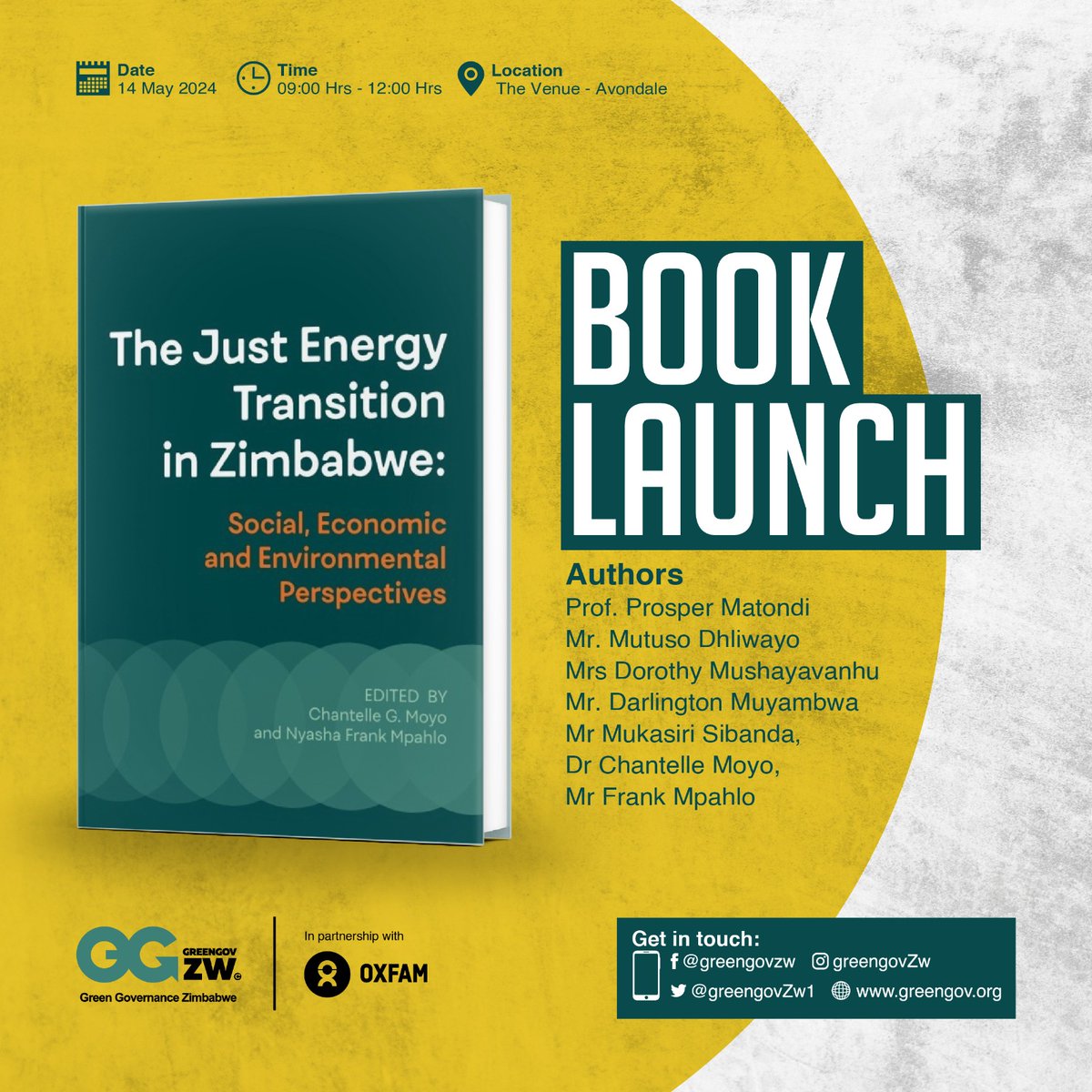
Today we launch our first Book "The Just Energy Transition: Social, Economic and Environmental" at the Venue, Harare. The phenomenal book is a product of our Climate Media Collaborative Project funded by @OxfaminZim. Special mention to our book contributors listed on the flier.
The great city of @CityofBulawayo is one of a number of African cities which has been selected to benefit from the Bloomberg Philanthropies Youth Climate Action Fund. This is Bloomberg’s latest government innovation initiative that aims to help mayors unlock the power and ingenuity of young people in leading climate action at the local level.
The following African Mayors Leadership Institute (AMALI) cities have been selected:
• Accra, Ghana
• Bulawayo, Zimbabwe
• Freetown, Sierra Leone
• Lusaka, Zambia
• Nansana, Uganda
• Masaka City, Uganda
• Quelimane, Mozambique
• Zanzibar, Tanzania
In Bulawayo we are going to use the resources provided by Bloomberg to roll out a program in our schools to encourage young people to lead in keeping our city clean and free of plastic waste.
Ahead of the 2002 presidential elections when I was with the @fingaz, I wrote a piece that questioned the sustainability of the MDC’s ideological contradictions.
My focus was on the threat that white commercial farmer interest groups posed to the MDC’s ideological viability as a social democratic party.
By virtue of their financial muscle, the white farmer interests succeeded in neutering the MDC’s radical worker-based focus, ensuring the party became a platform for the international campaign against land reform.
They succeeded in turning the party to focus instead on complaints about human rights deficits, the collapse of the rule of law, and other governance failures including the manipulation of the electoral system. All of which were legitimate grievances, by the way.
The expulsion of then-Highfields MP Munyaradzi Gwisai, for supporting land reform and farm occupations, underscored the extent to which the MDC had been successfully diverted from its social democratic commitment, which would have compelled it to invest itself in land redistribution in the interests of the rural poor, as was Gwisai’s argument, rather than ride pillion with white farmer bosses.
And so the party was limited to serving purely as a neo-liberal political platform whose critique of the nationalist regime centred on human rights and governance failures - the very critique advanced by the Washington Consensus.
So while the MDC-Labour nexus continued to hold largely on account of Tsvangirai, Gibson Sibanda and the party’s senior leadership who hailed from the trade unions, the Chamisa dispensation is marked by a total collapse of this historical relationship.
The cocky figure of @Cde_Ostallos walking out on the @ZctuZimbabwe president in mid-speech on May Day a few days ago underscores the extent to which relations between the labour union and the Chamisa-led opposition movement have plummeted.
There is no ideological affinity between Chamisa and Labour in Zimbabwe. Chamisa’s own legal history instead pits him as an assassin of Labour (cue the Zuva case). In any case, structurally, there is no room for formal affiliations where the party as an institution does not exist, and where its value proposition is also non-existent.
Trade unionists who have historically featured prominently in the democratic movement are conspicuous by their absence in Chamisa’s successor movement, which mainly features a motley crew of former ZINASU student activists, whose ideological identity is inscrutable from the cacophony of their flowery, populist rhetoric.
Chamisa himself isn’t an ideologue - and it is also doubtful that he is instead a pragmatist, because there are precious few instances where he has adopted the Rational Actor approach. He is a Christian; but even there, he has not developed a recognisable Christian Democratic ideology akin to what we see in some Western European political systems. So even on that, there remains no discernible organising framework of thought. There is no coherent or consistent template on which to establish predictability in both ideas and actions. Everything rests on the mortal frame of charismatic personality.
This is why, rather than drawing supporters and allies based on the convergence of worldviews, Chamisa’s currency has remained sheer personal popularity, which translates to electability in our sensual, phenomenon-driven political culture. And what that means is, it’s nigh impossible for allies and supporters to approach and volunteer policy ideas, systems and strategies, because there is nothing to suggest where these would fit and how they would work with the whole, since the whole is as yet unpronounced. This is a real tragedy.
So until then, those congregating around Chamisa will continue to do so as an expression of hope and faith in the man’s charisma and popularity to single-handedly dismantle the militarised, dominant party system that Zanu-PF presides over.
@Chofamba@fingaz This is an excellent submission @Chofamba. Pure clarity of thought and arguments in accessible language. Dr @FreedomMazwi, come and feast on these ideas.