Senior Assistant Professor MU Bodh Gaya | Evolutionary Biologist | Editor IE | Generalist | JNU Dropout | Cancer Survivor | Poet | My book: An Unsung Anthology
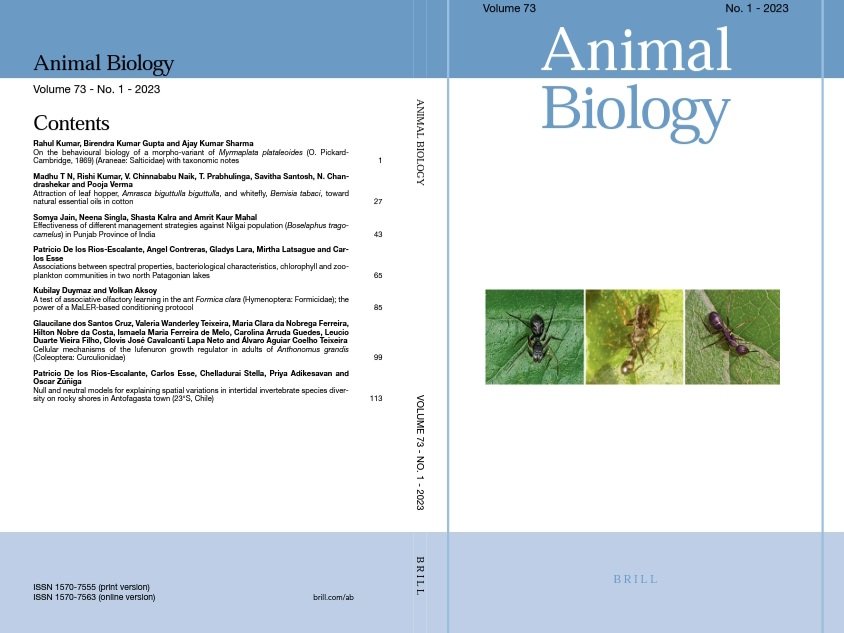
One of the images from my recently published research article has been published on the cover page of the prestigious journal Animal Biology. I presented part of this work at Ento'22 organized by @RoyEntSoc and 4th annual conference of @india_evolution.
https://t.co/rLFAXJfqMZ
I have completed MA in Education from @OfficialIGNOU alongside my MSc & PhD in Zoology. Though I may not use it professionally, I pursued it to strengthen my teaching skills. My dissertation focused on the effectiveness of in silico techniques in undergraduate biology teaching.
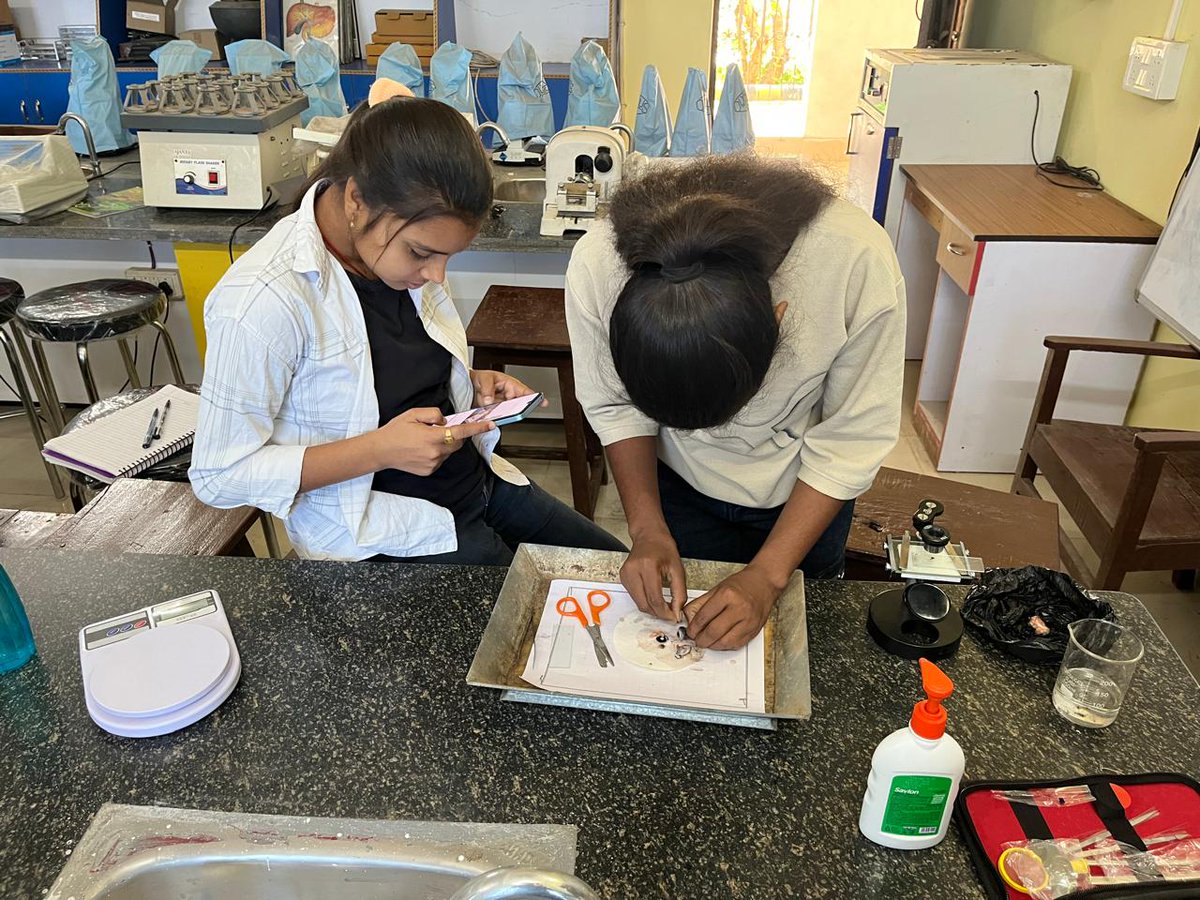
Today, I demonstrated the systematic dissection of a fowl’s eye to locate the pecten to the students of BSc Semester II Zoology (Major). First, I demonstrated the procedure myself, and then the students performed it independently.
@magadhuniversi1@india_evolution#zoology
Proteins can also form DNA by acting themselves as templates! Two amazing papers challenging central dogma...
https://t.co/9LtlO7JYww
https://t.co/gFWj9kSSAz
Last year, a baby boy with a life-threatening metabolic condition became the world’s first patient to receive a personalized gene-editing treatment.
The feat could pave the way for gene editors tailored to people with unique or ultrarare mutations.
Learn more: https://t.co/Q88zuZwUxz @NewsfromScience
#SciHub is banned in India, institutes lack journal subscriptions, & small colleges are facing trouble availing ONOS. I have sent multiple emails to #ONOS helpline but in response I get a survey link meant for private colleges though our college is a government college.
Our new publication:
https://t.co/Zj1bNT9S4y
This publication is the foremost outcome of the MoU between the Entomological Society of India (ESI) and the Centre for Agriculture and Bioscience International (CABI).
@EntoIndia@CABI_Invasives@CABI_News#Agriculture#Himalaya
I made a Claude Code skill that generates conference posters 🛠️
Instead of a static PDF, it outputs a single HTML file — drag to resize columns, swap sections, adjust fonts, then give your layout back to Claude. 🔁
🔗 Skill 👉 https://t.co/KhYV8anbxL
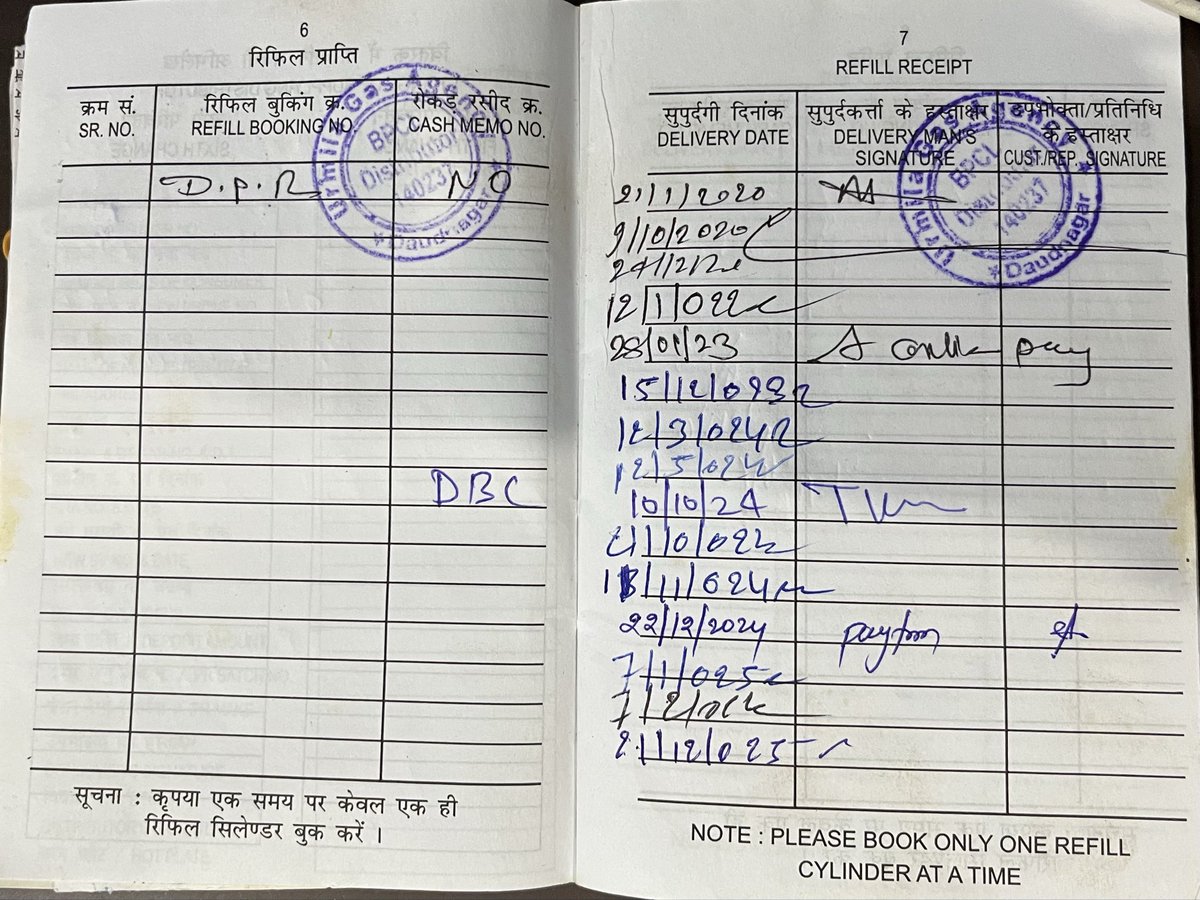
I didn’t book cylinder on 12-1-2026, 6-2-2026 & 1-3-26 but received messages of booking and delivery. I am facing trouble due to such malpractices by gas agency. I get supply from Urmila Gas Agency, Daudnagar. @BPCLimited
Last I received LPG cylinder on 21-12-2025 but I received messages on 12-1-2026, 6-2-2026 and 1-3-2026 that cylinder is booked & delivered though I didn’t receive any cylinder. Now, I am trying to book but I am getting message that I can’t book up to 26-3-26.
@BPCLimited
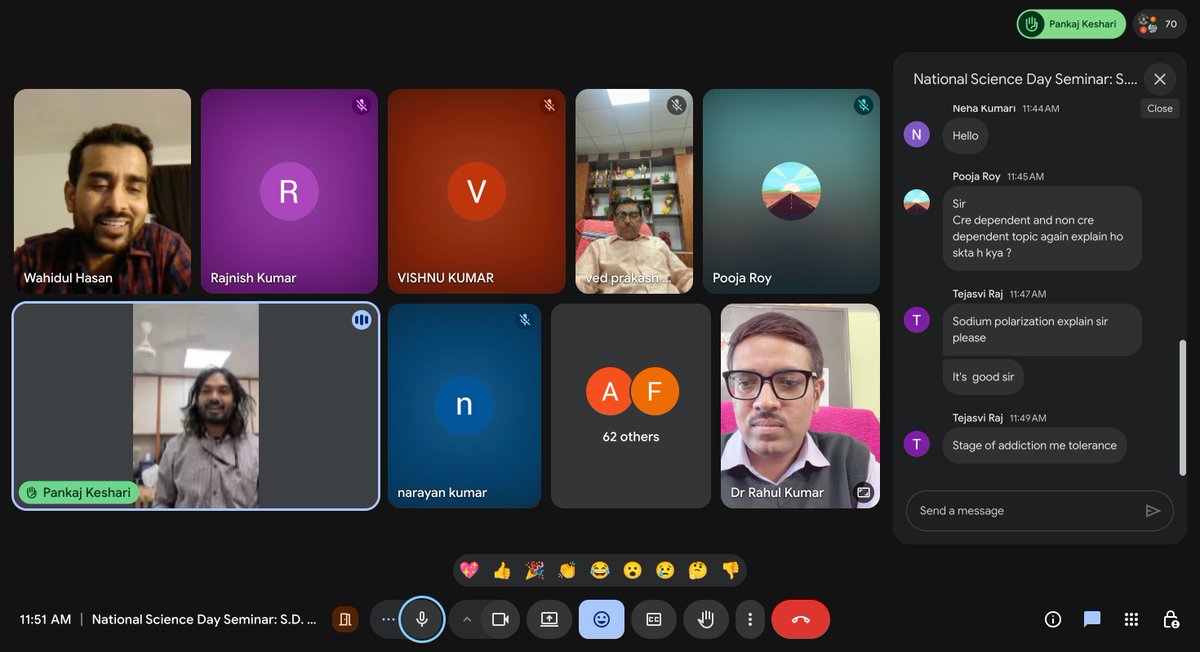
Invited a @Harvard scientist to a rural college of Bihar: Today, I organized a seminar on the occasion of "National Science Day" where I invited Dr Whidul Hasan, Postdoc Scientist, @harvardmed for a lecture. He talked about "How Neurons talk: From Action Potential to Behaviour."
Today RNA may seem overshadowed by its glamorous cousin DNA, but many scientists think RNA molecules were the star players in the origin of life. By both storing genetic information and copying themselves, they might have touched off the march of evolution that produced increasingly complex life forms.
So far, researchers haven’t found RNAs that can replicate themselves, a key feature of living things. But they now have something close.
In a new paper, researchers report creating RNAs that can generate a sort of mirror image of themselves and use that template to generate the original. Learn more: https://t.co/fkrtlVbWbP @NewsfromScience
AI is cool and all... but a new paper in @ScienceMagazine kind of figured out the origin of life?
The paper reports the discovery of a simple 45-nucleotide RNA molecule that can perfectly copy itself.
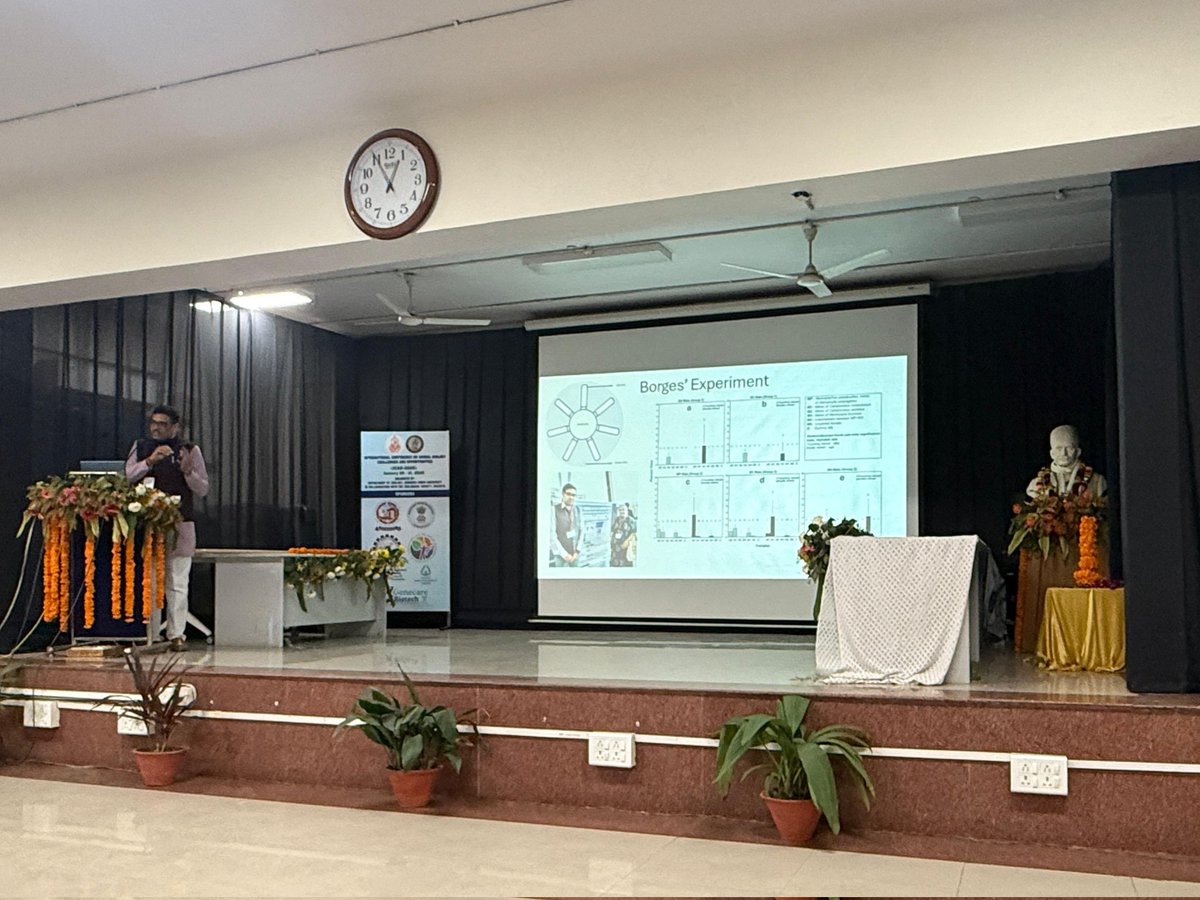
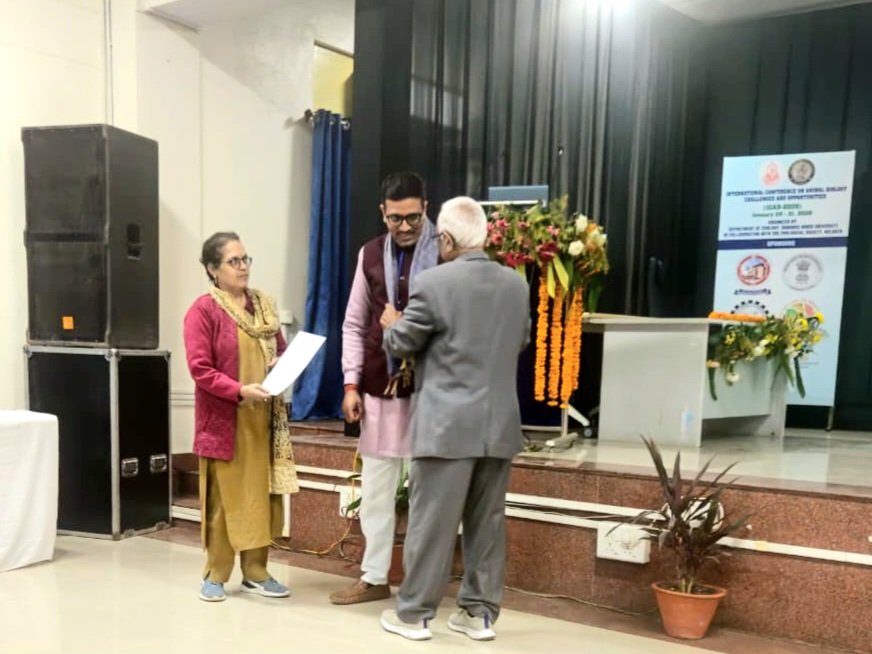
Glimpses of my talk on reproductive isolation among red & black morphs of ant-mimicking spider Myrmaplata plataleoides at International Conference on Animal Biology organized by Department of Zoology, Banaras Hindu University, Varanasi.
#zoology@bhupro@magadhuniversi1
Fungi coat the eggs of stinkbugs, creating a shield that protects the embryos from parasitic wasps, researchers report.
Learn more: https://t.co/PmZzzN3M29 @NewsfromScience