So, what's the connection between the wagon wheel scars on this ancient Roman road... and our word "Carpenter"?
A 'Carpentum' was a two wheeled Roman cart /wagon
A 'Carpentārius' was the wagon-maker
This evolved to be... Carpenter.
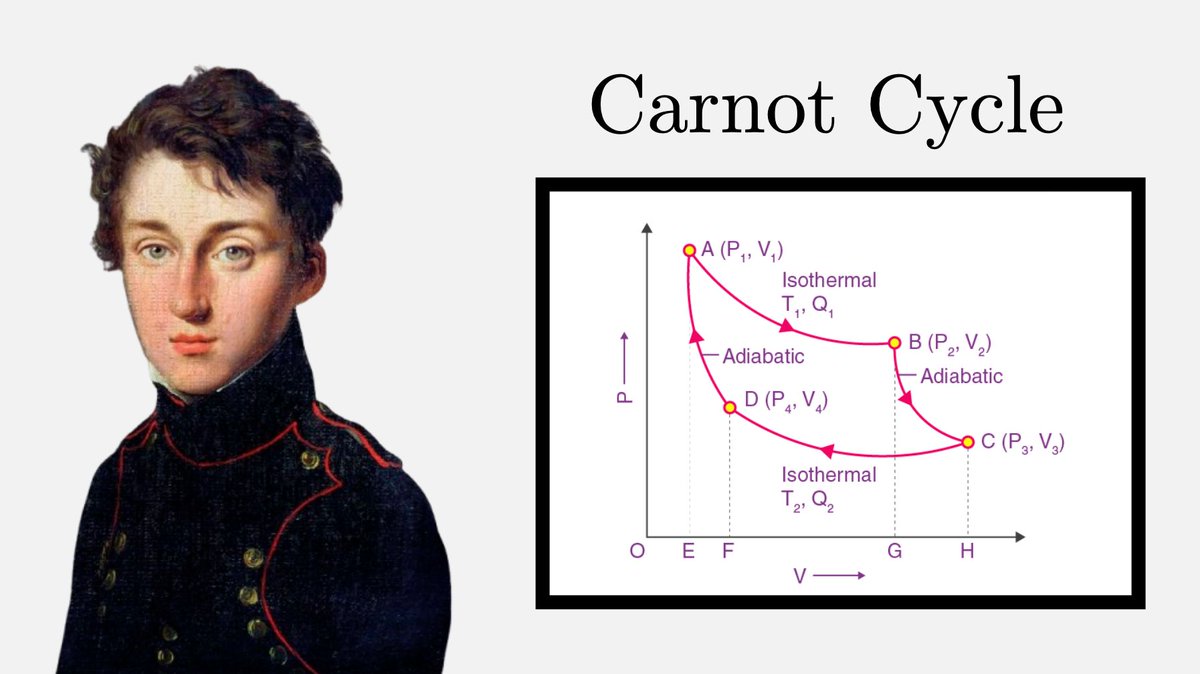
Sadi Carnot was born 230 years ago today.
In 1824, while studying steam engines, he discovered a limit that no technology can overcome:
No engine can convert all heat into useful work.
This insight became the foundation of thermodynamics and understanding of energy. Carnot died in 1832 at just 36 years old.
This is breathtaking.
The church's marble floor is covered entirely in tombs of the 400 Knights of the Order.
Cathedral of St. John the Baptist, Valletta (1608).
Built around 653 AD on the remains of a Roman fort, St Peter on the Wall is one of Britain's oldest churches. ⛪
Places like this remind us that Britain's story stretches back far beyond living memory.
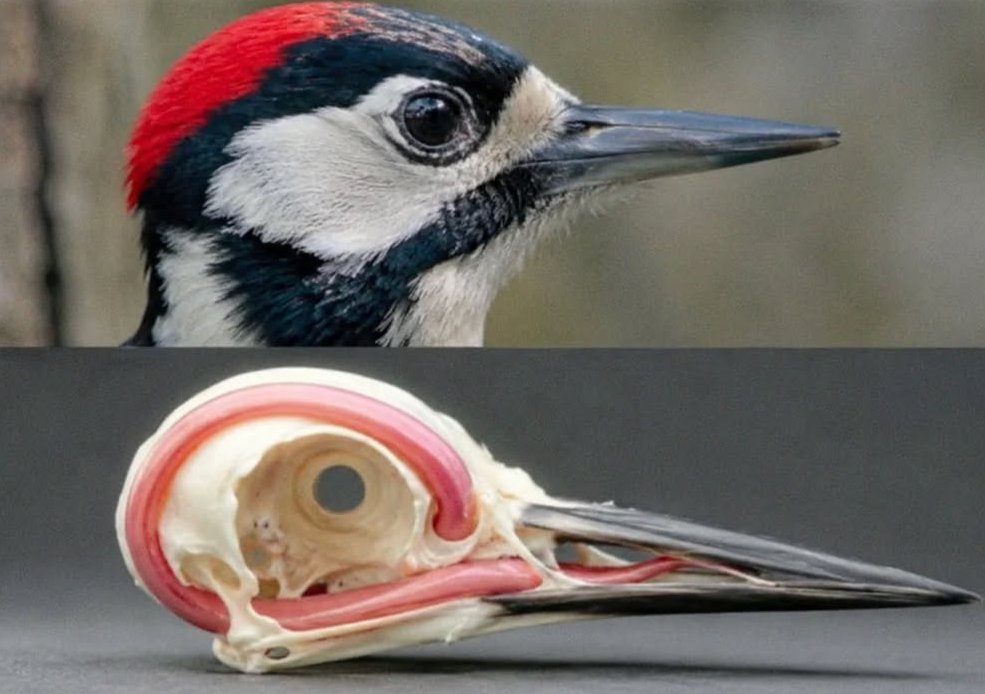
Few months ago a young lad called Toby messaged me on instagram and asked if I’d follow him back, I jokingly replied .. I will if you come and spend the day out in the field with me, rather than all this through the screen stuff.
He did it, his mum brought him at 5am to spend the day at @Bempton_Cliffs with me.. I used his little vlog camera to make him a video that he can share.
He is a little legend, with a foot ailment that made it difficult to walk or stand for long, with a true passion for photography and determination to spend the day with me, it was unreal.
He also had his dad’s old camera with manual focus and none of the gimmicks we all have in our silly cameras .
All these photos are his.
#wildlifephotography
At a 1969 “Concert for Young People” titled “Bach Transmogrified,” Leonard Bernstein introduced children to electronic music by performing a Moog synthesizer version of Bach’s “Little Fugue” in G minor.
The young audience reacted with obvious fascination and delight as Bernstein demonstrated how modern technology, such as the synthesizer and even a rock band, could reinterpret classical masterpieces.
On this day — June 2, 1686 — the Royal Society in London arranged for the publication of Isaac Newton’s Philosophiæ Naturalis Principia Mathematica (the Principia).
Edmond Halley personally funded the printing. This single book revolutionized mathematics: it introduced the world to Newton’s laws of motion and universal gravitation, gave calculus its first major real-world applications, laid the foundation of classical mechanics, and transformed how we understand the physical universe.
One of the most influential works in the entire history of mathematics and science.
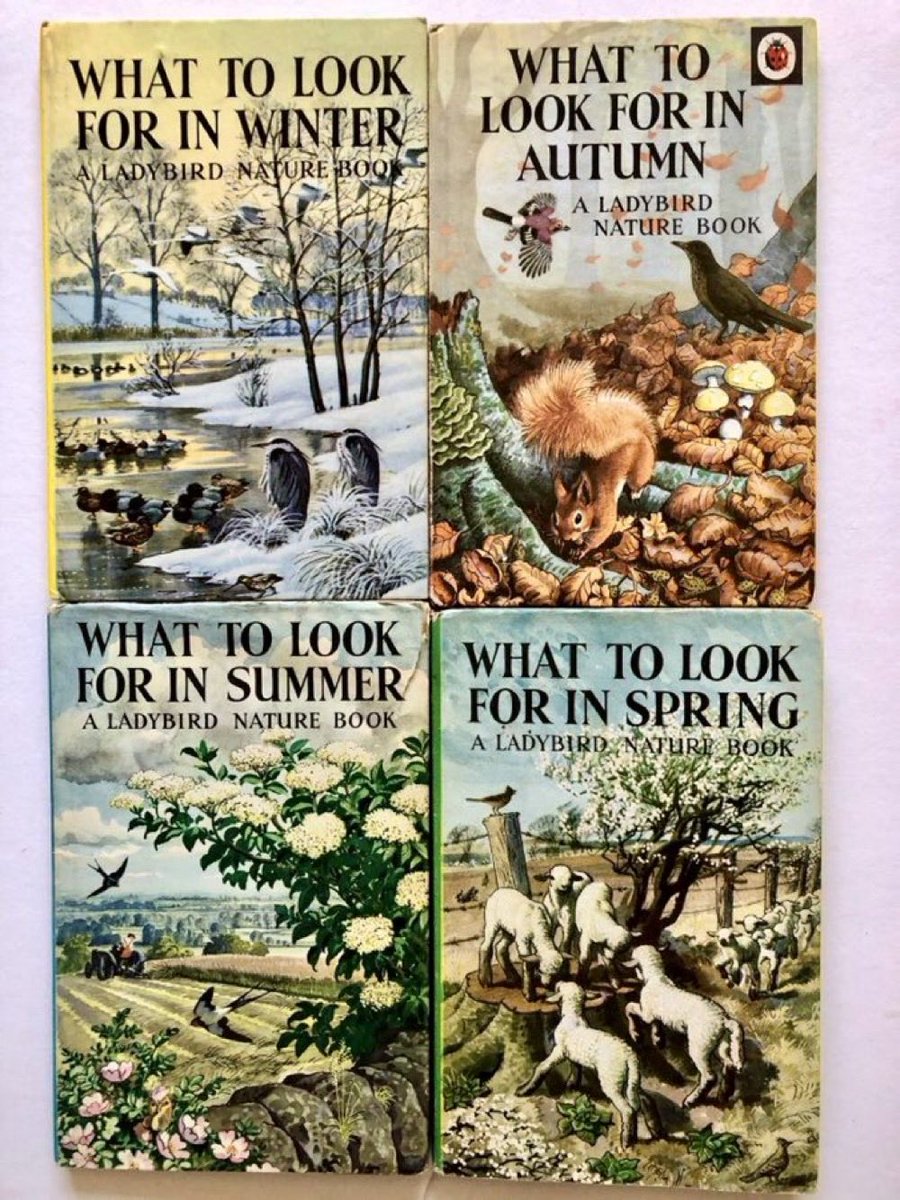
Today, being the first day of Meteorological Summer, I bring you the covers of the 4 seasons books.
But which is your favourite?
My favourite season is Spring (but my favourite of these books is probably Autumn)
Artist: CF Tunnicliffe
“Beauty lay not in the thing, but in what the thing symbolised.”
Happy birthday to Thomas Hardy, was born #otd 1840 in Higher Bockhampton, Dorset 🎈
📷Thomas Hardy’s birthplace