The first letter of the genetic code was cracked #OTD in 1961 at 3am by Marshall Nirenberg (right) and Heinrich Matthaei (left) at the @NIH.
Nirenberg shared the 1968 medicine prize with Har Gobind Khorana and Robert Holley for their work on the genetic code.
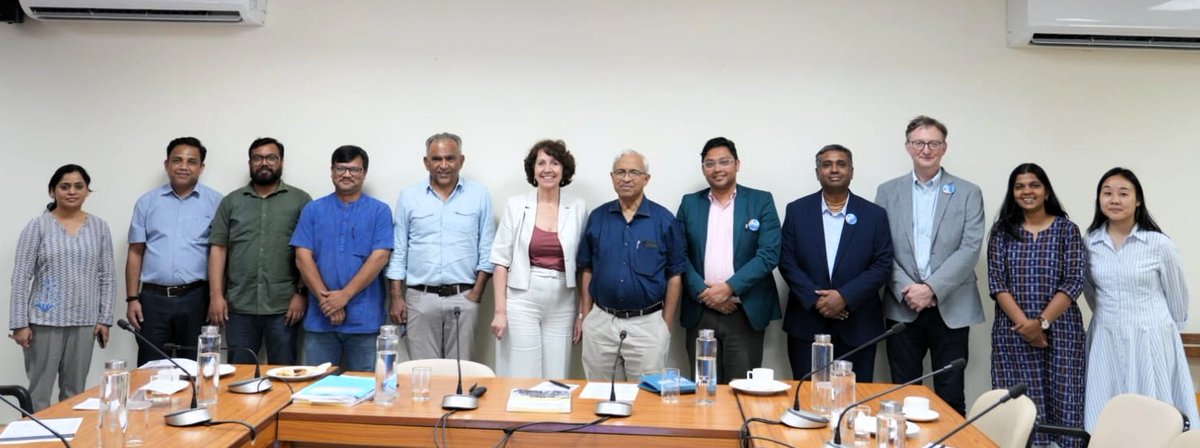
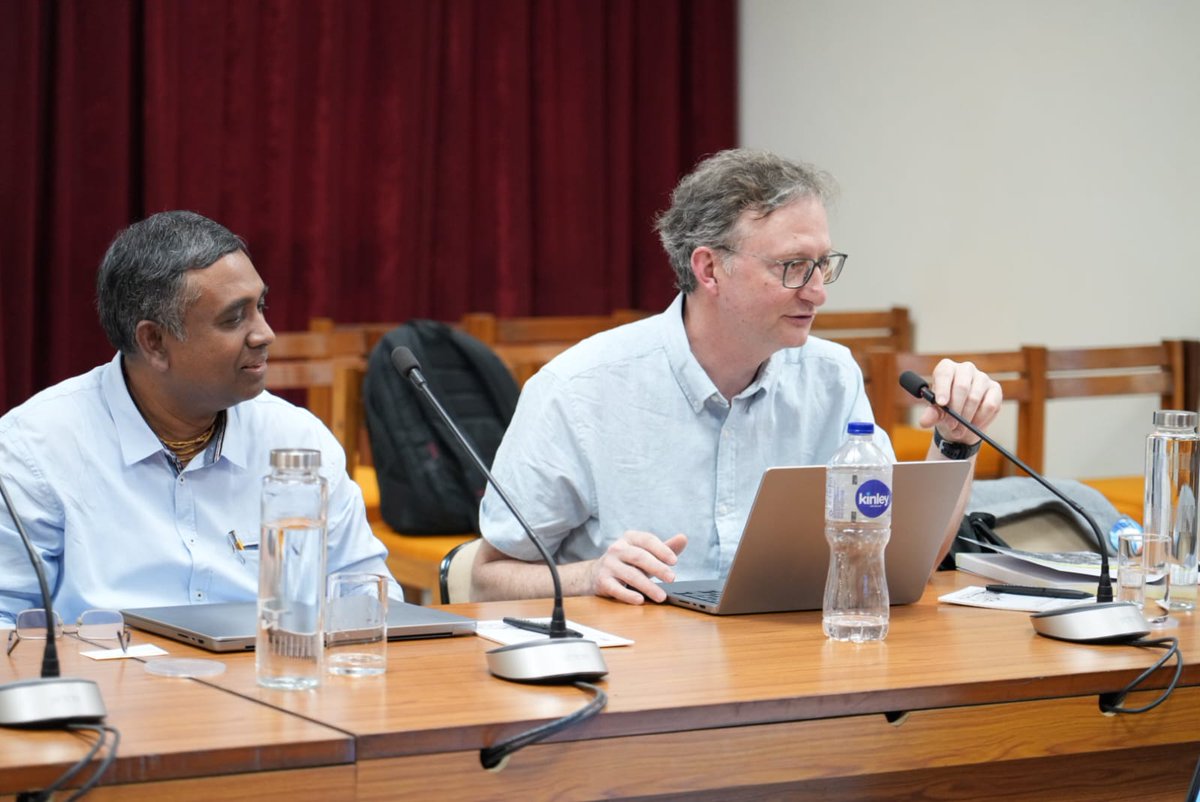
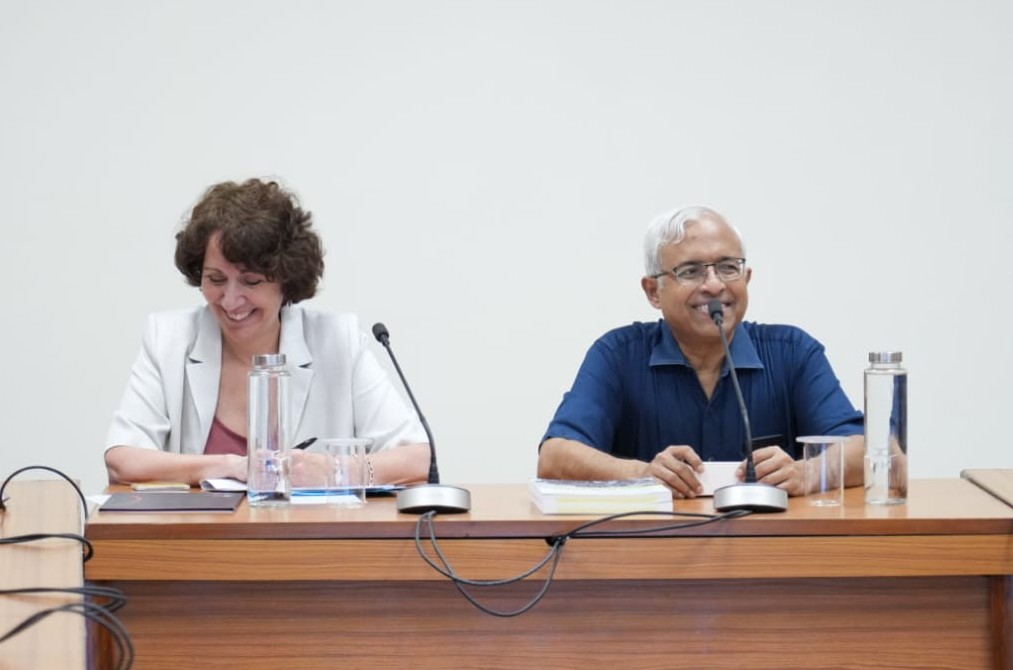
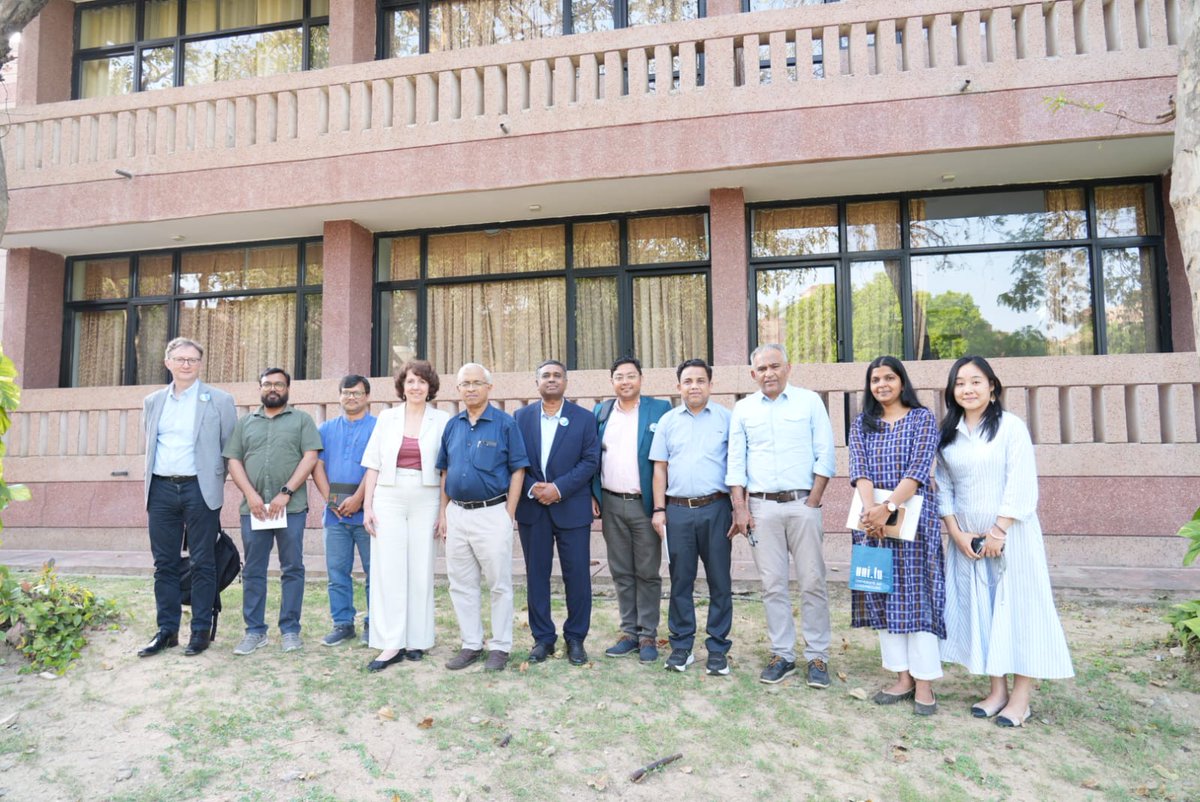
We were delighted to host a delegation from the University of Luxembourg at the BRIC-National Institute of Immunology on 20 April 2026.
The visit provided an excellent platform to explore opportunities for collaboration, including joint research initiatives, academic exchange, and strengthening international partnerships in frontier areas of science.
@uni_lu@DBTIndia@BricDbt@DrJitendraSingh@rajesh_gokhale@deb030903@PushkarTweeter
What if an existing drug could help tackle Alzheimer’s?
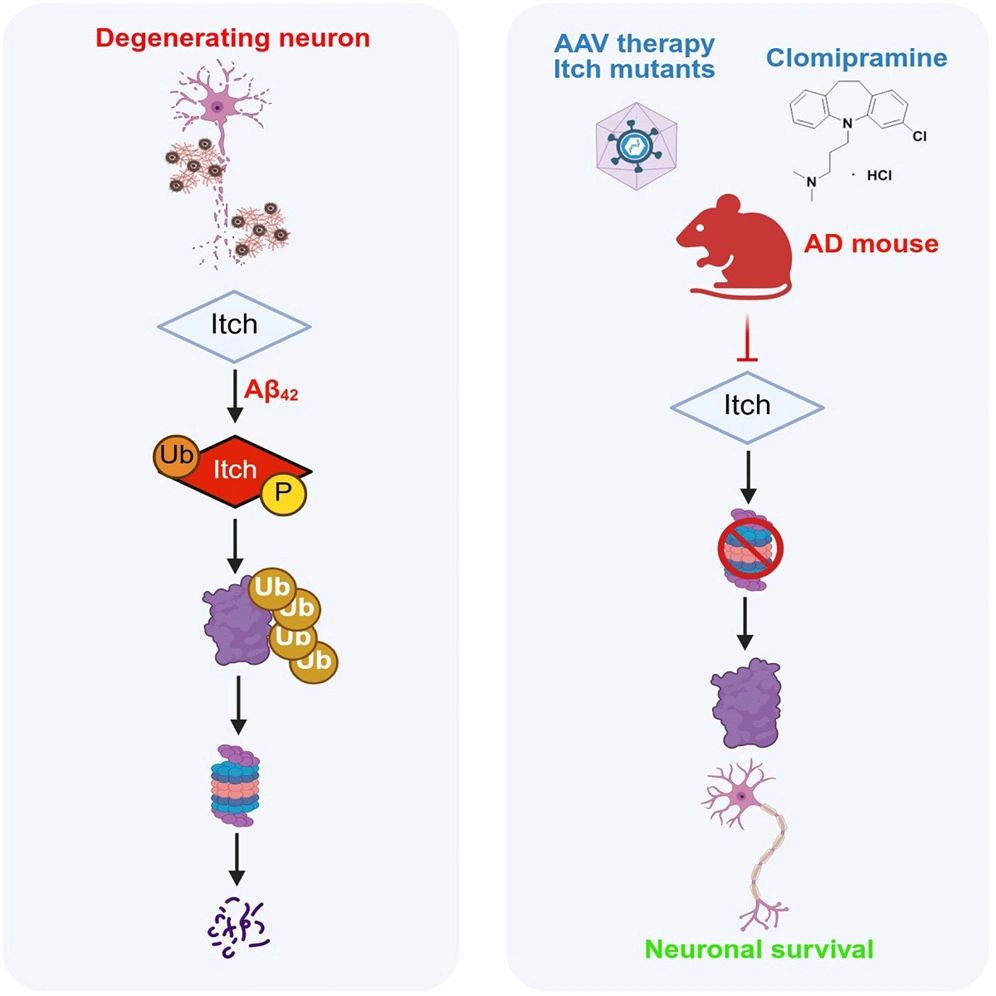
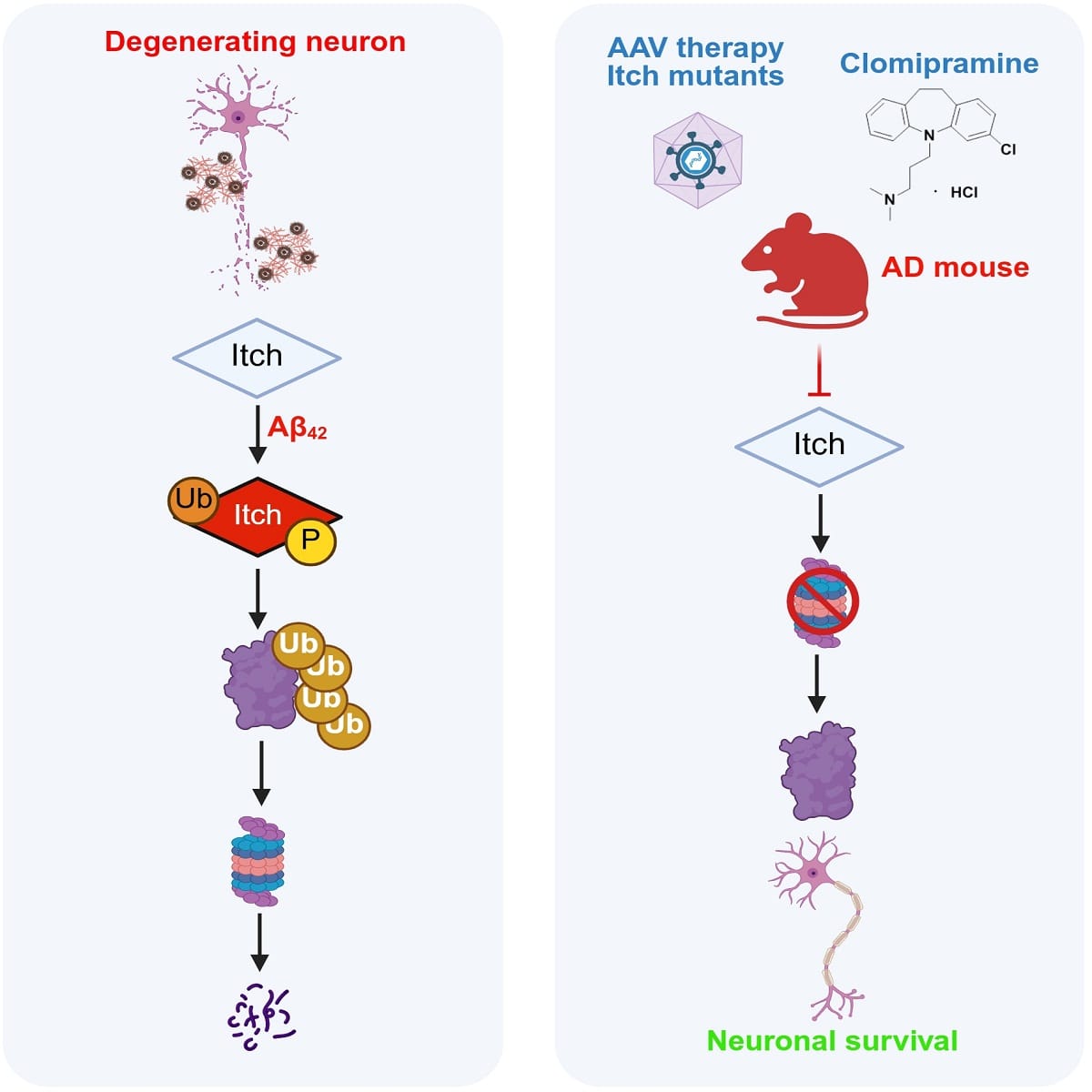
Dr Pushkar Sharma's group at BRIC–NII show that Clomipramine, by targeting the enzyme Itch, can reverse cognitive decline in a mouse model, unlocking new therapeutic potential from a familiar molecule.
✍️🔗https://t.co/8FA3mQfBDm
@iScience_CP
📰https://t.co/9IyBBPf5tI
@DBTIndia@BricDbt@DrJitendraSingh@rajesh_gokhale@PushkarTweeter
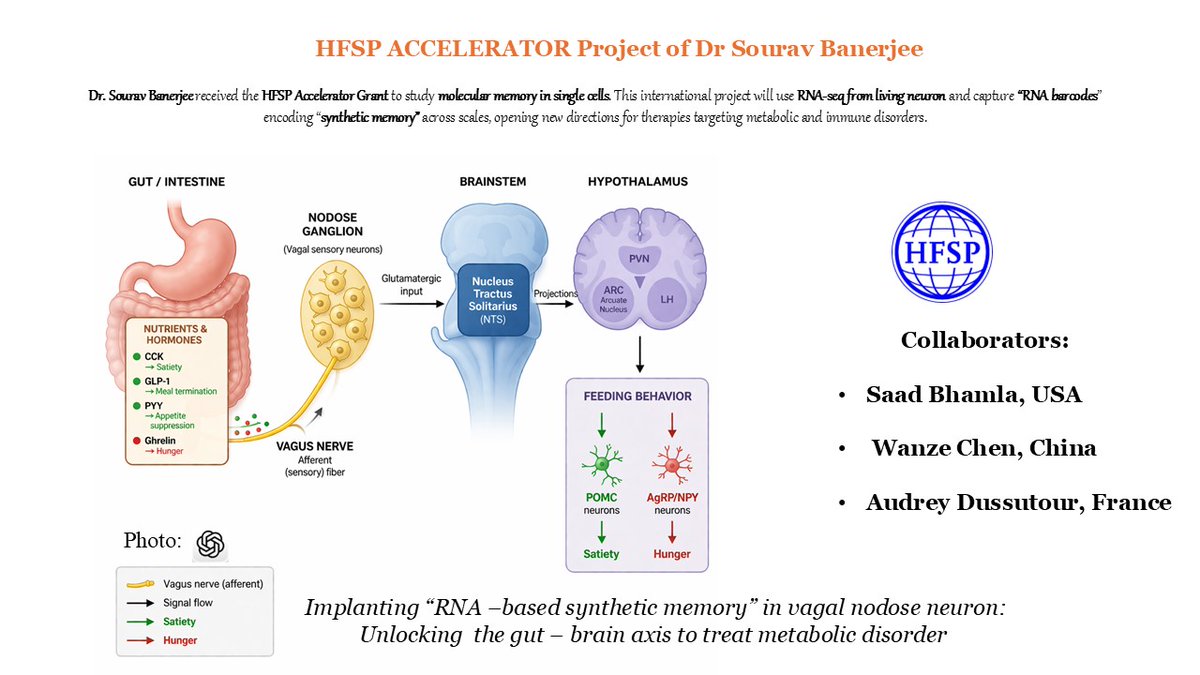
Proud to share that Dr. Sourav Banerjee from BRIC–NBRC received the HFSP Accelerator Grant to study molecular memory in single cells. This international project will use RNA-seq from living neuron and capture “RNA barcodes” encoding “synthetic memory” across scales, opening new directions for therapies targeting metabolic and immune disorders.
@HFSP@DrJitendraSingh@DBTIndia@BricDbt@rajesh_gokhale@DrSagarSengupta
#HFSP #Research #Biotechnology #SingleCell #RNAseq
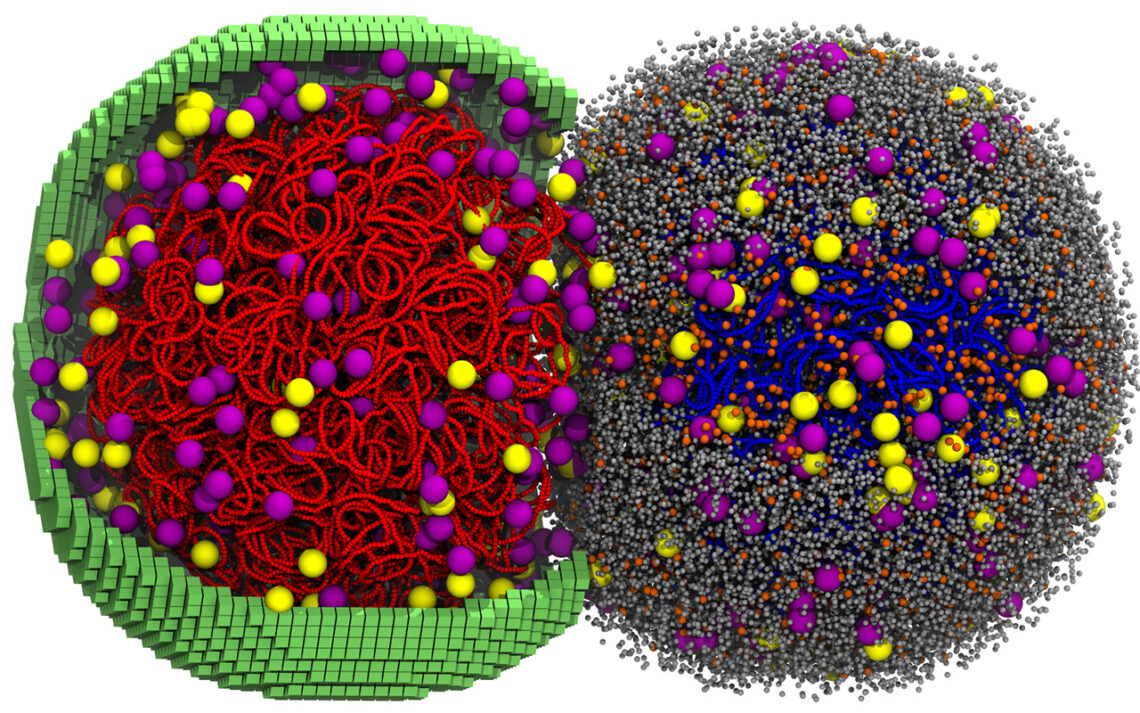
University of Illinois researchers led by chemistry Prof. Zan Luthey-Schulten simulated the entire life cycle of a minimal bacterial cell, tracking every gene, protein, RNA, and reaction at nanoscale resolution. ➡️https://t.co/brhizpRvMk
Advancing Hope in Alzheimer’s Research
A new study, now available online, identifies Ubiquitin ligase Itch as a promising novel therapeutic target for Alzheimer’s Disease (AD).
The research highlights that clomipramine—a clinically approved drug used for psychiatric disorders and known to inhibit Itch—was able to prevent cognitive decline and neurodegeneration in an AD mouse model. These findings open exciting possibilities for drug repurposing strategies in Alzheimer’s treatment.
In addition, the team demonstrated that adeno-associated virus (AAV)-based gene therapy delivering loss-of-function Itch mutants also led to significant cognitive improvement, further strengthening the therapeutic potential of targeting Itch.
This achievement reflects the exceptional dedication and scientific rigor of Dr. Monika Chauhan, Komal Singh, and the research team.
@NImmunology marked the occasion of National Science Day (28 February 2026) by celebrating their achievements under the inspiring theme:
“Women in Science: Catalysing Viksit Bharat.”
🔗 Read the pre-proof here: https://t.co/l5udTUagsB
#WomenInSTEM #Biotechnology #AlzheimersResearch #DrugRepurposing #ViksitBharat
@DrJitendraSingh@rajesh_gokhale@BricDbt@NABI_India@bric_ils@NIPGRsocial@FollowDbtNibmg@HydNiab@BRIC_CDFD@ICGEB@DBT_NCCS_Pune@DBT_inStem@DBT_NBRC@RGCB_Trivandrum@THSTIFaridabad@DBT_IBSD@ICGEBNewDelhi@unescorcb@BIRAC_2012
Decoding Cell Division in the Malaria Parasite
Understanding how the malaria parasite multiplies inside both the human host and the mosquito vector is critical to disrupting disease transmission.
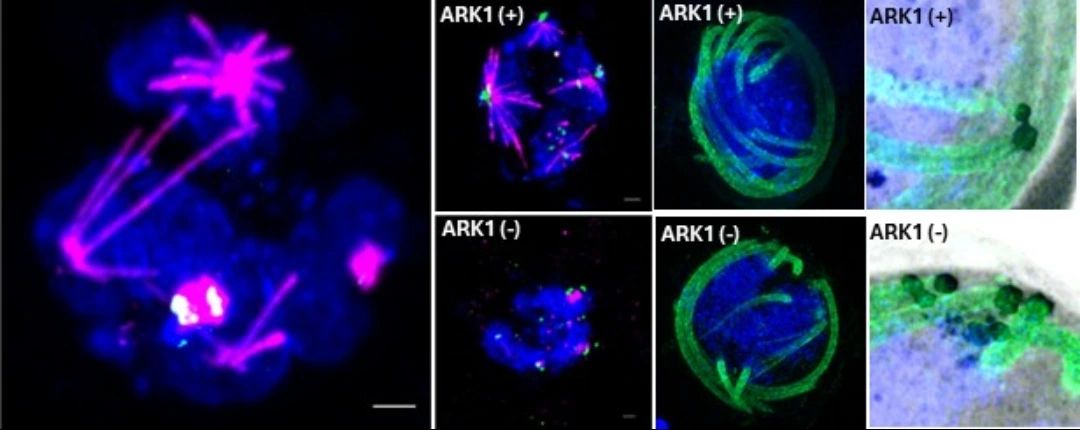
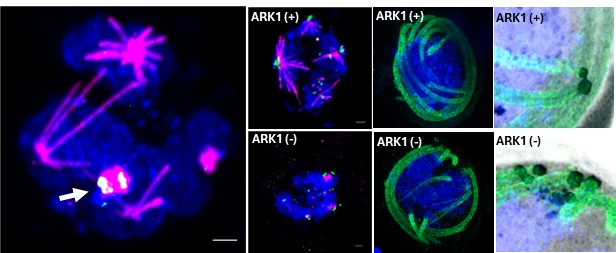
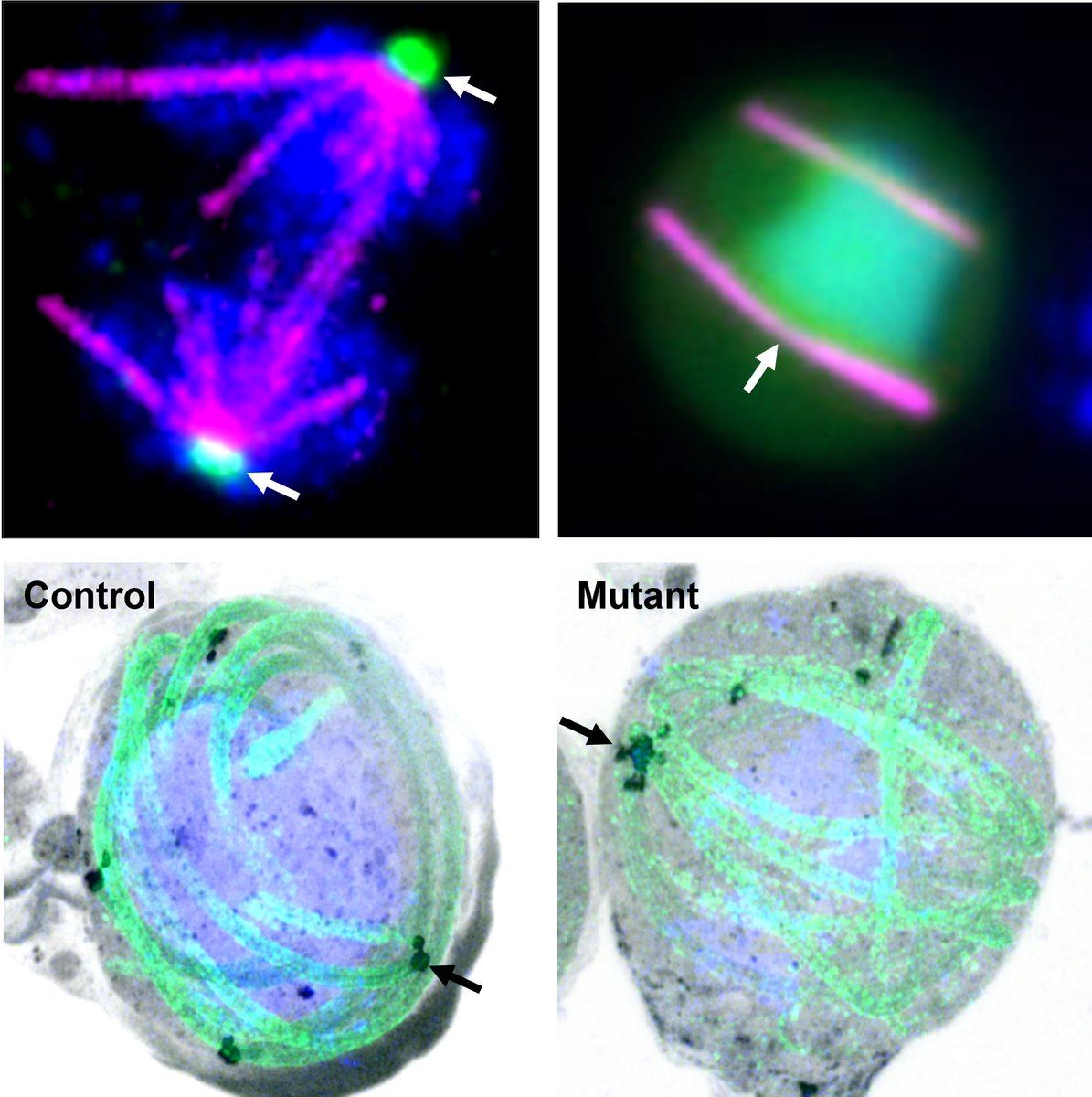
A recent study @NImmunology, uncovers the crucial role of Aurora Related Kinase 1 (ARK1) in regulating parasite cell division. The research demonstrates that ARK1 is specifically expressed during mitosis and plays a key role in spindle formation and nuclear division—both in human red blood cells (RBCs) and in the mosquito host.
These findings provide important insights into the unique and distinct division mechanisms of the malaria parasite across its life cycle stages.
This work reflects the dedicated efforts of Annu Nagar (PhD scholar) and collaborative contributions from Ryuji Yanase, Zeeshan, and the team of Rita Tewari (University of Nottingham), along with Eelco Tromer and Karine Le Roch.
The study was supported through a DBT/Wellcome Trust India Alliance Team Science Grant, highlighting the power of collaborative research in advancing fundamental discoveries.
📖 Read the full story in Nature Portfolio:
https://t.co/ZCgWnyuZnq
#MalariaResearch #CellDivision #Biotechnology #GlobalCollaboration
@DrJitendraSingh@rajesh_gokhale@BricDbt@NABI_India@bric_ils@NIPGRsocial@NImmunology@FollowDbtNibmg@HydNiab@BRIC_CDFD@DBT_NCCS_Pune@ICGEB@DBT_inStem@DBT_NBRC@RGCB_Trivandrum@THSTIFaridabad@DBT_IBSD@ICGEBNewDelhi@unescorcb@BIRAC_2012@India_Alliance
Monika @ChauhanMoni1 and Komal show that targeting Ub-ligase by psychiatric drug clomipramine or AAV improves Alzheimer's Disease-related cognitive decline in our recent paper.
@NImmunology@iScience_CP@DBTIndia@BricDbt
Read more here in pre-proof
https://t.co/aUPO2b95VX
Great effort by student Annu Nagar and collaborations with group of Rita Tewari to unravel the role of kinase ARK1 in the division of malaria parasite in human and vector host! Thanks Eelco Tromer for bionformatics! & @India_Alliance for a Team Grant
https://t.co/FF4BROhQfp
This was truly a fantastic team effort. A very special thanks to @RitaTewari, @PushkarTweeter, @EelcoTromer, and the brilliant PhD student Annu Nagar for making this happen. So proud to have our great collaboration published by @NatureComms.
https://t.co/g9ESnJSQIx
This was truly a fantastic team effort. A very special thanks to @RitaTewari, @PushkarTweeter, @EelcoTromer, and the brilliant PhD student Annu Nagar for making this happen. So proud to have our great collaboration published by @NatureComms.
https://t.co/g9ESnJSQIx
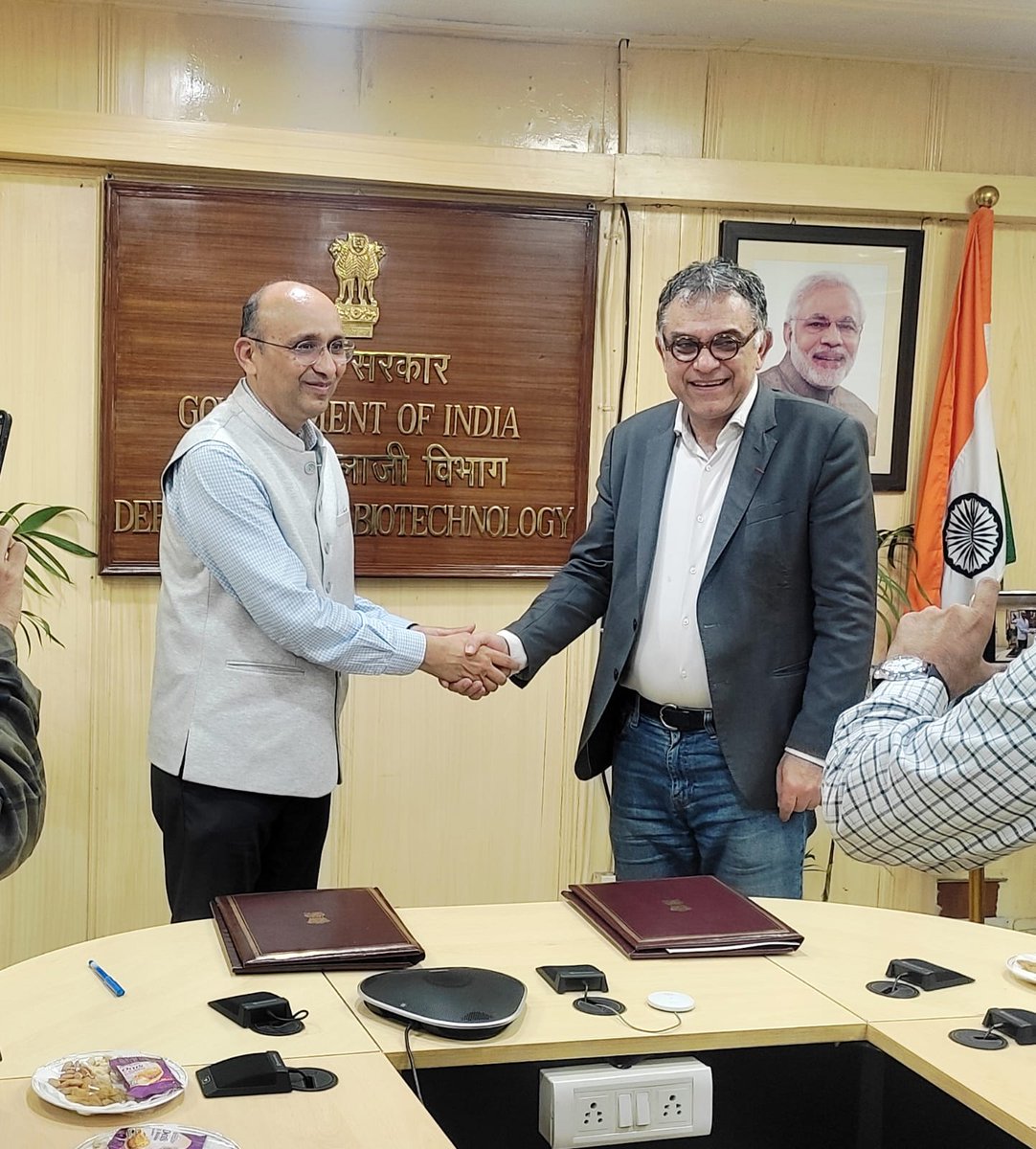
Great to be part of this important moment in Indo- French research collaborations, which will bring together scientists from the two countries to understand and tackle challenging infectious diseases @CNRS@Inserm_EN@agenceANRS@NImmunology