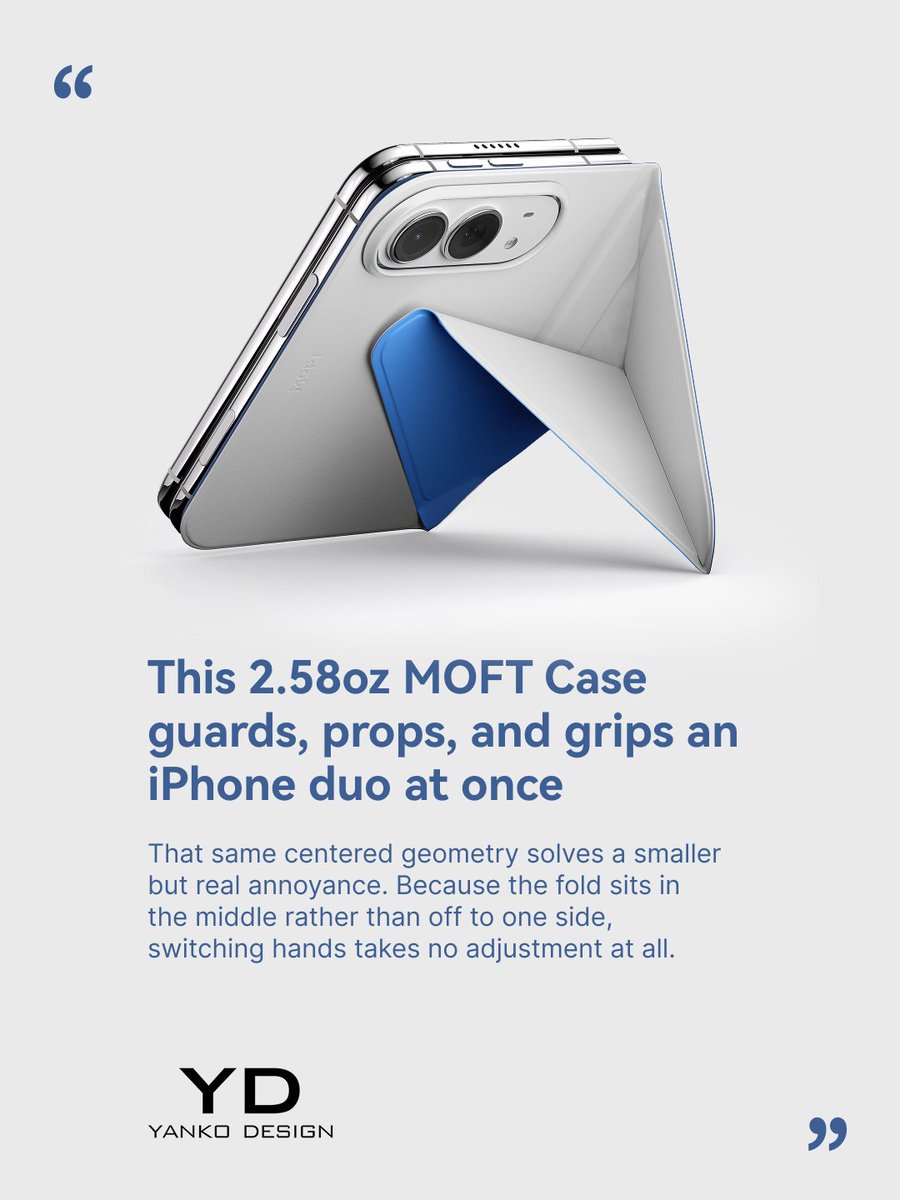
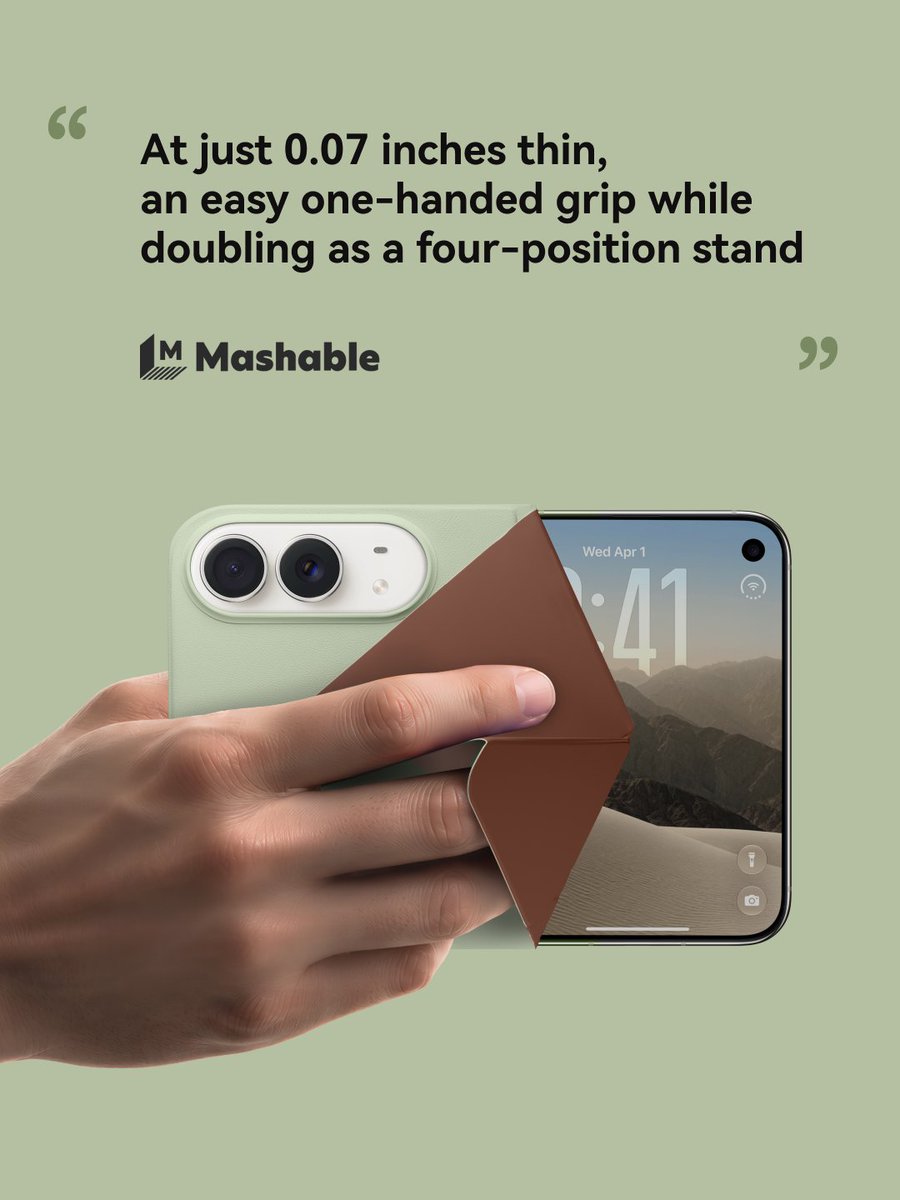
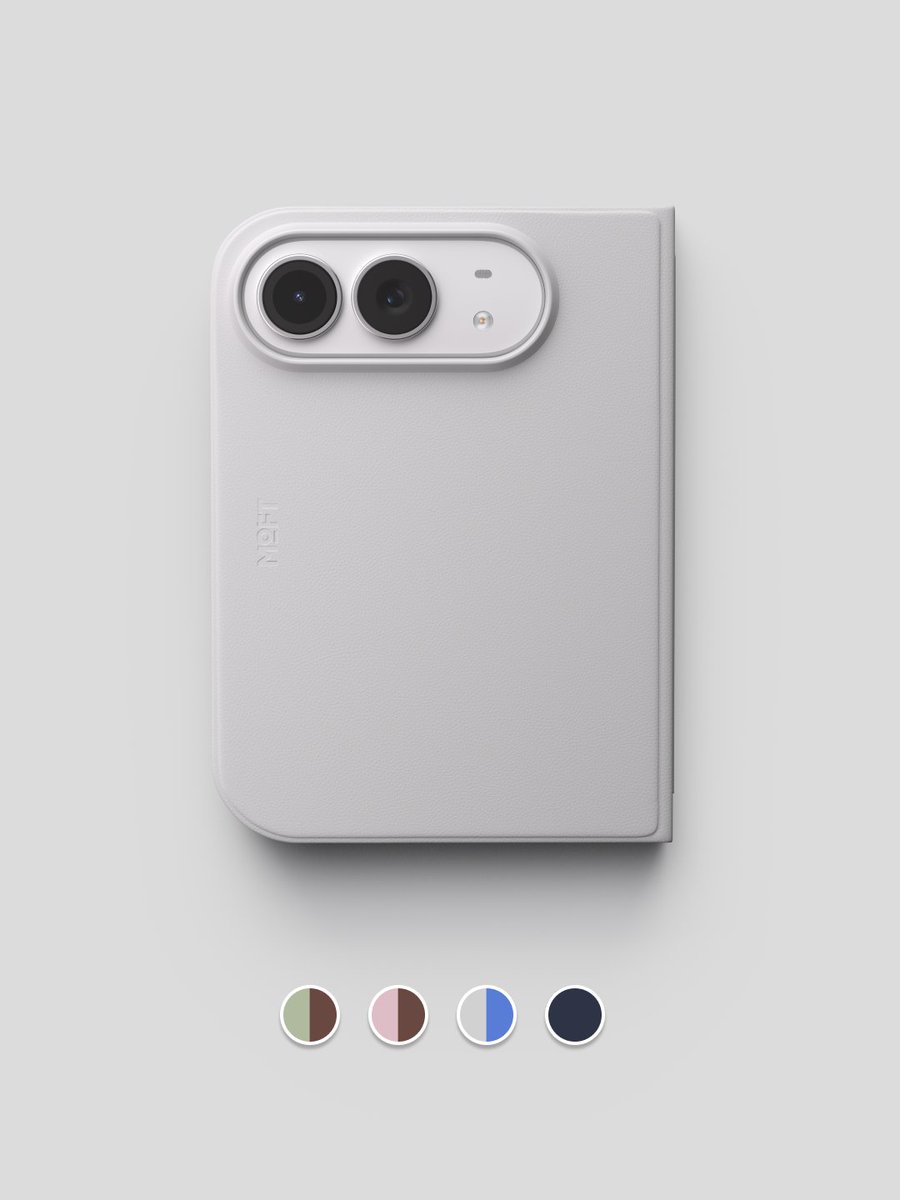
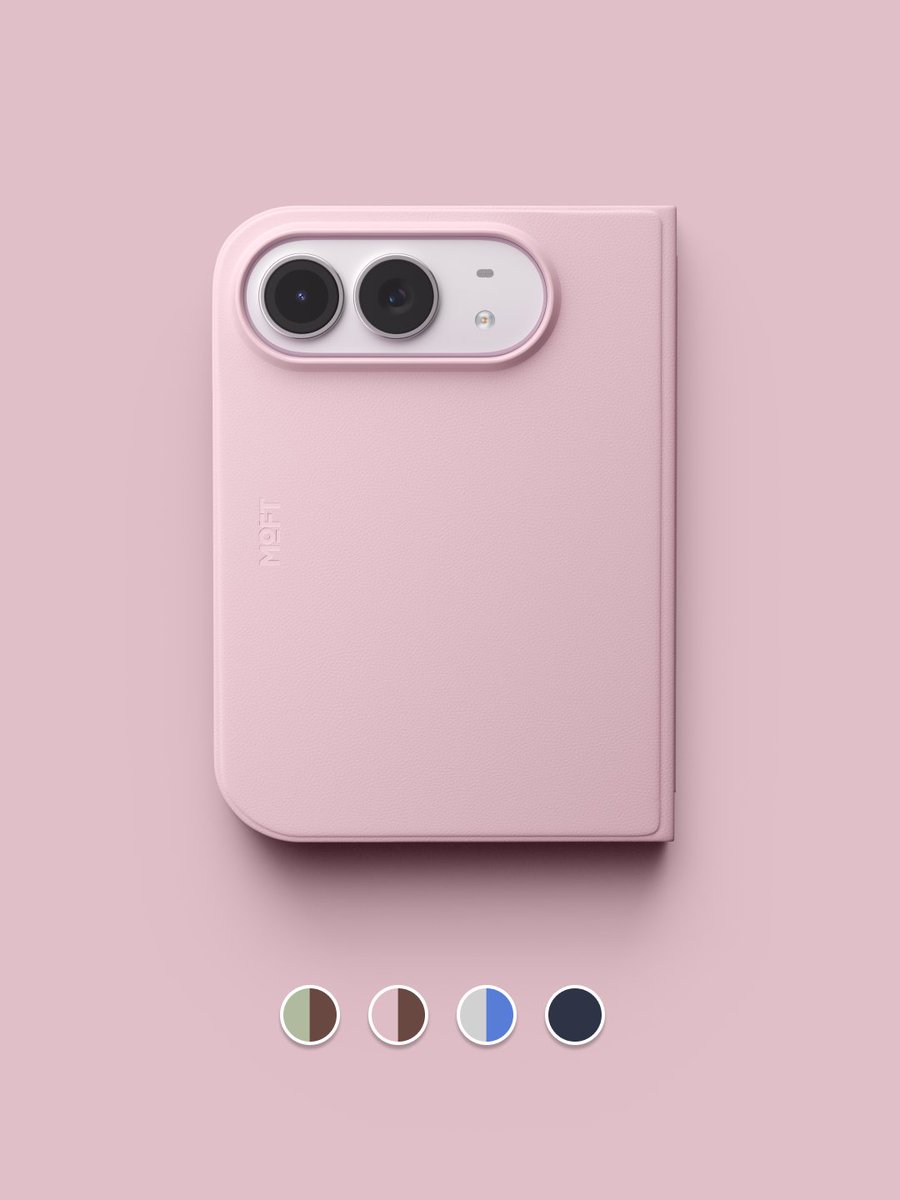
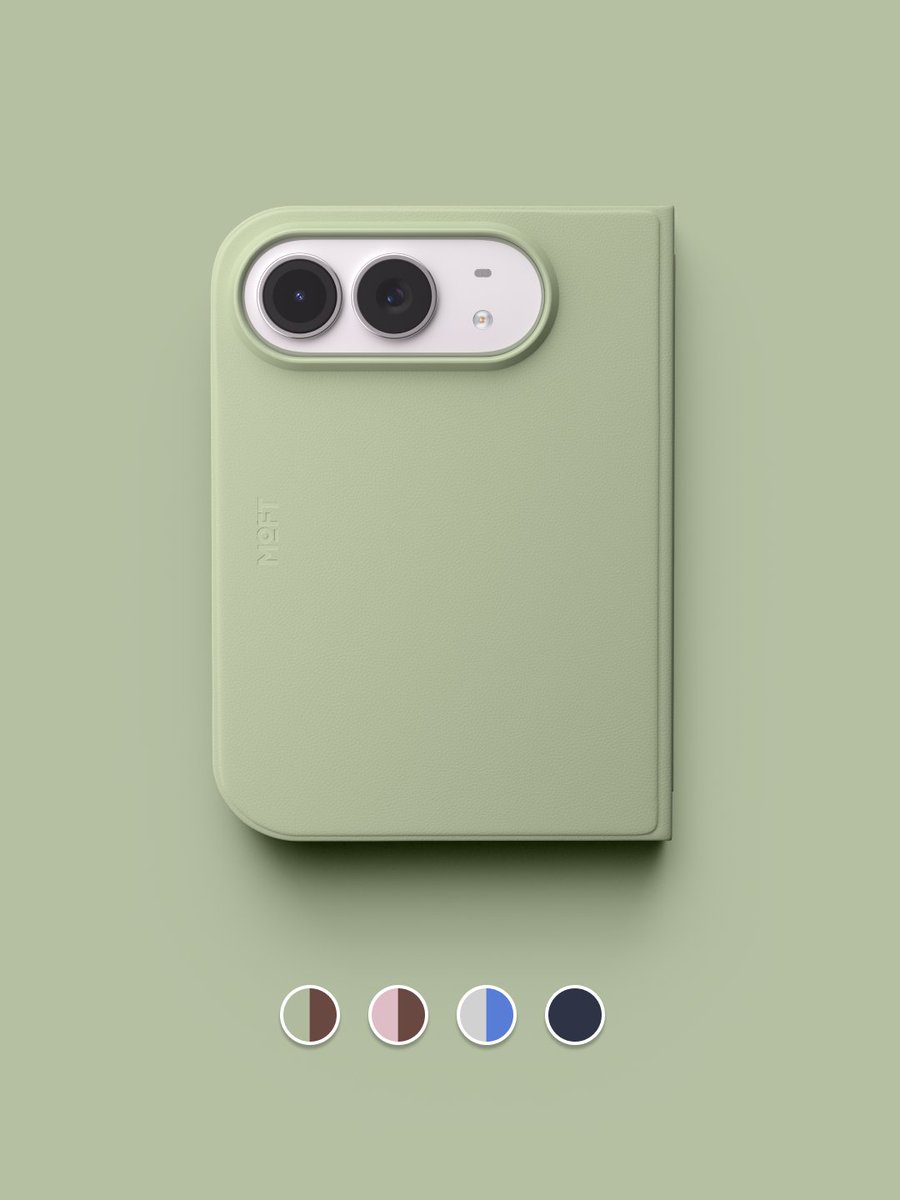
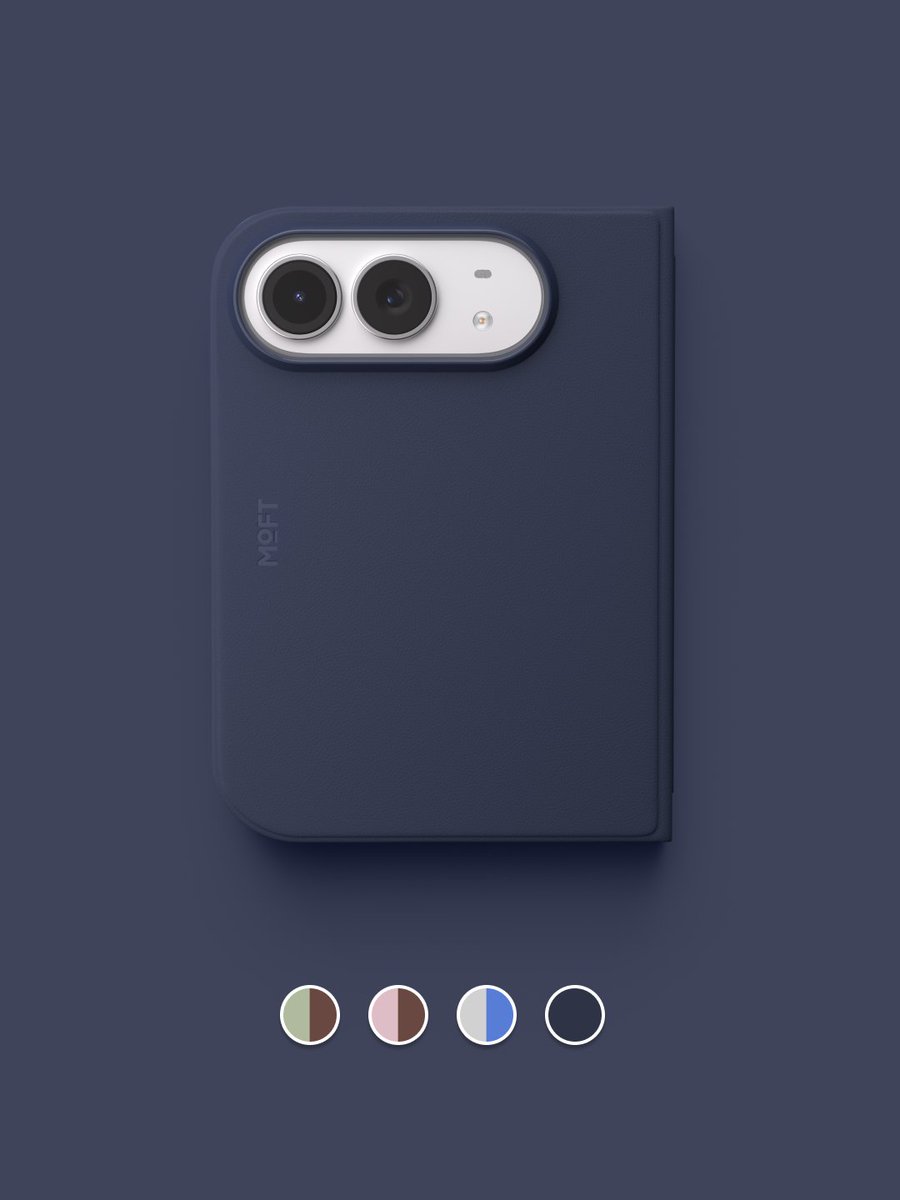
“At just 0.07 inches thin, it offers an easy one-handed grip while doubling as a four-position stand.” — @mashable
We’re honored to be featured. ✨
Thanks for the shoutout, @mashable & @yankodesign_official!
25 days left until iPhone Duo Pre-order 👀
iPhone Duo will solve my biggest problem where I don’t need to buy an iPad when the device literally folds and fits into the pocket. This is where Foldable shines 🥹
iPhone Duo Pre-order to begin on October 16th and it will be available on October 23rd
🇺🇸 | El 11 de septiembre de 2001, Stanley Praimnath, un ejecutivo guyanés de Fuji Bank, trabajaba en el piso 81 de la Torre Sur del World Trade Center. Tres pisos más arriba, en el 84, Brian Clark, un ejecutivo de Euro Brokers y voluntario de seguridad contra incendios, estaba en su oficina. No se conocían. Ambos estaban dentro de la zona que atravesaría el vuelo 175 de United Airlines.
Poco después de las 8:46, Praimnath vio bolas de fuego caer desde la Torre Norte. Pensando que algo grave había ocurrido, decidió evacuar la Torre Sur junto a varios compañeros. Bajó en ascensor hasta el lobby junto a ellos. Cuando estaban a punto de salir, un guardia de seguridad los detuvo y les dijo que la Torre Sur estaba segura y que regresaran a sus oficinas. Praimnath volvió a subir en ascensor hasta el piso 81. Allí, mientras hablaba por teléfono con una mujer de Chicago que también le decía que saliera, miró hacia la Estatua de la Libertad. Entonces vio un enorme avión gris acercándose directamente hacia él. Años después describiría aquella escena así: «Estaba a la altura de mis ojos. Era como si hubiera contacto visual». Alcanzó a distinguir la «U» de United en la cola. Praimnath soltó el teléfono y se lanzó debajo de su escritorio. El vuelo 175 atravesó la Torre Sur entre los pisos 77 y 85. La punta del ala llegó hasta la zona del piso 81 y el impacto destrozó la oficina de Praimnath, dejándolo atrapado bajo los escombros.
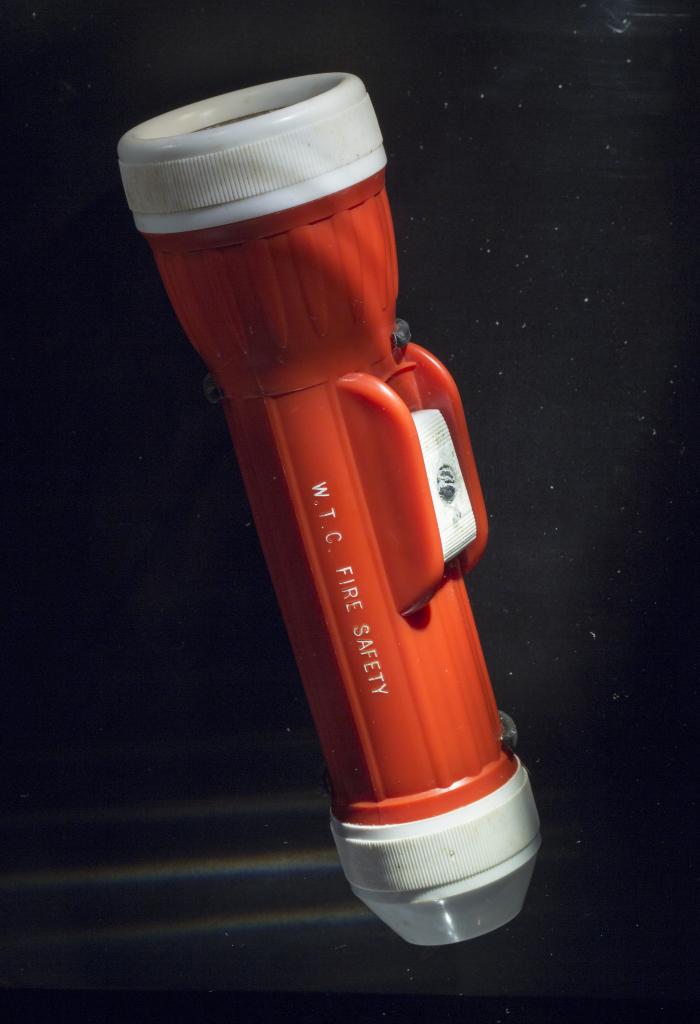
Tres pisos más arriba, el impacto también había destrozado la oficina de Clark. Cuando pudo levantarse, tomó la linterna que llevaba como voluntario de seguridad contra incendios y comenzó a bajar por la escalera A junto a seis compañeros. Al llegar al piso 81, se encontraron con una mujer que venía subiendo. Les advirtió que había demasiado humo y fuego en los pisos inferiores y que debían seguir subiendo para alejarse de las llamas. El grupo comenzó a debatir qué hacer. Clark escuchó entonces golpes y una voz que pedía ayuda dentro del piso 81. Agarró a su compañero Ron DiFrancesco y ambos entraron en el piso oscuro. Mientras se internaban entre los escombros, Clark vio que sus compañeros comenzaban a subir por la escalera. Ron avanzó con él durante unos instantes, pero el humo terminó obligándolo a regresar a la escalera. Clark continuó solo en busca de la voz. No había electricidad y el humo llenaba el lugar. La luz de su linterna avanzó entre los escombros hasta encontrar a un hombre atrapado.
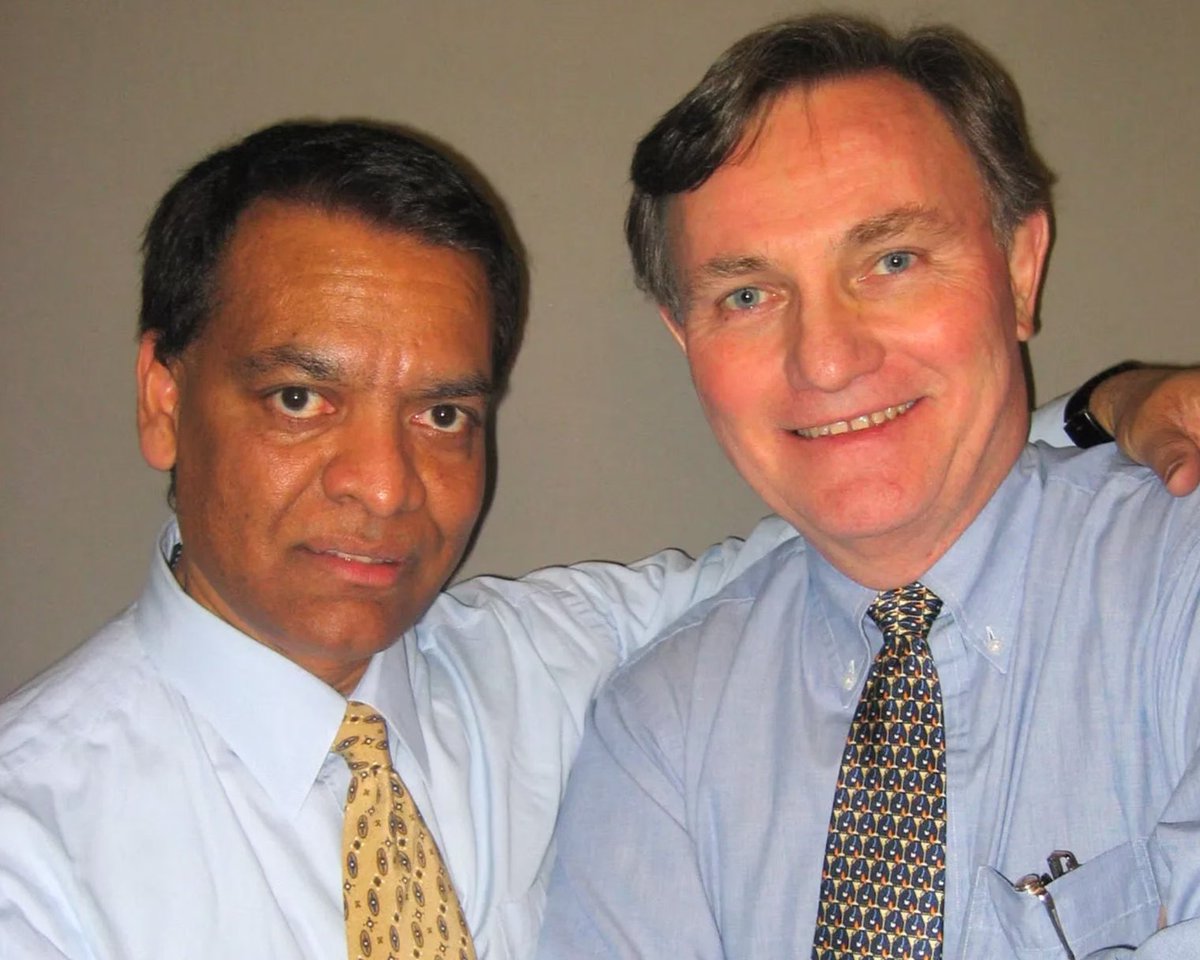
Era Praimnath. Había conseguido arrastrarse por el piso destruido, pero un muro de yeso le impedía llegar hasta la escalera. Clark le pidió que golpeara la pared para saber dónde estaba. Luego encontró un escritorio volcado, se subió encima y le pidió a Praimnath que trepara por encima de la pared. Praimnath saltó. Clark consiguió sujetarlo y tiró de él hasta sacarlo. Los dos cayeron juntos entre los escombros. Praimnath abrazó al hombre que acababa de salvarle la vida y lo besó en la mejilla. Entonces se presentaron. «Soy Brian». «Soy Stanley. Seremos hermanos de por vida». Clark le contó que siempre había querido tener un hermano. En ese momento se fijó en que ambos tenían heridas en las manos. Clark juntó sus manos heridas y dijo: «De hecho, seremos hermanos de sangre». Después puso un brazo alrededor de los hombros de Praimnath y le dijo: «Vamos, amigo. Vámonos a casa».
Y comenzaron a bajar por la escalera A. El camino estaba oscuro, lleno de humo, agua y escombros. Clark avanzaba con su pequeña linterna mientras Praimnath, herido y cubierto de polvo, descendía piso tras piso. En algunos niveles podían ver las llamas al otro lado de las paredes. Bajaron unos 1.620 escalones hasta llegar al vestíbulo y finalmente salir del edificio. Cuando alcanzaron el exterior, faltaban apenas unos minutos para que la Torre Sur colapsara.
Stanley Praimnath y Brian Clark habían llegado aquella mañana al World Trade Center como dos desconocidos. El 11 de septiembre los convirtió en hermanos de sangre. Después de salir de la zona del World Trade Center, ambos se refugiaron durante unos 45 minutos en un edificio de Broadway. Allí tuvieron tiempo de conocerse un poco mejor. Praimnath le entregó a Clark una tarjeta de presentación. Clark la guardó en el bolsillo.
Después salieron nuevamente a la calle y, en medio de la multitud, se separaron. Clark buscó a Stanley, pero no podía encontrarlo. Durante unos instantes llegó a preguntarse si aquel hombre al que acababa de conocer había sido real. Entonces recordó la tarjeta que llevaba en el bolsillo. La sacó y comprobó que Stanley realmente existía. Con el tiempo volvieron a encontrarse y mantuvieron una amistad que continúa 25 años después. Clark asistió a las bodas de las hijas de Stanley, y los hijos de Stanley llaman a Brian «tío Brian». Siguen considerándose hermanos.
Los compañeros de Clark que habían decidido subir aquella mañana no sobrevivieron al derrumbe de la Torre Sur.
Un año después de los atentados, Brian Clark le entregó a Praimnath la pequeña linterna que había utilizado para encontrarlo entre los escombros. Hoy forma parte de la colección del 9/11 Memorial Museum.
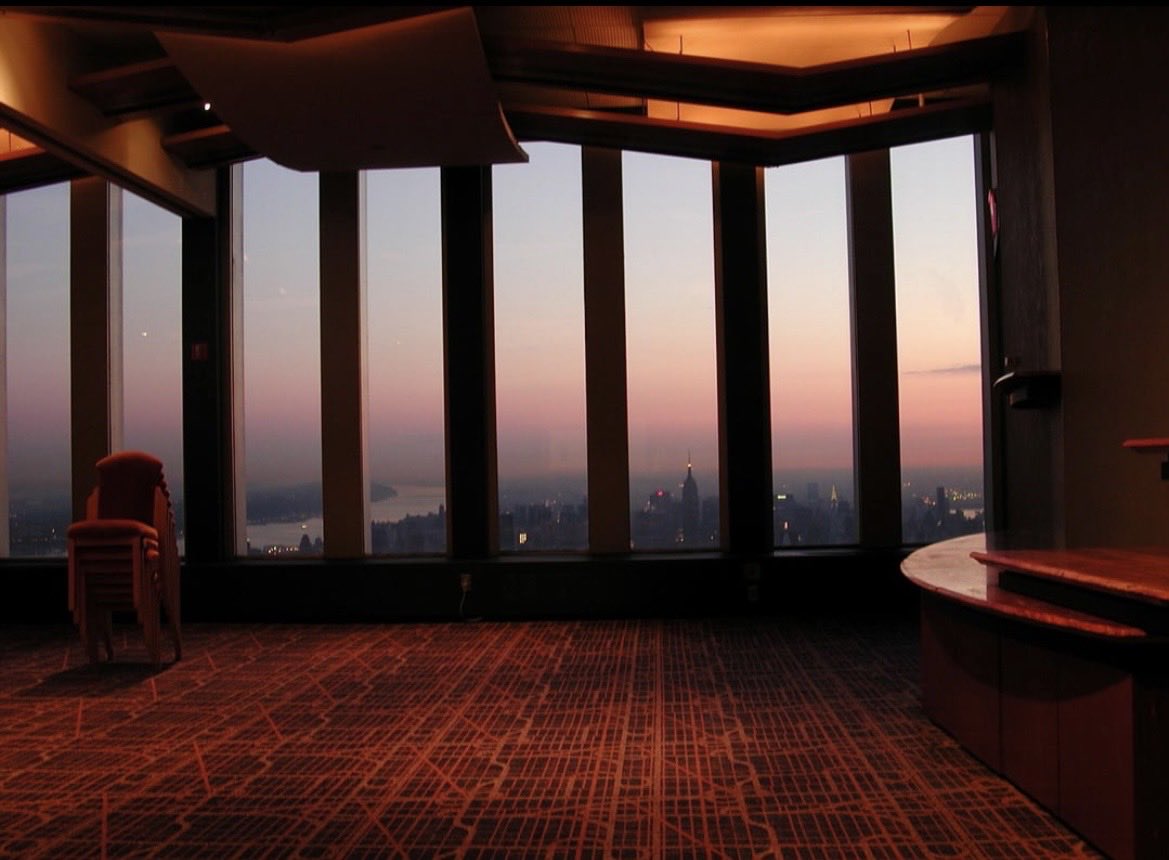
Konstantin Petrov worked the overnight shift as an electrician at Windows on the World in the North Tower.
Because the complex was mostly empty at night, he wandered with a camera and photographed stairwells, kitchens, offices, rooftops, and quiet corners of the Trade Center that few people ever documented.
His shift ended shortly before 9/11 began, and he made it out.
Petrov died in a motorcycle crash the following year. His photos became an incredibly rare record of the World Trade Center just before it disappeared.
FSD Supervised v14.3.9 starting to roll out shortly
This release includes a new active safety feature set: FSD Supervised can now activate on your behalf when an imminent collision is detected and Automatic Emergency Braking (AEB) may not be enough.
It may also engage if we detect you’re heavily distracted or have accidentally disengaged FSD
Tim Cook on the legacy of Steve Jobs at Apple.
"He is deep in Apple's DNA. His spirit will always be the foundation of the company.
I literally think about him every day.
His office is still left as it was. His name is still on the door.
If you think about the things that Steve stood for at a macro level, he stood for innovation.
He stood for the simple, not the complex.
He knew that Apple should only enter areas where we can control the primary technology.
All of these things are still deep in our company. They are still things that we very much believe.
That strive for perfection, for being the best, for only doing the best products."
Here is Tim Cook’s official farewell address on Apple Park to employees on his last day as Apple CEO. 😢
You can clearly see how touched, sad, and nervous he is. Thank you, Tim. ❤️🥺
She knew she wasn’t coming home. And she chose to be a witness anyway.
On the morning of September 11, 2001, 35-year-old Madeline "Amy" Sweeney was working aboard American Airlines Flight 11. Minutes after takeoff, terror took the cabin. The cockpit went dark. Crew members were slashed. A passenger was stabbed. The pilots were gone.
In a situation where human instinct screams to panic, Madeline picked up an Airfone.
She dialed ground control. When supervisor Michael Woodward answered, he didn’t hear hysteria. He heard a calm, quiet, razor-sharp voice relaying reality through the dark.
Methodically. Relentlessly.
She gave the seat numbers of the hijackers. She described their faces. She detailed the injuries in the cabin. She gave investigators the precise identities of the men steering them toward catastrophe—including Mohamed Atta.
She could not overpower the hijackers. She could not force the cockpit door open. She could not steer the Boeing 767 back toward the sky.
So she did the only impossible thing left: she made sure they wouldn’t get away with doing it in secret.
As the plane banked sharply and descended over the Manhattan skyline, she stayed on the line. Reporting what she saw. Giving the world the truth, second by second, until 8:46 a.m.
Madeline left behind a husband and two babies—four-year-old Jack and seven-year-old Anna. She spent the final minutes of her life trapped in an airborne nightmare, staring down certain death, and weaponizing her courage so history would have an answer.
True bravery isn't the absence of terror. It is looking into the abyss, refusing to break, and doing your duty until the very last breath.
Remember her name. Madeline Amy Sweeney.
Wow, this is huge. Tesla is introducing a new active safety feature called Automatic Collision Evasion.
We know Full Self-Driving is great at avoiding accidents, but that's only when it's on. This new feature, when enabled, will allow the vehicle to enable FSD itself when necessary to avoid a collision.
Now, instead of just applying Automatic Emergency Braking to stop the vehicle, the vehicle will be able to steer to avoid a crash as well. Great to see.
Interestingly, the accelerator pedal, brake pedal, and steering will be muted while the evasive maneuver is in progress.
Not a Tesla App reports that the feature will only be available to users who paid for FSD. Not sure if that's true, but if it is I would encourage Tesla to make it available to all Tesla owners if possible. Safety at Tesla always comes standard, not behind a paywall.