Anthropic acaba de publicar que el Gobierno de Estados Unidos le obligó a suspender el acceso a sus modelos Fable 5 y Mythos 5 para cualquier extranjero, incluso empleados extranjeros de Anthropic dentro de la propia empresa. Si esto se confirma tal como lo describe Anthropic, es una señal enorme para Europa. Durante años Bruselas confundió poder tecnológico con regular la tecnología de otros. Pero el poder de verdad es poder fabricar chips, comprar energía barata, entrenar modelos, atraer ingenieros y decidir quién puede usar la herramienta. La IA ya no es solo software. Es infraestructura crítica, como electricidad, telecomunicaciones o satélites. Un hospital, un banco, una fábrica o un ejército que depende por completo de modelos que otro país puede apagar con una orden administrativa no es autónomo. Europa no necesita otro documento grandilocuente sobre soberanía digital. Necesita capital, energía, centros de datos, universidades más conectadas con empresas y menos miedo al éxito privado. Regular sin construir es una forma elegante de aceptar dependencia.
@martinvars Continuamos bailando al son que nos marcan. Hablaremos de soberanía tecnológica cuando la noticia sea que Europa restringe el acceso a EEUU y China a sus activos tecnológicos.
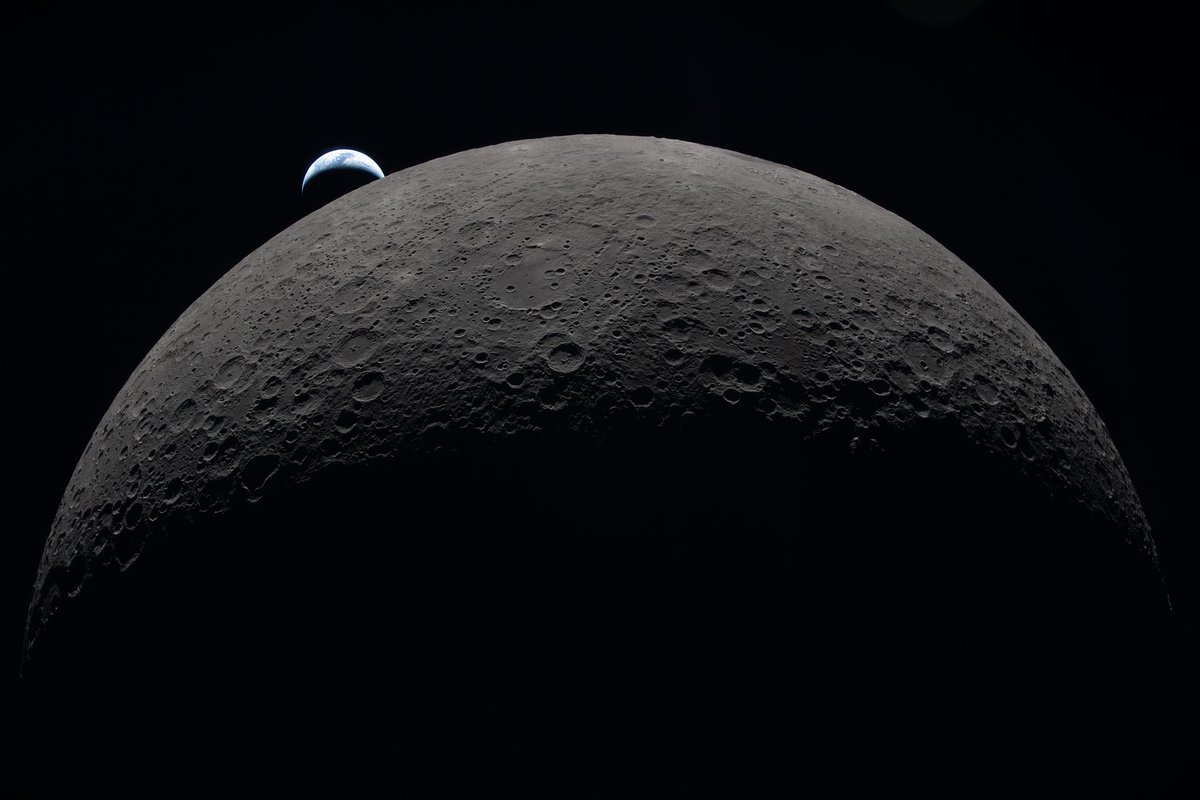
What the Artemis II astronauts did over the last 10 days was a testament to their bravery. And the fact that they traveled farther from Earth than anyone ever has, re-entered our atmosphere at more than 24,000 mph, and splashed down safely was a testament to human ingenuity. Thanks to everyone at @NASA for making this mission possible, and for taking us along for the ride.
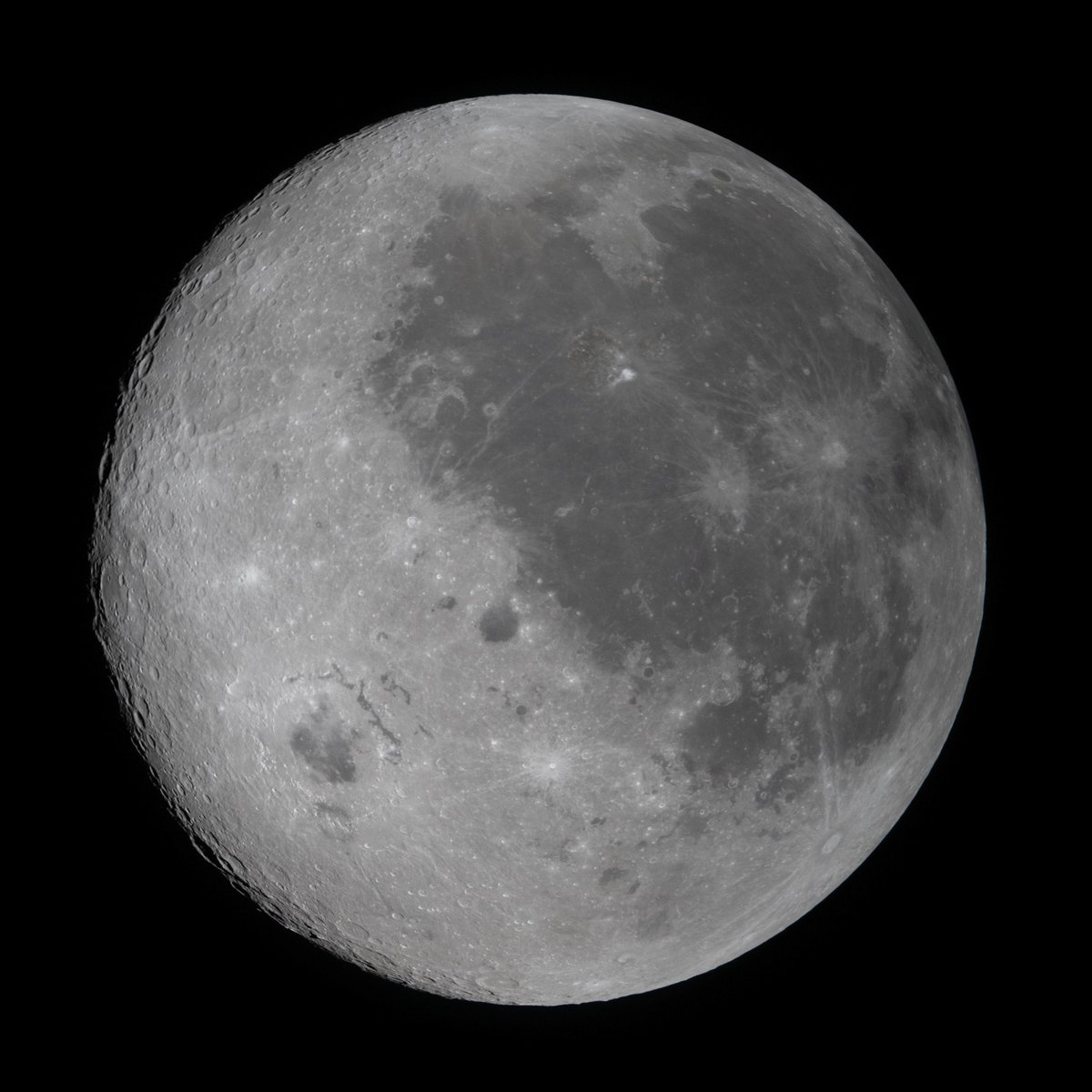
Left: photo I took of the moon with a 1200mm lens two nights ago
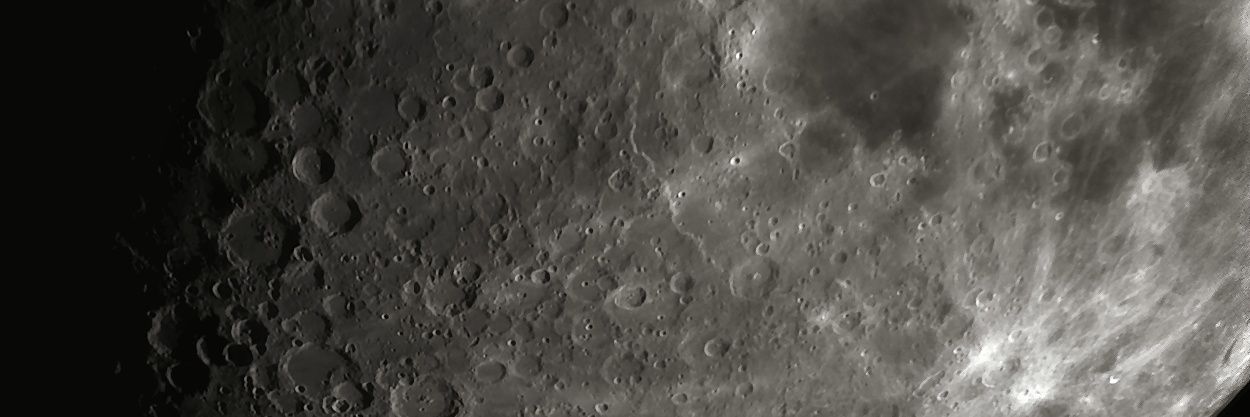
Right: photo captured by the Artemis II crew with a 400mm lens through the windows of Orion *this morning*
The crew's view of the Orientale basin is remarkable - we can't see most of it here on Earth!
But it's also kind of alarming(?!) to see the moon FILLING THE FRAME at only 400mm... guess that tends to happen when you're only 32,000 miles away compared to us being around 238,000 miles away on average 🤣
Absolutely FROTHING for what they're able to capture during their closest approach this evening!!!
NSF Live Coverage: https://t.co/HEFUSpTRHE
@anibal@BCTeglez No, Mark. Tus amigos no perdieron. Muchos de ellos se dieron cuenta de que no era buena idea compartir con medio mundo (incluídos tus anunciantes) las fotos de su boda. Tan simple como eso.
🚨 Hoy vivimos un día HISTÓRICO con #ArtemisII. Estos son los hitos clave del sobrevuelo lunar. Horario CEST
📍 19:56 – Superan el récord de distancia del Apolo 13.
📍 20:45 – Comienza el periodo de observación lunar.
📍 00:47 – Pérdida de señal al pasar tras la Luna.
📍 01:02 – Máximo acercamiento a la Luna.
📍 01:05 – Punto más alejado de la Tierra en la historia.
La humanidad vuelve a las inmediaciones de la Luna por primera vez en más de 50 años. ¡No nos lo podemos perder! 🚀🌕 #NASA #ExploraciónEspacial #Orion
Liftoff.
The Artemis II mission launched from @NASAKennedy at 6:35pm ET (2235 UTC), propelling four astronauts on a journey around the Moon.
Artemis II will pave the way for future Moon landings, as well as the next giant leap — astronauts on Mars.
@Hesamation Looks like this is a Python port. I saw some of the Typescript versions earlier on GitHub as well. Anyways, super interesting. I tried to summarize some of the tidbits
https://t.co/cGLQV1bpzo
@Drcycle143@Rainmaker1973 That's not true. Neither is Voyager 1 traveling in that direction, nor its speed would allow it to reach Proxima Centauri in that time.
Voyager 1 is reaching 1 light-day of distance after 50 years of journey. Proxima is 1540 light-days away.