1/ 🚨 Our new paper is online in @Nature !
As its first author, I’m enthusiastic to finally share it with you all!🎉
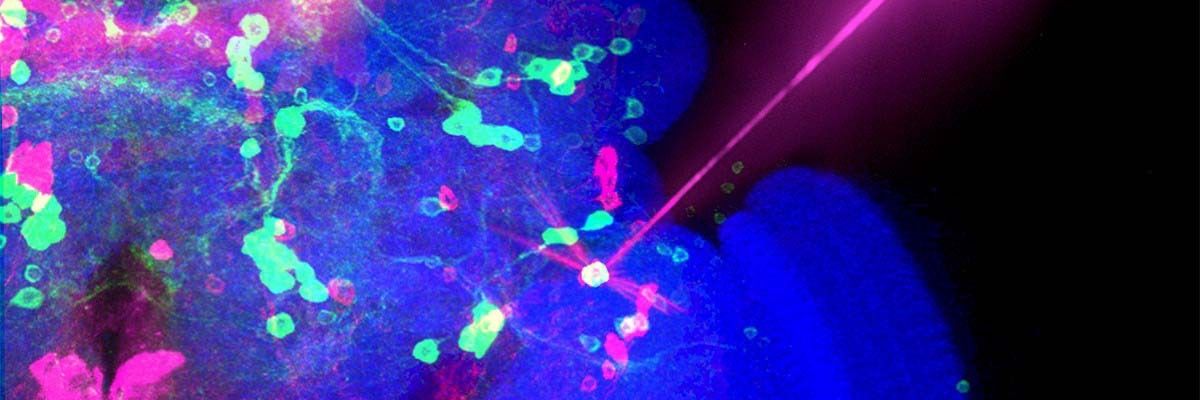
🧠 We discovered a mechanistic link between cellular energy metabolism and the control of the need to sleep 💤
👉 https://t.co/eBUKpM3zJa
@OxfordDPAG 🧵👇
Memories can survive even after the brain temporarily loses more than half of its synaptic connections, according to a new mouse study in Science, which challenges the long-held view that long-term memories depend on stable individual synapses.
Learn more: https://t.co/6PbiaMd1F8
Our preprint has been substantially revised!
Associative spine enlargement is not just for long-term memory formation —it is rapid (can occur within seconds!) and contributes to ongoing functional cortical coupling, cognitive function, and wakefulness.
https://t.co/a8ax5L545Z
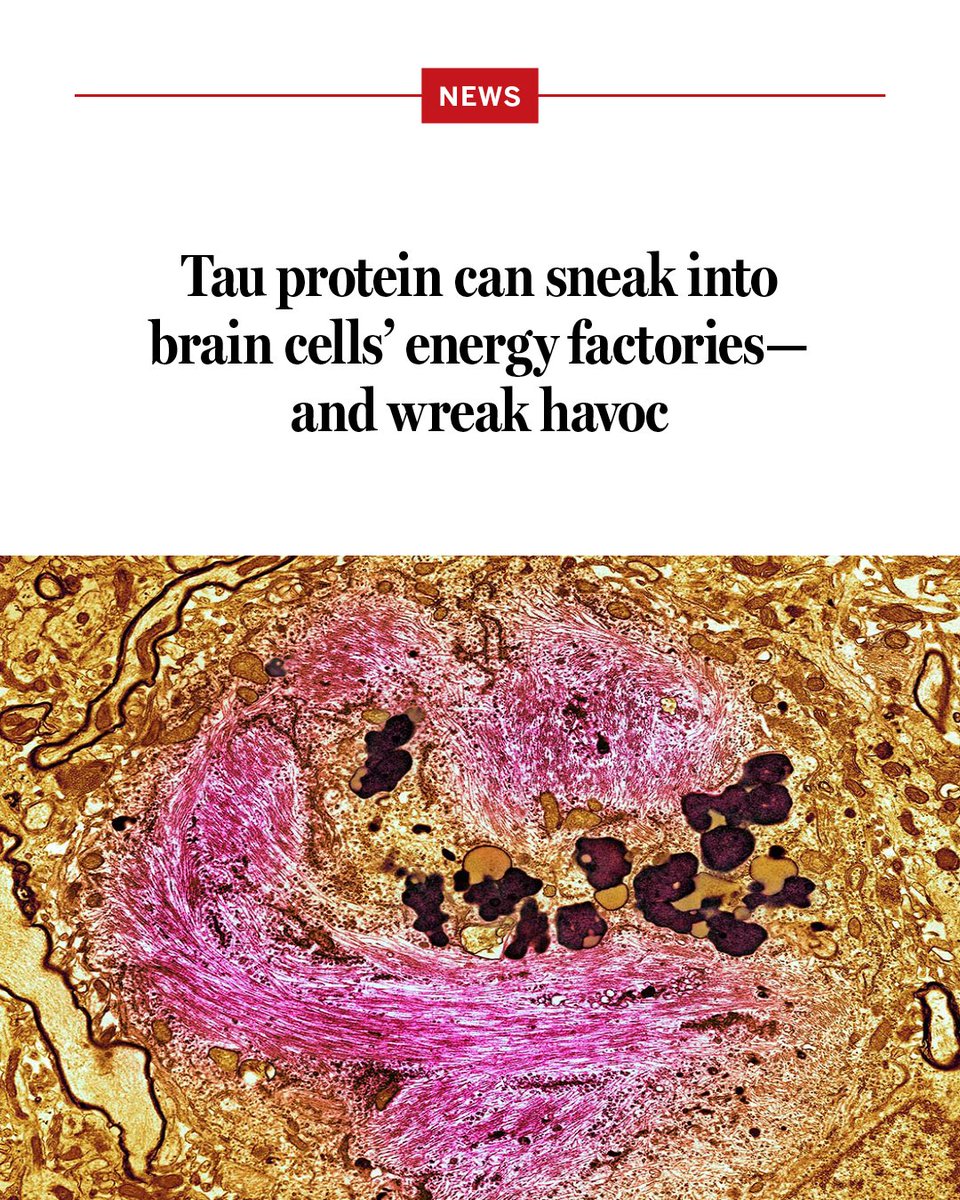
The protein tau is best known for its potential to clog the brain. In neurodegenerative conditions including Alzheimer’s disease, chains of the molecule twist into tangles inside neurons and choke out the cells.
But a new study suggests tau may play an earlier and more fundamental role in neurodegeneration: sneaking into the cell’s power-generating mitochondria—the cell’s power generators—and interfering with aging neurons’ energy production.
If this process gets out of control, it creates tangle-prone forms of tau and other toxic byproducts that damage neurons, long before a person’s cognitive symptoms start.
Learn more: https://t.co/2Vaa2RuNnS
Great to present our work at Japan Neuro2026 in Kobe and connect with so many brilliant (sleep) neuroscientists. Thanks @shi_shoi@LBKrone@alfonsahannah for arranging/hosting this.
Hannah (@alfonsahannah) and I are co-organizing a sleep symposium at NEURO2026@Kobe on July 30, 2026, 14:50–16:50.
Sleep research is entering a decisive era, where long-standing mysteries may begin to yield—and our speakers may carry key pieces of the answer.
Don’t miss it!!
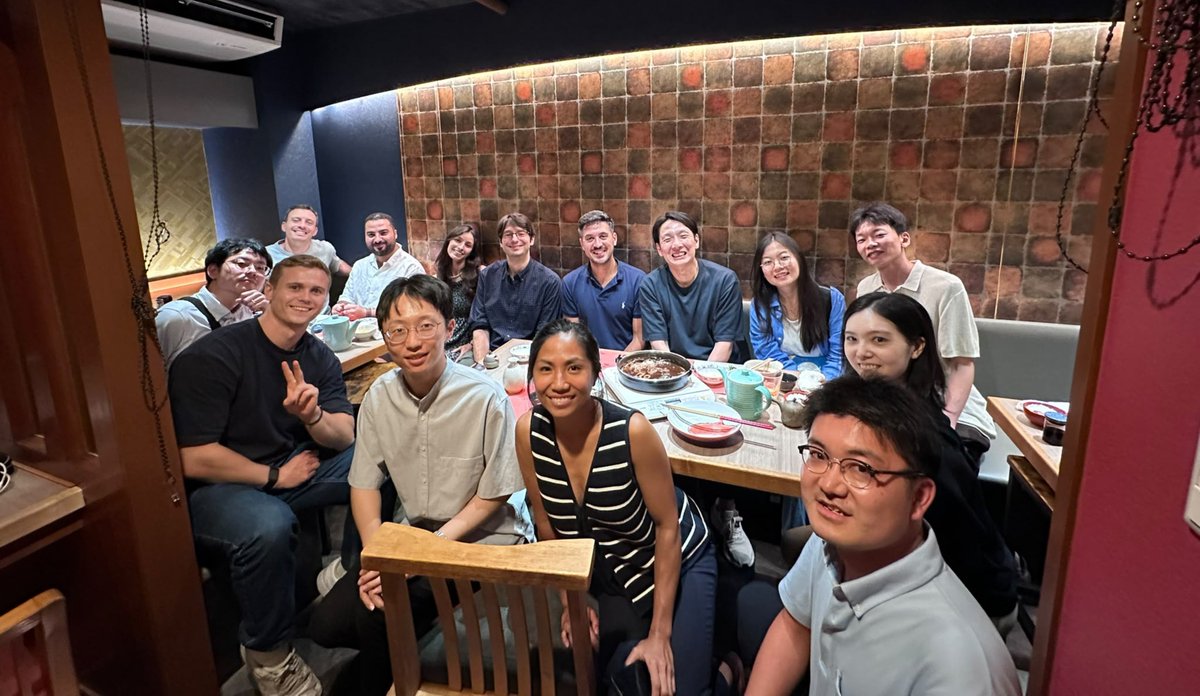
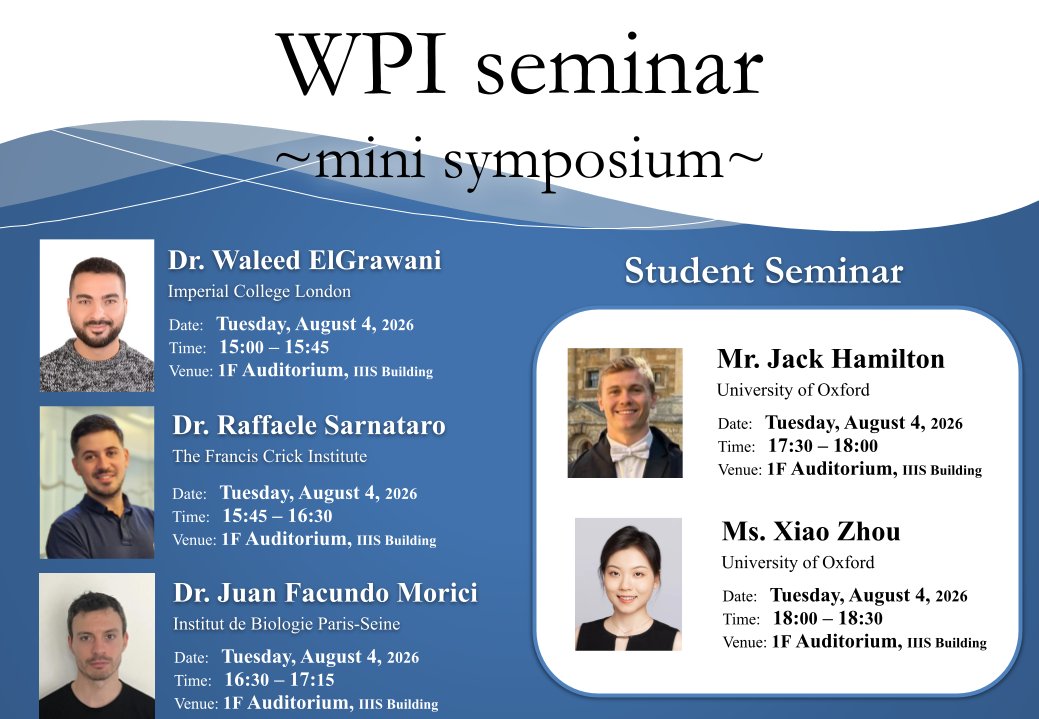
Visiting the legendary @WPI_IIIS centre at @UNIV_TSUKUBA_EN was a real highlight: world-class sleep research, stimulating conversations with faculty and students, and a dinner party to match. Thanks @shi_shoi for the invitation and the hospitality of your lab, IIIS, and Japan.
Hannah (@alfonsahannah) and I are co-organizing a sleep symposium at NEURO2026@Kobe on July 30, 2026, 14:50–16:50.
Sleep research is entering a decisive era, where long-standing mysteries may begin to yield—and our speakers may carry key pieces of the answer.
Don’t miss it!!
Emerging evidence suggests that the cell’s powerhouses do more than supply energy to the brain. Mitochondria may help synapses communicate, shape memory and even influence behavior.
By @GiorgiaWithAnI
https://t.co/voph23uPus
As part of the JNS award, a review, almost a perspective, became available online today. Sleep research is entering an exciting era. I hope we will understand what sleep is within the next decade.
From Sleep Homeostasis to Cellular Constraints in Neurons
https://t.co/megBcd7Kxm
Honored to receive the Young Investigator Award from the JNS. Deeply grateful to my lab members, collaborators, and mentors.
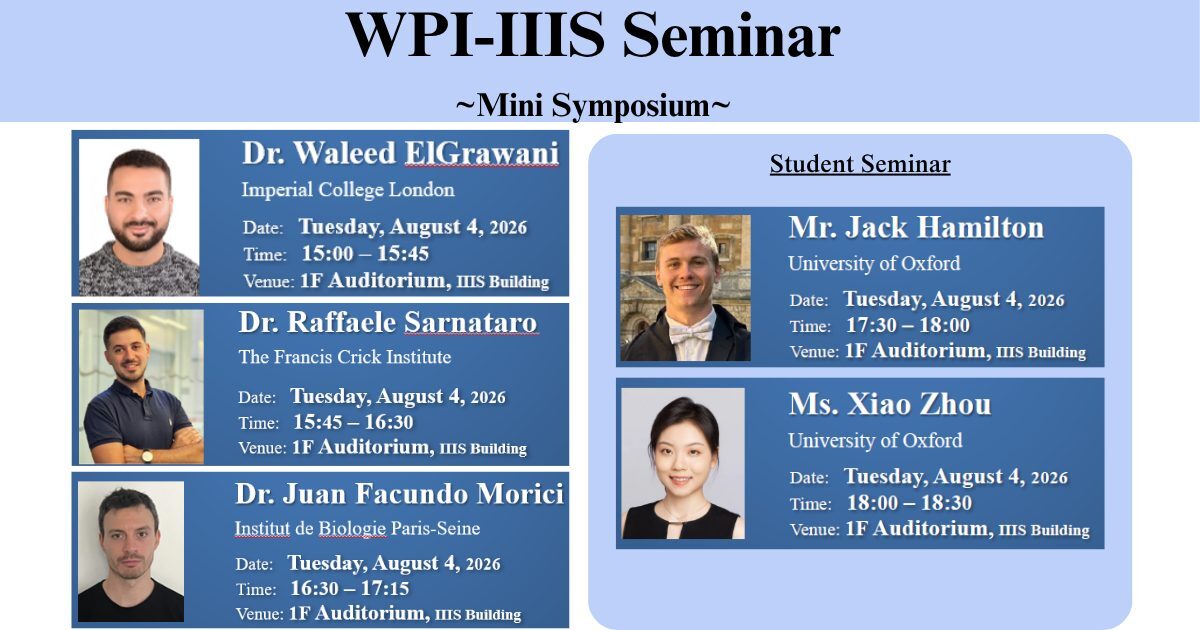
At NEURO2026, we’ll host a symposium with rising stars in sleep research. Please stop by if attending.
@RafSarnataro@LBKrone@alfonsahannah@WElgrawani
Thrilled to have an article published with Aeon on bioenergetics - looking at how our thoughts and behaviour can flourish if we properly fuel our metabolically demanding brains. For more info, see my latest book #The21stCenturyBrain https://t.co/lgk7lgb6EP
Why do we sleep?
We asked leading neuroscientists for their thoughts on what happens in the brain as we snooze.
⤵️
https://t.co/qQgWoykNe9
#WorldSleepDay#Neuroscience#WorldSleepDay2026
Studies using fruit flies by University of Oxford researchers @RafSarnataro & Dr Peter Hasenhuetl are providing new insights into how sleep is controlled.
As two winners of the Emerging Neuroscientist Seminar Series 2025, they recently spoke at SWC ⤵️
https://t.co/4oebbT2gmy
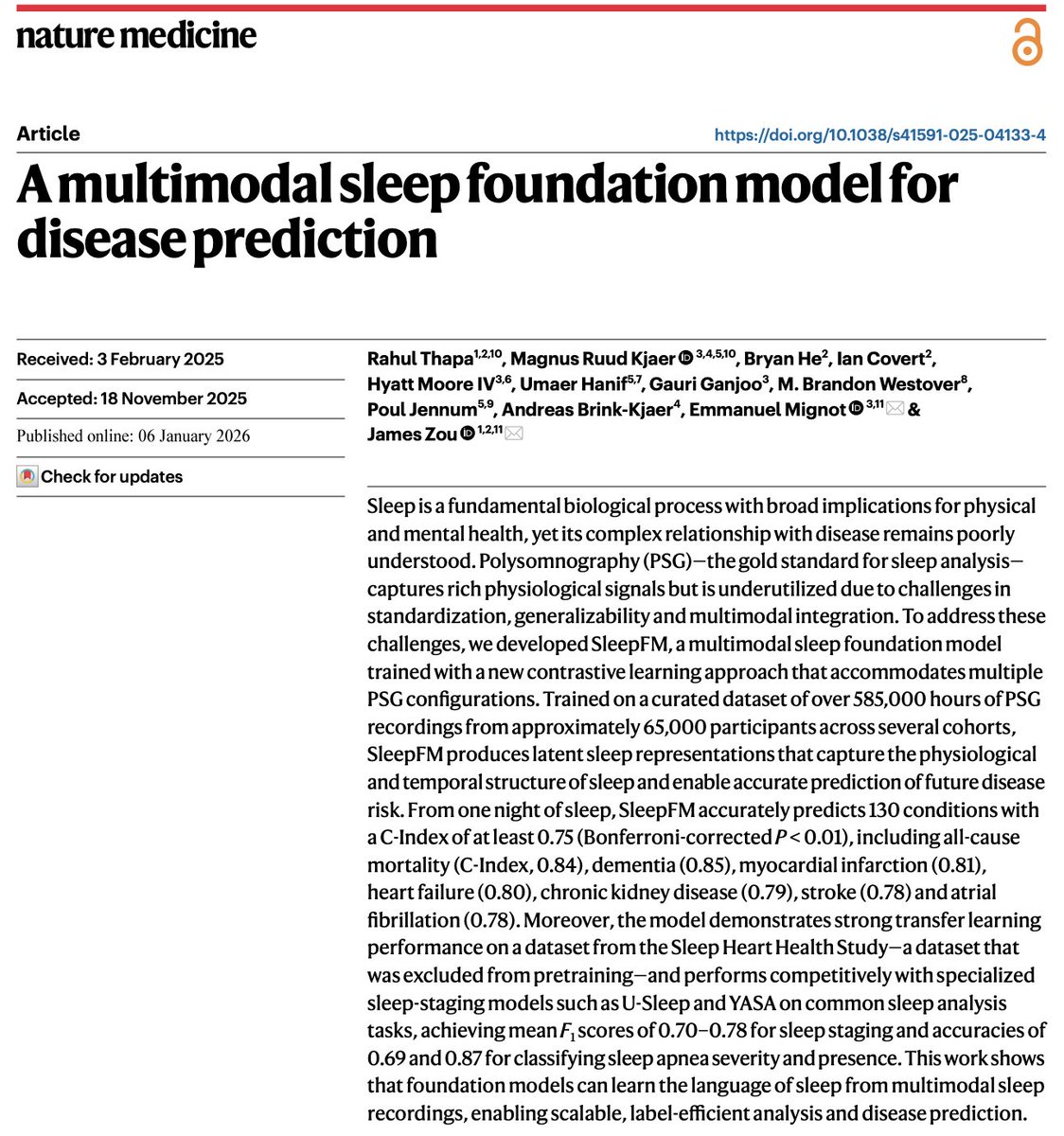
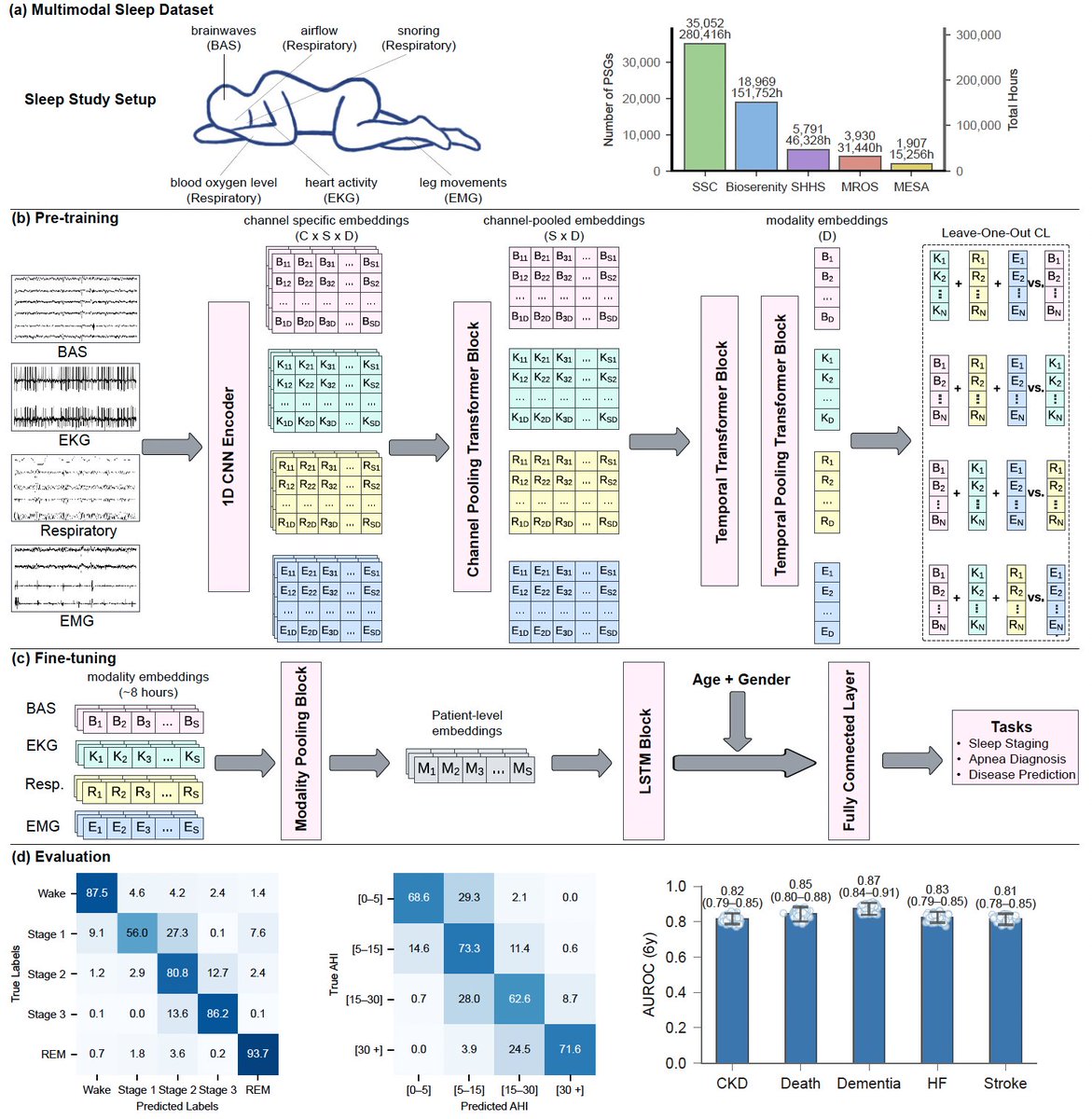
Today in @NatureMedicine we report that AI can predict 130 diseases from 1 night of sleep🛌
We trained a foundation model (#SleepFM) on 585K hours of sleep recordings from 65K people—brain, heart, muscle & breathing signals combined.
AI learns the language of sleep🧵
Did you know that we are offering 4 travel grants every year? That's right! 500£ for conferences and workshops. Registration is still open for the last grant of 2025!
Need some inspiration? Read about the experiences of our Q3 winner, @RafSarnataro
https://t.co/D8iyVEW80E.
The Erice Statement (https://t.co/zysondyhp9) urges global action to make molecular life sciences education accessible to every student, sparking curiosity, inquiry, critical thinking & trust in science.💡
Endorse it here: https://t.co/WV4f5dkAvi
@IAPartnership@AnnaPascucci11
Congrats @RafSarnataro, the winner of our quarterly travel grant, who is currently at #SfN25. We are both excited and proud to support this cool research on the mitochondrial origins of the pressure to sleep! Shout out to @SfNtweets!