@FoundersPodcast@davidsenra Read overpaid and overleveraged in short term because numbers work in longer term as debt is inflated away IF cash flows don’t disconnect at any point. He’s managing cash flows over longer term than PE could, all else is just a story!
@ninan99@davidsenra This is a story. In reality acquired advisors will own client relationships acquisitions happened fast so there’s no cultural or client fit. This is pure leveraged buyout bet and it works if markets hold up went private in time to be able to restructure debt. Thinks cycle risk.
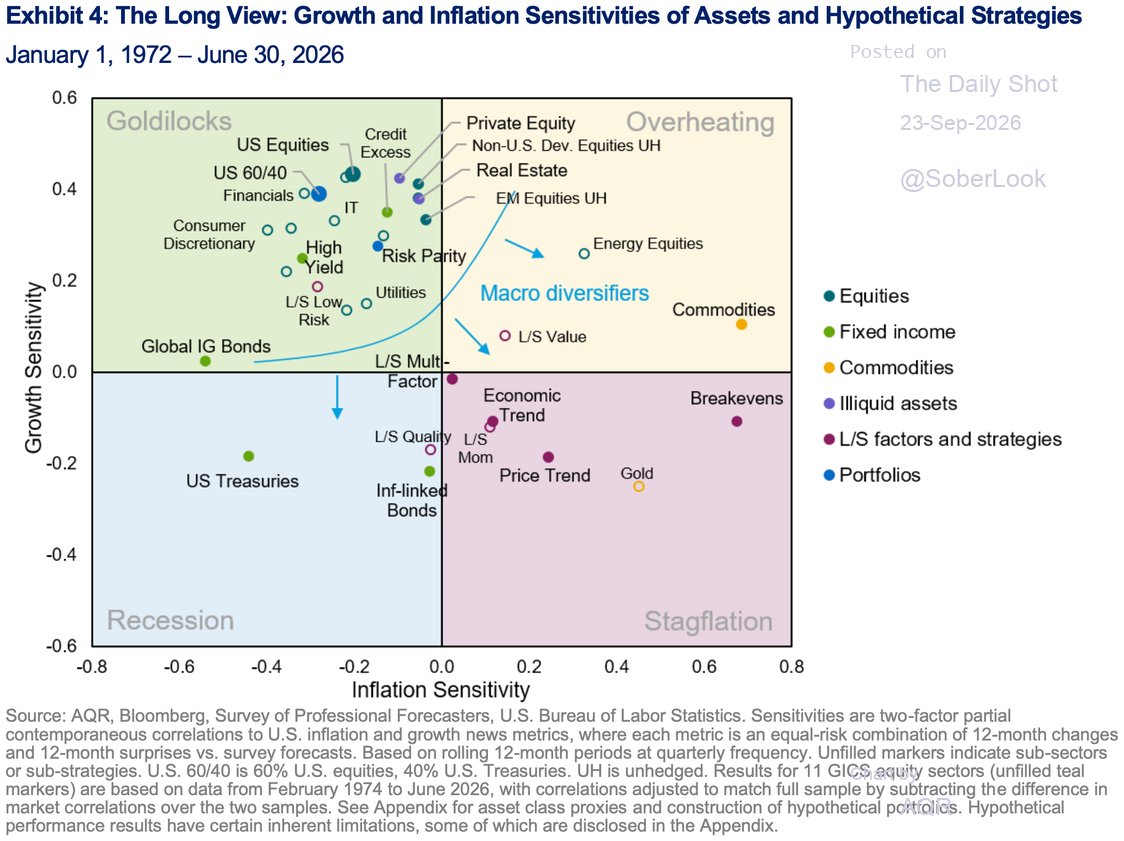
@TimmerFidelity Insightful. But in global recession or crises? Correlations go 1, everything sold together, reflexivity, deleverage, liquidity, things that lose less same gain much less, when does diversification becomes diworsification?Are billions made in concentration, trends and compounding?
Last week we showed you the $2 trillion time bomb sitting inside America's life insurance companies, and in Episode 2 of our series with Tom Gober, we start naming names.
Tom calls it the cash cow: premiums pour into an insurance company 365 days a year, and when a private equity owner sits on both sides of the table, he can steer that money into his own businesses while the policyholders pay him a fee for the privilege.
Here's what we're going over in Episode 2 “Sports Empires & the Liquidity Trap” of The Insurance Reckoning with Tom Gober:
- The billionaire who owns the Dodgers is under a federal criminal investigation in New York, and Tom shows how his insurers ended up with roughly 400% of their surplus in his own paper when the NAIC suggests a cap of 50%.
- Tom called out this exact scheme back in 2014 as the expert on a complaint that exposed a straw man buying the reinsurer so it wouldn't look affiliated, and the case settled almost immediately. In the 12 years since, none of the state regulators raised it, and it took a federal prosecutor in a criminal case to bring it back up.
- South Carolina just moved to put 2 companies into receivership, and their private equity owner is the same group that sued its own rating agency to stop a downgrade. That group has 3 more carriers in Utah, and Tom says the exact same playbook is running at the other private equity controlled carriers. Since we filmed, Florida has suspended the life insurer's license in the state.
- If your insurer moves its money to an affiliate offshore, you have no legal claim on it, and Tom puts the liabilities that have already left US life insurers for offshore reinsurers and secret captives at more than $1.6 trillion.
I got angry in this one. I believe the zombie companies need to go bankrupt and the people running them need to go to jail, because not a single big bank CEO did time after 2008 and look at the mess we have now. I also made a promise on camera to every state insurance regulator in America, and I intend to keep it.
Figures don't lie, but liars figure.
Jim Chanos explains why this AI boom carries more financial risk than almost any boom in history
“So, my friend Paul Kedrosky, I don’t know if you heard him recently, he had a wonderful point."
"I teach the history of financial-market fraud, but as part of it, we teach financial cycles because the fraud cycle follows the financial cycle, usually with a lag."
"And Paul made a wonderful point. I think he made it on your podcast, that major booms are either credit-related, government-related, technology-related, or real-estate-related."
"He said this is the first one in a long, long time, if not ever. I forget. I think railroads might have been the other one where all four boxes are checked."
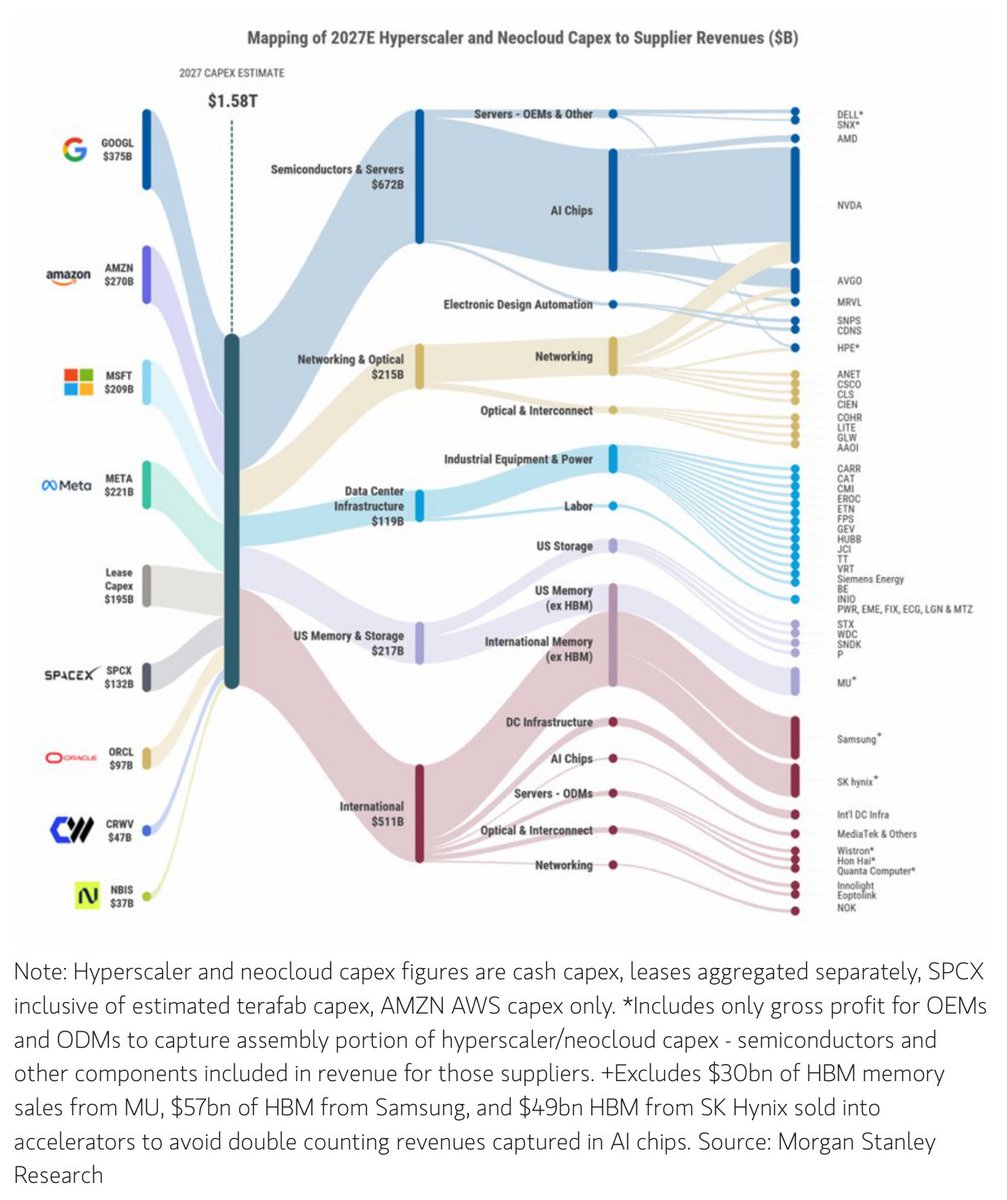
"It’s government policy. It’s certainly technology. It’s certainly credit-driven now. And it’s real-estate-related with the buildout of data centers."
"And so you’ve got four giant drivers for this cycle that all need to be harnessed and going in the right direction, and that increases the financial risk that we’ve been talking about.”
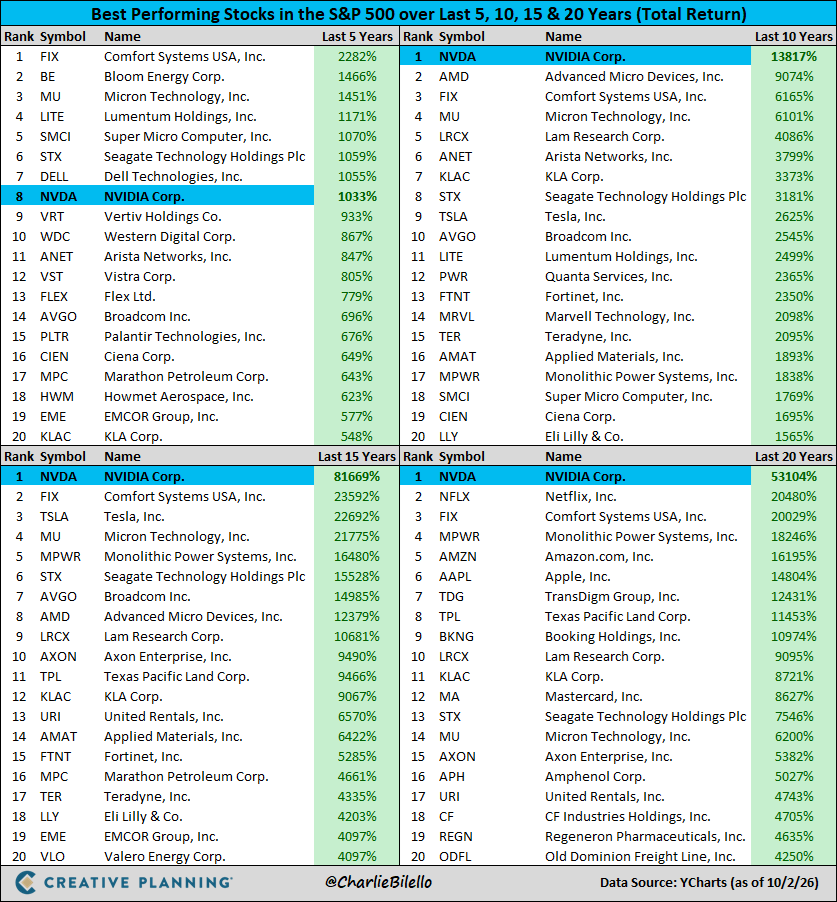
@gregoryblotnick What happened to markets can remain irrational longer than you can remain solvent? Please share with us the list of managers who have beaten S&P 500 over the last 10, 15 and 20 years? And if they are have less than 15 positions please compare them to XLK ETF as well. MM not list
@varunshenoy_@FoundersPodcast@davidsenra Situational Awareness 2.0 what if current AI is not yet ROI positive in the use cases their levered buyouts are modeling?
@firesidealpha Yes they are trying to scare everyone now because it serves them! They’ve build out large enough. Yes they have no moat, but they also know that the security issues are very real and can not be addressed unilaterally, that they steal IP to keep improving their models, and
@chamath Is making it public worldwide helpful or harmful? Was China trying to hurt the world or solve in its usual way its own ageing population crises? Covid could have been designed to kill the older population. This talk is comparing apples to a nuclear bomb drop. Not as simple at all
@chamath Yes agreed. But this is a much bigger investigation with much bigger blocker besides the ones he ids, China itself. And then there’s national security considerations. Suppose US intelligence already knows it was a lab leak and if it was accidental or intentional?
@firesidealpha AI companies will on purpose continue to demonstrate increased threat of uncontrolled AI to trigger regulation and to close US market to Chinese AI. They will then become regulations shielded oligopolies and work to capture their regulators. This is the only way US AI can work!
@firesidealpha Centralized control of China wins over free markets and rule of law in AI and the answer is to create centralized control through intense regulation and ultimately government sanctioned law exemptions if not partial or full nationalization.
@firesidealpha Nvidia can be forced by open source and other AI along with Chinese chips. AI itself has no moat! Is easily copied. AI is built by stealing IP and has endless liability for lack of its own security and harm its agents and models can cause.
@firesidealpha So that will work only if huge profits collected by memory and chips are reinvested to lower future costs and or increase value. Memory can be forced to expand production by growing competition from China.