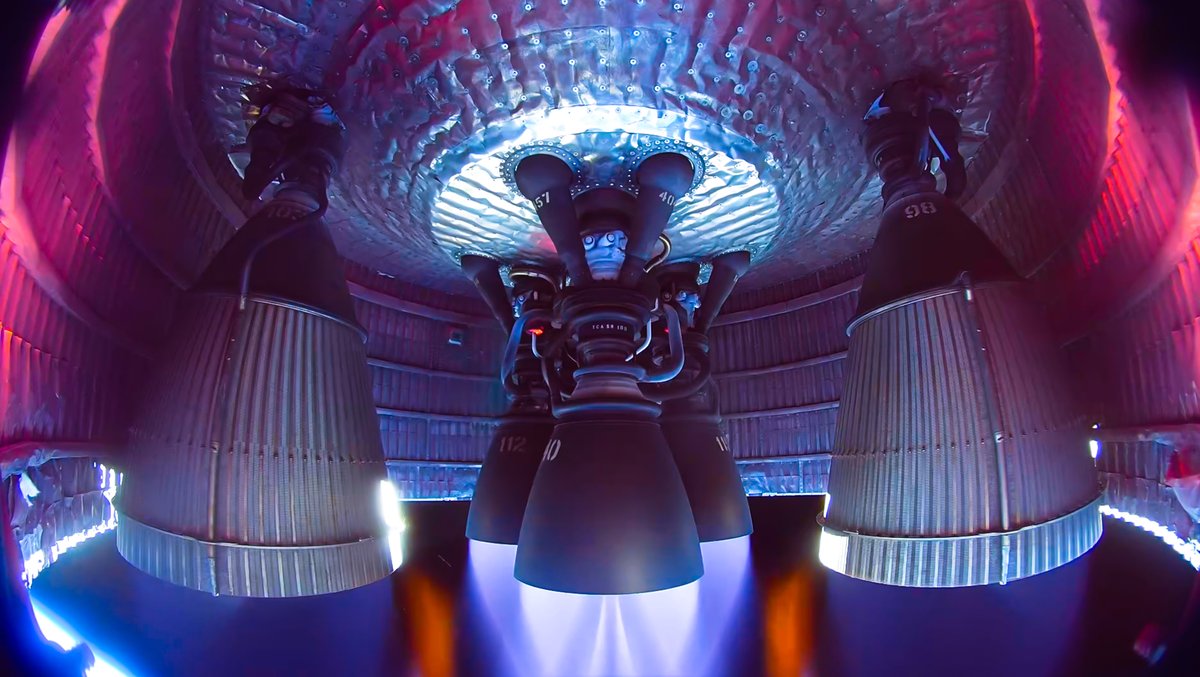
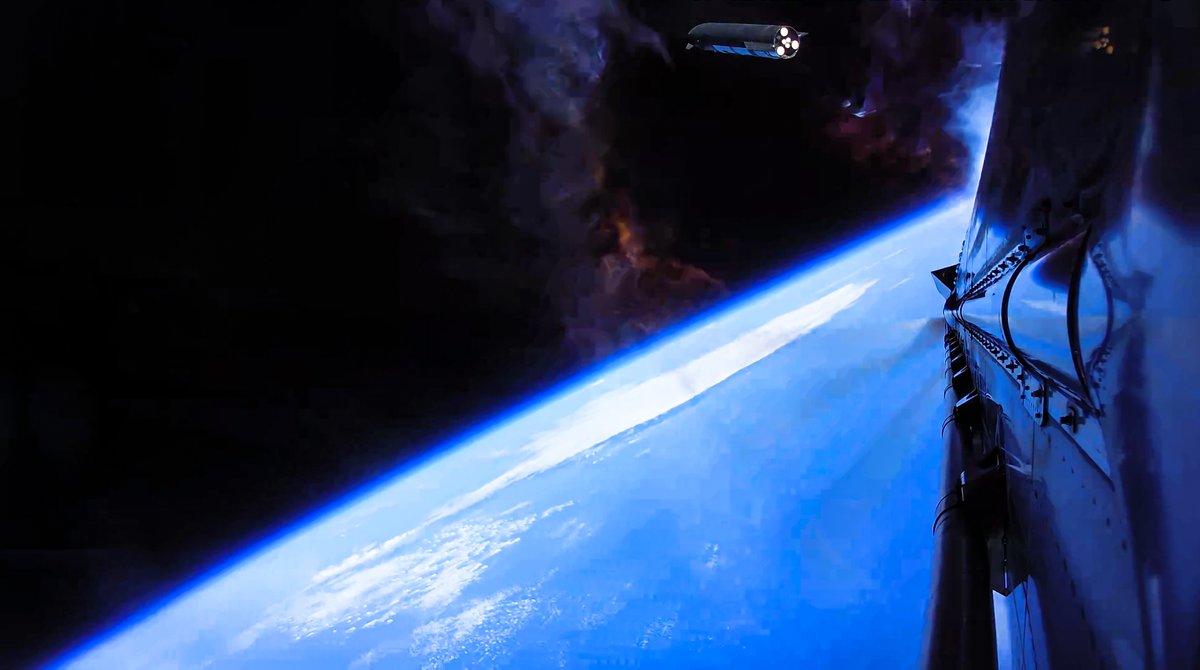
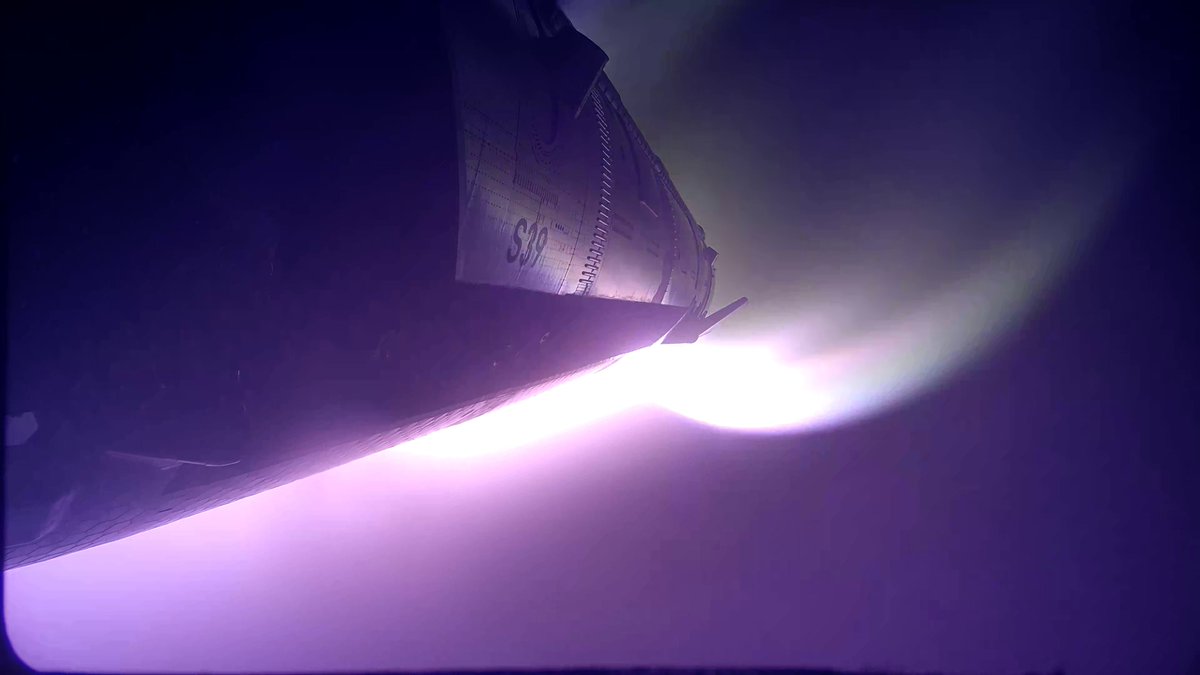
Onboard views from Starship and Super Heavy V3, which are equipped with upgraded cameras capable of streaming 4K video through every phase of flight via @Starlink
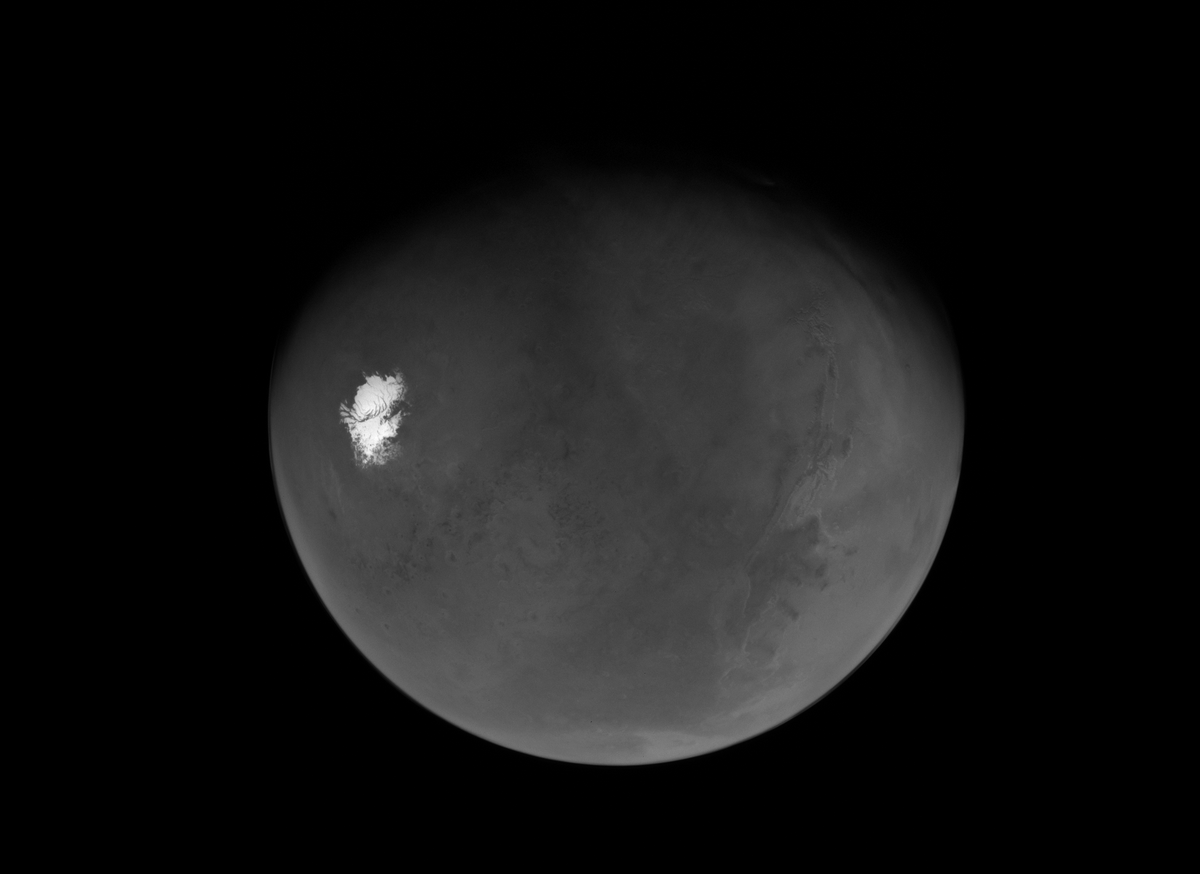
First stop, Mars. Next stop, Psyche 📍
On May 15, our Psyche spacecraft swung by Mars on its way to its next destination: a metal-rich asteroid also named Psyche. The Red Planet gave the spacecraft a 1,000-mph speed boost and provided some stunning photos as well!
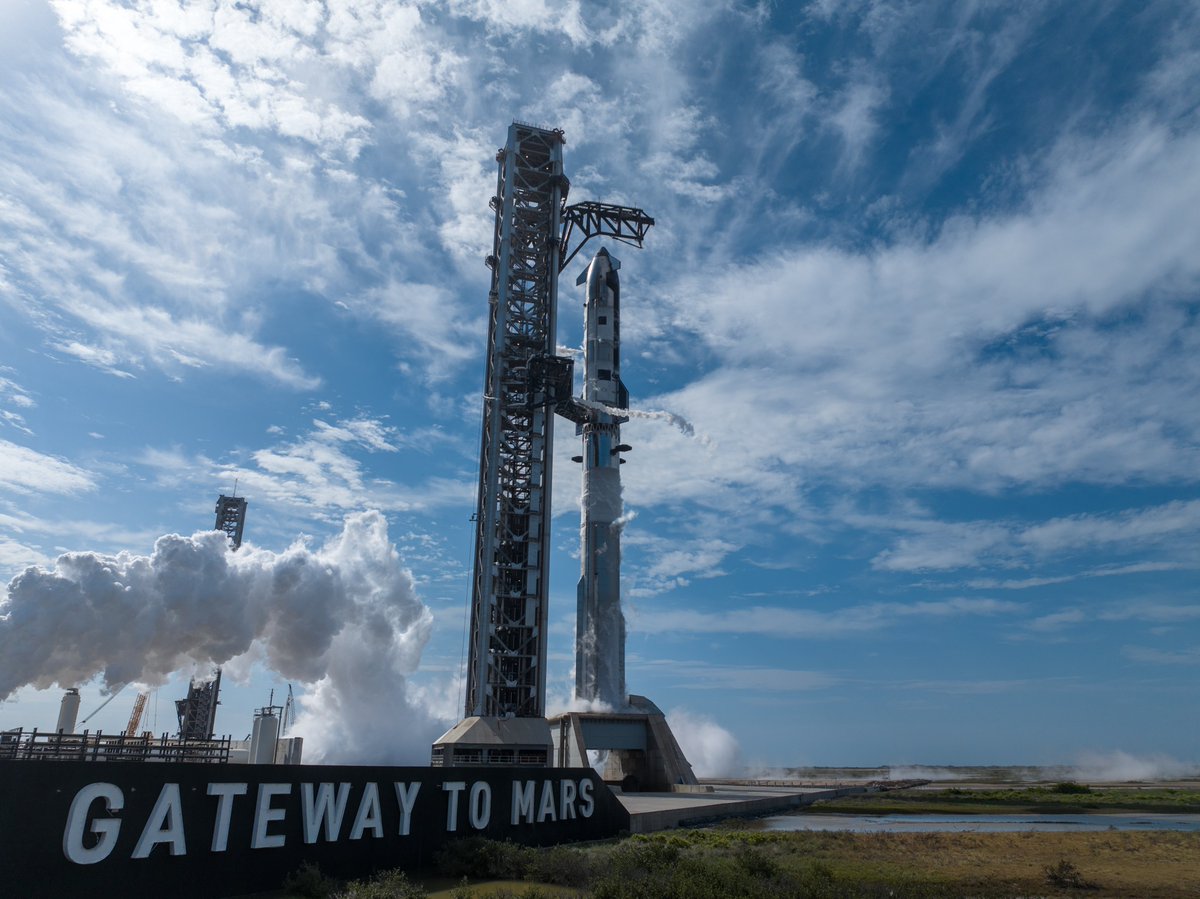
Launch rehearsal complete. During a flight-like countdown, more than 5,000 metric tonnes (11+ million pounds) of propellant were loaded on the fully stacked Starship and Super Heavy V3 vehicles for the first time
Jour 086, orbite 1330 – La science du dimanche matin avec Sophie, épisode 6 : Surfer avec les propriétés de l’eau en micropesanteur - la cohésion des molécules d’eau🏄♀️
🎥 @esa /@NASA#εpsilon • @esaspaceflight • @ESA_fr • @NASA_Johnson • @Space_Station • @CNES
Only one chance in this lifetime…
Like watching sunset at the beach from the most foreign seat in the cosmos, I couldn’t resist a cell phone video of Earthset. You can hear the shutter on the Nikon as @Astro_Christina is hammering away on 3-shot brackets and capturing those exceptional Earthset photos through the 400mm lens. @AstroVicGlover was in window 3 watching with @Astro_Jeremy next to him.
I could barely see the Moon through the docking hatch window but the iPhone was the perfect size to catch the view…this is uncropped, uncut with 8x zoom which is quite comparable to the view of the human eye. Enjoy.
Architect vs. Artist: Who Actually Drew the Century’s Most Iconic Logo?
The creation of the Mexico 68 logo remains one of graphic design’s most storied power struggles. While history often highlights American designer Lance Wyman for the technical execution of the radiating parallel lines, archival evidence and testimonies from the Organizing Committee strongly support Pedro Ramírez Vázquez as the conceptual architect. As the Committee’s President, Ramírez Vázquez rejected initial proposals as too "Western" and dictated the core vision: a fusion of the five Olympic rings with the digits "68." He sought to marry modern Op Art with the linear geometry of indigenous Huichol wax paintings, ensuring the identity was undeniably Mexican.
The drama between the two men stems from a fundamental clash over authorship versus collaboration. Wyman has long maintained that his arrival in Mexico City and subsequent sketches birthed the "68" logotype. Conversely, Ramírez Vázquez’s estate has produced documents suggesting the geometry was already being prototyped under his strict direction before Wyman was even hired. This friction illustrates the tension between a visionary director who sets the "Total Look" and the talented designer who refines it. While Wyman provided the expert hand, it was Ramírez Vázquez’s cultural authority and specific geometric instructions that ultimately defined the logo’s soul, leaving a legacy of brilliance shadowed by a lifelong dispute over who truly held the pen.
#logodecks
The Artemis re-entry map explained!
To understand this fully, I needed a visual. So here is the @NASA Orion OEM dataset playing in one of my realtime space scenes. The result - a fun way to visualize how this ground tracked map works! #Artemis#ArtemisII#Space#threeJS
@NASA has just released some EXTRAORDINARY tracking footage from Artemis II's launch just one week ago.
Mesmerizing exhaust flow interaction between all four RS-25's & twin SRB's.
Hello, Moon. It’s great to be back.
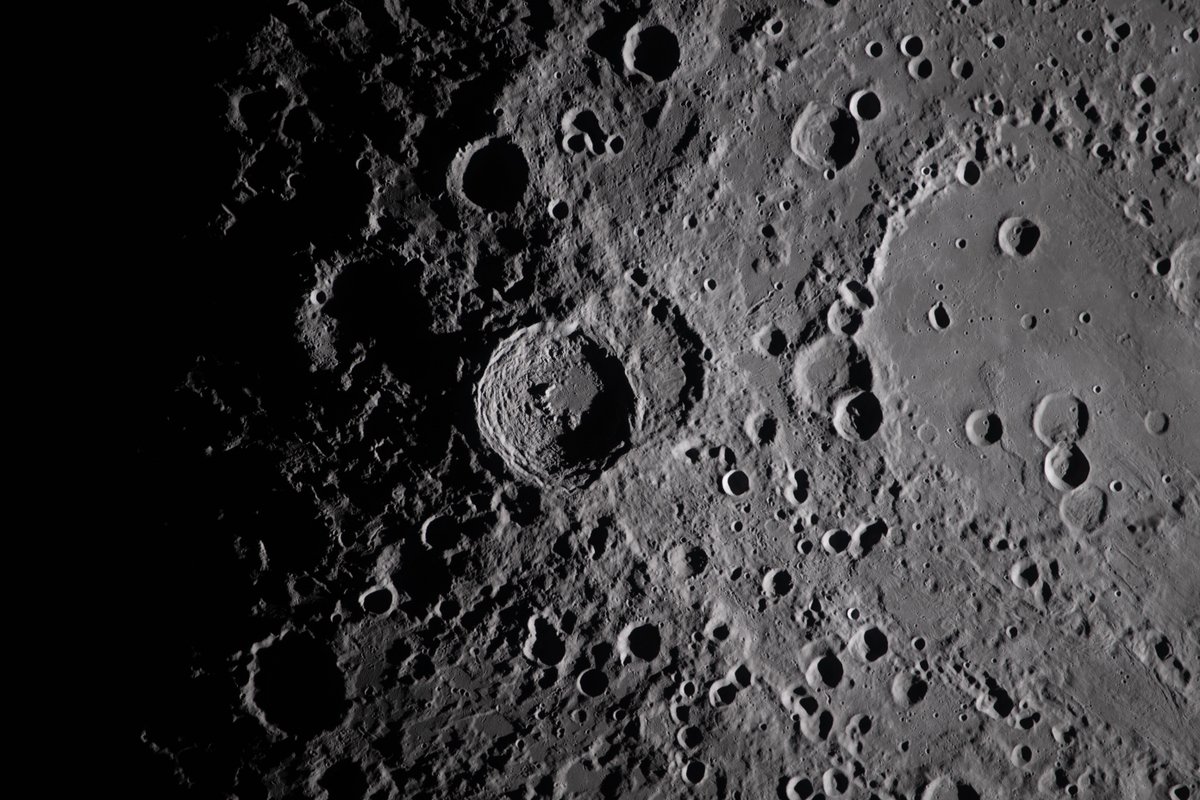
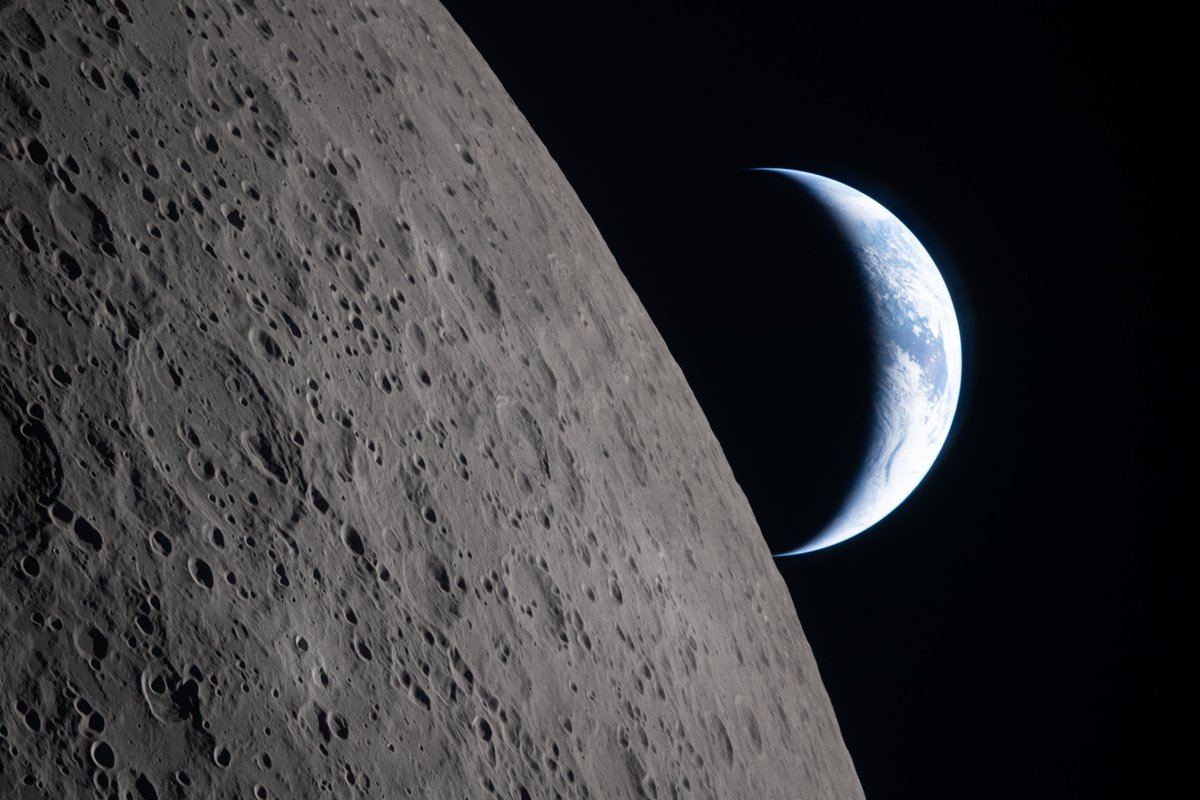
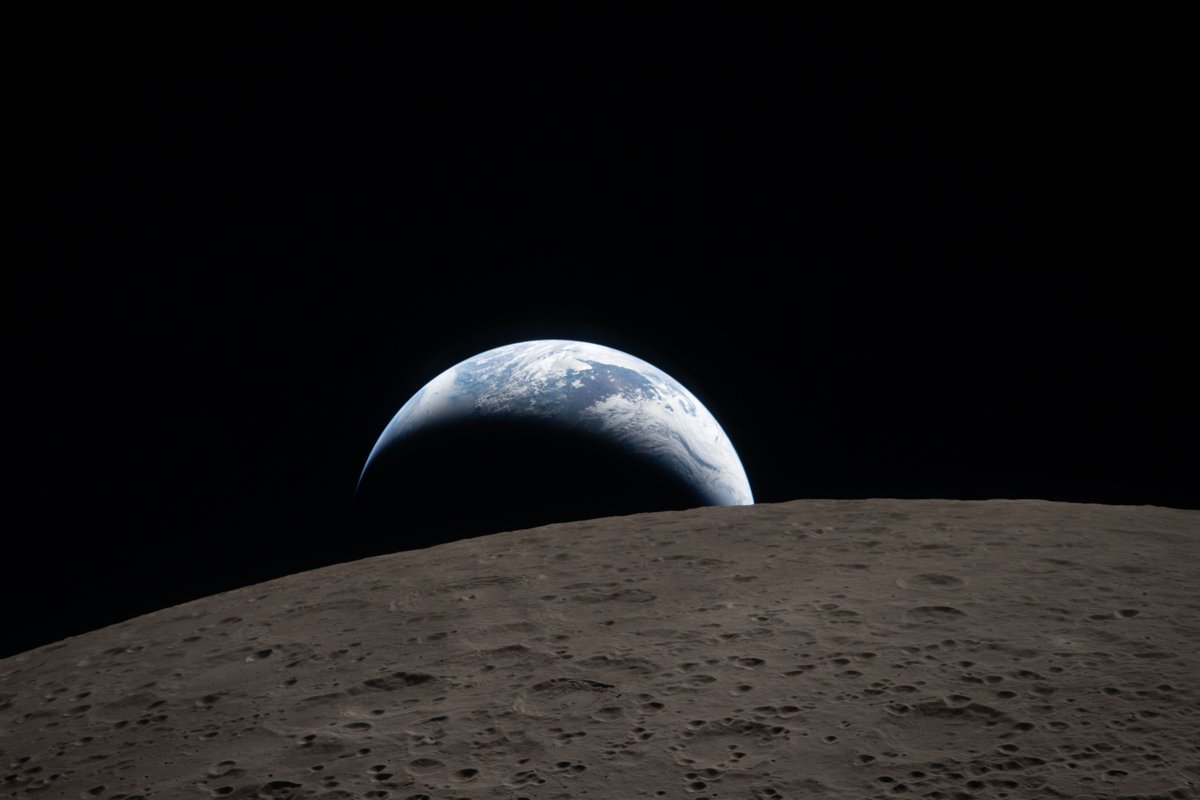
Here’s a taste of what the Artemis II astronauts photographed during their flight around the Moon. Check out more photos from the mission: https://t.co/rzM1P0QbOl
THE ARTEMIS II ECLIPSE.
April 6, 2026.
Totality, beyond Earth. From lunar orbit, the Moon eclipses the Sun, revealing a view few in human history have ever witnessed. Photo: NASA
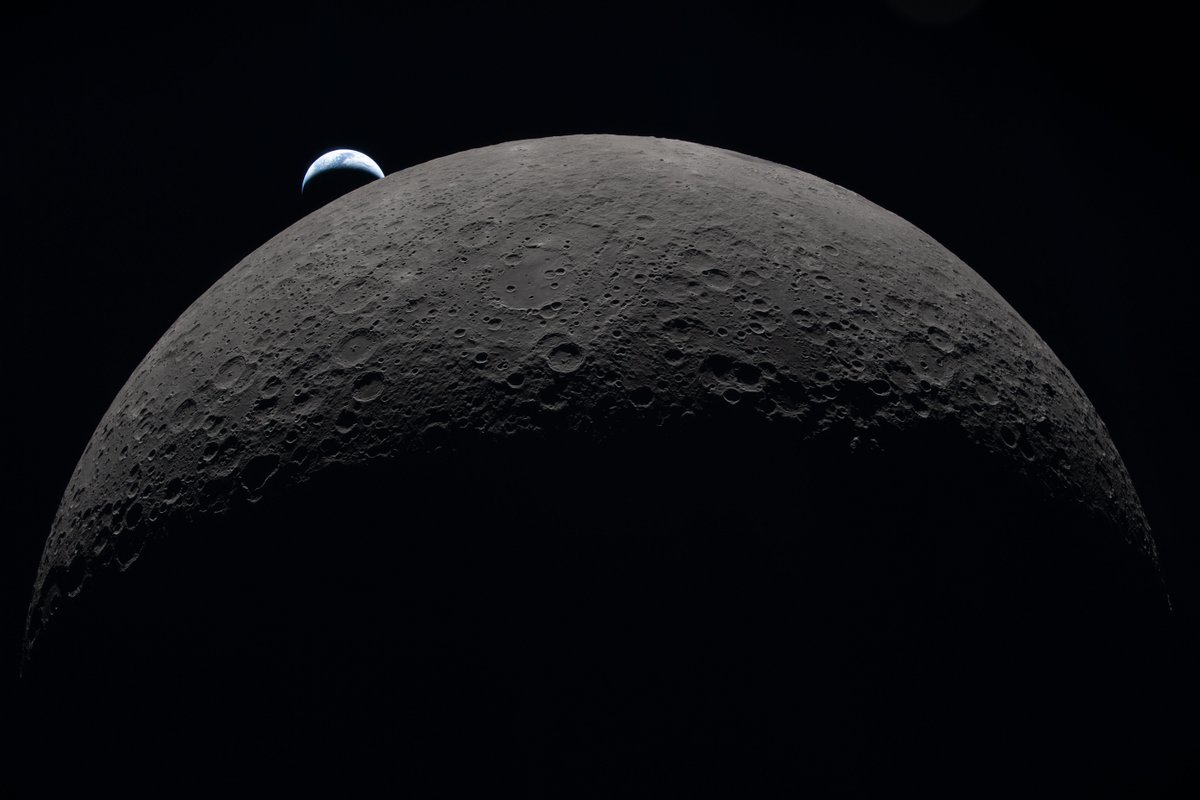
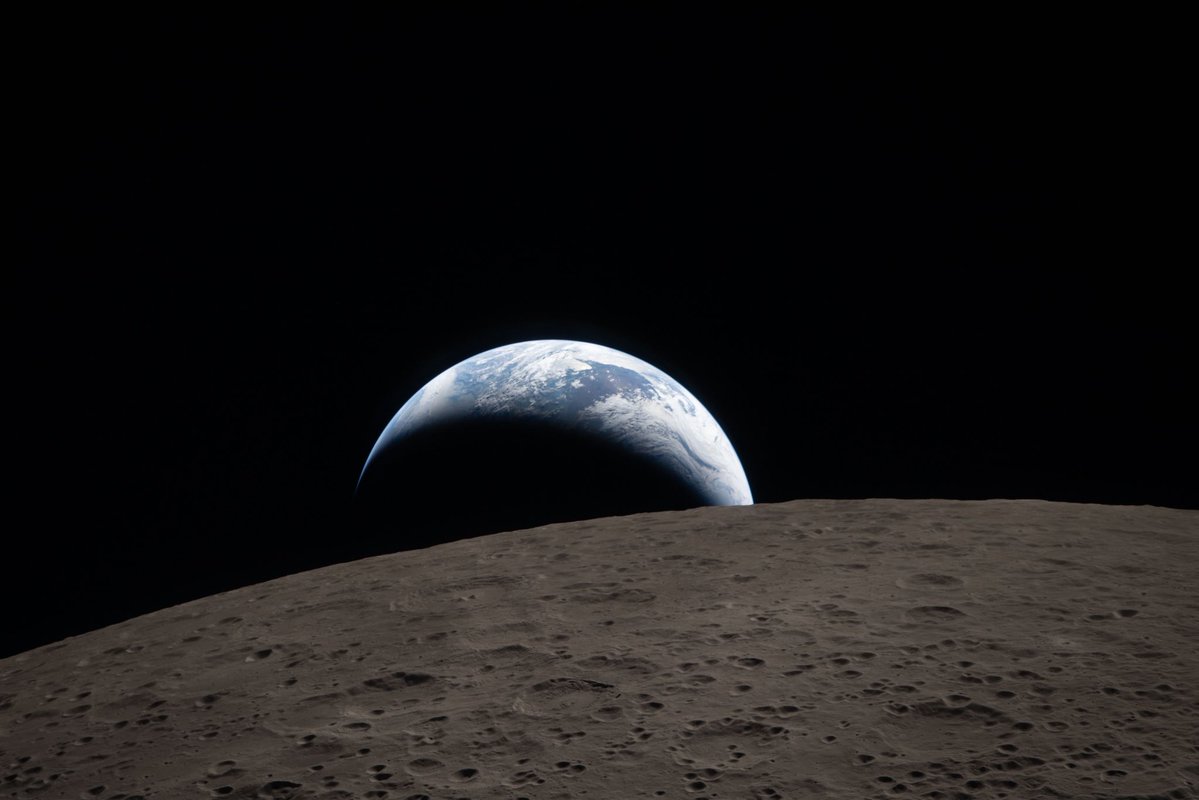
EARTHSET.
April 6, 2026.
Humanity, from the other side. First photo from the far side of the Moon. Captured from Orion as Earth dips beyond the lunar horizon. Photo: NASA
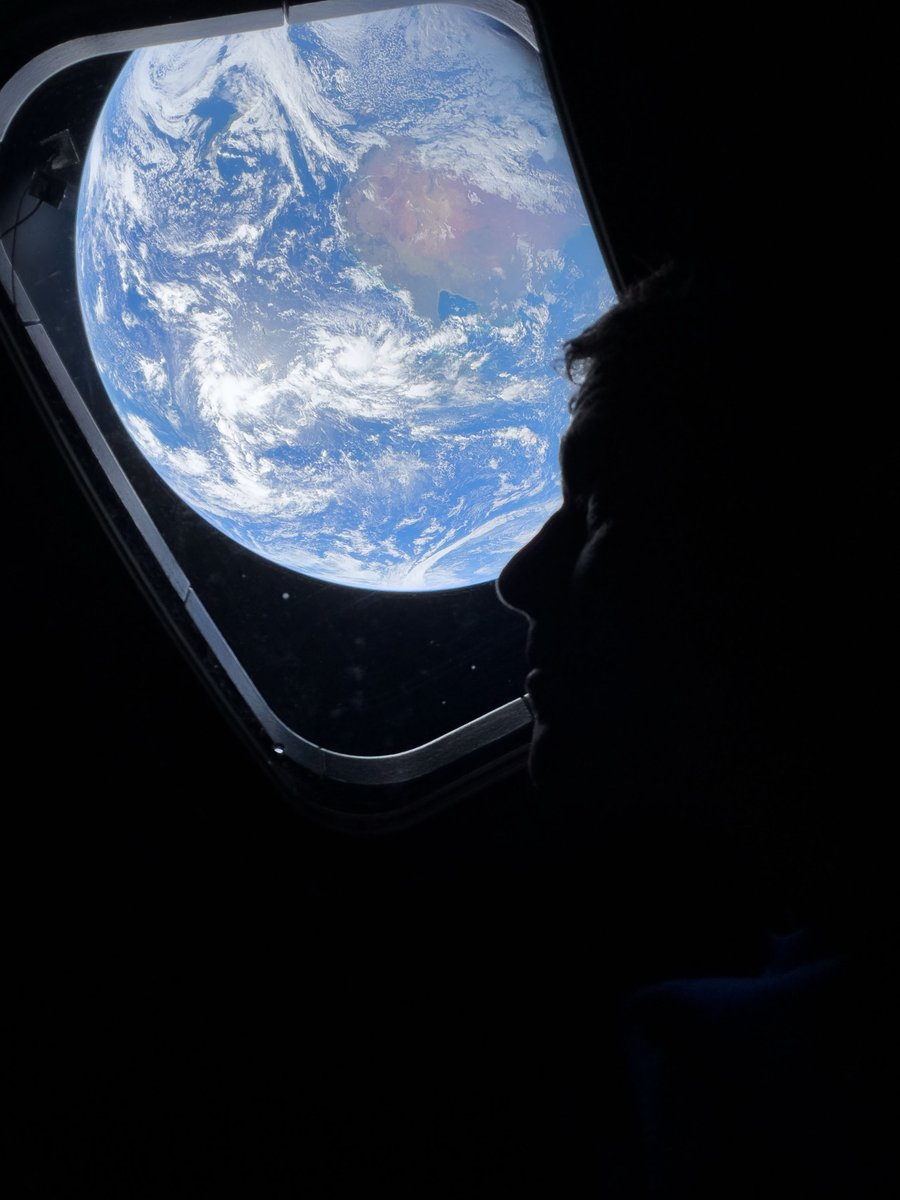
We see our home planet as a whole, lit up in spectacular blues and browns. A green aurora even lights up the atmosphere. That's us, together, watching as our astronauts make their journey to the Moon.
Go outside and look at the Moon!
I just took this photo in awe... for the first time in over 53 years, humans are headed there following tonight's translunar injection burn.
Look up, smile, and send your best wishes to four fellow humans making the journey on Artemis II.