Ph. D in Jurisprudence. 斯基泰化西周,波斯化秦漢,粟特化隋唐,蒙古化明。Scythianized Western Zhou, Persianized Qin & Han Empire, Sogdianized Sui & Tang Empire, Mongolized Ming Empire.
1 & 2 Glided Silver Plate, Tang Empire. The inscription on the back of the second plate (was founded in Inner Mongolia) revealed it was made near Yangtze Delta. Pay attention to Reishi Mushrooms on the deers' heads, which symbolizes good fortune and longevity.
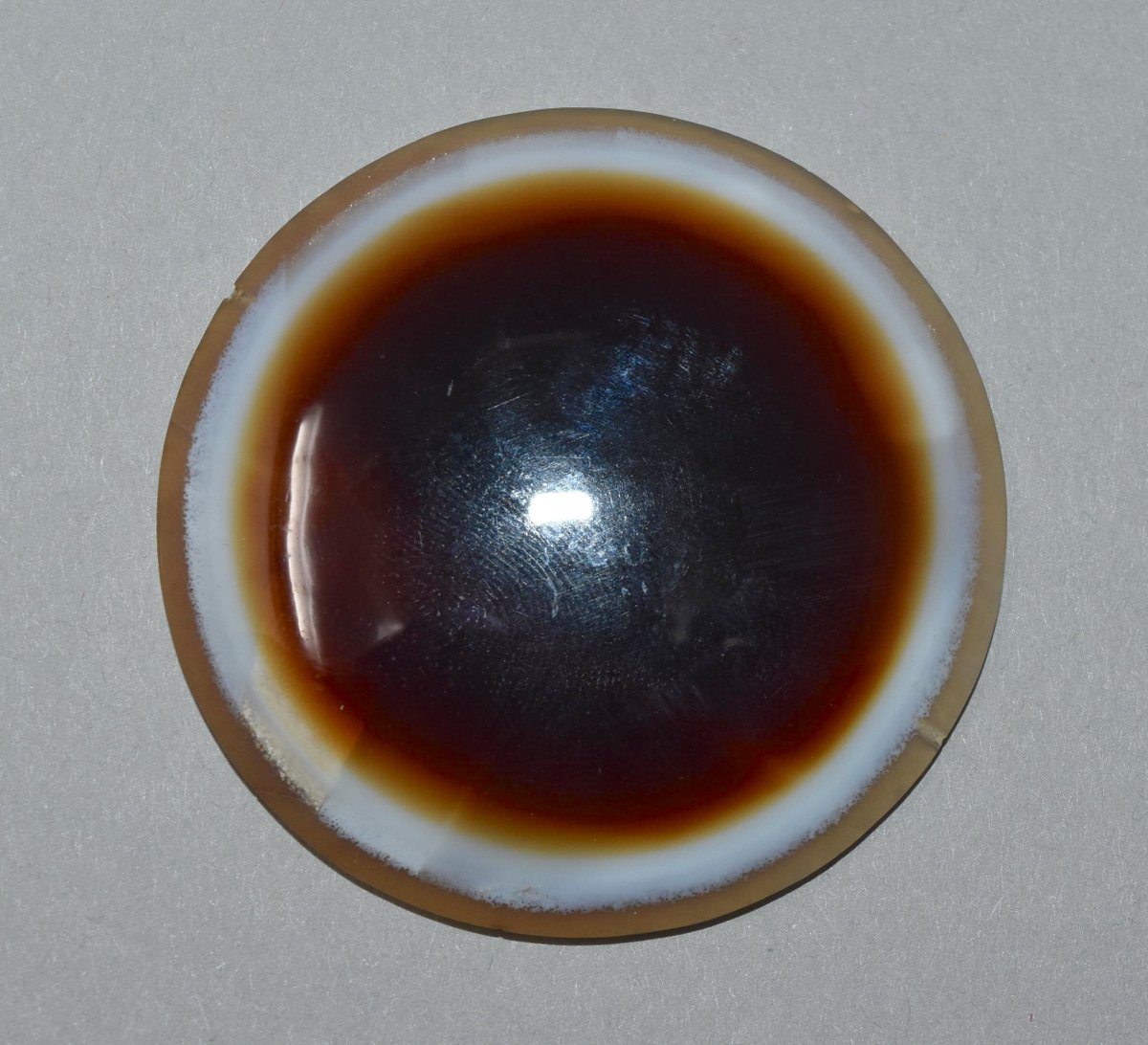
Pic 1 📸by my own.
@DimitriTilloi@MuseeLouvre This practise was almost unheard of before, but corresponding examples can be found in West Asia. In my opinion, the body shape of the horse is closer to that of a feline. Furthermore, the practice of placing many animal stone statues in front of the tomb was also introduced.2/2
@DimitriTilloi@MuseeLouvre Very interesting. The first photo shows the famous statue in front of Huo Qubing’s tomb. The figure below depicts a Hu (nomadic) person. Huo was a renowned general during the reign of Emperor Wu of Han(2 Cent. BC) and fought multiple battles against Xiongnu in the Mongolia.1/2
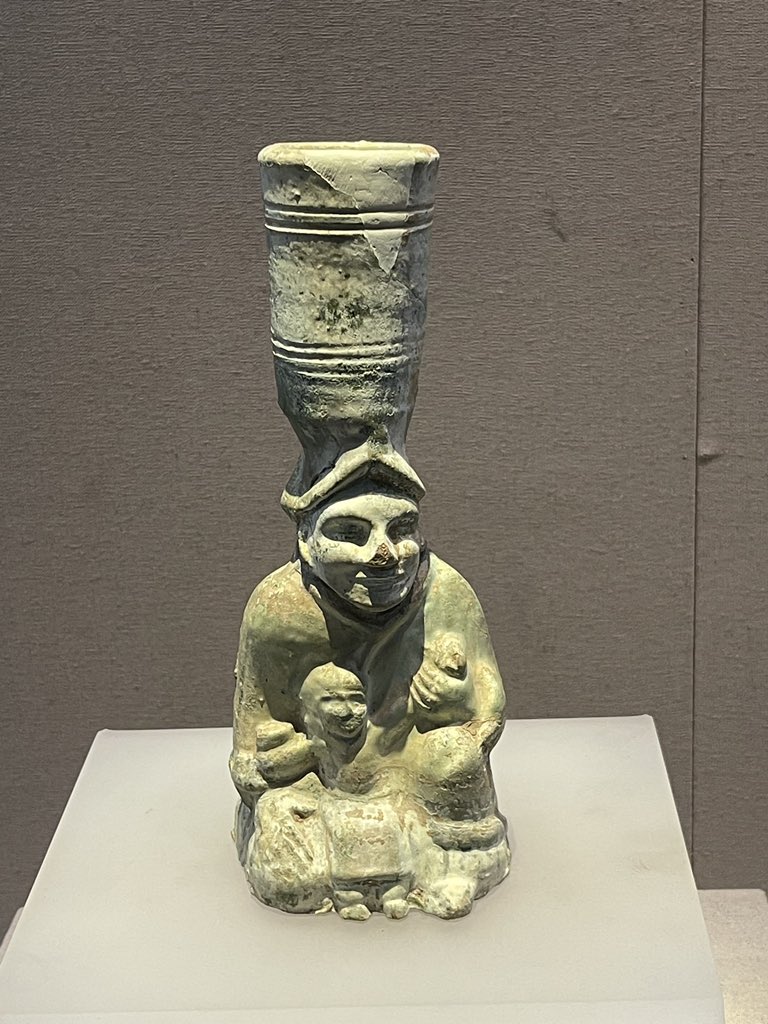
@chapps How about this one? It is easy to identify the western influence (the exotic appearance of the figurine and the design of the item). It is from Han Empire (3 Cent. BC-3 Cent. AD).
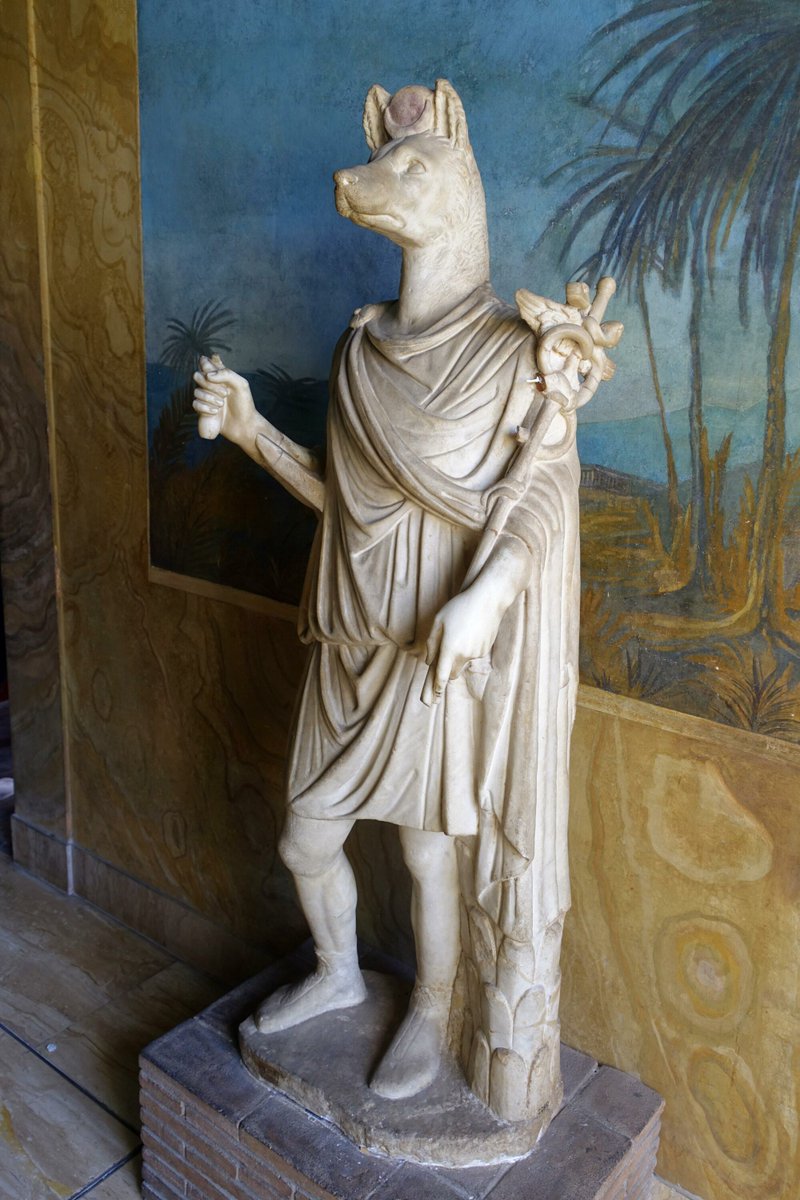
Roman statue of Hermanubis, a god who combined the greek god Hermes and the Egyptian god Anubis. 1st-2nd Century AD, Vatican Museums. Photo Credit: https://t.co/w79TAkGyTt
An Athenian kylix drinking cup, decorated with the face of the Gorgon encircled by reclining symposiasts and fruitful vines. Symposium cups often included amusing designs on their underside that surprised guests when a drinker raised the cup to his mouth...
Tyrian purple: not only was it v expensive, but it appears from ~ 235 CE, there was a Roman state monopoly on its production & use, i.e., no foreigner was permitted to purchase it...