@Shemei_I_am Closing 3 weeks early....
Out of 12 weeks of academia, only 6 or 7 used.
By the time parents wake up to know how much of the school fees is cheated, it may be too late.
We have normalised substandard for so long...
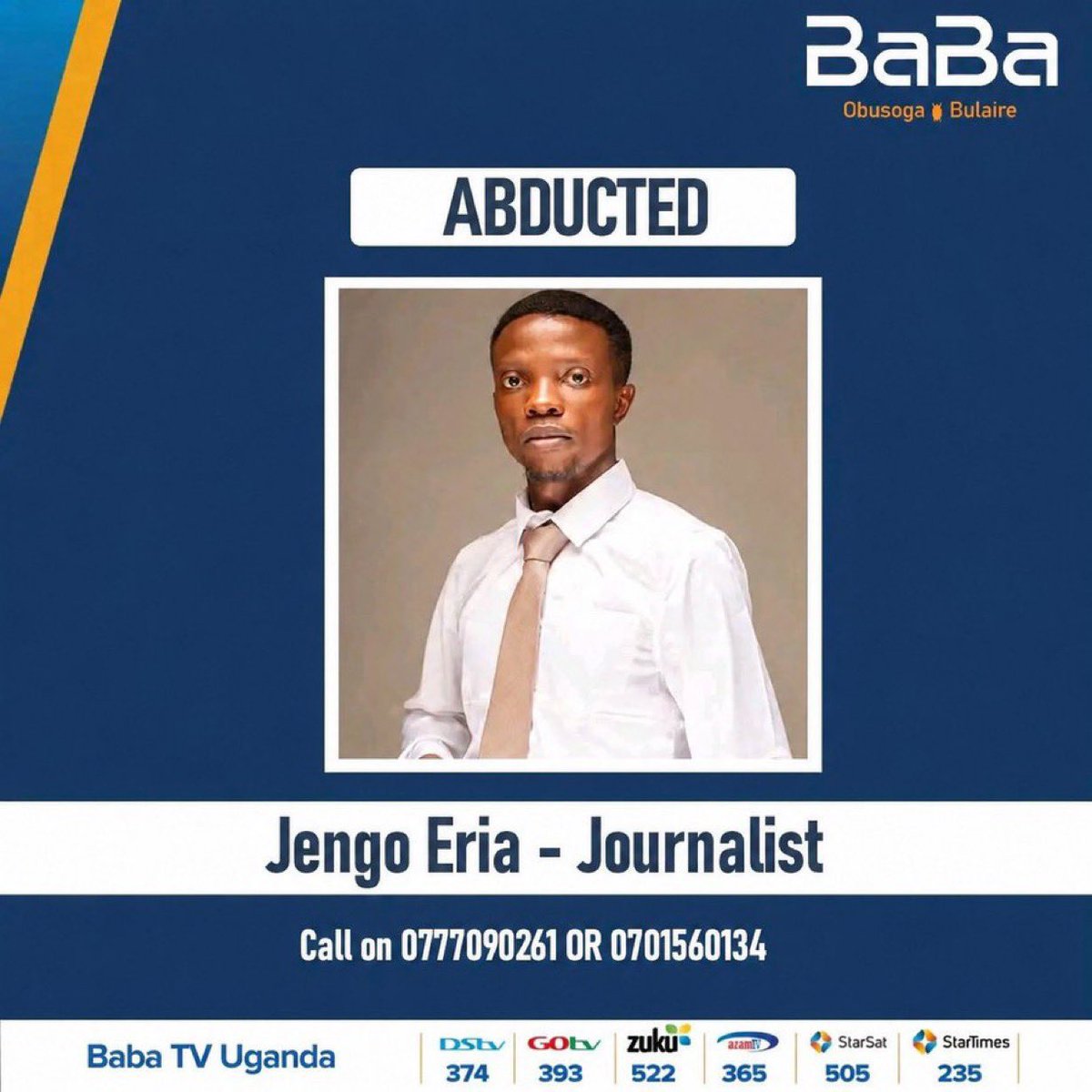
Besides those disappeared several years ago and are still missing, the following Ugandans are some of those who have been abducted in the last few months, weeks and days and are also still missing:
1. Ahabwe Prosper
2. Uwesa Bruhan (of Uwesa media)
3. Kasule Ashiraf (went missing along Kayunga Road as he was going to visit his parents on the 21 October 2026)
4. Kasibante Damiano (went missing in Mityana Town on the 10 November 2026).
5. Mawejje Micheal Kenneth (abducted from Mpererwe on the 10.11.2026)
6. Jengo Eria (September 10)
7. Baliza William
8.Musiri David
9. Egesa Leonard
10. Eria Jjengo
...and many others!
DESECRATION OF MY KINGDOM (171-2):
" Since I reached London I have heard more news, though it is not easy to find out exactly what has happened and is happening at home...Sarah and Damali are no longer in prison, though my yonger brother David Simbwa remains and many have been re-arrested...The Katikiro fled and is now in London and there are other Baganda who were abroad when the blow fell... Obote said I had £45,000 here but, alas, it is not so. As I write I have no money but what I have earned by writing, and I rely on the kindness of friends to pay school fees and keep a roof over my head...
Buganda has been divided into four districts by the Prime Minister, but this plan is not a success. The effect on the economy has, inevitably, been disastrous. Times are very hard for my people and for all Ugandans... Plans to replace me with a new Kabaka were announced but have predictably come to nothing. The impossibility of my going back is stressed.
All this has a familiar ring. Obote is behaving much as the British did when they exiled me, and making the same mistakes, though he has added violence and chaos. The Army rules. He has not yet offered to negotiate with me, but just as I was supported by my faith in the loyalty of my people in the dark years of exile, now I believe utterly that the Baganda will show their devotion, though it demands great courage and perseverance. In the end I shall return to the land of my fathers and to my people."
Kabaka omuzira Muteesa ll
@yasssfdj Utilise ce format, 10 candidatures autant d'appel j’ai déjà fais 5entretiens. Il permet de complete automatiquement ton profil sur leur système. Police sans empattement. Les titres taille 13. Ton nom et xp taille 11. Et les puces taille 10.
Bon courage pour ta recherche d'emploi.
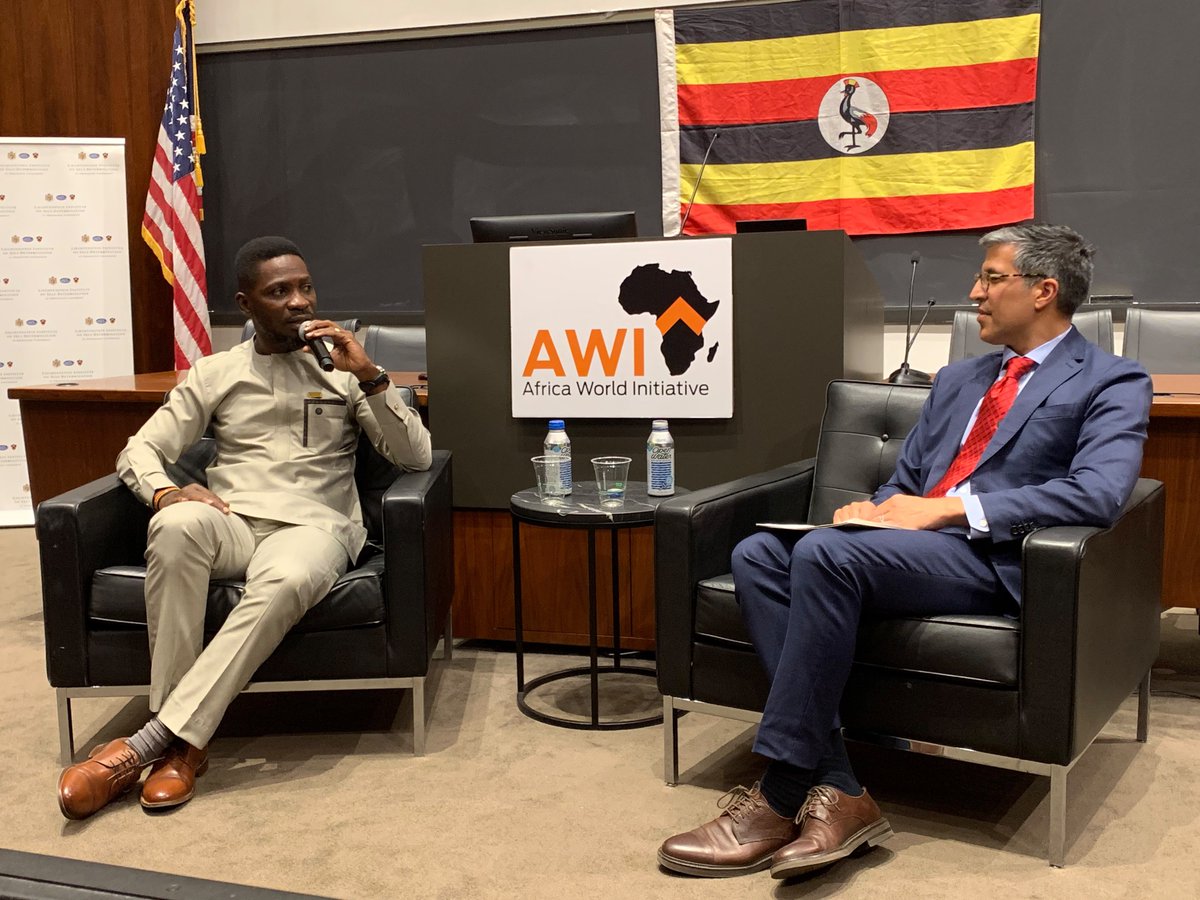
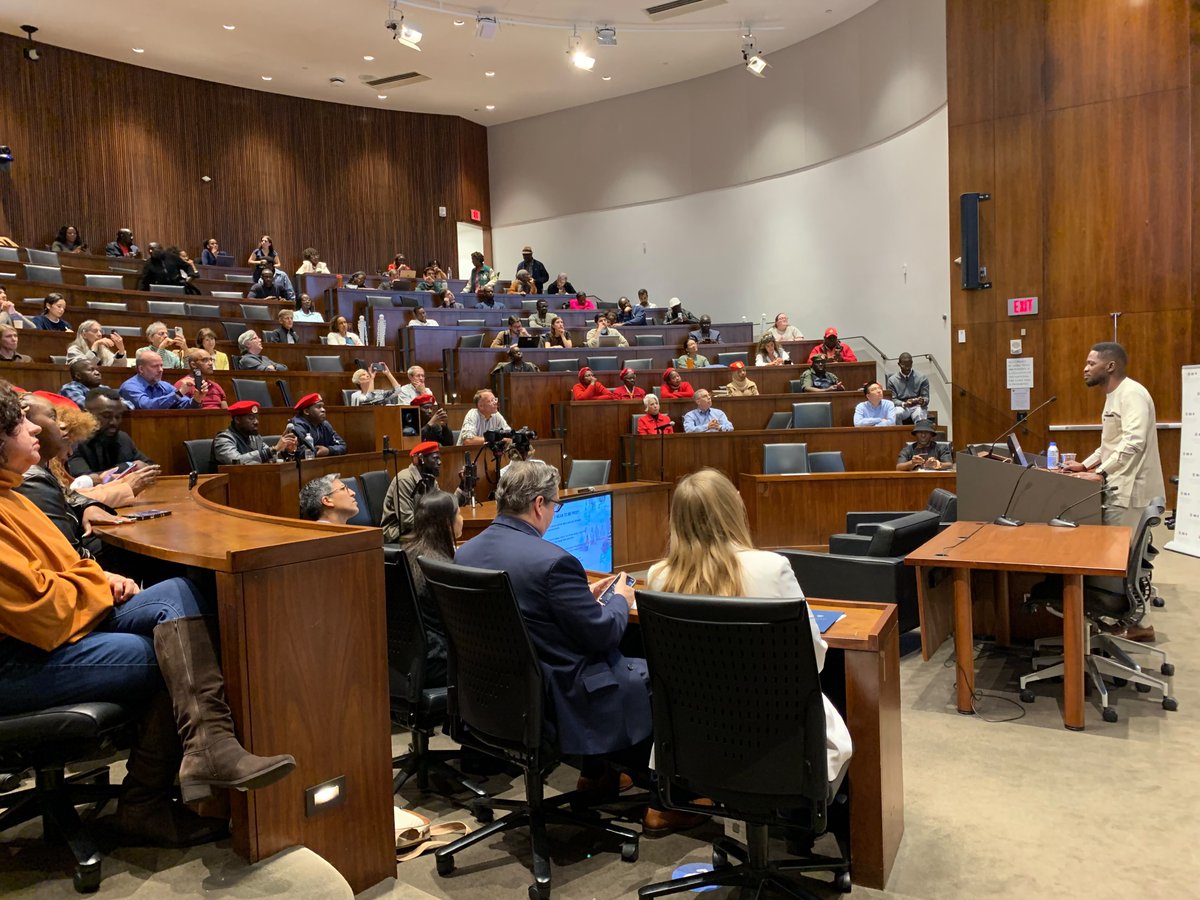
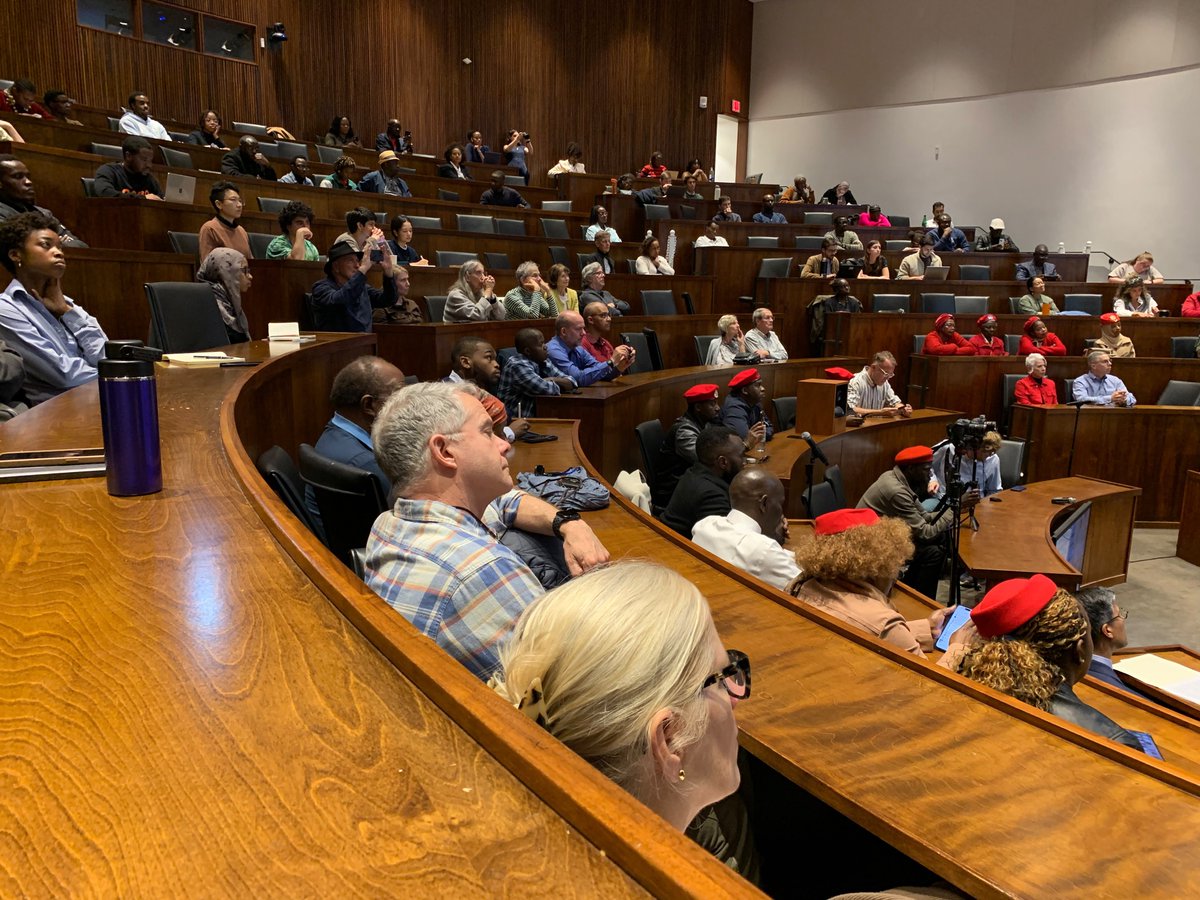
Yesterday at Princeton University, I had the honor of addressing some of the University's students and faculty about the place of Africa and Africans in the world, using Uganda as a case study. The overarching theme of my address, especially as Uganda just celebrated its 64th independence, was that Africa cannot be sovereign while Africans remain captive. It cannot be powerful while it's people remain powerless.
Ugandans – Africans, really – MUST have a genuine opportunity to choose their leaders through credible democratic processes whose final outcome reflects their true will. Africans can’t truly exercise their sovereignty if they have no meaningful influence over the decisions that shape their life and future.
But even beyond elections, Africans must still have the freedom to criticise their leaders and influence public decisions. Otherwise, democracy becomes a sham periodic exercise in which Africans temporarily participate in selecting their their next captors.
Although Africa need not blindly imitate institutions of other societies without considering our own circumstances, it must develop democratic institutions that are legitimate and responsive to the people they serve. Africa must build States strong enough to govern effectively, but not so powerful that their own citizens become helpless before them.
Those States, in turn, must then protect their sovereignty but without conveniently invoking it to insulate their ruling governments from being accountable to the citizens. Any legislation that African States enact to protect their sovereignty should be strictly tailored towards protecting the ability of their people to determine their own future without illegitimate foreign interference. It goes without saying that the rest of the world's interactions with Africa should ultimately be to support these objectives, otherwise Africans will keep bleeding on the rest of the world.
Just received very disturbing news concerning the abrupt passing of our brother, comrade and fellow leader, Hon. Charles Matovu, who served as Member of Parliament for Busiro South in the last Parliamentary term and had his victory robbed on gunpoint in the January election. Very shocking news!May God strengthen all of us.
It’s very embarrassing that someone can use innovation as a yardstick for Makerere’s brilliance because no other East African public or private institution comes close, these are some of the Makerere innovations that have had significant social impact on the Ugandan economy.
1. MakSoy Soybean Varieties (Maksoy 1N–7N and related)
Developed by the Makerere Centre for Soybean Improvement and Development (led by Prof. Phinehas Tukamuhabwa). These are rust-resistant, high-yielding varieties which now account for over 90–94% of soybeans grown in Uganda.
2. Single-Dose Nevirapine for Preventing Mother-to-Child HIV Transmission (HIVNET 012 trial)
Clinical trial conducted through the Makerere University–Johns Hopkins University collaboration at Mulago Hospital. A simple, inexpensive single dose to the mother at labor onset and to the newborn reduced transmission by over 50% in breastfeeding populations in Africa.
3. Kiira Motors / Kayoola Electric and Hybrid Buses
Originated as a student and faculty project at Makerere’s College of Engineering (around 2007–2008 under leadership including Prof. Sandy Stevens Tickodri-Togboa). It evolved into the state owned Kiira Motors Corporation which produces the e-buses in Kampala today.
4. MakaPads (Papyrus-Based Sanitary Pads)
Developed by the late Dr. Moses Kizza Musaazi (Makerere electrical engineering faculty) and Technology for Tomorrow. Pads made from local papyrus and recycled paper are cheaper, largely biodegradable, and produced locally. These have helped thousands of girls in rural areas access cheap reliable products.
5. NutriFish / Solar Tent Dryers and Value-Added Silverfish (Mukene) Products
Led by Makerere’s College of Natural Sciences (Dr. Jackson Efitre and team). Focused on improved drying, processing, and market linkages for small pelagic fish. Reduced fish spoilage by over 50% in all trial communities.
These are just the social innovations Makerere has contributed to in the last two decades. If we are to use academic contributions very few universities can come close in Africa but this is not something anyone whose brain can compare Makerere University to Victoria University can understand. And this is despite chronic underfunding, mismanagement and stifling of academic freedom which the University has faced since the 1960s.
@Muganda_gal Your Mum lost the "Nalongo" title after getting the second set of twins.
That as well changes the n
"Normal" twin order names in the family.