Today, the task force and the DOJ announced a massive take down of two of the largest Medicaid fraud cases in Minnesota state history, as well as the largest autism fraud scheme ever charged by the federal government. Our message is simple: if you’re committing fraud, we will find you, and we won’t rest until justice is served.
60% of violent criminals are re-imprisoned for new crimes within just a few years of their release
Shallow empathy prioritizes the criminal over their victims
Deep empathy prioritizes victims over the criminal
Beware the empathy exploit.
Empathy is good and right when thought through (deep), but can be deadly to civilization when simply stimulus-response (shallow).
For example, releasing a repeat violent offender may feel good at first (shallow empathy for the criminal), but it is wrong to do so when that person will go on to hurt or murder innocent victims, as there should be deep empathy for future victims.
neuromodulation/neural engineering and work as an ee consultant, the phenomena described in this article happen way too often in the academia. Alone with scientific integrity, technical professionalism are equally important
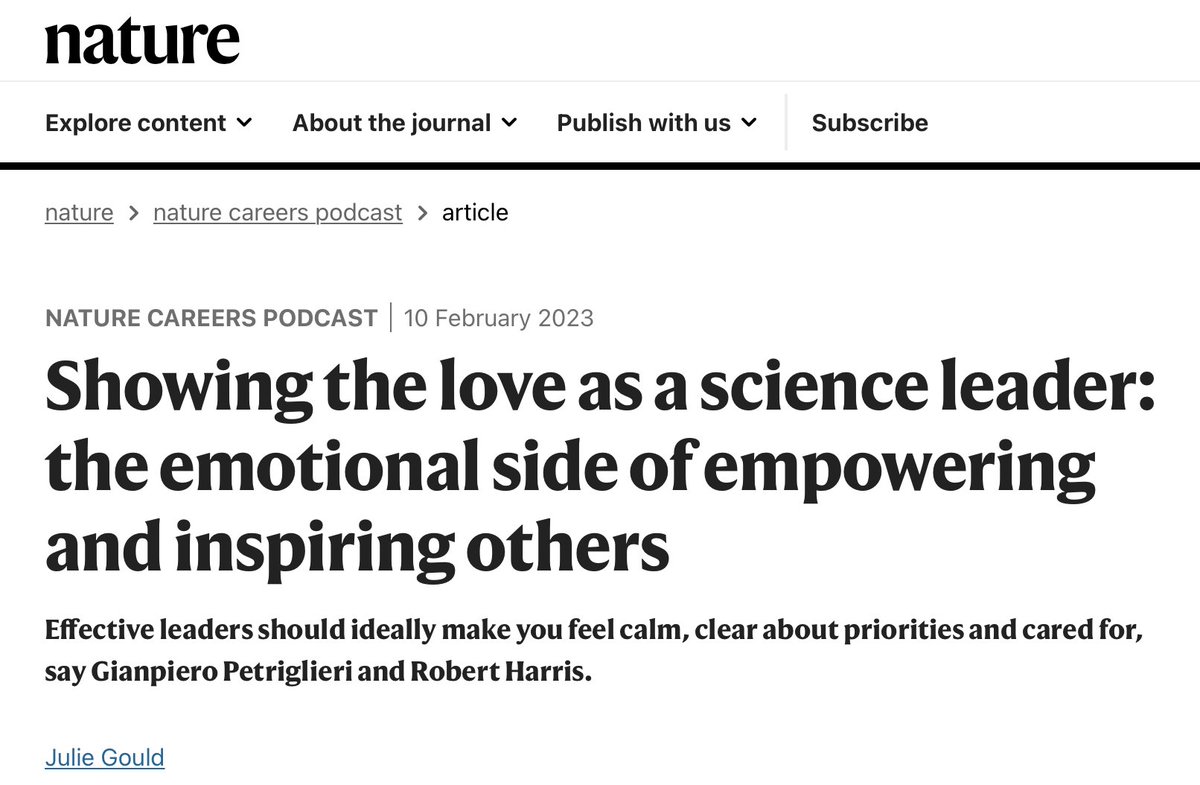
As a professor, pursue the careers of your PhD students and postdocs instead of pursuing your own.
I know it may sound strange and even provocative. But in fact it is how it’s supposed to be.
Unfortunately, a personal gain is the biggest motivation for many professors. More publications, more awards, more invited talks…
Why? In addition to personal recognition, it can result in more funding and higher salaries (especially in the U.S.).
Many PIs say that their personal growth also helps their students get a better visibility. Plus, more funding brings in more students, which is (kind of) “great” for those students.
Others will say that their “tenure requirements are too demanding” and if they stop focusing on personal gain, they will be denied tenure.
In either case, I want you to think about the following:
1. When we focus on personal achievements, we lose track of the wellbeing and personal preferences of team members. Although it often feels like we still track it, in fact we become far less efficient at it. Students' progress and personal development are impeded. Their career opportunities become less diverse or even missed.
2. Concentrating too much funding in one big lab is NOT a good idea because it leads to PhD students receiving far less mentorship and research advising (than in smaller labs).
3. Tenure requirements often look intimidating to young professors. However, in reality, very few professors are denied tenure. Why? First, because any university invest big resources into TT professors and don’t want get rid of them without a big reason. Second, because departments often exaggerate the tenure challenges to ensure their young hires are “hard-working faculties”.
Many PIs think I am too idealistic and propose unrealistic ideas. And a lot of people will never agree with this post. Even myself, I can easily come up with bitter criticism over it.
However, idealism is among the biggest driving forces. It can drive you through challenging times and help improve.
In either case, I want you to think about the following:
1. When we focus on personal achievements, we lose track of the wellbeing and personal preferences of team members. Although it often feels like we still track it, in fact we become far less efficient at it. Students' progress and personal development are impeded. Their career opportunities become less diverse or even missed.
2. Concentrating too much funding in one big lab is NOT a good idea because it leads to PhD students receiving far less mentorship and research advising (than in smaller labs).
3. Tenure requirements often look intimidating to young professors. However, in reality, very few professors are denied tenure. Why? First, because any university invest big resources into TT professors and don’t want get rid of them without a big reason. Second, because departments often exaggerate the tenure challenges to ensure their young hires are “hard-working faculties”.
My message is:
If we all pursue the careers of your students/postdocs in the first place, this shift in priorities will make academia a much better world to live in.
I see an increasing number of faculties trying to genuinely care for their team members, in all countries and academic environments. It is all possible. Just do it. Make science better.
Oh, and don’t forget:
Growth of your team members = Growth of yourself.
#AcademicTwitter #research #phdlife
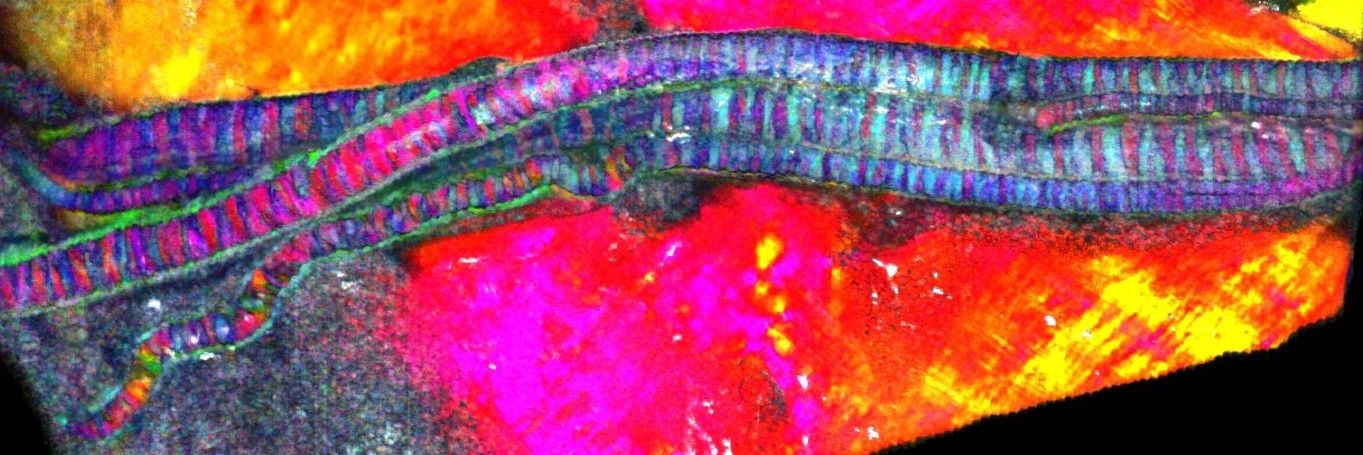
I’m not able to make it to #SfN2022 but postdoc Tomás Huerta from our lab will be there presenting results from calcium imaging of vagus nerve sensory neurons🔬😎
Check out poster #647.13, PP7 if you are still there on Wed!
Thanks @KipLudwig, @StavrosZanos for the wonderful opportunity to learn how to perform the evoked compound action potential recording in rodents' vagus. Thankful for the open-sharing culture. eCAP should soon be a lecture content for people in the field of bioelectric medicine.