este tuit es el ejemplo perfecto de por qué en españa no se puede tener un debate serio sobre pensiones. en cuanto uno pone sobre la mesa que nuestro sistema es demasiado generoso con las cohortes actuales de jubilados a costa de las generaciones que vienen detrás, aparecen las tergiversaciones absurdas: "queréis dejar sin pensión a la gente mayor". nadie está proponiendo eso! (nadie serio, al menos)
cualquier persona con una noción mínima de justicia distributiva y una lectura honesta de los datos llega a la misma conclusión: estamos transfiriendo recursos masivamente hacia un grupo que, en agregado, ya está comparativamente protegido, mientras que los jóvenes de hoy llegan a la edad adulta con menos renta, menos patrimonio y la carga añadida de financiar unas prestaciones a las que no van a acceder en las mismas condiciones (https://t.co/KzDI4yK5HI).
la tasa de riesgo de pobreza en españa para la población entre 25 y 49 años es del 25,6%, la segunda más alta de la UE después de bulgaria (!). la de los mayores de 65 es del 19,5%, en línea con la media europea y la más baja de todos los grandes grupos de edad en españa (fuente: https://t.co/AnGcZ4yvNq). ¿quién está desprotegido aquí exactamente?
si a ti te parece "fascista" pedir un sistema que sea sostenible y equitativo entre generaciones, el problema es que tienes el cerebro hecho papilla y estás usando "fascista" como comodín para cancelar cualquier debate incómodo.
no contesto a este tuit porque crea que se pueda razonar con esta gente. contesto por si alguien más lo lee y le sirve saber que sí hay otro camino: se puede defender un estado del bienestar que no sea injusto con los que vienen detrás, que proteja de verdad a quien lo necesita y que no convierta cualquier crítica en un delito moral.
🎉 Excited to share our new paper: "A polar coordinate system represents syntax in large language models" accepted at #NeurIPS2024.
Joint work with @stephanedascoli Emmanuel Chemla @lakretz and @JeanRemiKing.
Check out the thread below for all the details! 🧵
Build what you need and use what you build. This is a core philosophy of my research. It shifts the focus away from publishing “papers” to what really matters — impact. This thread unpacks why I think this is a successful approach to science. 1/10 Or see:
https://t.co/p3iWJ9LCzf
Excited to share Rotating Features – accepted as oral at #NeurIPS2023
Rotating Features learn to represent object affiliation via their orientation on real-world data without labels.
Let’s dive in!
📜 https://t.co/HbGEn6iR59
🖥️ https://t.co/eGvXqjYRUW
Huge congratulations to my labs very first PhD 🎓🥰 🥇Dr. Steffen Schneider @stes_io who’s also an @ELLISforEurope PhD w/@bethgelab ❤️
@EDNE_EPFL @mwmathislab
I’m so incredibly proud that now he starts his own lab at @HelmholtzMunich ➡️ he’s recruiting! https://t.co/UbAw9Gtp9e
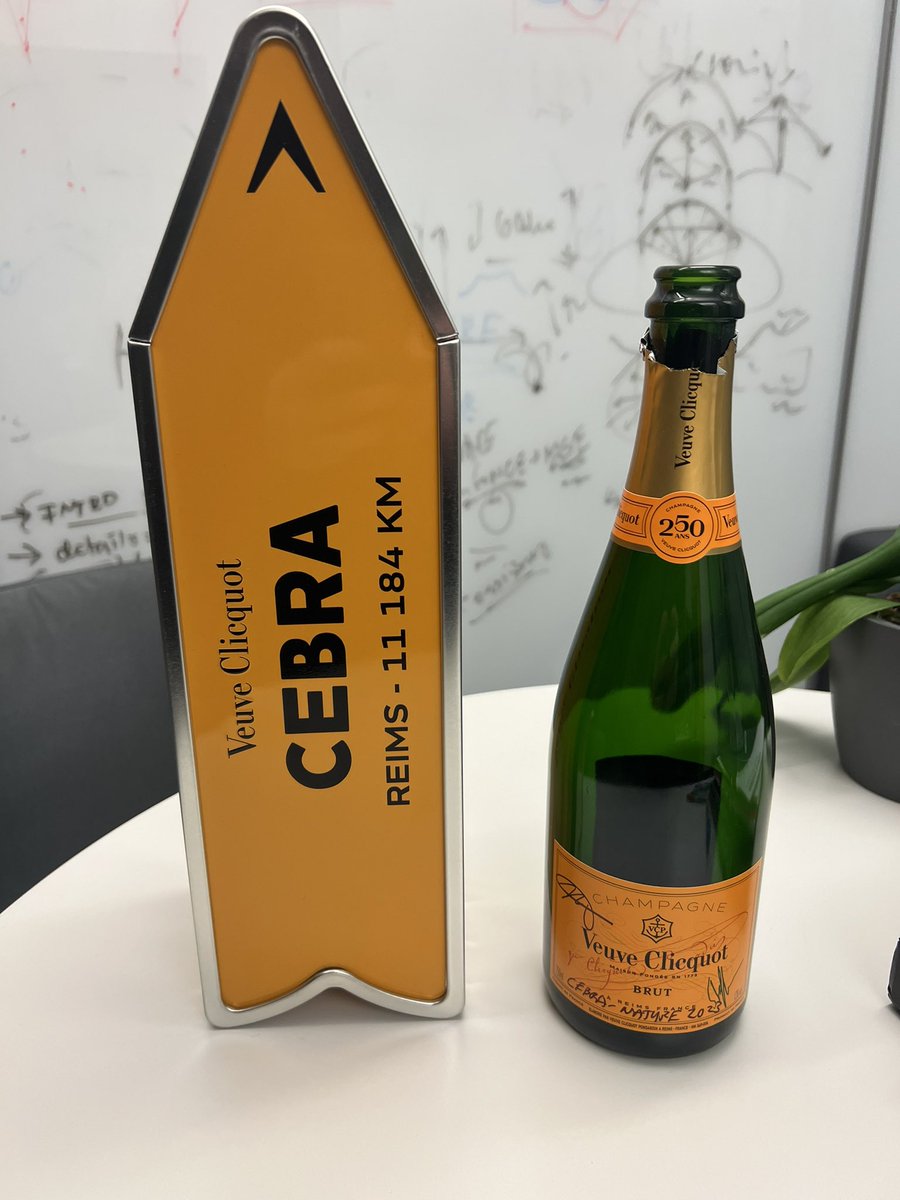
🎉🔥 CEBRA has hit 10K downloads in < 6 months, and we have a new pypi release 0.3.0 to celebrate! 🎉
Full notes: https://t.co/4kwQuAbqB5
thanks to @stes_io@NasFilippova@rgonzalezlaiz@celia_bqt@TrackingActions & the new external contributors too 🙏🏼🔥🦓
Happy #SwissNationalDay🇨🇭🥳🇨🇭🥳
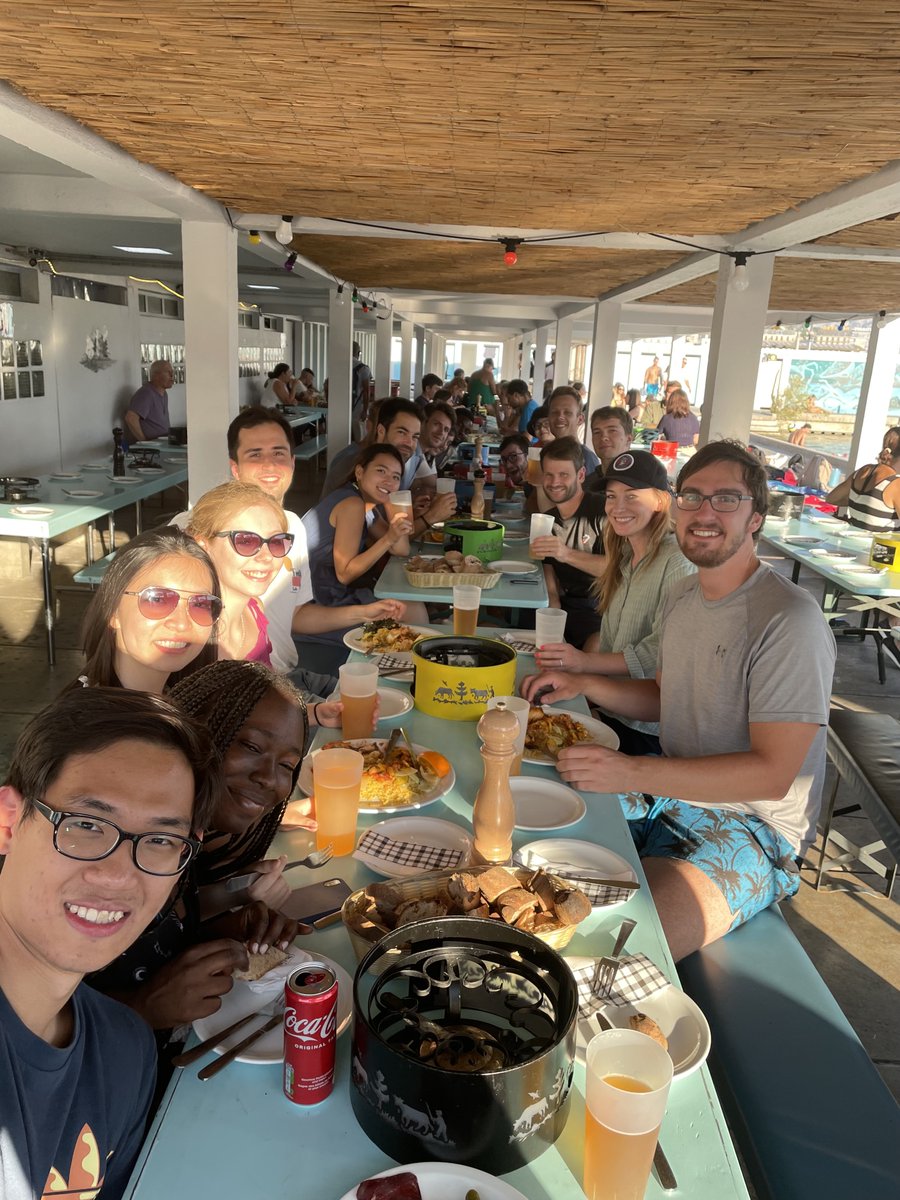
🥳 Happy 3rd @EPFL_en Lab Anniversary! 🚀
Three years ago we started our journey here 🚀 and I’m very proud of what we have accomplished together so far at the @mwmathislab 🥳- more on the way 🔥🐭🦓🕹️🎮
#teamwork#neuroscience#MachineLearning
📢Join us at @ISMRM in Toronto on June 7th 1:30 – 2:30 pm for our Secret Session SWiM (Scan With Me: A Tour of MRI Practices in Low-Resourced Settings) to learn about SWiM, our new training program aimed at advancing the skill sets of MRI imaging technologists in LMICs.
👇Info
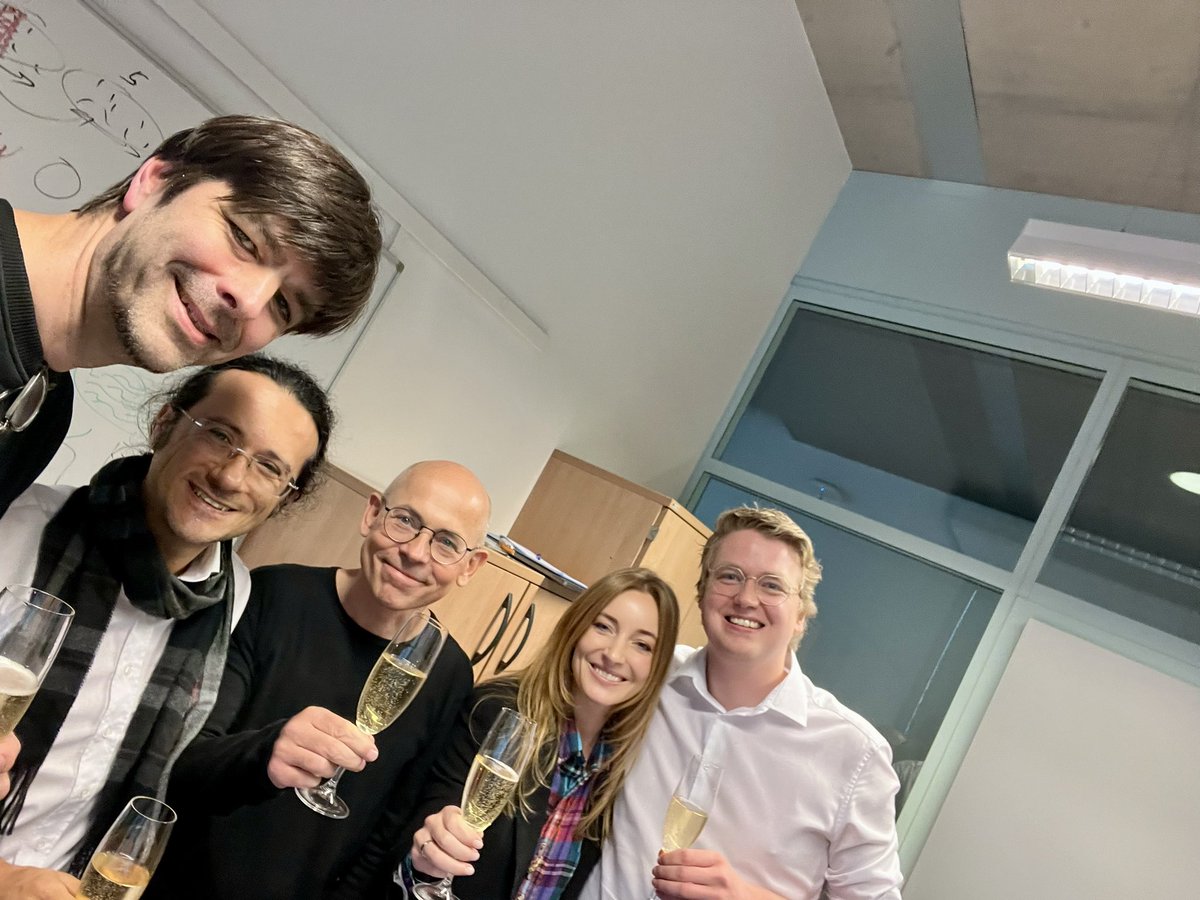
Beyond excited that @cebraAI is out in @Nature today: A new algorithm leveraging self-supervised and supervised contrastive learning for scientific discovery & hypothesis testing!
📑https://t.co/uEJAdskcjd
🦓 https://t.co/GQNqEqb2nK
Read more below🔽🔽🔽
🦓 Self-supervised multimodal ML is promising the next AI breakthrough - in our new work published in @Nature, we debut @CEBRAai: for self-supervised hypothesis- and discovery-driven science.
📝 https://t.co/VmrRfy5V9B
💻https://t.co/RsnRWqkbGs
🦓 https://t.co/zgxSGtOpav
🧵⬇️
🐁🐘🐿🔥SuperAnimals for #Pose
-No human labeling
- Video analysis on over 45 species with only 2 global classes of animal pose models
-If SA needs fine-tuning, its 10× more data efficient & 2X outperforms prior transfer learning
📝@shaokaiyeah et al https://t.co/s3RdKKvcrn
🧵⬇️
If you are interested in Independent Component Analysis, you should check this overview from Hyvärinen et al. of the state of the art for both latent variable and structural equation models.
https://t.co/HO8ZEWscHz
#ica#sem#lvm#causalinference#machinelearning
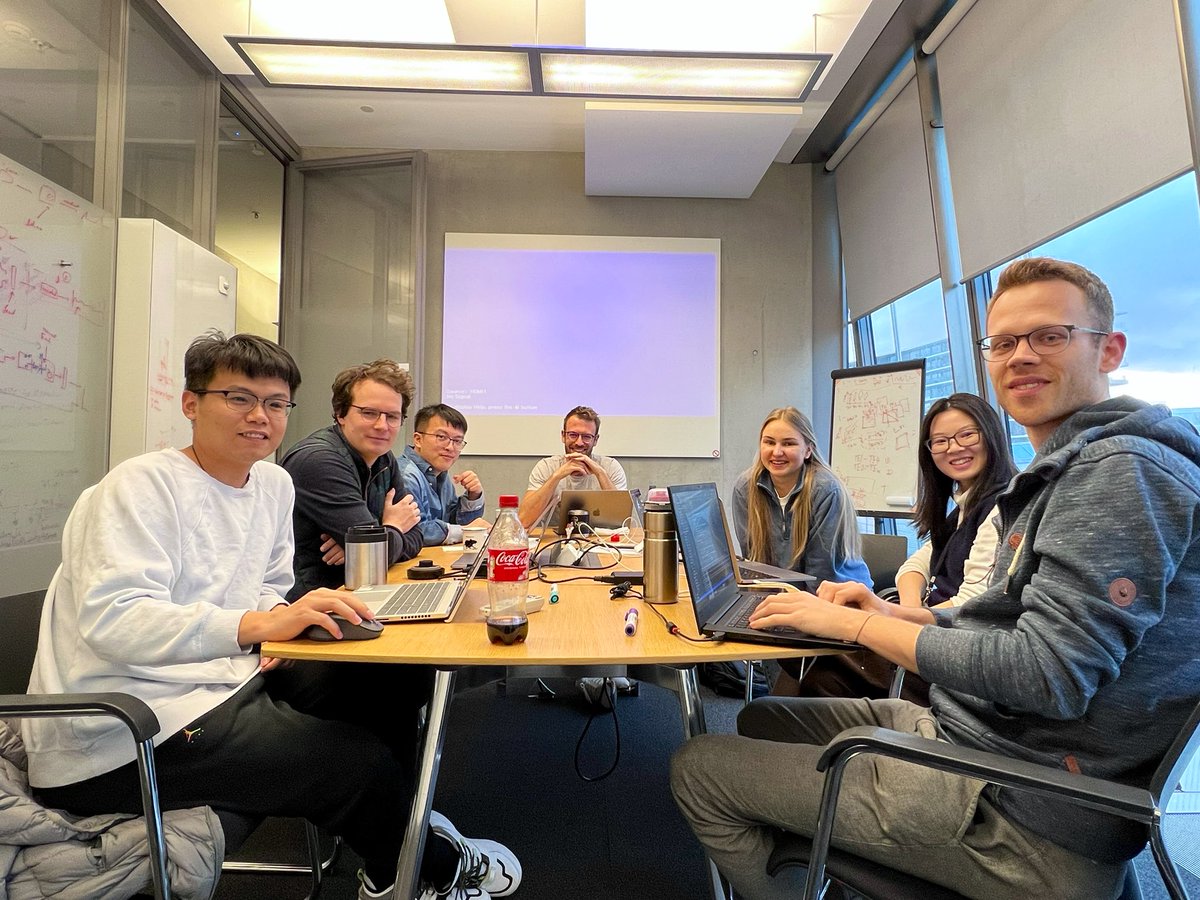
2nd lab anniversary -- thanks to all the lab members for making this such a wonderful journey. Some recent pictures also showing the @mwmathislab below!
📣Part 1 of our quest to better understand the brain was @DeepLabCut.
🔥🦓Now Part 2: Introducing #CEBRA to jointly model neural dynamics & behavior with self-supervised learning. Hypothesis- or data-driven, highly consistent, decodable neural latents
https://t.co/fEiaTSVO2L
🧵👇
This may have seemed like a joke, but seriously: it's absolutely wild that, under rather weak conditions, *all* appropriately scaled sample means
(a) converge(!)
(b) to the *same* type of distribution(!!)
(c) which happens to be *especially* nice(!!!)
How did we get so lucky?