if you run a neobank, wallet or exchange, the travel Rule is about to hit your transfers.
83% of countries have it in law (@FATFNews).
No sender and receiver data, no transfer.
Here's what changes 👇
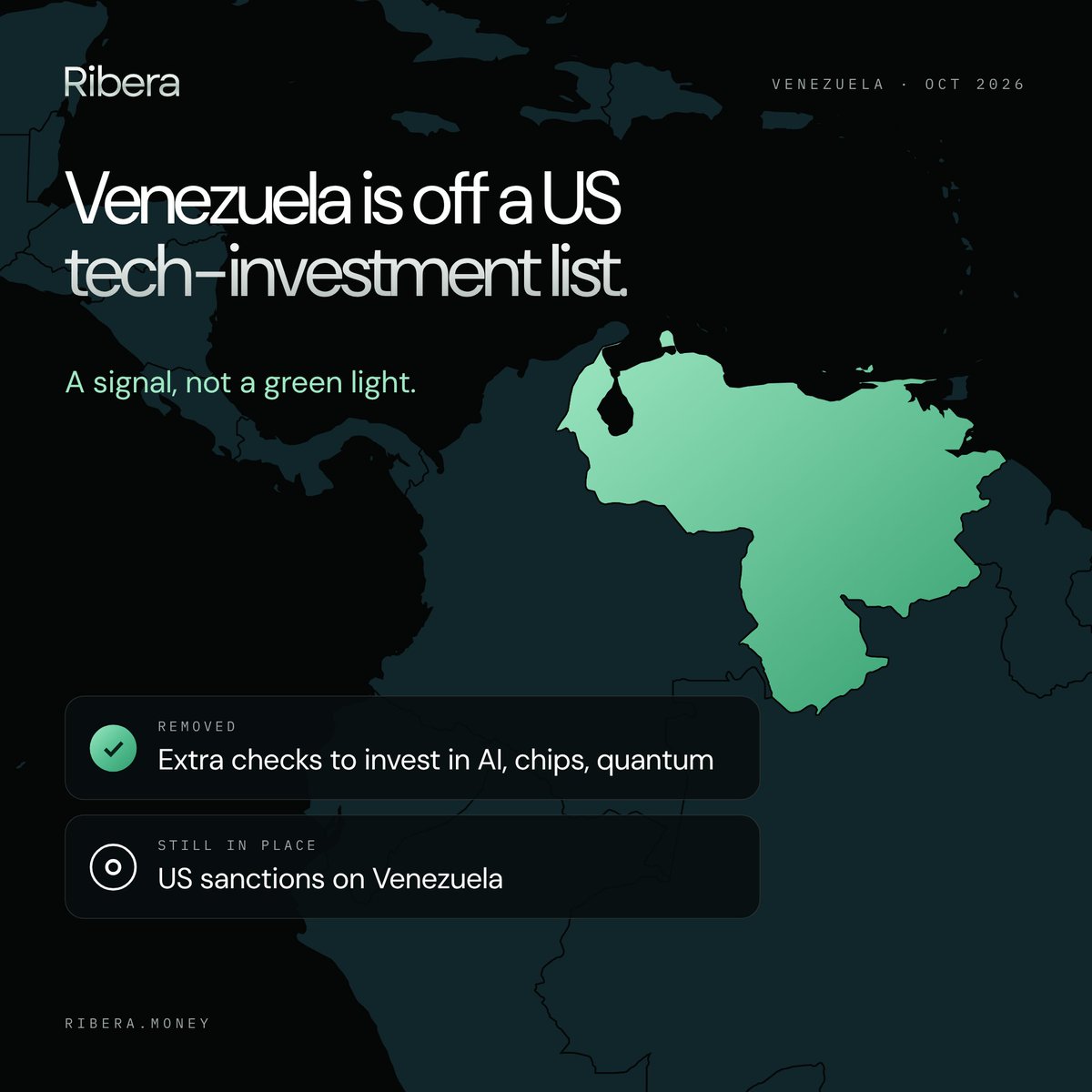
The @USTreasury just took Venezuela off its proposed outbound investment list.
the rule implements the COINS Act. it makes americans notify treasury before investing in AI, chips, quantum, supercomputing, hypersonics and biotech in countries of concern. AI is banned outright.
treasury’s reasoning: the maduro government “no longer exists” and the current one doesn’t meet the definition.
what it doesn’t touch: OFAC sanctions, those are still in force. today’s opening runs on general licenses, and those can be revoked.
treasury also says some investments in venezuelan entities could still fall under the rule.
it’s a proposal. comments close dec 7.
one less barrier on paper but the sanctions screening still applies.
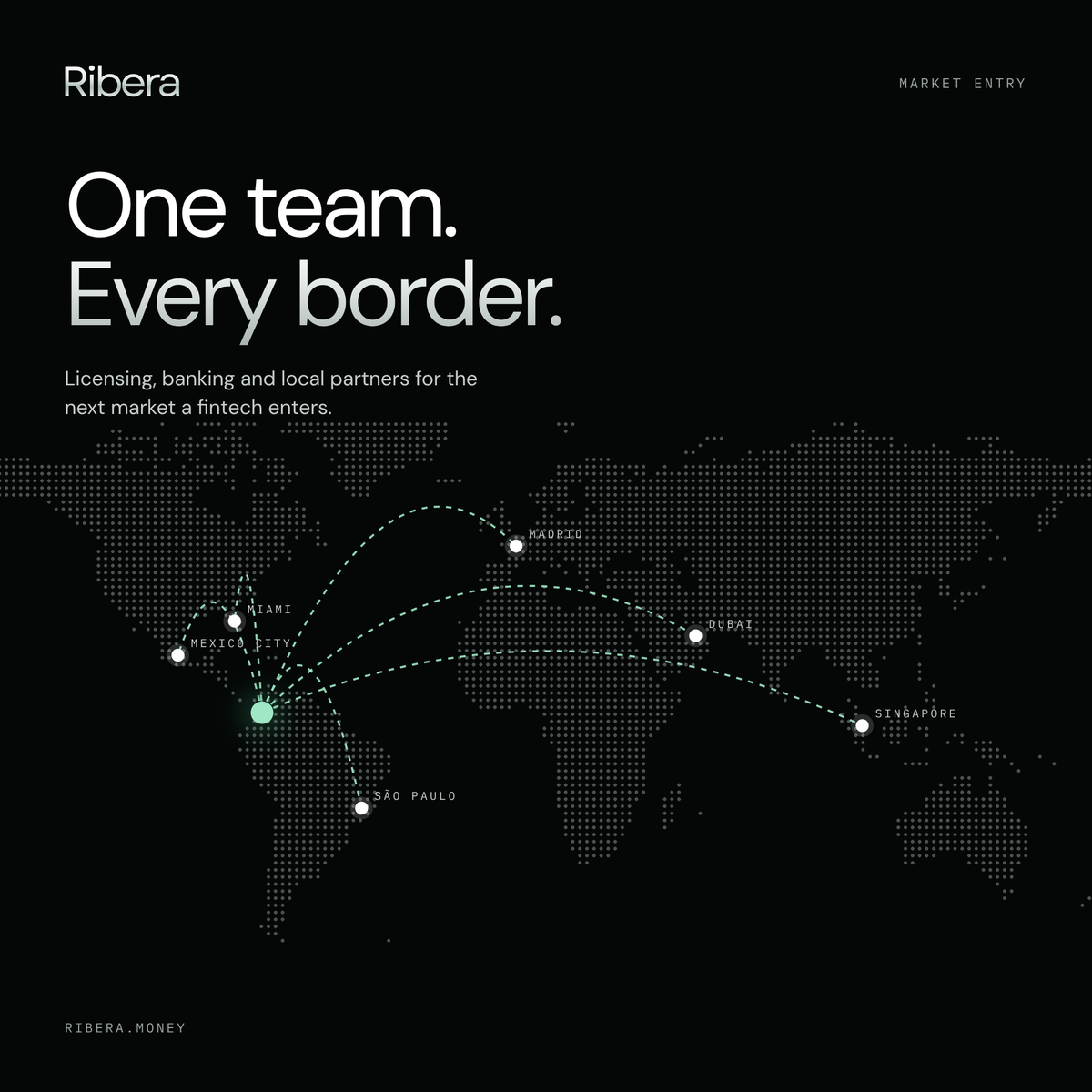
Expanding to a new country?
The first question isn't what the license costs.
It's what you'll actually do there: custody, exchange and payments rarely sit under the same rule.
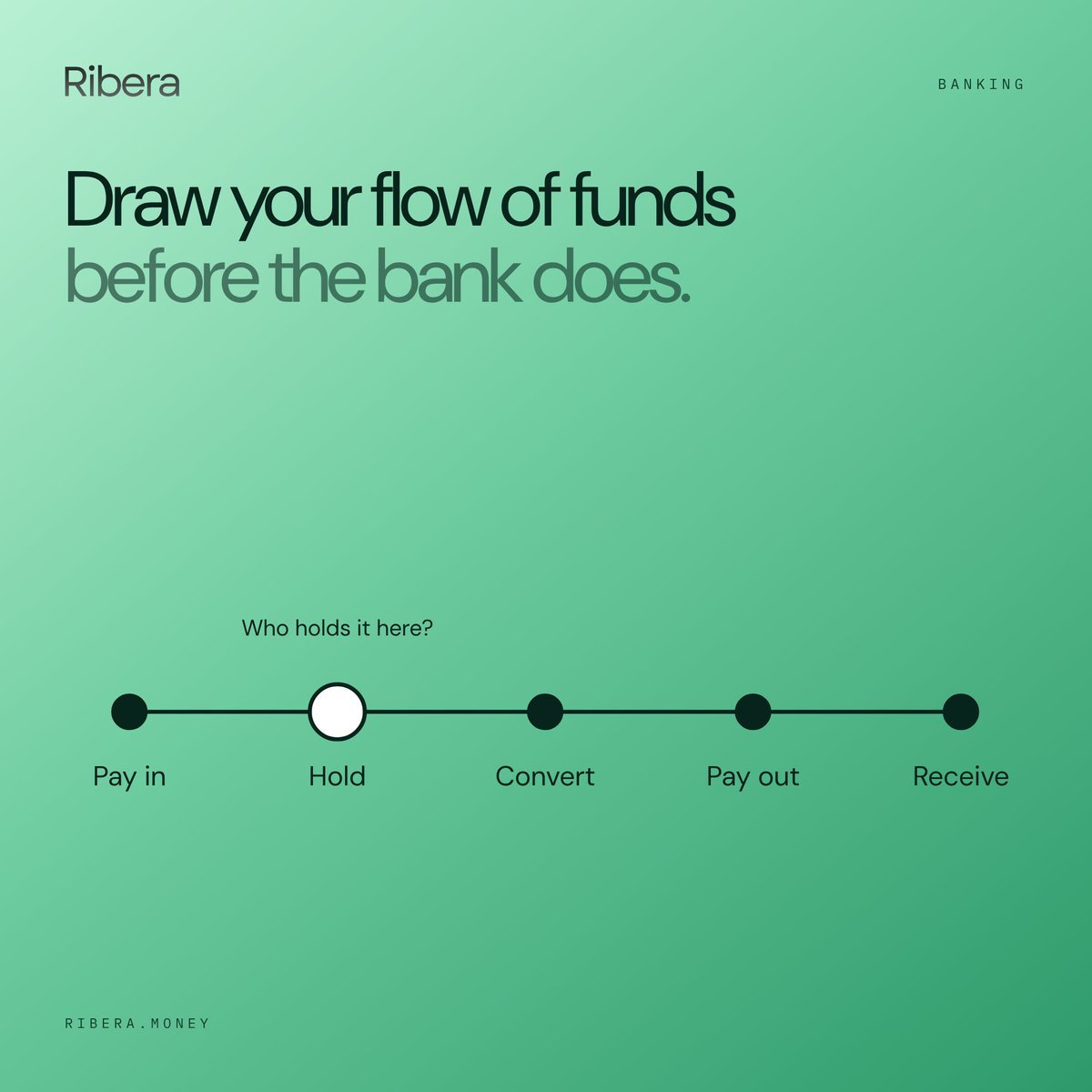
Before the first bank meeting, map how money moves: who pays in, who holds it, who converts it, who pays out.
The bank will draw that map anyway.
Ribera builds it with you first. https://t.co/q7Iz2tgb1Q
Finding a sanctions match and resolving it are two different jobs.
Tools like @chainalysis and @trmlabs do the first, but your team owns the second:
→ same person or name coincidence?
→ what evidence closes it?
→ who signs off?
→ where is the decision recorded?
Treat every match as a confirmed sanction and you block real clients.
Close alerts without evidence and you carry the opposite risk.
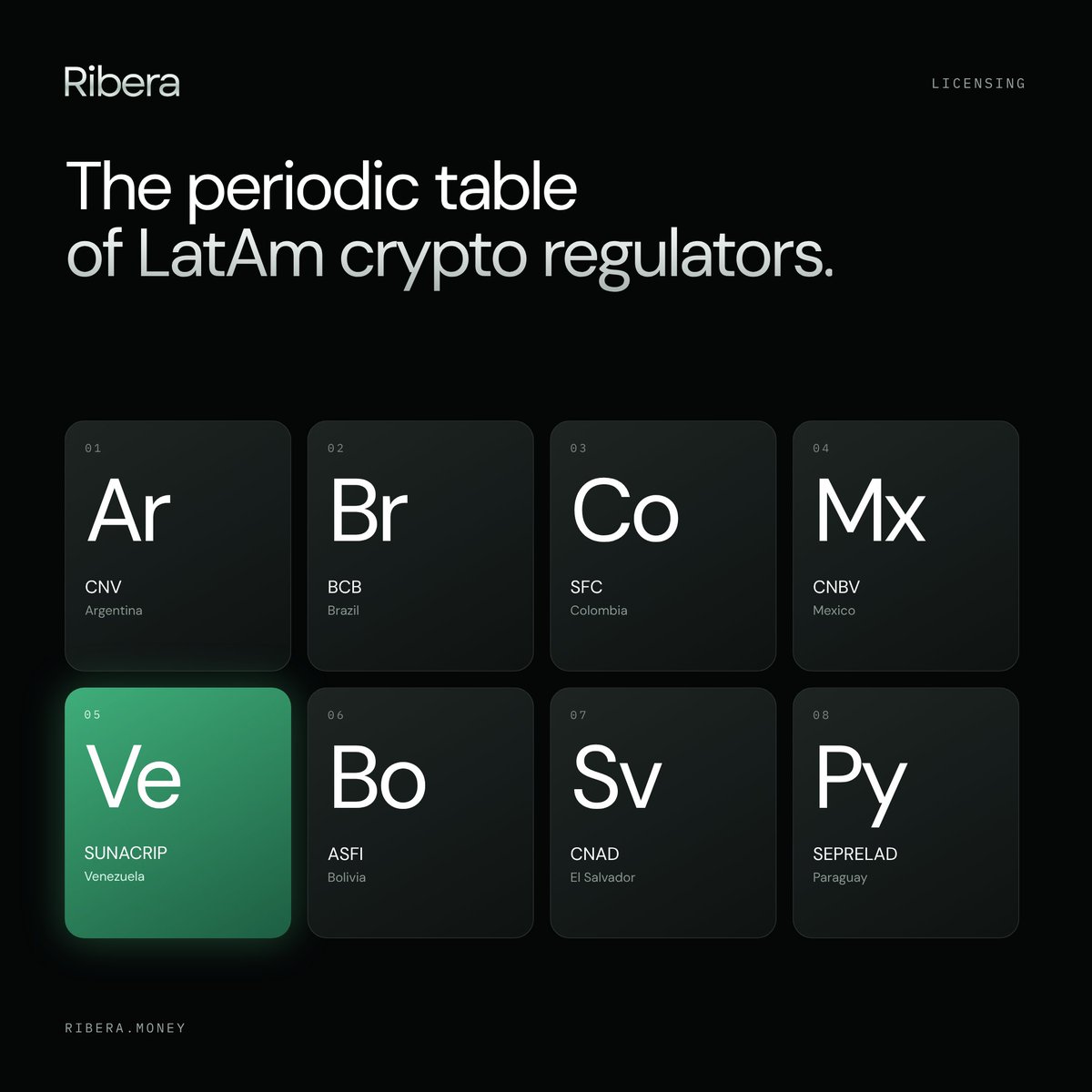
Who supervises a crypto business in Latin America?
It depends on the activity, not only the country. Some markets put the central bank in charge. Others use the securities regulator, a specialized authority or the financial intelligence unit, and often more than one at once.
This map shows the main authorities by country. Use it as a starting point, not a legal opinion: scope changes with the service and with new rules.
Looking at a specific market? Send the country and the service to [email protected] and we'll map what applies for you.
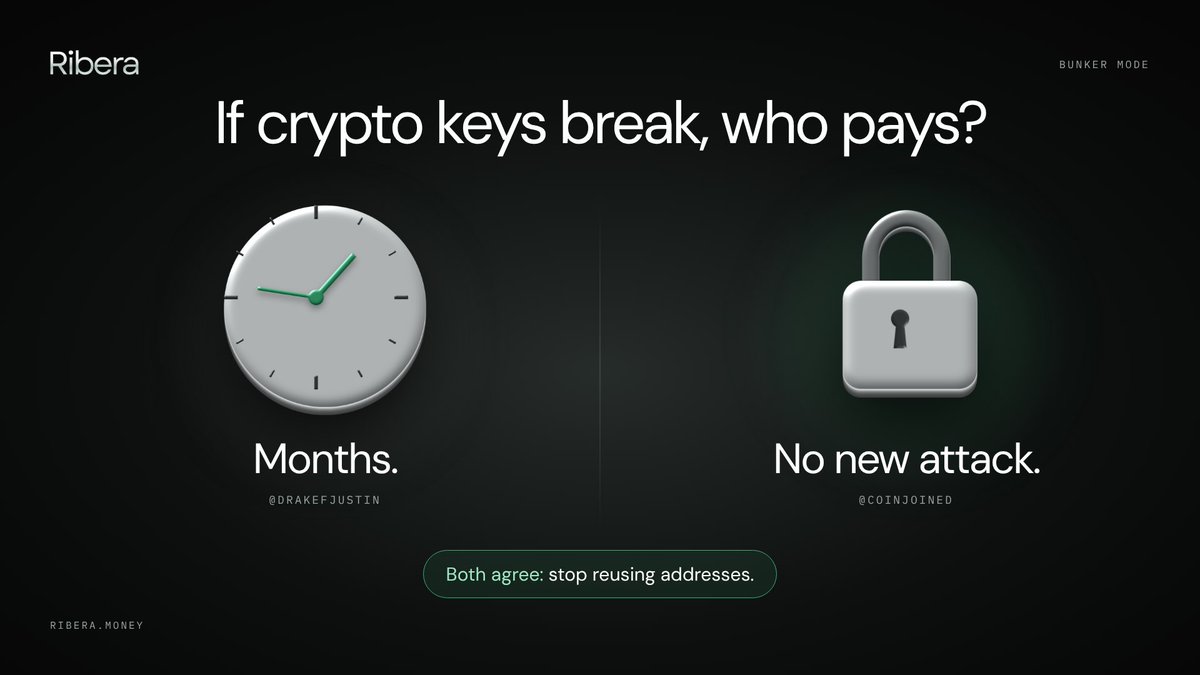
If crypto keys break, who pays? The fight over timing doesn't change the answer.
Today @drakefjustin called for "bunker mode": a calm move of funds to addresses that have never signed, because AI-driven math could weaken ECDSA, the signature scheme behind Bitcoin and Ethereum but @coinjoined answered that no new attack exists and a months-long countdown is fearmongering.
They disagree on when. They agree on what to do: stop reusing addresses, rotate exposed keys, prepare the move to new signatures.
That agreement is the part with legal weight.
→ Once a risk is public and the fix is cheap, "we didn't see it coming" is a weak defense. If you hold funds for clients, a loss from a known, avoidable exposure looks like a failure of care.
→ In the EU, crypto custodians are liable to clients for losses attributable to them under MiCA, the EU crypto law.
→ DORA, the EU's tech-risk rulebook for financial firms, already asks for a plan to update cryptography as attacks on it evolve.
→ NIST, the US standards body, proposes retiring ECDSA after 2030 and banning it in its systems after 2035. Still a draft, but banks and auditors read it.
→ Check your contracts: who carries the loss if a custody or wallet provider's keys fail, and what your insurance excludes.
→ Expect "migrate now" phishing. Clear messages to users protect them and you.
What we'd do this week
1. Map wallets with exposed public keys, largest balances first.
2. Approve a staged, tested move of cold storage to fresh addresses.
3. End address reuse, including for proof of reserves.
4. Ask custody and wallet providers for their plan, in writing.
5. Record the decision and the reasoning at management or board level.
Nothing is broken today. The goal is being able to show, later, that you acted reasonably today.
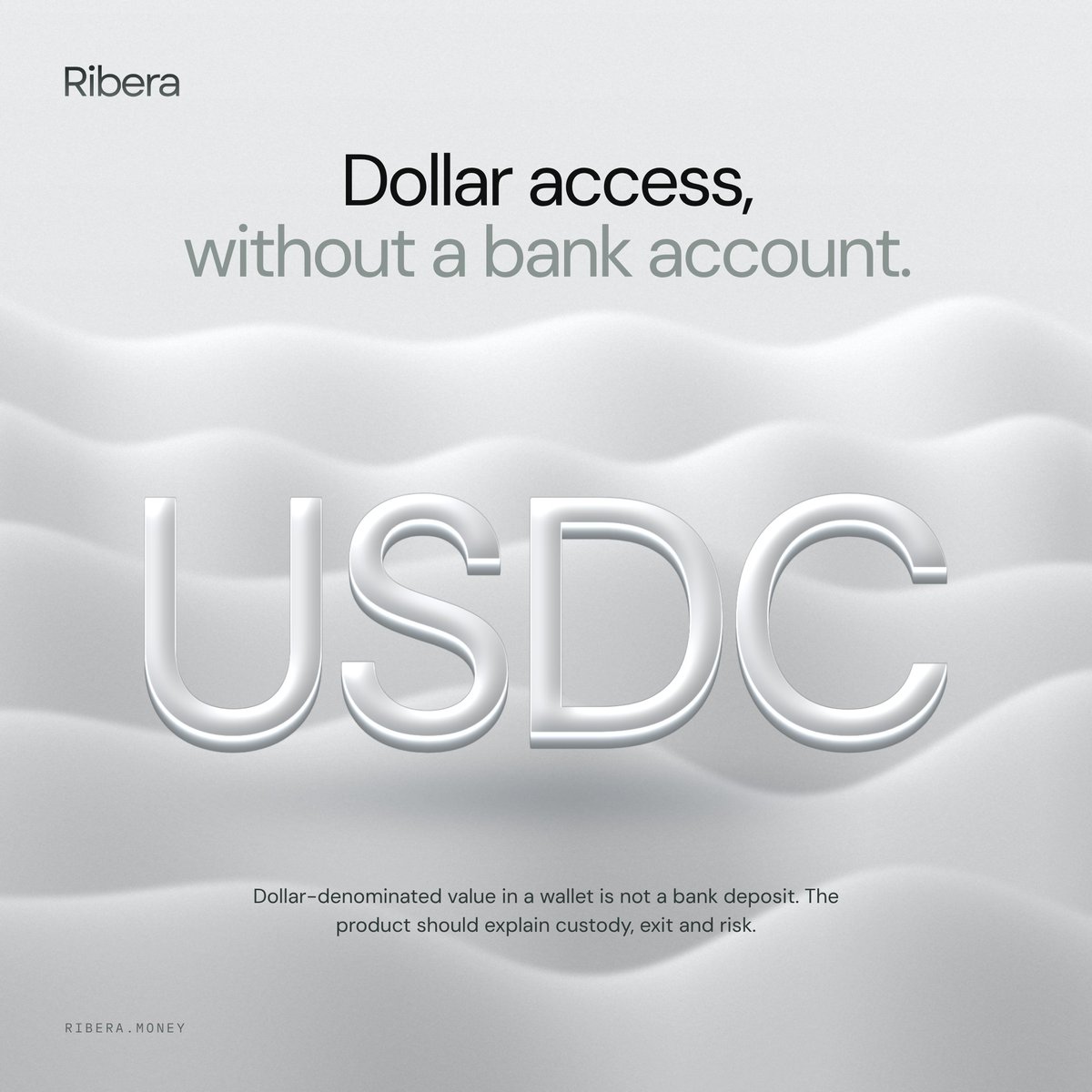
Millions of people want access to dollars without opening a bank account. Stablecoin wallets give them that.
Here's what the best products get right: the balance on screen is the easy part.
The product is everything around it:
→ who holds the assets
→ how the user gets back to local currency
→ what happens if something fails
→ how that risk is explained in plain words
A stablecoin balance is not a bank deposit, and users deserve to know the difference.
Building a dollar wallet?
Ribera reviews the full journey, from deposit to withdrawal.
[email protected]
Cards, stablecoin payments, USD accounts, yield on balances: The infra is ready.
What's missing is the layer underneath: connecting the right on/off-ramps, getting compliant, picking partners, licensing where needed.
That's what we do at Ribera.
Your compliance program, ready for your banking partner.
Ribera sets up the policies, the monitoring and the reporting flows, then keeps them current as you add products and countries.
One team, from license to bank account.
To allocate liability you need to prove what happened: who authorized the agent, within what limits, and whether this specific payment fell inside them. Today almost nobody can produce that record. The agent acts, money moves, and when something goes wrong there's no mandate to point to and no trace of the decision before execution.
On consumer card payments the chargeback system hides the problem.
The issuer absorbs the dispute and the question of what the agent was actually allowed to do never gets asked. But move to commercial payments, bank transfers or stablecoins and there's no chargeback to fall back on. The loss lands wherever it lands, and everyone argues afterward with no evidence.
That's why networks, issuers and merchants can't agree on accountability yet. You can't divide responsibility for something nobody can reconstruct.
The fix is a control layer that sits before the money moves: a defined mandate for each agent, a decision checked against that mandate before every transaction, sealed evidence of both, and a way to stop the agent instantly. Once that record exists, liability stops being a philosophical debate and becomes a question of who broke the mandate.
That's the layer we're building, across cards, bank rails and wallets.
Who is liable when an AI agent makes a payment mistake?
Philip says the liability rules for AI-driven payments have not been worked out yet, and that gap is a major impediment to growth in agentic commerce. For now, he explains, consumer transactions fall mostly on the issuer, since existing digital commerce rules allow a card payment to be charged back to the issuer if a credit or debit card is involved. The picture looks very different on the commercial side, where those consumer protections do not apply in the same way. Until networks, issuers, and merchants agree on clear accountability for agent-initiated payments, uncertainty over who pays when AI gets it wrong will keep slowing adoption.
@ACI_Worldwide