@CloudflareDev Guideloop: An app for high school kids to keep track of their coursework, college prep, take practice SAT exams and get essay reviews. Uses Workers and D1 for most functionality!
https://t.co/sAUW3WysMA
How to grow your app from 0 to 100k users (PLAYBOOK):
by the end, you'll know how to:
- get your first 10 paying customers without a funnel
- build organic growth that compounds monthly
- know exactly when to spend money and when not to
- turn your users into your best acquisition channel
here's the full 7-stage roadmap:
Stage 1 (0-10): find your niche and sell one person at a time
the biggest mistake is building for "everyone"
you don't need a market. you need 10 people who feel the pain so badly they'd pay you today
how to find them:
> pick one specific audience (who can potentially buy the solution)
> go where they already complain: X, Reddit, Slack communities, Discord servers
> read their exact words. the language they use to describe the pain = your marketing copy
> DM 50 people. not pitching. just asking "what's the most frustrating part of [problem]?"
your first 10 customers should feel like you read their mind
with my own product, I went to a conference and just talked about the problem I was solving
5 people wanted to buy before I had anything to sell, 50 are ready to test (at 2x price from basic costs)
metric to watch: conversion from conversation to "shut up and take my money"
mistake to avoid: building features before talking to humans
--------
Stage 2 (10-100): do things that don't scale
forget funnels. forget ads. forget automation
this stage is manual and it's supposed to be
how to get to 100:
> send 20-30 personalized DMs daily on X, Reddit, LinkedIn (not cold outreach!)
> post daily in communities where your audience already lives
> jump in free onboarding calls, watch how people use your product
> when someone leaves, always ask why (it happens often lol)
what this gives you:
1: real feedback that shapes your product into something people actually need
2: language and objections you'll use in marketing for the next 2 years
3: early advocates who tell their friends
the first 100 users will teach you more than any analytics dashboard ever will
don't scale until you've fixed everything these 100 people found broken
metric to watch: how many users come back after week 1
mistake to avoid: automating too early and losing the human feedback loop
--------
Stage 3 (100-500): fix retention before chasing growth
this is where most apps die silently
they keep acquiring users while losing them out the back door
before you spend a single minute on growth, answer these:
1: what % of users are still active after 7 days? 30 days?
2: where exactly do people drop off in onboarding?
3: what does your "WOW moment" look like and how fast do users reach it?
how to fix retention:
> cut time to value. 10 steps to feel the product? make it 3
> one email sequence that gets users to their first win in 24hrs
> remove features that confuse more than they help
> talk to churned users. after 10 calls the pattern is obvious
your target: get churn below 5% monthly before moving to stage 4
because growing with 15% churn is like filling a bucket with a hole in it
metric to watch: monthly churn rate and day-1 retention
mistake to avoid: adding features instead of fixing the experience
--------
Stage 4 (500-1k): build your organic engine and referral system
now you've got the right to scale
two engines to build simultaneously:
content engine:
- pick 2 platforms max (X + LinkedIn, or YouTube + TikTok depending on your audience)
- post 5x/week minimum. document your building process, share insights, show results
- every post should teach one thing or prove one result
- repurpose: one idea = 1 long post + 3 short posts + 1 thread across platforms
referral engine:
- trigger "invite a friend" right when users feel the most value
- reward both sides: extended trial, premium feature, or credit
- make sharing one click with a pre-written message
- track top referrers and treat them like VIPs
this is where growth starts compounding. content brings strangers. referrals bring warm leads. both are free
metric to watch: viral coefficient (how many new users each existing user brings)
mistake to avoid: spreading across 5 platforms and doing all of them poorly
--------
Stage 5 (1k-10k): partnerships, affiliates, and first paid experiments
organic alone hits a ceiling. now you layer
partnerships:
> find products with the same audience but no competition
> propose co-marketing: joint webinars, shared newsletters, bundles
> one right partnership can bring 500+ users overnight
affiliates and BDs:
> launch an affiliate program with 20-30% recurring commission
> recruit creators who already talk to your audience
> find 2-3 BDs to sell your product on commission base
first paid channels:
> only test ads when you know your CAC and LTV cold
> start with retargeting (cheapest and highest intent)
> test one cold channel: Meta for B2C, LinkedIn/Google for B2B
> $500-1k/mo to test. scale only what's profitable in 30 days
metric to watch: CAC to LTV ratio (aim for 1:3 minimum)
mistake to avoid: spending on ads before your funnel converts organically
--------
Stage 6 (10k-50k): scale what works, kill what doesn't
at this stage you already know your channels. now it's about efficiency
what to do:
1: double down on your top 2 channels. kill the rest
2: make your first growth hire
3: automate onboarding, emails, and referral tracking
4: build a community around the product: Discord, Slack, or Circle
the community is your moat:
> users help each other (reduces support costs)
> feature requests come directly from power users
> community members have 2-3x higher retention than non-members
> it creates switching costs that competitors can't copy
metric to watch: revenue per employee and growth rate month over month
mistake to avoid: hiring too fast and burning cash before the model is proven
--------
Stage 7 (50k-100k): brand, moat, and paid scale
you're no longer just an app. you're a brand
how to think about this stage:
> brand is why someone picks you over 10 alternatives without comparing features
> invest in design, storytelling, positioning, make the product feel inevitable
> go bigger: conferences, podcasts, media, Product Hunt at scale
paid acquisition at scale:
- increase ad budget on proven channels
- test new channels (influencer marketing, sponsorships, programmatic)
- build lookalike audiences from your best customers
- keep CAC under control as you scale, it will try to climb
protect the moat:
1: deepen community engagement
2: build integrations and partnerships that make leaving painful
3: create content flywheel that compounds (SEO, YouTube library, newsletter archive)
metric to watch: brand search volume and organic vs paid ratio
mistake to avoid: letting paid acquisition become your only growth channel
--------
CONCLUSION
most apps die between 100 and 1,000 users because founders skip retention and jump straight to ads
the truth is: the first 3 stages are ugly, manual, and slow
but they build the foundation that makes stages 4-7 feel like gravity
start narrow. fix retention. then scale
Growth is a system, make it effective ♥️
P.S. since this day, I will start showing what I build in public to show you how I grow revenue in my apps
make the products and do an immediate ship for less than 1 week
and how you can repeat this system.
@OpenSauceLive Does anyone want my cheap ticket for OpenSauce 25 in bay area? I bought for 200 dollars but can’t go anymore. Open to offers! #opensauce#opensauce25
Does anyone know of any hackathons or development groups in the Bay Area where people can collaborate and build together?
I’ve been missing the energy of hackathons since graduating and would love to get back into it!
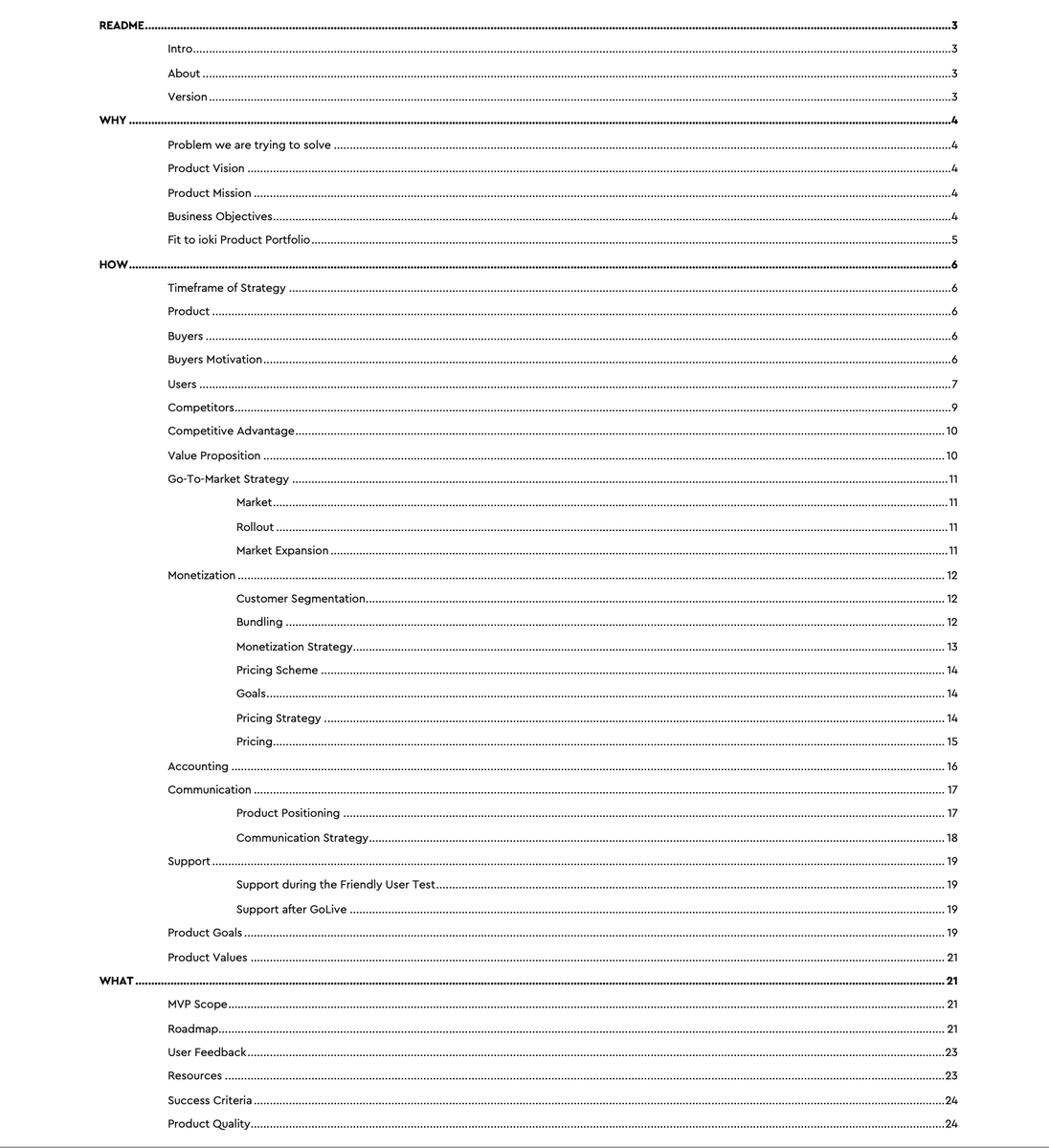
A Product Strategy paper is real work.
You will spend many, many hours to setup one, align it with others, revise it, execute the strategy.
Below I share with you a product strategy example of one of the products I'm working on.
After 10 years of building consumer social apps, I've decided to start exploring new areas. Building these products is an unforgiving grind—but I learned a lot along the way.
For those embarking on this path, here's everything you need to know:
TIME FOR A THREAD 👇
✨ Introducing Magic UI 🪄
A UI library of animated components to build beautiful landing pages.
Built using @reactjs, @tailwindcss and @framer motion.
100% Free and Open Source.
https://t.co/9hmZ6EZV0L
yeah sure sex is cool but have you tried cutting out 🍃every single blade of grass🍃 from an image and animating each one in css by hand to give your illustrations a subtle hint of motion?
Scenario: You're trying to figure out metrics for your product.
You bring together a cross-functional group & run a workshop.
But you don't have any good prompts to kick off a good conversation.
Try these great prompts from Amplitude:
If I were to start my product management career all over again:
→ I would read these books
→ Stay away from generic advice
→ Translate my learnings into practice
12-Month MBA for PMs (better than any $127K course)
Month 1:
- Introduction: Inspired by Marty Cagan
- Leadership: Empowered by Marty Cagan and Chris Jones
- Startups: The Right It by Alberto Savoia
Month 2:
- Product Discovery: Continuous Discovery Habits by Teresa Torres
-Interviews: The Mom Test by Rob Fitzpatrick
- Product-Market Fit: The Lean Product Playbook by Dan Olsen
Month 3:
-Business Model Generation by Alexander Osterwalder and Yves Pigneur
-Value Proposition Design by Alexander Osterwalder and others
-Testing Business Ideas by Alexander Osterwalder and David Bland
Month 4:
- Setting goals: Radical Focus by Christina Wodtke
- Leading with context: No Rules Rules by Reed Hastings
- Teams: Team Topologies by Manuel Pais and Matthew Skelton
Month 5:
-PLG: Product-Led Growth by Wes Bush
-Retention: Hooked by Nir Eyal
- Product-led Certification Course by Pendo with our dedicated 100% discount code not available elsewhere (I’m not an affiliate)
Month 6:
- Marketing: This is Marketing by Seth Godin
- Marketing for tech startups: Crossing the Chasm by Geoffrey A. Moore
- Product Growth: Hacking Growth by Sean Ellis
Month 7:
- Public speaking: Talk Like TED by Carmine Gallo
- Copywriting: The Copywriter's Handbook by Robert W. Bly
- Negotiating: Never Split the Difference by Christopher Voss and Tahl Raz
Month 8:
- Making decisions: Thinking, Fast and Slow by Daniel Kahneman
- Effectiveness: The 7 Habits of Highly Effective People by Stephen M. R. Covey
- Networking: Superconnector by Ryan Paugh and Scott Gerber
Month 9:
- Leadership: The Making of a Manager by Julie Zhuo
- Financial Intelligence: The Psychology of Money by Morgan Housel
- Accounting: Accounting for Non-Accountants by Wayne A. Label
Month 10:
- Product Analytics: Lean Analytics by Alistair Croll and Ben Yoskovitz
- A free North Star Framework Compendium: Free PDF
- Product Analytics Certification course by Pendo with our 100% discount code not available elsewhere (I’m not an affiliate)
Month 11:
- JTBD: Jobs-to-be-Done by Tony Ulwick
- What to build: Escaping the Build Trap by Melissa Perri
- Building products: Build by Tony Fadell
Month 12:
-Strategy: Playing to Win by Roger Martin
-Business portfolio: The Invincible Company by Frederic Etiemble, Alan Smith, Alexander Osterwalder, Yves Pigneur
Bonus (recommended):
- Career: The Ultimate Guide to Getting a PM Job by Aakash Gupta
- Learning from the best: Working Backwards by Colin Bryar and Bill Carr
- 600+ Free Product Management Learning Resources
- Product Manager Competencies Map
- Product Management Skills Assessments
- Top 16 Free Product Management Courses & Certificates
[All links in the thread 🧵]
This is the best time to start a company in 30 years.
I’ll summarize some of the best opportunities for you:
1. Buy distressed VC assets. Recap them. Offer team dividends going forward. Turn them into profit machines.
2. The media apocalypse is here. 20,000+ media employees have been LAID off in the last 12 months. From Condé Nast to Washington Post. How can you build a new media company that's profitable, AI-powered and community-first with that talent?
3. Apple Vision Pro App Store. 400,000 headsets will be sold in the next 12 months. it looks like a joke until it isnt. Create unique apps for that app store, be first.
4. The Figma-fication of everything. Turning software that was once single-player into multi-player is a generational opportunity. The future of software looks like Arc, Figma etc.
5. SaaS business model is dying. People are tired of Saas Subscriptions. One-time payments or pay-per-task SaaS is becoming normal.
6. Eldertech. Boomers are retiring. Probably one of the most underserved audiences. So much to be built for them.
7. Leverage creators, they are mispriced. Most creators can’t monetize beyond brand deals. They have distribution old media dreams of. Partner with them. Help them productize themselves and earn upside.
8. GPT Store. Fastest growing product of all time just launched an app store? Literally the next App Store.
9. Agents for everyone. You get an agent, and you get an agent and you get an agent. Who will be the Oprah of AI agents?
10. Productized services. How can you make a service like a product? Enable it by global workforce and AI. We built https://t.co/FPRIhIfWfn to build marketing assets for folks on a monthly basis. People pay us monthly fee to turn their market assets (landing pages, lead magnets, social assets) into revenue generating machines. Business does 7 figures overnight.
11. The unbundling of ChatGPT. ChatGPT won’t be everything to everyone. Just like how Craigslist, Reddit etc got unbundled, so will ChatGPT. ChatGPT for X.
12. Internet memberships are the new community. Digital communities that sell workshops, IRL events, software, deals etc. I created a limited membership with a monthly email with startup ideas, trends, private Q&A, free $99/month Skool sub, software deals and built $27k MRR in 3 months. https://t.co/NW2C96QOHD
13. The rise of the detox economy. People are overloaded with screens and seed oils. Build businesses for this new detox economy
14. High Interest rates at 5-6% make companies want to increase profits, reduce costs. There’s a bunch of businesses to create to help them do it.
15. Almost half of gen-z doesn’t believe in religion. The rise of community-based brands. This is your opportunity to build things they feel connected to.
16. Happiness, fulfillment, stability, and safety are at all-time lows for gen-z relative to other generations. How can we build products, services to help them?
17. Google is being completely rewritten thanks to AI. Billions of visits up for grabs. People are calling it "SEO 2.0". Learn how to do it yourself (https://t.co/GpDeHDkK5x or hire someone https://t.co/pIYc4oMEYf). These "boring" ways to get customers (like SEO) will only get more popular
18. Privacy-first startups. Yeah most people care more about convenience than anything, but there’s a growing privacy movement. The more people get hacked and phished, the more they care about their privacy and security.
19. TikTok stores. Today, I met an 18 year old guy who made $1m in the last 45 days from a TikTok store. He sourced the product, partnered with a creator, never raised $1 and was profitable on every purchase. I think you'll start seeing more of these stories with the rise of social selling, live (IG live/TikTok live) selling.
20. Multipreneurship. Portfolio of internet businesses instead of one internet business. Small mindset shift, big difference. Buy small profitable businesses to help scale it. Fund it via customers ideally.
21. The pop of the newsletter bubble. When the newsletter bubble pops (yes, when), it'll be an opportunity to scoop up interesting newsletters and aggregate and take them from a newsletter business to a business powered by a newsletter
AND MANY MORE OPPORTUNITIES. This is just a few to get your creative juices flowing.
After reading this, do you agree the opportunities right now are kinda mind blowing?
Every business is made out of thin air.
Just a good idea, the right timing and consistency.
The right timing is now.
It fires me up, does it fire you up?
Do you agree? What am I missing?
(in the next tweet ill give you some free resources for your journey)











![DeRonin_'s tweet photo. How to grow your app from 0 to 100k users (PLAYBOOK):
by the end, you'll know how to:
- get your first 10 paying customers without a funnel
- build organic growth that compounds monthly
- know exactly when to spend money and when not to
- turn your users into your best acquisition channel
here's the full 7-stage roadmap:
Stage 1 (0-10): find your niche and sell one person at a time
the biggest mistake is building for "everyone"
you don't need a market. you need 10 people who feel the pain so badly they'd pay you today
how to find them:
> pick one specific audience (who can potentially buy the solution)
> go where they already complain: X, Reddit, Slack communities, Discord servers
> read their exact words. the language they use to describe the pain = your marketing copy
> DM 50 people. not pitching. just asking "what's the most frustrating part of [problem]?"
your first 10 customers should feel like you read their mind
with my own product, I went to a conference and just talked about the problem I was solving
5 people wanted to buy before I had anything to sell, 50 are ready to test (at 2x price from basic costs)
metric to watch: conversion from conversation to "shut up and take my money"
mistake to avoid: building features before talking to humans
--------
Stage 2 (10-100): do things that don't scale
forget funnels. forget ads. forget automation
this stage is manual and it's supposed to be
how to get to 100:
> send 20-30 personalized DMs daily on X, Reddit, LinkedIn (not cold outreach!)
> post daily in communities where your audience already lives
> jump in free onboarding calls, watch how people use your product
> when someone leaves, always ask why (it happens often lol)
what this gives you:
1: real feedback that shapes your product into something people actually need
2: language and objections you'll use in marketing for the next 2 years
3: early advocates who tell their friends
the first 100 users will teach you more than any analytics dashboard ever will
don't scale until you've fixed everything these 100 people found broken
metric to watch: how many users come back after week 1
mistake to avoid: automating too early and losing the human feedback loop
--------
Stage 3 (100-500): fix retention before chasing growth
this is where most apps die silently
they keep acquiring users while losing them out the back door
before you spend a single minute on growth, answer these:
1: what % of users are still active after 7 days? 30 days?
2: where exactly do people drop off in onboarding?
3: what does your "WOW moment" look like and how fast do users reach it?
how to fix retention:
> cut time to value. 10 steps to feel the product? make it 3
> one email sequence that gets users to their first win in 24hrs
> remove features that confuse more than they help
> talk to churned users. after 10 calls the pattern is obvious
your target: get churn below 5% monthly before moving to stage 4
because growing with 15% churn is like filling a bucket with a hole in it
metric to watch: monthly churn rate and day-1 retention
mistake to avoid: adding features instead of fixing the experience
--------
Stage 4 (500-1k): build your organic engine and referral system
now you've got the right to scale
two engines to build simultaneously:
content engine:
- pick 2 platforms max (X + LinkedIn, or YouTube + TikTok depending on your audience)
- post 5x/week minimum. document your building process, share insights, show results
- every post should teach one thing or prove one result
- repurpose: one idea = 1 long post + 3 short posts + 1 thread across platforms
referral engine:
- trigger "invite a friend" right when users feel the most value
- reward both sides: extended trial, premium feature, or credit
- make sharing one click with a pre-written message
- track top referrers and treat them like VIPs
this is where growth starts compounding. content brings strangers. referrals bring warm leads. both are free
metric to watch: viral coefficient (how many new users each existing user brings)
mistake to avoid: spreading across 5 platforms and doing all of them poorly
--------
Stage 5 (1k-10k): partnerships, affiliates, and first paid experiments
organic alone hits a ceiling. now you layer
partnerships:
> find products with the same audience but no competition
> propose co-marketing: joint webinars, shared newsletters, bundles
> one right partnership can bring 500+ users overnight
affiliates and BDs:
> launch an affiliate program with 20-30% recurring commission
> recruit creators who already talk to your audience
> find 2-3 BDs to sell your product on commission base
first paid channels:
> only test ads when you know your CAC and LTV cold
> start with retargeting (cheapest and highest intent)
> test one cold channel: Meta for B2C, LinkedIn/Google for B2B
> $500-1k/mo to test. scale only what's profitable in 30 days
metric to watch: CAC to LTV ratio (aim for 1:3 minimum)
mistake to avoid: spending on ads before your funnel converts organically
--------
Stage 6 (10k-50k): scale what works, kill what doesn't
at this stage you already know your channels. now it's about efficiency
what to do:
1: double down on your top 2 channels. kill the rest
2: make your first growth hire
3: automate onboarding, emails, and referral tracking
4: build a community around the product: Discord, Slack, or Circle
the community is your moat:
> users help each other (reduces support costs)
> feature requests come directly from power users
> community members have 2-3x higher retention than non-members
> it creates switching costs that competitors can't copy
metric to watch: revenue per employee and growth rate month over month
mistake to avoid: hiring too fast and burning cash before the model is proven
--------
Stage 7 (50k-100k): brand, moat, and paid scale
you're no longer just an app. you're a brand
how to think about this stage:
> brand is why someone picks you over 10 alternatives without comparing features
> invest in design, storytelling, positioning, make the product feel inevitable
> go bigger: conferences, podcasts, media, Product Hunt at scale
paid acquisition at scale:
- increase ad budget on proven channels
- test new channels (influencer marketing, sponsorships, programmatic)
- build lookalike audiences from your best customers
- keep CAC under control as you scale, it will try to climb
protect the moat:
1: deepen community engagement
2: build integrations and partnerships that make leaving painful
3: create content flywheel that compounds (SEO, YouTube library, newsletter archive)
metric to watch: brand search volume and organic vs paid ratio
mistake to avoid: letting paid acquisition become your only growth channel
--------
CONCLUSION
most apps die between 100 and 1,000 users because founders skip retention and jump straight to ads
the truth is: the first 3 stages are ugly, manual, and slow
but they build the foundation that makes stages 4-7 feel like gravity
start narrow. fix retention. then scale
Growth is a system, make it effective ♥️
P.S. since this day, I will start showing what I build in public to show you how I grow revenue in my apps
make the products and do an immediate ship for less than 1 week
and how you can repeat this system.](https://pbs.twimg.com/media/HElEjguaIAA7BRp.jpg)



![PawelHuryn's tweet photo. 12-Month MBA for PMs (better than any $127K course)
Month 1:
- Introduction: Inspired by Marty Cagan
- Leadership: Empowered by Marty Cagan and Chris Jones
- Startups: The Right It by Alberto Savoia
Month 2:
- Product Discovery: Continuous Discovery Habits by Teresa Torres
-Interviews: The Mom Test by Rob Fitzpatrick
- Product-Market Fit: The Lean Product Playbook by Dan Olsen
Month 3:
-Business Model Generation by Alexander Osterwalder and Yves Pigneur
-Value Proposition Design by Alexander Osterwalder and others
-Testing Business Ideas by Alexander Osterwalder and David Bland
Month 4:
- Setting goals: Radical Focus by Christina Wodtke
- Leading with context: No Rules Rules by Reed Hastings
- Teams: Team Topologies by Manuel Pais and Matthew Skelton
Month 5:
-PLG: Product-Led Growth by Wes Bush
-Retention: Hooked by Nir Eyal
- Product-led Certification Course by Pendo with our dedicated 100% discount code not available elsewhere (I’m not an affiliate)
Month 6:
- Marketing: This is Marketing by Seth Godin
- Marketing for tech startups: Crossing the Chasm by Geoffrey A. Moore
- Product Growth: Hacking Growth by Sean Ellis
Month 7:
- Public speaking: Talk Like TED by Carmine Gallo
- Copywriting: The Copywriter's Handbook by Robert W. Bly
- Negotiating: Never Split the Difference by Christopher Voss and Tahl Raz
Month 8:
- Making decisions: Thinking, Fast and Slow by Daniel Kahneman
- Effectiveness: The 7 Habits of Highly Effective People by Stephen M. R. Covey
- Networking: Superconnector by Ryan Paugh and Scott Gerber
Month 9:
- Leadership: The Making of a Manager by Julie Zhuo
- Financial Intelligence: The Psychology of Money by Morgan Housel
- Accounting: Accounting for Non-Accountants by Wayne A. Label
Month 10:
- Product Analytics: Lean Analytics by Alistair Croll and Ben Yoskovitz
- A free North Star Framework Compendium: Free PDF
- Product Analytics Certification course by Pendo with our 100% discount code not available elsewhere (I’m not an affiliate)
Month 11:
- JTBD: Jobs-to-be-Done by Tony Ulwick
- What to build: Escaping the Build Trap by Melissa Perri
- Building products: Build by Tony Fadell
Month 12:
-Strategy: Playing to Win by Roger Martin
-Business portfolio: The Invincible Company by Frederic Etiemble, Alan Smith, Alexander Osterwalder, Yves Pigneur
Bonus (recommended):
- Career: The Ultimate Guide to Getting a PM Job by Aakash Gupta
- Learning from the best: Working Backwards by Colin Bryar and Bill Carr
- 600+ Free Product Management Learning Resources
- Product Manager Competencies Map
- Product Management Skills Assessments
- Top 16 Free Product Management Courses & Certificates
[All links in the thread 🧵]](https://pbs.twimg.com/media/GFcSp7rXMAASQcR.jpg)


