Performing bioinformatics analysis and building biological design pipelines can mean a lot of infrastructure fighting: fragmented tools, idiosyncratic formats, and APIs that are hard to compose. That friction slows researchers down, and as this Anthropic blog post lays out, it's now a major bottleneck for modern agents as well.
Today, we're releasing Proto, a design platform for generative biology. This thread is on the layer that makes it work: proto-tools, a universal open-source infrastructure layer for biological models and tools.
📣 Announcing Terminal-Bench Science: benchmarking AI agents on real scientific workflows – now open for task contributions👇
https://t.co/MSPMwnbhVt
@AnthropicAI, @OpenAI, and @GoogleDeepMind use Terminal-Bench to evaluate AI on coding tasks. We're now extending it to scientific workflows.
1/6🧵
Excited to announce our latest work! We present ARSENAL, a short-context DNA language model specifically designed to learn important sequence features in noncoding regulatory DNA.
Why is such a model important? Read on to find out!
https://t.co/3FyTSxxe5K
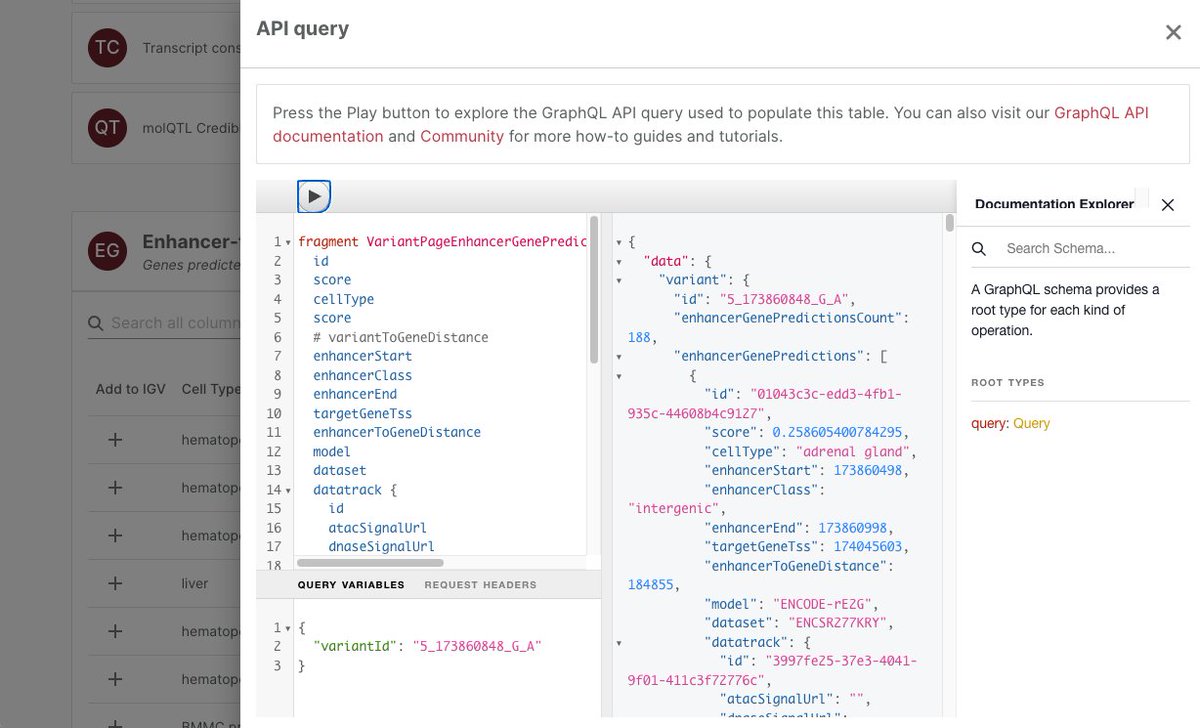
@anshulkundaje@arjunmk1@jengreitz@arjunmk1 yes! the api directly extends the Open Targets api as well. next to the enhancer gene prediction and LD sections, you can view and run the exact graphql queries used to render the pages
@anshulkundaje@RichardKCollin2@jengreitz Hi @RichardKCollin2, yes this is due to your browser being an older version that doesn't support this JS method. This is part of code from https://t.co/MsKRyjFqTh that our portal extends. I'll add a clearer error soon, but you will need to upgrade to use the portal unfortunately!
Excited for a major milestone in a collab effort led by @jengreitz to map enhancers & interpret variants in the human genome: The E2G Portal https://t.co/O9CRC1gRsf collates predictions of enhancer-gene regulatory interactions across >1,600 cell types & tissues. Use cases 👇1/
@anshulkundaje@arjunmk1@igvteam Unfortunately not! the igv desktop application is a completely different codebase written in Java which I haven't had a chance to get familiar with yet. Would definitely like to support it in the future as well though
If you want to self-deploy #LangChain#LangGraph Runnables, check out langgraph_serve! It's an extension of #LangServe that supports modification of the LangGraph graph state, and resuming execution after graph interruptions.
https://t.co/YCS4gDMr0Y
Very excited to release tangermeme v0.2.0! This release focuses on attribution methods, seqlet calling, plotting, and variant effect scores, and tweaks the API.
Docs: https://t.co/0fieYeVngv
GitHub: https://t.co/w2yKIXUIWC
Get it with `pip install tangermeme`! 1/
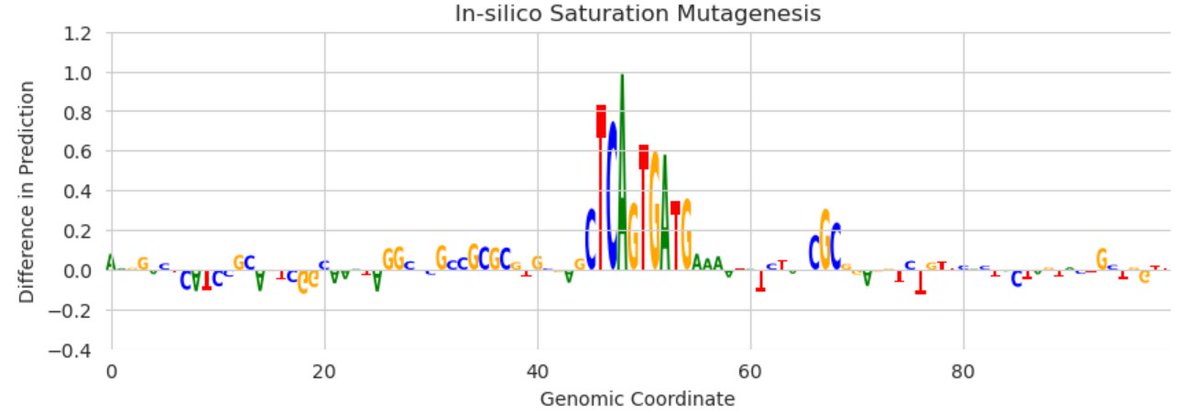
You've probably seen attribution tracks where the height of each letter is its "importance" to a predictive model and motifs pop out.
But the technical details behind how these are calculated can matter a lot -- and I'm worried many may be done incorrectly. 1/