A common misconception regarding the treatment of Guillain-Barré syndrome (GBS) is the idea that it can be categorized as either "IVIg responsive" or "resistant." The only two therapies that are effective for GBS—plasma exchange and intravenous immunoglobulin (IVIg)—do not change mortality rates or long-term disability outcomes. Yes, you read that correctly. Both treatments are quite expensive, and clinical trials have shown that, compared to placebo, they only lead to accelerated recovery, with no significant difference in disability at one year or mortality rates.
Some of you may think I’m crazy for repeatedly stating that "Time is Nerve," but I strongly believe this to be true. The variation in response to immunotherapy in GBS is most likely related to the timing of starting treatment for an individual patient's disease course. This is why it is crucial to initiate therapy as soon as possible. I believe that starting treatment early may change the trajectory for many patients on an individual level.
Research indicates that the neuropathic process in GBS begins several days before patients exhibit any symptoms. After antibodies have been deposited in the nerves and complement activation occurs, plasma exchange or IVIg cannot effectively treat the damage that has already taken place in the nerves. While these treatments may help prevent further injury caused by antibodies or complement/cytokines, they cannot reverse the damage that has already been activated. As a result, patients with severe GBS who present to the hospital within less than three days or who become unable to walk in that same timeframe are likely to require mechanical ventilation and face a poor prognosis.
1/x
How to remember the descending tracts of the CNS?
There is 1 pyramidal and 5 parapyramidal descending tracts - reticulospinal, vestibulospinal, tectospinal, olivospinal and rubrospinal tracts.
Tracts of motor control -
1. The RETICULOSPINAL TRACT is the most primitive tract. It is found even in the most ancient vertebrates with only torsos and no limbs. It helps in maintenance of AXIAL POSTURE and MOTION.
2. The RUBROSPINAL TRACT evolved for control of fins and other primitive appendanges. In primates, it controls the upper limbs and helps in gross motor control like reaching and grasping.
3. The CORTICOSPINAL TRACT is the most advanced tract. It is extensively integrated with the 1° and 2° sensory cortex and provides the finest and most precise motor control of the hands in primates --> like my fingers as I type this post.
Tracts of balance -
1. The VESTIBULOSPINAL tract connects the vestibular nuclei with the spinal cord and helps in maintenance of balance via the inner ear. It might also perform some functions of the reticulospinal tract.
2. The TECTOSPINAL tract connects the tectum of midbrain --> specifically the superior and inferior colliculli and helps in maintenance of balance via visual (SC) and auditory (IC) cues.
Tract of little consequence -
1. The existence of the OLIVOSPINAL TRACT itself has been questioned.
This is a heavily simplified view of this complex topic in neuroscience.
It is meant to be used as nothing more than an aide memoire for students.
#MedTwitter
#NeuroTwitter
#Neuroscience
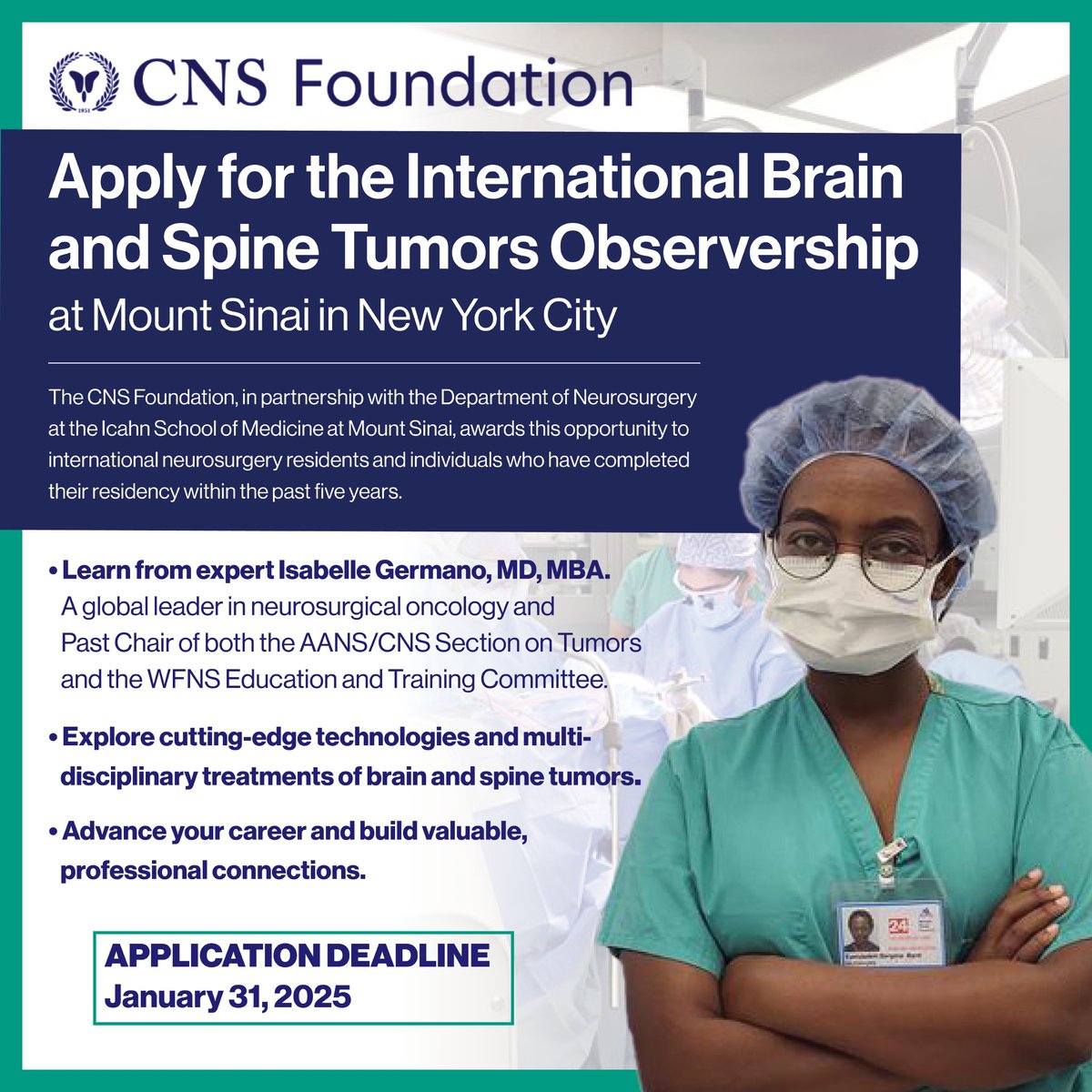
🌍 LAST CHANCE! Calling all international #neurosurgery trainees! Apply now for the 2025 @CNS_Update International Brain & Spine Tumors Observership & learn from neuro-oncology expert Dr. Isabelle Germano from @MountSinaiNeuro. Deadline: Jan 31! More info: https://t.co/SWvYNcJH8L
Mucha gente me ayudo antes a lograr la meta de ser doctor en Estados Unidos y ya toca pagarlo.
Voy a empezar a aceptar gente para rotar conmigo para ganar experiencia en Estados Unidos, los interesados pueden mandarme mensaje privado.
Vestibular neurotomy is performed for refractory Meniere’s disease with symptom relief in up to 95% of appropriately selected patients. The retromastoid approach is used for vestibular nerve resection.
#MedTwitter#Neurosurgery#NSGY#surgery
@Sthanu5 Diaphragmatic hernia. In adults the most common etiology is trauma. Gastric bubble is superior to the diaphragm and you can faintly see intestines in the left hemithorax, which are displacing the heart to the right. Dyspnea and dysphagia prob due to mass effect.
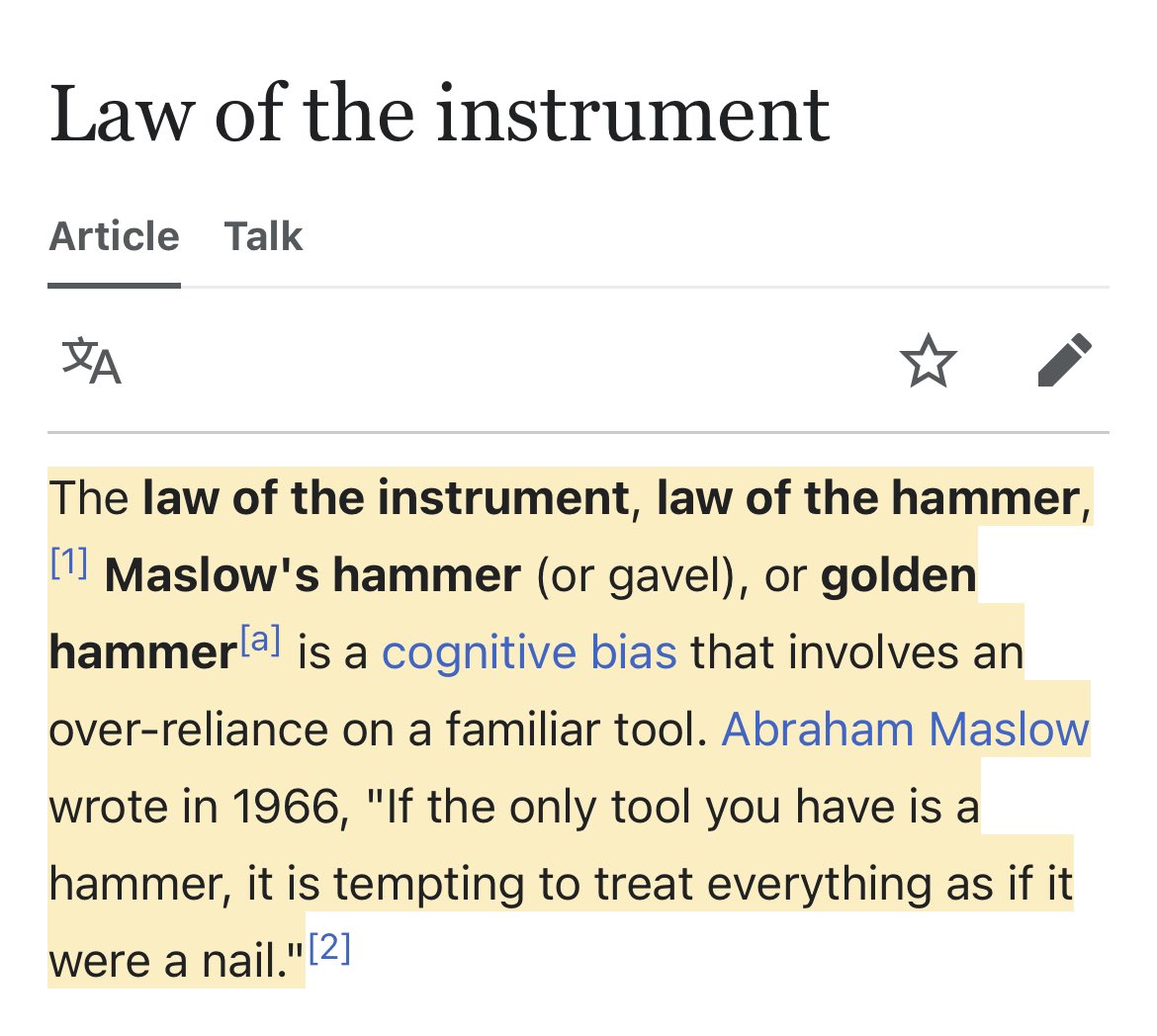
@ikeafonso1 I’m not saying only dual-trained should deal with them, rather that we need to avoid the Law of the Instrument.
If you’re assessing with people who only have expertise in one or the other, there are large blind spots.